Author name: social.ushc

Can Hair Transplant Surgery Be Dangerous Risks You Should Know
Hair Transplant

Can Hair Transplant Surgery Be Dangerous? Risks You Should Know

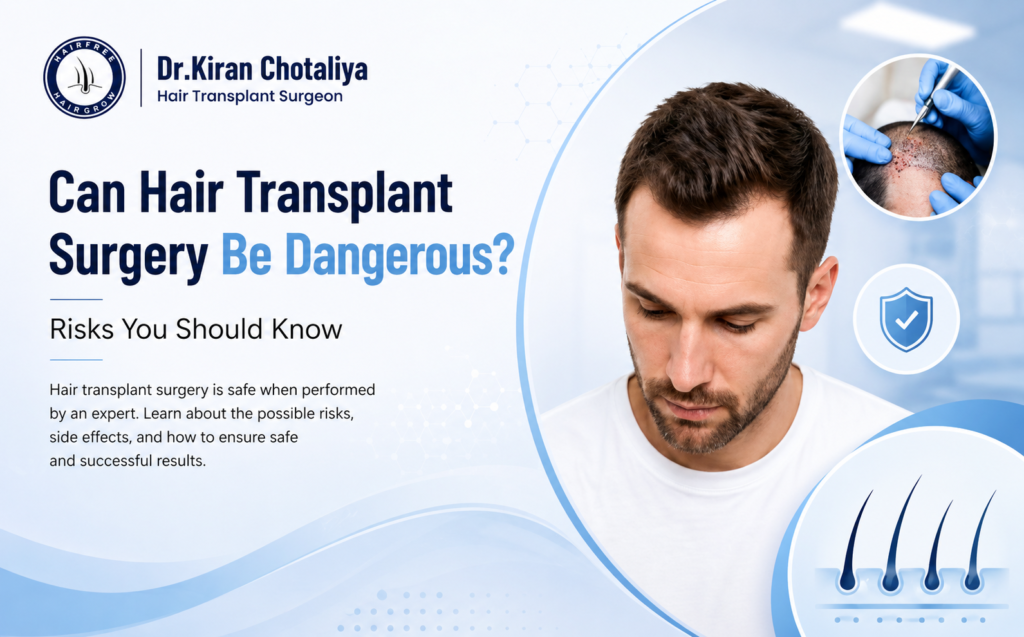
Can Hair Transplant Surgery Be Dangerous? Risks You Should Know Table of Contents   Hair transplant surgery has become one of the most trusted and effective solutions for hair loss. Modern techniques like FUE (Follicular Unit Extraction) offer natural-looking results with minimal downtime. However, many people still ask an important question — “can hair transplant surgery be dangerous?” The simple answer is that hair transplant procedures are generally safe when performed by an experienced and qualified surgeon. Serious complications are extremely rare, but like any medical procedure, there are certain risks patients should understand before undergoing treatment. If you are considering a Hair Transplant in Pune, knowing the possible risks, side effects, and safety measures can help you make an informed decision. Is Hair Transplant Surgery Safe? Hair transplant surgery is considered a minimally invasive cosmetic procedure. In most cases, patients recover smoothly and resume normal activities within a few days. Modern FUE hair transplant procedures are performed under local anesthesia, which significantly reduces major surgical risks. Clinics that follow proper sterilization protocols and medical guidelines maintain a very high safety record. The biggest factor affecting safety is choosing a qualified hair transplant surgeon and a well-equipped clinic. Common Risks and Side Effects of Hair Transplant Surgery Most side effects after a hair transplant are temporary and manageable. These include: 1. Swelling Mild swelling around the forehead or scalp is common after surgery. It usually disappears within 2 to 5 days. 2. Redness and Irritation The transplanted area may appear slightly red for a few days after the procedure. This is part of the natural healing process. 3. Scabbing Tiny scabs form around implanted grafts during healing. Patients should avoid scratching the scalp to protect graft survival. 4. Temporary Hair Shedding Many patients experience “shock loss,” where transplanted hair sheds before new growth begins. This is temporary and expected. 5. Mild Pain or Discomfort Some patients feel mild soreness in the donor or recipient area, which can be controlled with prescribed medications. Rare but Serious Hair Transplant Complications Although uncommon, serious complications may occur if the procedure is performed improperly or in unhygienic conditions. Infection Poor sterilization or improper aftercare can increase infection risk. Signs may include severe redness, pus, fever, or persistent pain. Excessive Bleeding Minor bleeding is normal during surgery, but uncontrolled bleeding may occur in rare cases, especially in patients with medical conditions or blood-thinning medications. Allergic Reaction to Anesthesia Local anesthesia is generally safe, but some individuals may experience allergic reactions. This is why pre-surgery medical evaluation is important. Allergic Reaction to Anesthesia If grafts are handled incorrectly or the patient does not follow post-operative instructions, hair growth results may be affected. Scarring Modern FUE hair transplant techniques minimize scarring, but inexperienced procedures may leave visible marks. Can Hair Transplant Cause Death? Deaths directly caused by hair transplant surgery are extremely rare worldwide. In most reported cases, complications were linked to: Unqualified practitioners Unsafe anesthesia practices Poor hygiene standards Lack of emergency medical support Pre-existing medical conditions Hair transplant surgery itself is not considered a life-threatening procedure when performed in a certified medical facility under expert supervision. This is why selecting an experienced hair transplant specialist in Pune is essential for both safety and successful results. How to Reduce Hair Transplant Risks Patients can greatly improve safety by following a few important precautions. Choose an Experienced Surgeon Always verify: Surgeon qualifications Clinic reputation Before-and-after results Patient reviews Experience with FUE procedures Share Your Medical History Inform your doctor about: Diabetes Blood pressure issues Heart conditions Allergies Current medications Follow Post-Surgery Instructions Proper aftercare plays a major role in healing and graft survival. Patients should: Avoid smoking and alcohol Protect the scalp from infection Avoid heavy exercise temporarily Use prescribed medications correctly Who Should Avoid Hair Transplant Surgery? Hair transplant may not be suitable for everyone. Patients with certain medical conditions may require additional evaluation before surgery. These include: Uncontrolled diabetes Severe heart disease Bleeding disorders Active scalp infections Advanced autoimmune conditions A proper consultation helps determine whether you are a safe candidate for treatment. Talk To Our Hair Expert Final Thoughts Hair transplant surgery is generally a safe and effective solution for hair loss when performed by an experienced specialist using advanced techniques. While temporary side effects are common, serious complications are rare in professional medical settings. Choosing a trusted clinic, following aftercare instructions, and undergoing proper medical evaluation are the best ways to ensure safe and successful results. If you are planning a Hair Transplant in Pune, consulting an experienced hair restoration expert can help you understand the procedure, risks, and expected outcomes in detail. FAQ’s 1. Is hair transplant surgery dangerous? Hair transplant surgery is generally safe when performed by a qualified and experienced surgeon in a certified clinic. 2. Can a hair transplant fail? Yes, poor graft handling, infections, or improper aftercare may affect results. Choosing an experienced surgeon reduces this risk. 3. What is the biggest risk of hair transplant surgery? The most common risks are infection, swelling, temporary shedding, and poor graft survival if proper care is not followed. 4. Is FUE hair transplant safer than FUT? FUE is considered less invasive and usually involves faster healing with minimal scarring compared to FUT. 5. How long does recovery take after a hair transplant? Most patients recover within 7 to 14 days, while full hair growth results may take several months. Hair transplant surgery is generally safe when performed by a qualified and experienced surgeon in a certified clinic. Yes, poor graft handling, infections, or improper aftercare may affect results. Choosing an experienced surgeon reduces this risk. The most common risks are infection, swelling, temporary shedding, and poor graft survival if proper care is not followed. FUE is considered less invasive and usually involves faster healing with minimal scarring compared to FUT. Most patients recover within 7 to 14 days, while full hair growth results may take several months. Dr. Kiran Chotaliya MD (Skin & VD) Dr. Kiran Chotaliya is a

What to Eat and Avoid After Hair transplant Expert advice
Hair Transplant

What to Eat and Avoid After Hair transplant: Expert advice

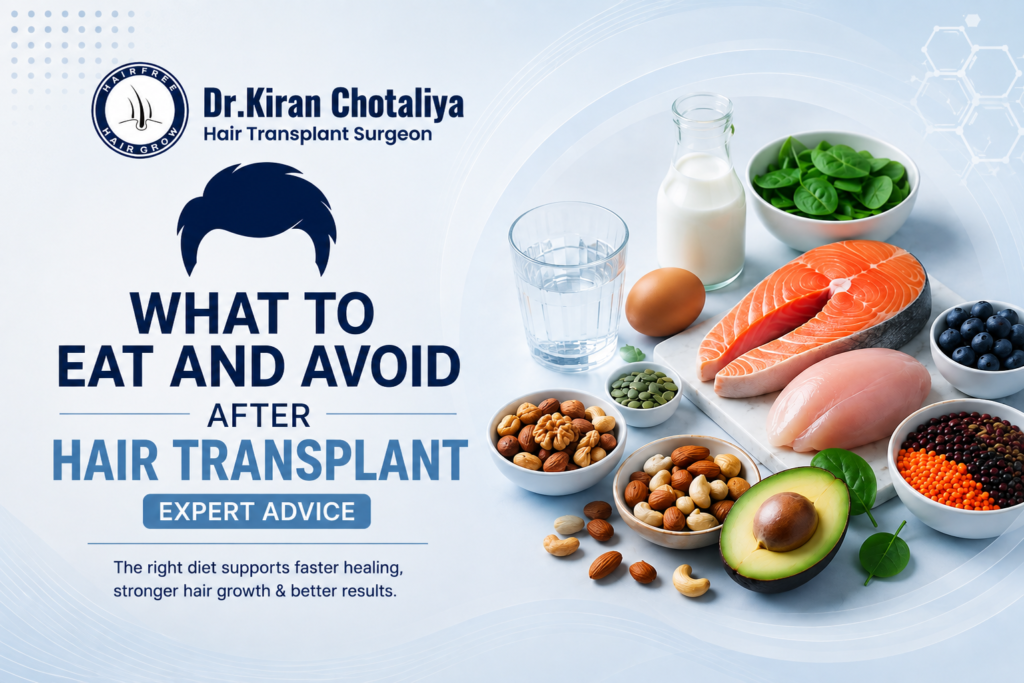
What to Eat and Avoid After Hair transplant: Expert advice Table of Contents Hair transplant surgery is an effective treatment for hair loss and baldness in men and women. At Dr. Kiran Chotaliya’s clinic, healthy hair follicles are transplanted from the donor area to bald or thinning areas for natural-looking results. Along with proper aftercare, following the right diet after hair transplant in Pune helps improve healing, reduce inflammation, and support healthy hair growth. A balanced diet rich in protein, vitamins, and minerals helps nourish transplanted grafts and supports faster recovery. Under the guidance of Dr. Kiran Chotaliya, patients are advised to follow proper post-transplant care and healthy eating habits to achieve better healing and natural hair growth results. How Does Diet Help in Quick Recovery After Hair Transplant? After a hair transplant, the scalp needs time to heal properly. The body requires essential nutrients to repair tissues and improve blood circulation around the transplanted grafts. Following a balanced diet after hair transplant in Pune offers several benefits: Faster scalp healing Reduced swelling and irritation Better nourishment for transplanted grafts Stronger and healthier hair growth Reduced chances of infection A poor diet, dehydration, smoking, or unhealthy food habits may negatively affect the healing process and hair transplant results.   What Should I Eat After a Hair Transplant? Eating nutrient-rich foods after surgery can help improve recovery and hair growth. 1. Protein-Rich Foods Hair follicles are mainly made of keratin, which is a type of protein. Protein helps repair tissues and strengthen hair roots. Best protein-rich foods include: Eggs Chicken Fish Paneer Lentils Greek yogurt 2. Green Vegetables Green leafy vegetables are rich in iron, folate, and antioxidants that support scalp health. Recommended vegetables: Spinach Broccoli Kale Fenugreek leaves 3. Fruits Rich in Vitamin C Vitamin C helps improve collagen production and supports faster healing. Best fruits: Oranges Guava Kiwi Amla Strawberries 4. Nuts and Seeds Nuts and seeds contain healthy fats, zinc, and vitamin E that help nourish hair follicles. Healthy options: Almonds Walnuts Pumpkin seeds Flax seeds 5. Whole Grains Whole grains help maintain energy levels and support overall recovery. Include foods like: Oats Brown rice Whole wheat Quinoa Maintaining a healthy diet after hair transplant, as recommended by a hair specialist in Pune, helps provide essential nutrients for healthy hair growth. What Should I Drink After Hair Transplant? Hydration is extremely important after surgery. Drinking enough fluids helps maintain blood circulation and supports the healing process. Recommended drinks after hair transplant: Water Coconut water Fresh fruit juices Lemon water Herbal tea Patients should avoid excessive caffeine, soft drinks, and sugary beverages during the initial recovery period. Can I Take Biotin After a Hair Transplant? Yes, biotin is commonly recommended after hair transplant surgery because it helps support hair strength and growth. Biotin is a vitamin that supports keratin production and may improve hair quality. Benefits of biotin: Supports healthy hair growth Improves hair thickness Strengthens hair roots However, supplements should only be taken after consulting a hair transplant specialist. Can I Take Multivitamins After Hair Transplant? Many doctors recommend multivitamins after surgery to improve recovery and support hair growth. Vitamins and minerals help nourish transplanted follicles and strengthen the immune system. Important nutrients include: Vitamin B complex Vitamin D Zinc Iron Vitamin E Combining supplements with a balanced diet after hair transplant can support better healing and long-term hair health. When Can I Eat Non-Veg After Hair Transplant? Most patients can start eating non-vegetarian food within one or two days after surgery unless advised otherwise by their doctor. Good non-veg options include: Boiled eggs Chicken soup Grilled fish Lean chicken Avoid oily, spicy, or heavily processed non-vegetarian food during the first few days after surgery. What Foods to Avoid After Hair Transplant? Certain foods and habits may slow down healing or affect graft survival after a hair transplant. Foods to Avoid Junk food Fried food Excessively spicy food Sugary drinks Processed food Habits to Avoid Smoking Alcohol consumption Excess caffeine Smoking reduces blood circulation to the scalp and may affect the survival of newly transplanted grafts. Following the right diet after hair transplant in Pune and avoiding unhealthy habits can improve overall results. Talk To Our Hair Expert Conclusion Following the right diet after hair transplant is essential for faster recovery and healthy hair growth. A balanced diet rich in protein, vitamins, fruits, vegetables, and fluids helps nourish transplanted grafts and supports healing. Patients should also avoid smoking, alcohol, junk food, and unhealthy eating habits during the recovery period. Along with proper aftercare and medical guidance, maintaining healthy nutrition can improve hair transplant success and help achieve natural-looking results. FAQ’s 1. What is the best diet after hair transplant in Pune? The best diet includes protein-rich foods, fruits, vegetables, nuts, seeds, and plenty of water to support healing and hair growth. 2. How long should I follow a healthy diet after hair transplant surgery? A healthy diet should be maintained for at least 3–6 months after surgery for better recovery and hair growth. 3. Can I drink coffee after a hair transplant? You should limit caffeine intake during the first few days because excessive caffeine may affect hydration. 4. Is protein important after hair transplant surgery? Yes, protein is important because hair follicles are mainly made of protein called keratin. 6. What foods should I avoid after hair transplant surgery? Avoid junk food, spicy food, fried food, alcohol, smoking, and sugary drinks because they may slow healing. 7. Is coconut water good after a hair transplant? Yes, coconut water helps maintain hydration and supports recovery after surgery. 8. Does diet affect hair transplant results? Yes, maintaining the right diet after hair transplant in Pune can improve recovery and support healthy hair growth results. The best diet includes protein-rich foods, fruits, vegetables, nuts, seeds, and plenty of water to support healing and hair growth. A healthy diet should be maintained for at least 3–6 months after surgery for better recovery and hair growth. You should limit caffeine intake

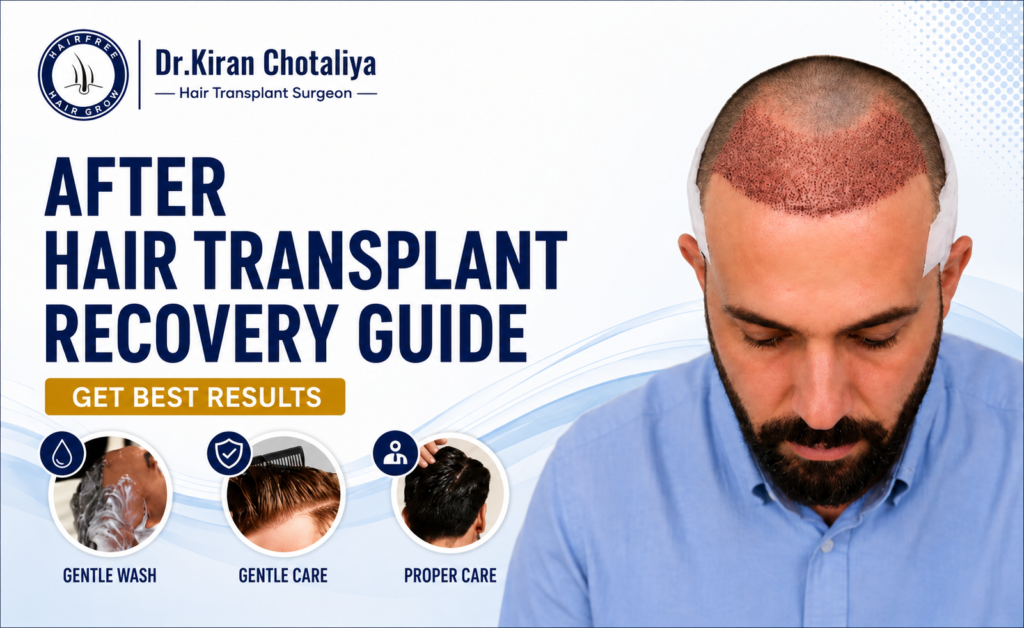
After Hair Transplant Recovery Guide Get Best Results
Hair Transplant

After Hair Transplant Recovery Guide: Get Best Results

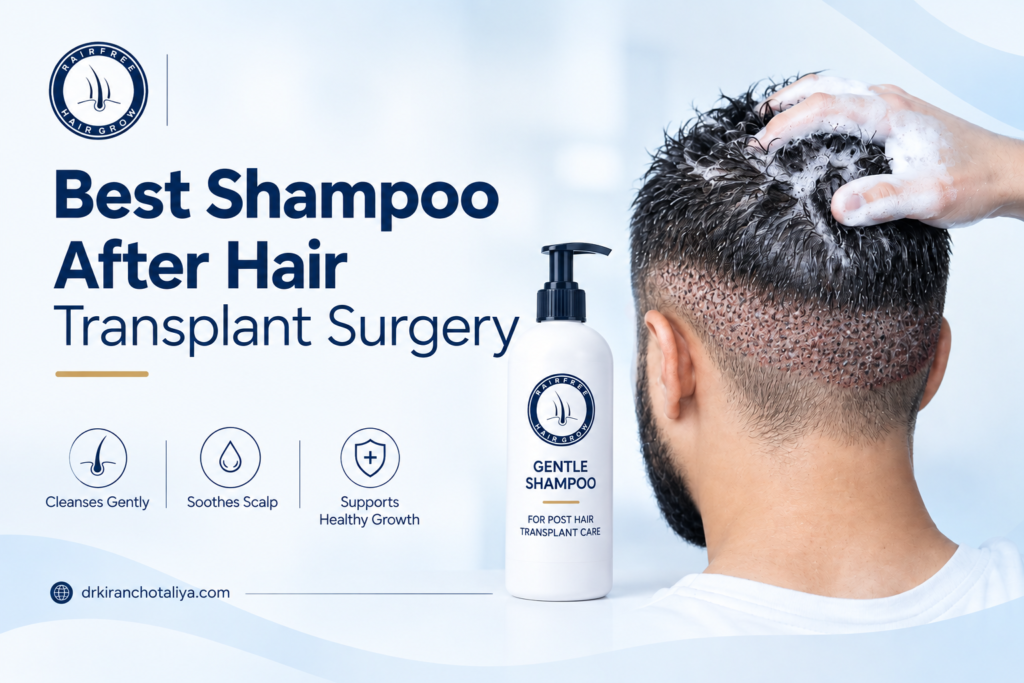
After Hair Transplant Recovery Guide: Get Best Results Table of Contents https://www.youtube.com/watch?v=S1jbkdHyDUA Hair transplant surgery is one of the most effective solutions for restoring natural hair growth. However, proper aftercare is equally important to achieve successful and long-lasting results. Many patients focus only on the procedure but ignore recovery instructions, which can affect graft survival and hair growth. If you are planning a Hair Transplant in Pune, understanding the recovery process can help you heal faster and protect your newly transplanted hair follicles. At Dr. Kiran Chotaliya Clinic, patients receive complete post-procedure guidance to ensure safe recovery and natural-looking results. Maximize Your Hair Transplant Results: Essential Tips for Post-Procedure Care The first few weeks after a hair transplant are crucial because the implanted grafts are delicate and need proper care. Following your doctor’s instructions can help: Improve graft survival Reduce swelling and infection risk Promote healthy hair growth Speed up healing Good recovery care is one of the biggest factors behind successful hair transplant results. How Long Should I Rest After a Hair Transplant? Most patients should rest for at least 3–5 days after surgery. Avoid strenuous activities, gym workouts, bending, and excessive sweating for around 10–14 days. Adequate rest helps reduce swelling and protects newly implanted grafts during the healing phase. How Long Do Grafts Last After a Hair Transplant? Hair grafts are designed to be permanent because they are usually taken from the donor area, which is genetically resistant to hair loss. Once the grafts heal properly, the transplanted hair can continue growing naturally for many years. Can I Apply Oil After a Hair Transplant? Avoid applying oil immediately after surgery. Most doctors recommend waiting at least 2–3 weeks before using hair oil on the scalp. Applying oil too early may irritate the grafts and interfere with healing. How Can I Cover My Head After a Hair Transplant? You should avoid tight caps or helmets during the initial recovery period. If needed, use a loose-fitting cap only after your doctor permits it. Protecting the scalp from dust and direct sunlight is important, especially in Pune’s hot climate. How Soon Can I Use Minoxidil After a Hair Transplant? Minoxidil is often restarted around 2–4 weeks after the procedure, depending on the patient’s healing condition. Always follow your hair transplant specialist’s instructions before restarting medications. What Should I Eat After a Hair Transplant? Healthy nutrition helps improve healing and supports hair growth. Best Foods to Eat Eggs and lean protein Green vegetables Fruits rich in Vitamin C Nuts and seeds Omega-3 fatty acids Plenty of water A balanced diet can improve blood circulation and nourish hair follicles. Foods to Avoid After Hair Transplant Surgery Certain foods may slow down healing or increase inflammation. Avoid: Alcohol Smoking Excessively spicy food Junk food Sugary beverages Processed foods Smoking especially reduces blood supply to grafts and can affect hair transplant success. Which Shampoo Is Best After a Hair Transplant? Doctors usually recommend a mild, sulfate-free shampoo during recovery. Harsh shampoos may irritate the scalp and damage healing grafts. Use lukewarm water and gently wash the scalp without rubbing aggressively. Can I Wear a Wig After Having My Hair Transplanted? Avoid wearing wigs immediately after surgery because friction and sweating can affect graft healing. Most patients are advised to wait several weeks before using wigs or hair systems. Should I Massage My Head After a Hair Transplant? Do not massage the transplanted area during the initial healing phase. Pressure on grafts may dislodge them. Once healing is complete, your doctor may recommend gentle scalp massage to improve circulation. Can You Go Bald After a Hair Transplant? Transplanted hair generally has more life, but existing non-transplanted hair may continue thinning over time due to genetic hair loss. Proper medications and maintenance treatment can help preserve surrounding natural hair. Can I Use a Helmet After a Hair Transplant? Avoid helmets for at least 2–3 weeks after surgery. Tight pressure and friction may damage newly implanted follicles. This is especially important for bike riders and daily commuters in Pune. Is PRP Necessary After a Hair Transplant? PRP (Platelet-Rich Plasma) therapy is not always mandatory, but it may help improve healing and support hair growth in some patients. Many specialists recommend PRP sessions to enhance hair density and strengthen transplanted follicles. What Should One Avoid After Receiving a Hair Transplant? After a hair transplant, avoid: Smoking and alcohol Heavy workouts Direct sun exposure Swimming pools Scratching the scalp Tight caps and helmets Stress and poor sleep These precautions help protect grafts during the healing process. How Can You Avoid Hair Loss After a Hair Transplant? To maintain long-term results: Follow post-operative instructions carefully Take prescribed medications regularly Maintain a healthy diet Manage stress levels Attend follow-up appointments Use doctor-recommended hair care products Consistency is important for preserving both transplanted and existing hair. Talk To Our Hair Expert Conclusion A hair transplant recovery guide is just as important as the procedure itself. Proper aftercare helps improve healing, protect grafts, and ensure natural-looking results. If you are considering a Hair Transplant Surgeon in Pune, choosing an experienced specialist and following all recovery instructions can significantly improve your outcome. For personalized guidance and advanced hair restoration solutions in Pune, consult the experts at Hairfree and Hairgrow Clinic. FAQ’s How long does hair transplant recovery take? Initial healing usually takes around 7–14 days, while visible hair growth may begin after 3–4 months. Final results can take 12–18 months When can I return to normal activities after a hair transplant? Most patients can resume light daily activities within a few days. Strenuous exercise, heavy lifting, and excessive sweating should generally be avoided for around 10–14 days, or as advised by your surgeon. When can I wash my hair after a hair transplant? Hair washing is usually started according to your surgeon’s instructions, often within the first few days. Use a mild shampoo, lukewarm water, and gentle movements without rubbing the grafts. When can I wear a helmet after a hair transplant? Avoid

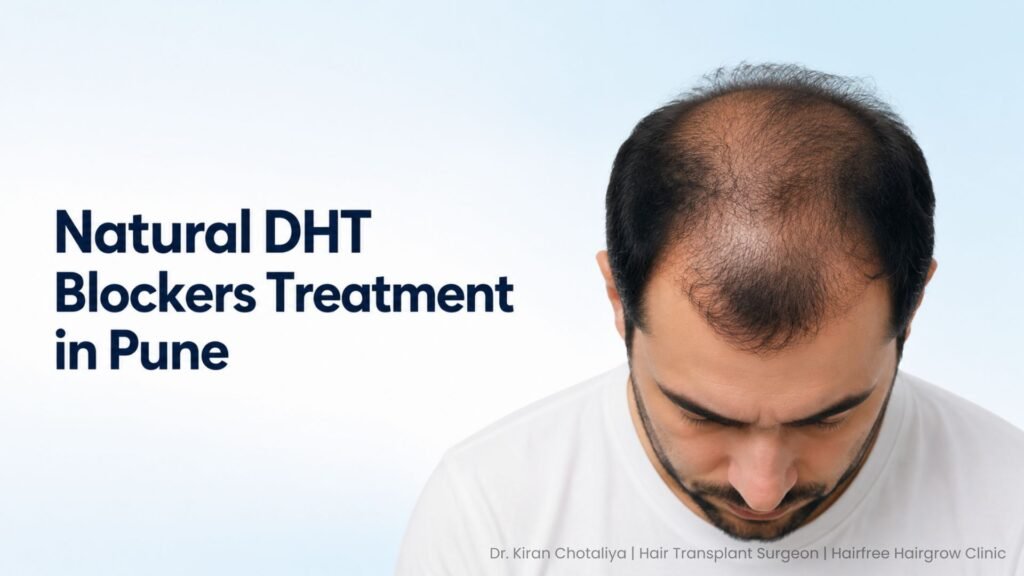
Natural DHT Blockers for Hair Loss in Pune
Hair Loss

Natural DHT Blocker Treatment in Pune for Hair Loss in Men and Women

Natural DHT Blockers for Hair Loss in Pune: A Complete Guide for Men and Women Table of Contents Hair loss is one of the most common concerns affecting both men and women today. Factors such as stress, hormonal imbalance, genetics, pollution, and unhealthy lifestyle habits can all contribute to thinning hair and baldness. One of the primary causes of pattern hair loss is DHT (Dihydrotestosterone), a hormone that gradually weakens hair follicles over time. Many people now prefer natural DHT blockers and natural hair regrowth treatment options before considering medications or surgery. Herbal ingredients that may help reduce DHT activity can slow hair fall and support healthier hair growth. If you are looking for natural DHT Blockers for Hair Loss in Pune or effective hair loss treatment in Pune, consulting a qualified hair specialist early can help prevent further hair loss. At Hairfree Hairgrow Clinic, Dr. Kiran Chotaliya, a leading hair transplant surgeon in Pune, provides personalized hair regrowth for men and women through advanced scalp analysis, evidence-based hair restoration treatments, and customized treatment plans. What is DHT and Why Does It Cause Hair Loss? DHT is a hormone derived from testosterone through the action of an enzyme called 5-alpha reductase. In people with genetic sensitivity, DHT attaches to hair follicles and gradually shrinks them. This process weakens the follicles and causes thinner hair growth, eventually leading to bald patches or receding hairlines. Common signs of DHT-related hair loss include: Receding hairline Crown thinning Excessive hair shedding Weak and thin hair Pattern baldness in men and women Best Natural DHT Blockers for Hair Loss and Hair Regrowth 1. Saw Palmetto Saw Palmetto is one of the most popular DHT blockers for hair loss and is commonly included in supplements designed to support natural hair regrowth treatment in Pune.  Benefits: Helps reduce hair thinning Supports healthier hair growth Improves hair density Suitable for men and women Saw Palmetto is commonly included in supplements used for natural DHT blocker treatments.  2. Pumpkin Seed Oil Pumpkin seed oil is often recommended as part of a natural hair regrowth treatment in Pune plan for individuals experiencing early-stage hair thinning.  Benefits: Nourishes hair roots Supports thicker hair growth Helps reduce excessive shedding Rich in antioxidants and zinc 3. Rosemary Oil Rosemary oil is a popular natural ingredient used for improving scalp circulation and promoting healthier hair growth. Benefits: Stimulates scalp blood flow Supports hair thickness Reduces hair breakage Helps improve scalp health 4. Green Tea Green tea contains antioxidants and natural compounds that may help reduce scalp inflammation and DHT activity. Benefits: Supports healthy hair follicles Reduces oxidative stress Helps control hair fall Improves overall scalp condition 5. Nettle Root Nettle root is another herbal ingredient commonly used in natural hair loss treatments. Benefits: Supports hormonal balance Helps manage hair thinning Provides essential nutrients May improve hair strength Do Natural DHT Blockers Really Work? Natural DHT blockers for hair loss may help slow hair thinning in people with early-stage hair loss. Their effectiveness depends on several factors, including genetics, hormonal balance, scalp health, diet, and consistency of use. While they can support healthier hair growth, they work best when combined with professional hair loss treatment in Pune whenever needed.  Genetics Hormonal imbalance Diet and nutrition Scalp condition Consistency of treatment While natural remedies can support hair regrowth, severe hair loss may require advanced procedures like PRP therapy, GFC treatment, or hair transplant surgery.  Patients looking for long-term results often combine medical therapies with Natural DHT Blockers for Hair Loss in Pune under specialist guidance. Tips to Improve Hair Growth Naturally These healthy lifestyle habits can improve the effectiveness of natural DHT blockers and support long-term hair regrowth for men and women.  Eat a protein-rich diet Include iron and biotin in meals Reduce stress levels Avoid smoking and alcohol excess Maintain proper scalp hygiene Avoid excessive heat styling Sleep properly every night Healthy lifestyle changes can improve the effectiveness of Natural DHT Blockers for hair loss. Natural DHT Blockers for Hair Loss in Pune If you are experiencing continuous hair fall, seeking expert advice early can help prevent permanent hair loss. At Hairfree Hairgrow Clinic, Dr. Kiran Chotaliya offers advanced hair loss treatment in Pune with personalized solutions for hair regrowth for men and women. Depending on your scalp condition and stage of hair loss, treatment may include natural hair regrowth treatment, PRP therapy, GFC therapy, or hair transplant surgery.  Available treatments include: PRP Hair Treatment GFC Hair Therapy Hair Transplant Scalp Analysis Hair Regrowth Treatments Customized Hair Care Plans The clinic provides personalized solutions depending on scalp condition, hair loss stage, and overall health. Talk To Our Hair Expert Conclusion Natural ingredients such as Saw Palmetto, rosemary oil, pumpkin seed oil, green tea, and nettle root may help reduce DHT-related hair thinning and support healthier hair growth. Although natural DHT blockers can be beneficial during the early stages of hair loss, combining them with professional care often provides better long-term results. If you are looking for Natural DHT Blockers for hair loss in Pune, consult Dr. Kiran Chotaliya for a personalized evaluation. A customized plan that combines natural hair regrowth treatment in Pune, advanced hair loss treatment in Pune, and lifestyle modifications can help achieve healthier hair and lasting hair regrowth for men and women. FAQ’s What are the best Natural DHT Blockers for Hair Loss in Pune? Natural DHT blocker treatments often include herbal supplements, scalp therapies, PRP treatment, and customized hair regrowth plans. Are natural DHT blockers safe for women? Yes, most natural DHT blockers are considered safe for both men and women when used correctly. How long do Natural DHT Blockers for Hair Loss take to show results? Hair regrowth improvement may take around 3 to 6 months depending on the severity of hair loss. Can rosemary oil reduce hair fall? Rosemary oil may help improve scalp circulation and support healthier hair growth naturally. Do natural DHT blockers completely stop baldness? Natural remedies may slow hair thinning, but advanced hair loss

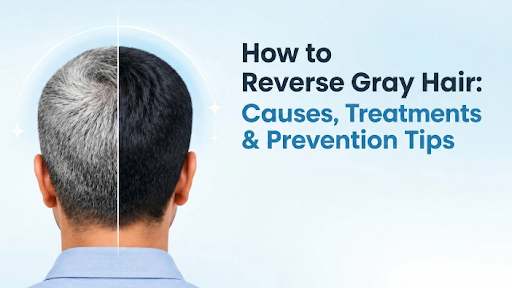
How to Reverse Gray Hair premature gray hair treatment causes of gray hair gray hair prevention tips treatment for gray hair
PRP Gallary Filters

How to Reverse Gray Hair: Causes, Treatments & Prevention Tips

How to Reverse Gray Hair: Causes, Treatments & Prevention Tips Table of Contents   Quick Summary How to Reverse Gray Hair: Gray hair is a natural part of aging, but when it appears early, it can become a concern for many people. Premature graying is now increasingly common due to lifestyle changes, stress, and nutritional deficiencies. While it may not always be possible to fully reverse gray hair, certain treatments and lifestyle improvements can help slow down the process and improve overall hair health. At Dr. Kiran Chotaliya’s clinic in Pune, patients are guided with personalized hair care solutions to manage premature gray hair and maintain healthier scalp conditions. How to Reverse Gray Hair premature gray hair treatment causes of gray hair gray hair prevention tips treatment for gray hair How to Reverse Gray Hair premature gray hair treatment causes of gray hair gray hair prevention tips treatment for gray hair How to Reverse Gray Hair premature gray hair treatment causes of gray hair gray hair prevention tips treatment for gray hair What Causes Gray Hair? How to Reverse Gray Hair: Hair gets its natural color from melanin, a pigment produced by melanocytes in the hair follicles. When melanin production reduces, hair starts turning gray or white. 1. Genetics Family history is one of the strongest factors. If your parents had early graying, you may experience it too. 2. Nutritional Deficiencies Deficiency of Vitamin B12, iron, copper, zinc, and folic acid can affect pigment production in hair. 3. Stress and Lifestyle Long-term stress, lack of sleep, smoking, and an unhealthy diet can increase oxidative stress in the body, which may affect hair pigmentation. 4. Medical Conditions Thyroid imbalance and certain autoimmune conditions can also contribute to premature graying. 5. Chemical Exposure Frequent use of harsh chemical dyes, bleaching, and heat styling can weaken hair quality over time. Can Gray Hair Be Reversed? In most cases, age-related gray hair cannot fully return to its natural color. However, in early-stage or deficiency-related cases, improvement may be possible with proper care and treatment. The main goals of treatment are: Slowing down further graying Improving scalp health Supporting melanin production Reducing oxidative stress Treatments That May Help Manage Gray Hair 1. Nutritional Support Correcting deficiencies is one of the first steps. A doctor may suggest supplements such as: Vitamin B12 Iron Zinc Copper Biotin 2. Healthy Diet Plan A balanced diet rich in antioxidants can support hair health. Include foods like: Green leafy vegetables Nuts and seeds Fresh fruits Protein-rich foods Amla and natural antioxidants 3. Advanced Hair Treatments In some cases, treatments like PRP therapy may help improve scalp health and strengthen hair follicles, supporting overall hair quality. 4. Stress Management Stress reduction techniques such as yoga, meditation, and regular exercise can help improve overall hair condition. 5. Proper Hair Care Routine Use mild, sulfate-free shampoos Avoid excessive heat styling Reduce chemical hair treatments Protect hair from pollution and sun damage Prevention Tips for Premature Gray Hair Preventing further graying is often more effective than trying to reverse it. Maintain a nutrient-rich diet Stay hydrated Avoid smoking and alcohol Manage stress effectively Get proper sleep Avoid harsh chemical treatments Regular scalp check-ups Early care plays a major role in maintaining natural hair color for longer. When Should You See a Hair Specialist? You should consult a hair specialist if: Gray hair starts at an early age Graying increases rapidly It is accompanied by hair fall or thinning Home care is not showing improvement You want a medical evaluation of your scalp health A proper diagnosis helps identify the exact cause and ensures the right treatment approach. Talk To Our Hair Expert Conclusion Gray hair is a natural biological process, but premature graying can often be managed with the right care. While complete reversal may not always be possible, lifestyle changes, nutritional support, and medical treatments can help slow down the process and improve hair quality. For personalized evaluation and treatment of premature gray hair, consulting a hair specialist like Dr. Kiran Chotaliya in Mumbai can help you choose the right approach for healthier, stronger hair. FAQ’s Can gray hair turn black again naturally? In some cases linked to nutritional deficiencies or stress, partial improvement may be seen with proper treatment and lifestyle changes. What deficiency causes gray hair? Deficiencies of Vitamin B12, iron, copper, zinc, and folic acid are commonly linked to premature graying. Does stress cause gray hair? Yes, chronic stress may contribute to oxidative damage that affects hair pigmentation. Is premature gray hair reversible? It depends on the cause. Early-stage graying due to deficiencies or lifestyle factors may show improvement with proper care. In some cases linked to nutritional deficiencies or stress, partial improvement may be seen with proper treatment and lifestyle changes. Deficiencies of Vitamin B12, iron, copper, zinc, and folic acid are commonly linked to premature graying. Yes, chronic stress may contribute to oxidative damage that affects hair pigmentation. It depends on the cause. Early-stage graying due to deficiencies or lifestyle factors may show improvement with proper care. Dr. Kiran Chotaliya MD (Skin & VD) Dr. Kiran Chotaliya is a highly experienced hair transplant specialist. He provides expert guidance and care throughout the entire recovery process to ensure the best possible results. With a focus on the Hair Transplant Recovery Timeline, Dr. Kiran helps his patients achieve a smooth and successful recovery. Book Consultation Our Latest Video Hair Transplant Hair Loss Treatment Our Services Male Hair Transplant Female Hair Transplant Hairline Reconstruction Eyebrow Hair Transplant Moustache Hair Transplant Body Hair Transplant Failed Hair Transplant   View More Results Latest Hair Transplant Results Thinking about Hair Transplant? Read this First. A free experts curated guide that clears all your doubts about Costs, Results, Pain, Recovery and much more.

Hair Transplant in Pune

Dr. Kiran Chotaliya is a leading hair transplant surgeon in Pune, specializing in advanced techniques like FUE and FUT for natural, lasting results. His expertise and patient-centered care ensure successful hair restoration with exceptional outcomes.

Follow Us

GET IN TOUCH

© 2026 Developed & Handle By Dr. Kiran Chotaliya Clinic Team

Location

© 2026 Developed & Handle By Dr. Kiran Chotaliya Clinic Team

Scroll to Top