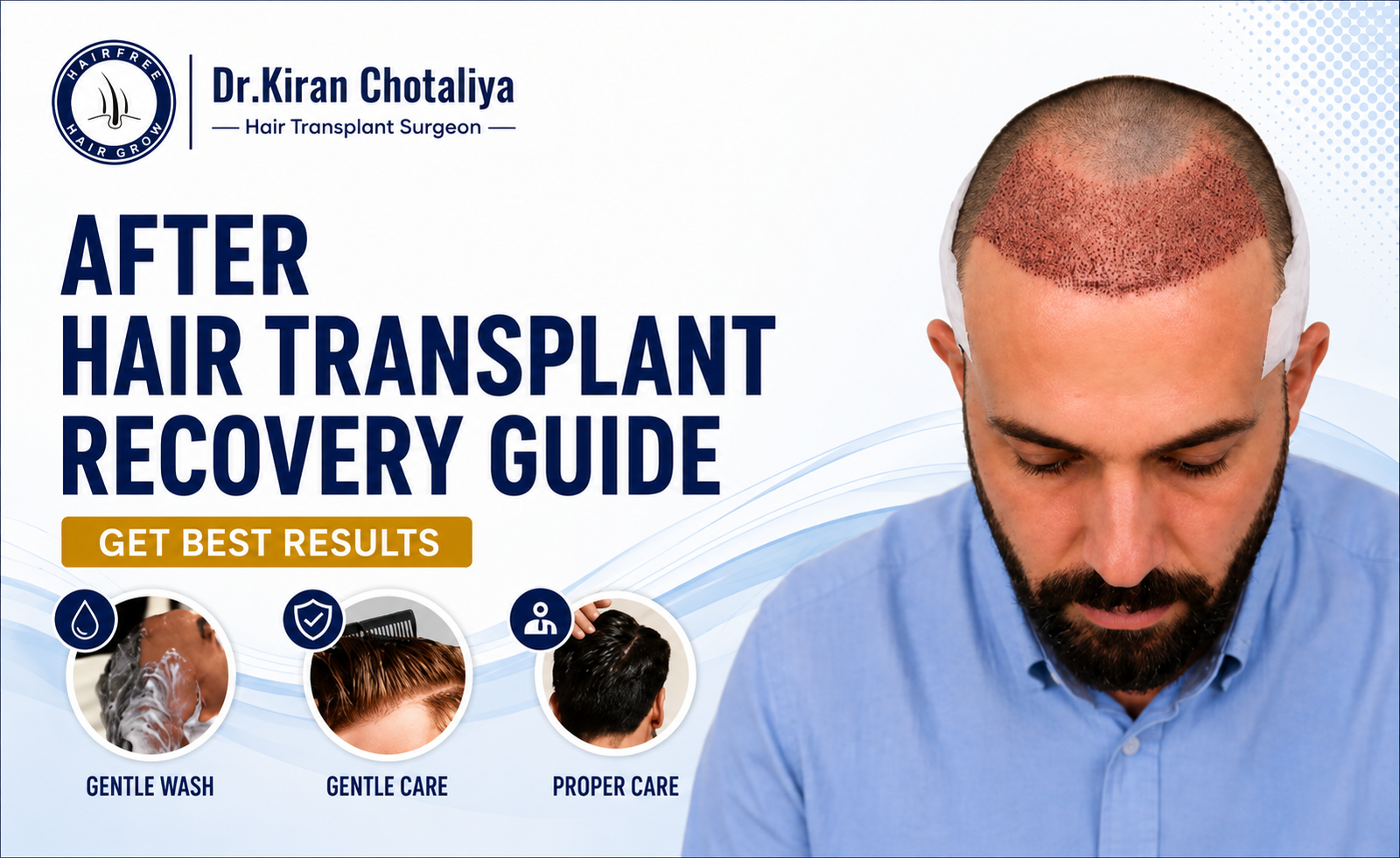
Hair transplant surgery is one of the most effective solutions for restoring natural hair growth. However, proper aftercare is equally important to achieve successful and long-lasting results. Many patients focus only on the procedure but ignore recovery instructions, which can affect graft survival and hair growth.
If you are planning a Hair Transplant in Pune, understanding the recovery process can help you heal faster and protect your newly transplanted hair follicles.
At Dr. Kiran Chotaliya Clinic, patients receive complete post-procedure guidance to ensure safe recovery and natural-looking results.
The first few weeks after a hair transplant are crucial because the implanted grafts are delicate and need proper care. Following your doctor’s instructions can help:
Good recovery care is one of the biggest factors behind successful hair transplant results.
Most patients should rest for at least 3–5 days after surgery. Avoid strenuous activities, gym workouts, bending, and excessive sweating for around 10–14 days.
Adequate rest helps reduce swelling and protects newly implanted grafts during the healing phase.
Hair grafts are designed to be permanent because they are usually taken from the donor area, which is genetically resistant to hair loss. Once the grafts heal properly, the transplanted hair can continue growing naturally for many years.
Avoid applying oil immediately after surgery. Most doctors recommend waiting at least 2–3 weeks before using hair oil on the scalp.
Applying oil too early may irritate the grafts and interfere with healing.
You should avoid tight caps or helmets during the initial recovery period. If needed, use a loose-fitting cap only after your doctor permits it.
Protecting the scalp from dust and direct sunlight is important, especially in Pune’s hot climate.
Minoxidil is often restarted around 2–4 weeks after the procedure, depending on the patient’s healing condition.
Always follow your hair transplant specialist’s instructions before restarting medications.
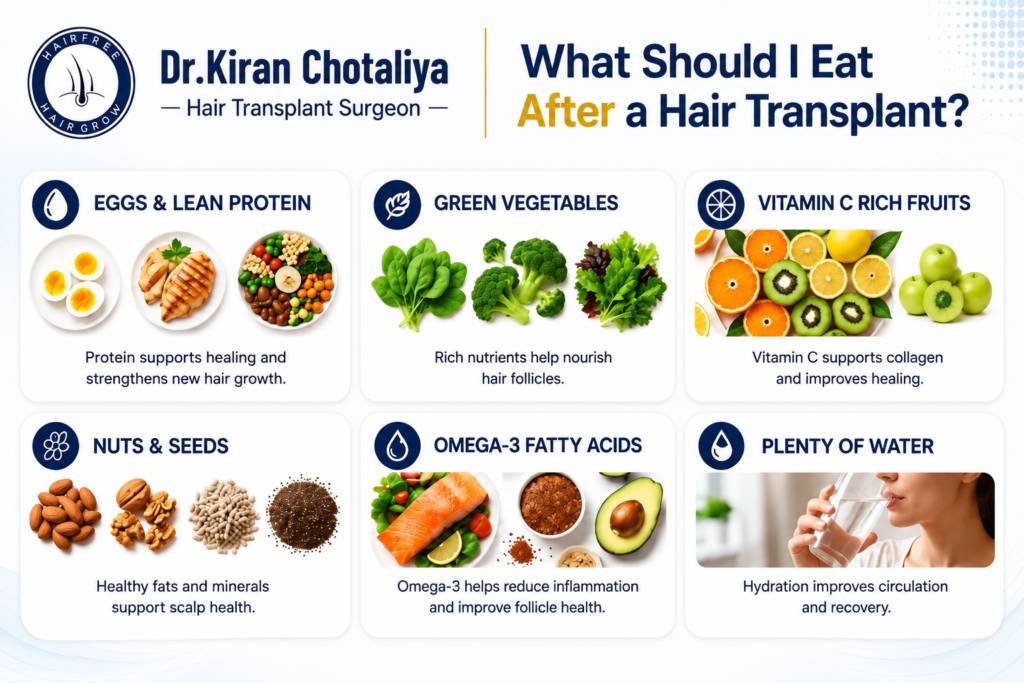
Healthy nutrition helps improve healing and supports hair growth.
Best Foods to Eat
A balanced diet can improve blood circulation and nourish hair follicles.
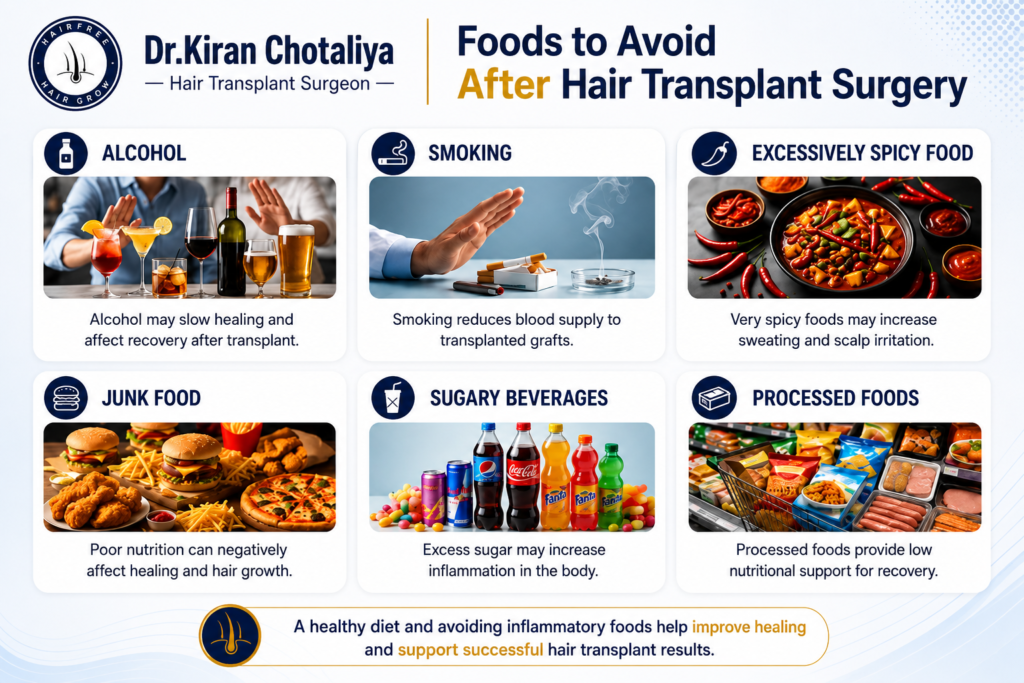
Certain foods may slow down healing or increase inflammation.
Avoid:
Smoking especially reduces blood supply to grafts and can affect hair transplant success.
Doctors usually recommend a mild, sulfate-free shampoo during recovery. Harsh shampoos may irritate the scalp and damage healing grafts.
Use lukewarm water and gently wash the scalp without rubbing aggressively.
Avoid wearing wigs immediately after surgery because friction and sweating can affect graft healing. Most patients are advised to wait several weeks before using wigs or hair systems.
Do not massage the transplanted area during the initial healing phase. Pressure on grafts may dislodge them.
Once healing is complete, your doctor may recommend gentle scalp massage to improve circulation.
Transplanted hair generally has more life, but existing non-transplanted hair may continue thinning over time due to genetic hair loss.
Proper medications and maintenance treatment can help preserve surrounding natural hair.
Avoid helmets for at least 2–3 weeks after surgery. Tight pressure and friction may damage newly implanted follicles.
This is especially important for bike riders and daily commuters in Pune.
PRP (Platelet-Rich Plasma) therapy is not always mandatory, but it may help improve healing and support hair growth in some patients.
Many specialists recommend PRP sessions to enhance hair density and strengthen transplanted follicles.
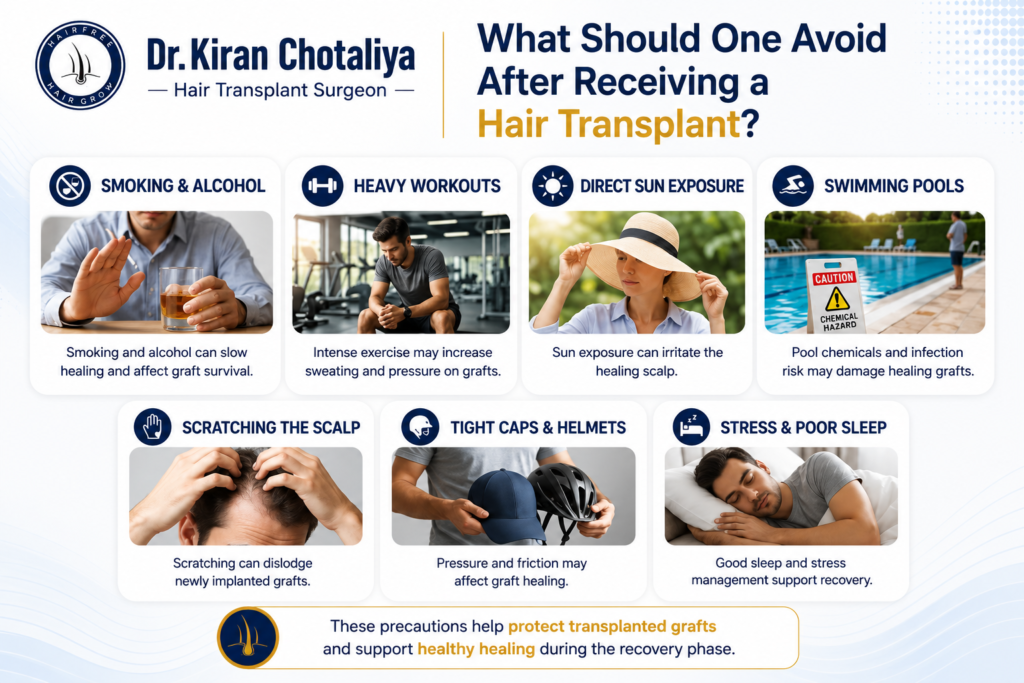
After a hair transplant, avoid:
These precautions help protect grafts during the healing process.
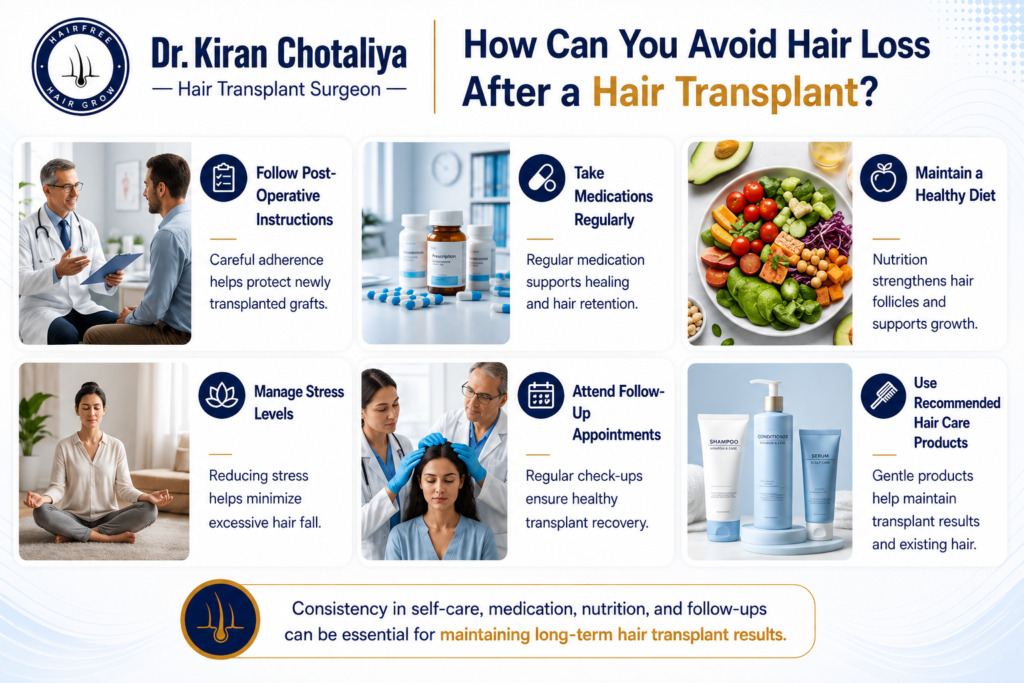
To maintain long-term results:
Consistency is important for preserving both transplanted and existing hair.
A hair transplant recovery guide is just as important as the procedure itself. Proper aftercare helps improve healing, protect grafts, and ensure natural-looking results.
If you are considering a Hair Transplant Surgeon in Pune, choosing an experienced specialist and following all recovery instructions can significantly improve your outcome.
For personalized guidance and advanced hair restoration solutions in Pune, consult the experts at Hairfree and Hairgrow Clinic.
Initial healing usually takes around 7–14 days, while visible hair growth may begin after 3–4 months. Final results can take 12–18 months
Most patients can resume light daily activities within a few days. Strenuous exercise, heavy lifting, and excessive sweating should generally be avoided for around 10–14 days, or as advised by your surgeon.
Hair washing is usually started according to your surgeon’s instructions, often within the first few days. Use a mild shampoo, lukewarm water, and gentle movements without rubbing the grafts.
Avoid tight helmets during the early healing period because pressure and friction can disturb grafts. Your surgeon may recommend waiting approximately 2–3 weeks before regular helmet use.
Minoxidil may be restarted after the scalp has healed, commonly around 2–4 weeks after surgery. Always follow your surgeon’s specific recommendation.
Choose a balanced diet containing lean protein, green vegetables, Vitamin C-rich fruits, nuts, seeds, omega-3 fatty acids, and plenty of water to support healing and overall hair health.
New growth may become noticeable around 3–4 months, with increasing density over the following months. The final outcome can take approximately 12–18 months, depending on individual healing and growth.
Dr. Kiran Chotaliya is a leading hair transplant surgeon in Pune, specializing in advanced techniques like FUE and FUT for natural, lasting results. His expertise and patient-centered care ensure successful hair restoration with exceptional outcomes.
© 2026 Developed & Handle By Dr. Kiran Chotaliya Clinic Team
© 2026 Developed & Handle By Dr. Kiran Chotaliya Clinic Team