
Top-Rated Hair Transplant in Pune, India
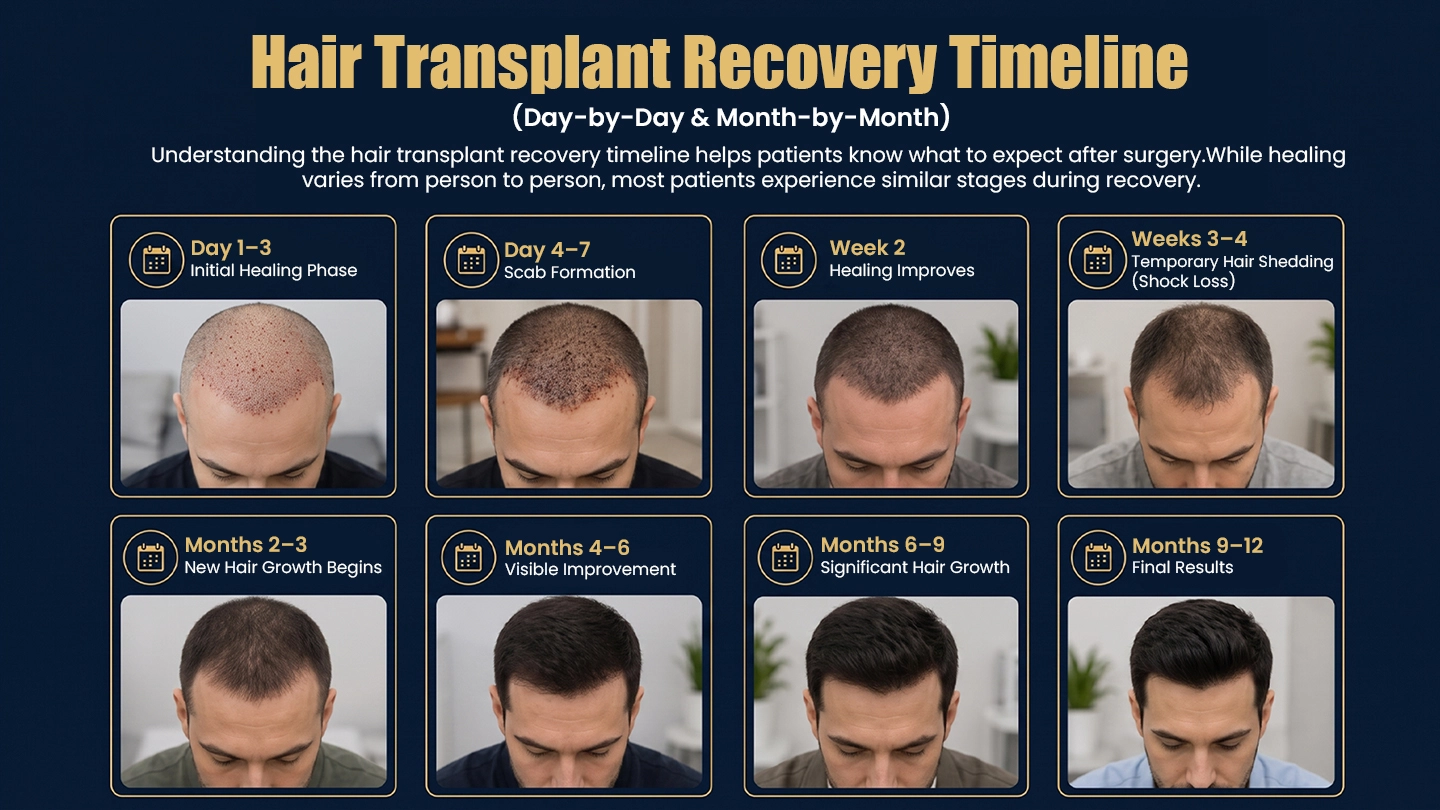
After hair transplant care in Pune is essential for protecting newly transplanted hair follicles, supporting faster healing, and achieving natural-looking, long-lasting results. The first few weeks after a hair transplant are crucial, as the grafts need time to settle and establish a healthy blood supply.
Following your surgeon’s aftercare instructions, taking prescribed medications, maintaining proper scalp hygiene, and avoiding activities that may disturb the grafts can help ensure a smooth recovery. While the healing process varies for each patient, understanding the recovery timeline, aftercare guidelines, and precautions can help you achieve the best possible outcome after an FUE or FUT hair transplant.
At Hairfree & Hairgrow Clinic, Dr. Kiran Chotaliya, a leading hair transplant surgeon in Pune, provides personalized recovery guidance to help every patient heal safely and achieve optimal hair growth. Understanding the right precautions after hair transplant in Pune—from protecting the grafts to following activity and diet restrictions—can significantly improve graft survival and overall treatment success. With expert post-operative care and regular follow-up visits, patients receive comprehensive support throughout every stage of their recovery journey.
Hair transplant surgery involves carefully extracting healthy hair follicles from the donor area and implanting them into areas affected by hair loss. Although the procedure is minimally invasive, the scalp requires proper care during the healing period to allow the transplanted follicles to establish a healthy blood supply and grow successfully.
Ignoring post-operative instructions or disturbing the newly transplanted grafts during the initial days may affect the healing process and, in some cases, reduce graft survival. Following the recommended aftercare routine helps protect your investment and contributes to healthier, denser, and more natural-looking hair growth.
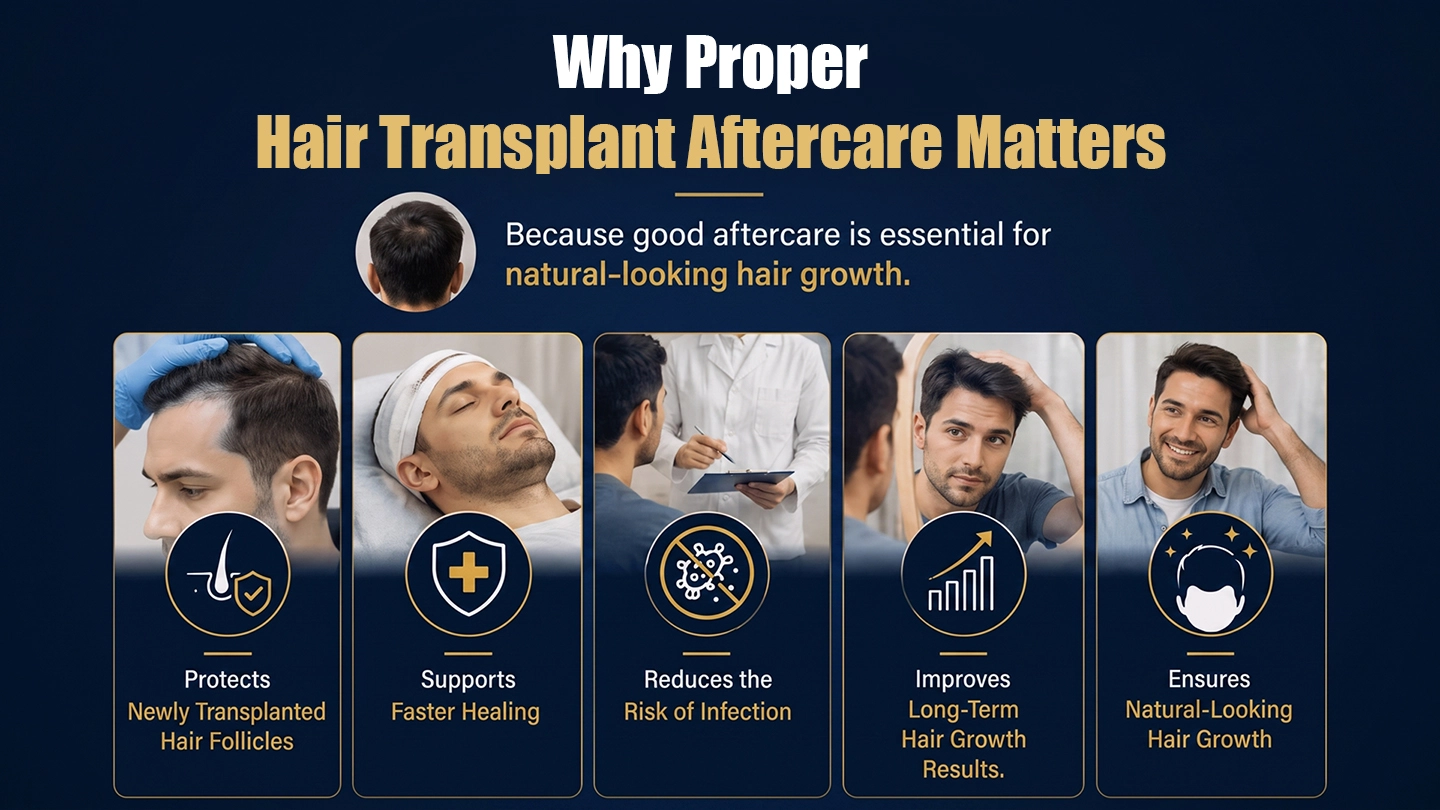
Understanding the hair transplant recovery timeline helps patients know what to expect after surgery. While healing varies from person to person, most patients experience similar stages during recovery.
Day 1–3: Initial Healing Phase
The first three days are the most critical for protecting newly transplanted hair follicles.
Day 4–7: Scab Formation
Tiny scabs begin forming around each implanted follicle as part of the normal healing process.
Week 2: Healing Improves
ents may still experience mild itching, which is generally part of the normal healing process.
Weeks 3–4: Temporary Hair Shedding (Shock Loss)
One of the most common concerns during recovery is shock loss.
Around the third or fourth week, many of the transplanted hairs begin shedding. This can be alarming, but it is a normal part of the hair growth cycle.
Months 2–3: New Hair Growth Begins
During this phase, the transplanted follicles enter a new growth cycle.
Months 4–6: Visible Improvement
This is when noticeable changes begin to see approximately 50–60% of their expected final results..
Months 6–9: Significant Hair Growth
The transplanted hair blends more effectively with existing hair, providing improved coverage.
Months 9–12: Final Results
Between nine and twelve months, the transplanted follicles usually complete their growth cycle.
In some cases, crown area growth may continue improving for up to 15–18 months.
|
Recovery Stage
|
What You Can Expect
|
|---|---|
|
Day 1–3
|
Swelling, redness, tenderness, protect grafts
|
|
Day 4–7
|
Scab formation and mild itching
|
|
Week 2
|
Scabs fall naturally, healing improves
|
|
Week 3–4
|
Temporary shock loss begins
|
|
Month 2–3
|
Early new hair growth
|
|
Month 4–6
|
Noticeable improvement in density
|
|
Month 6–9
|
Significant thickening and growth
|
|
Month 9–12
|
Final visible results
|
Proper hair care after hair transplant in Pune is essential for protecting the newly transplanted hair follicles and supporting a smooth recovery.
The first few weeks after surgery play a significant role in the overall success of the procedure. Following your surgeon’s instructions carefully can help reduce complications, promote healing, and improve long-term hair growth.

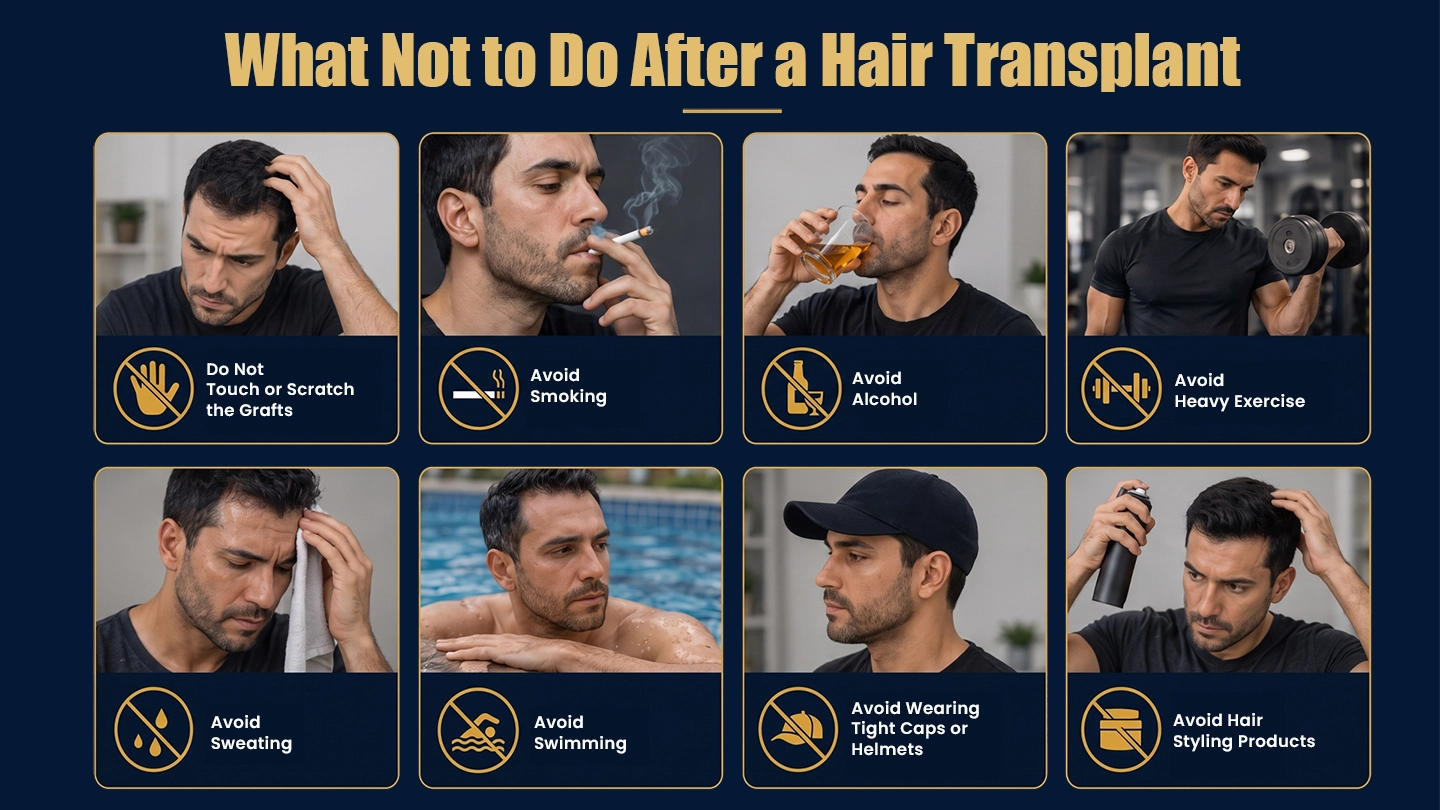
Knowing what to avoid is just as important as knowing what to do. During after hair transplant care in Pune, certain activities can interfere with healing, affect graft survival, or increase the risk of complications.
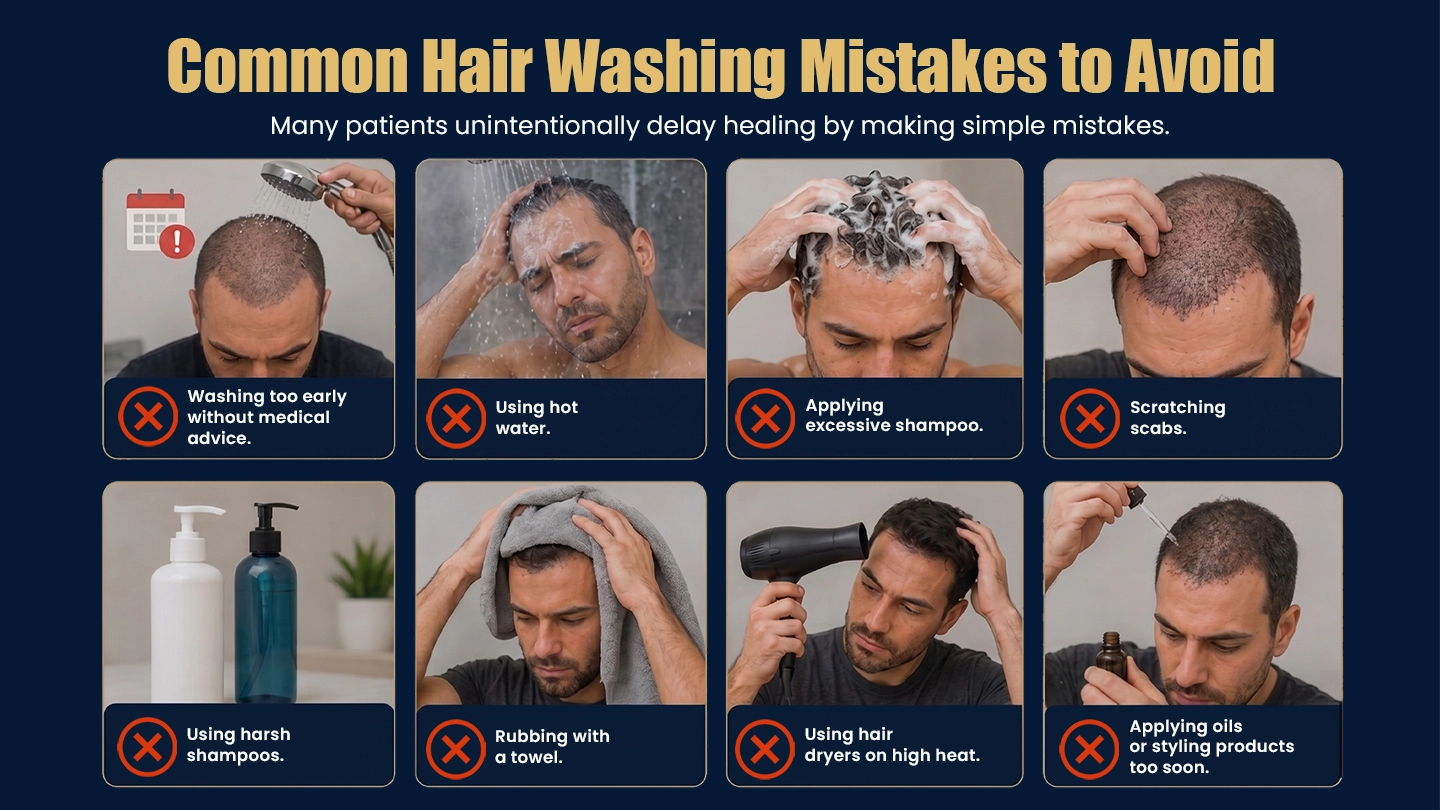
Many patients worry about washing their hair after surgery. Washing correctly helps remove dried blood and scabs while keeping the scalp clean, but it must be done gently to avoid disturbing the grafts.

Many patients unintentionally delay healing by making simple mistakes. Following the right hair care after hair transplant in Pune can help protect the grafts and support a smooth recovery.
Avoid:
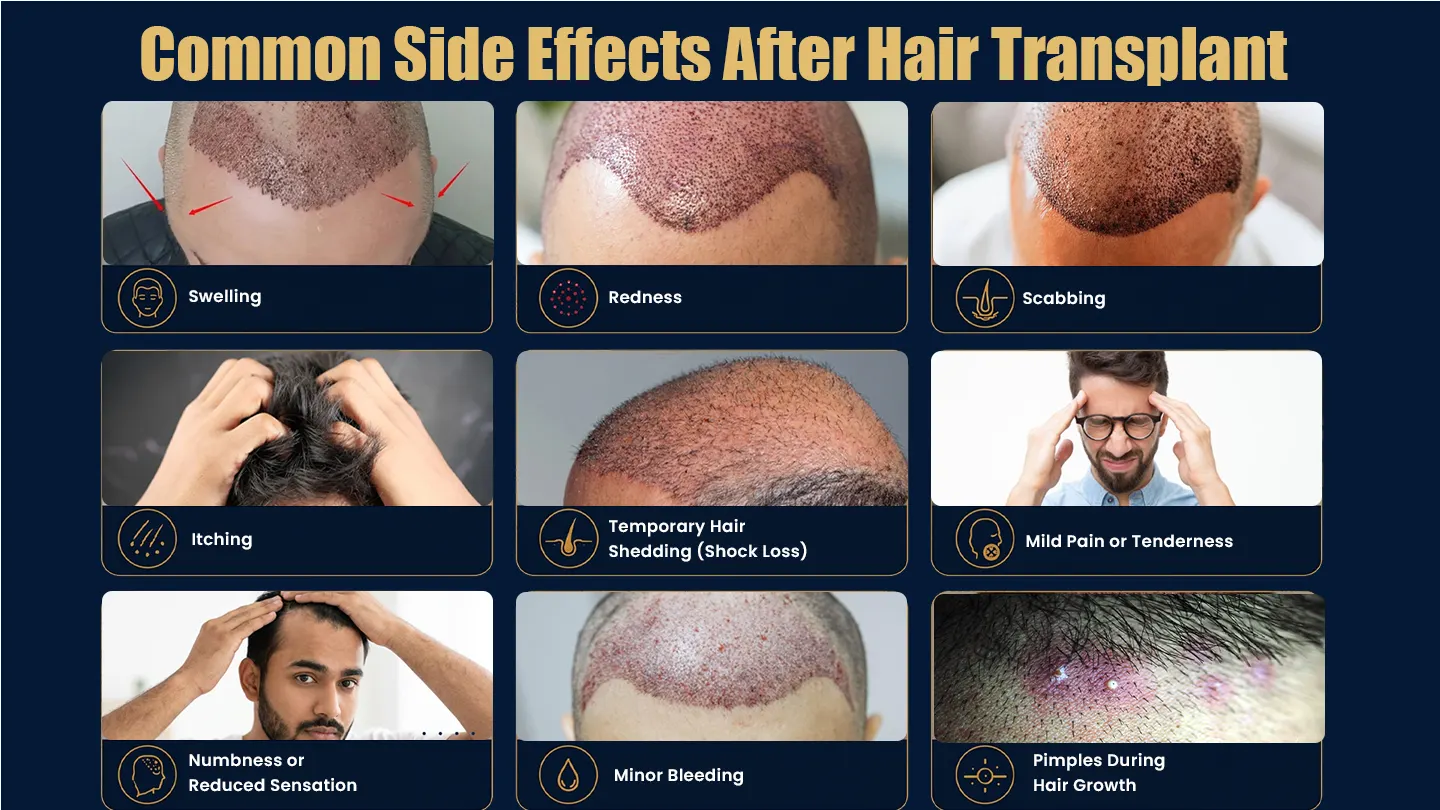
A hair transplant is generally considered a safe and minimally invasive procedure when performed by an experienced surgeon. However, like any surgical treatment, it is normal to experience some temporary side effects during the healing process. Most of these symptoms are mild and improve within a few days or weeks with proper aftercare.
Understanding what is normal after a hair transplant can help reduce anxiety and ensure a smoother recovery. If you experience severe or persistent symptoms, it is important to contact your hair transplant surgeon for evaluation.
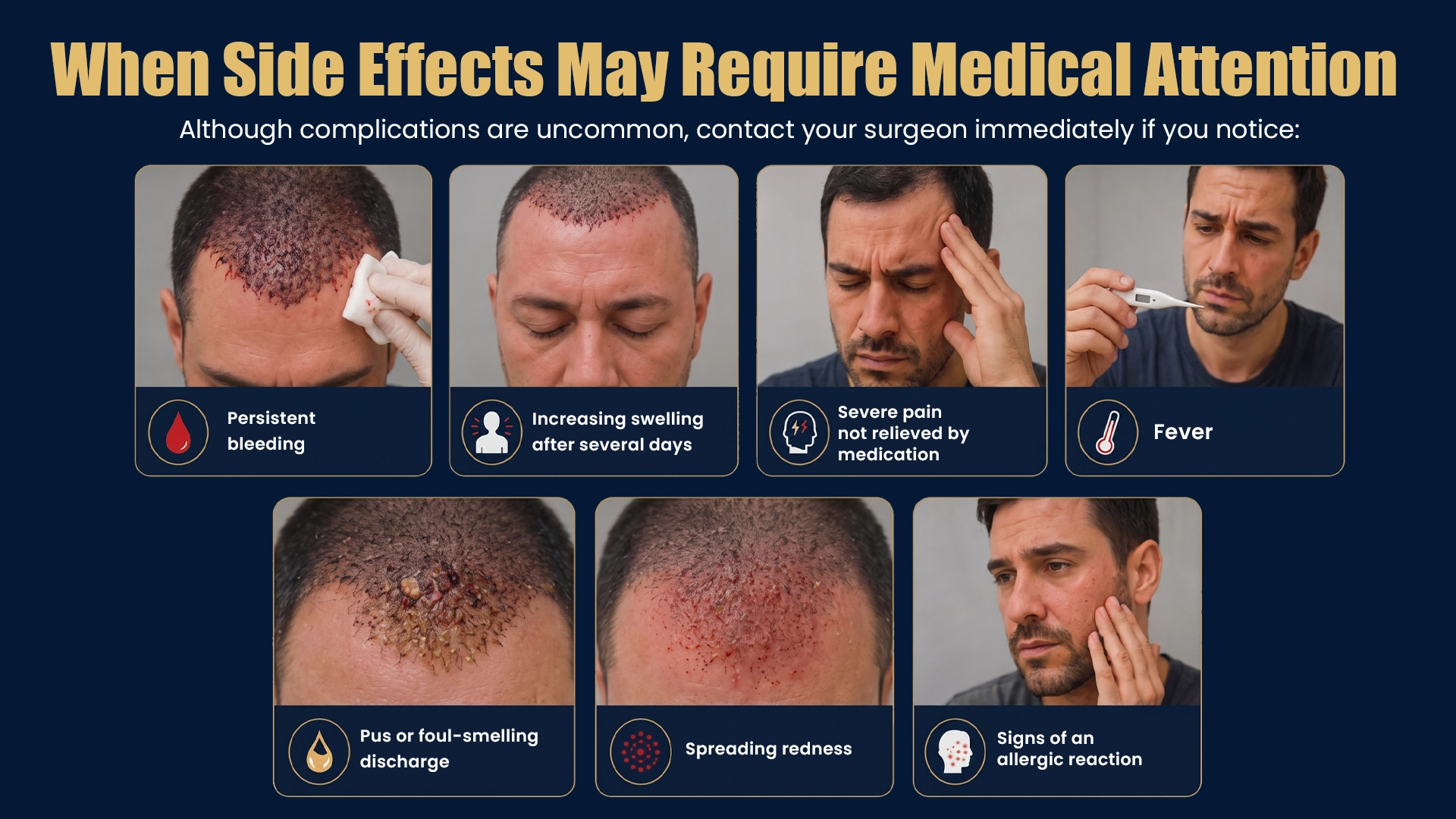
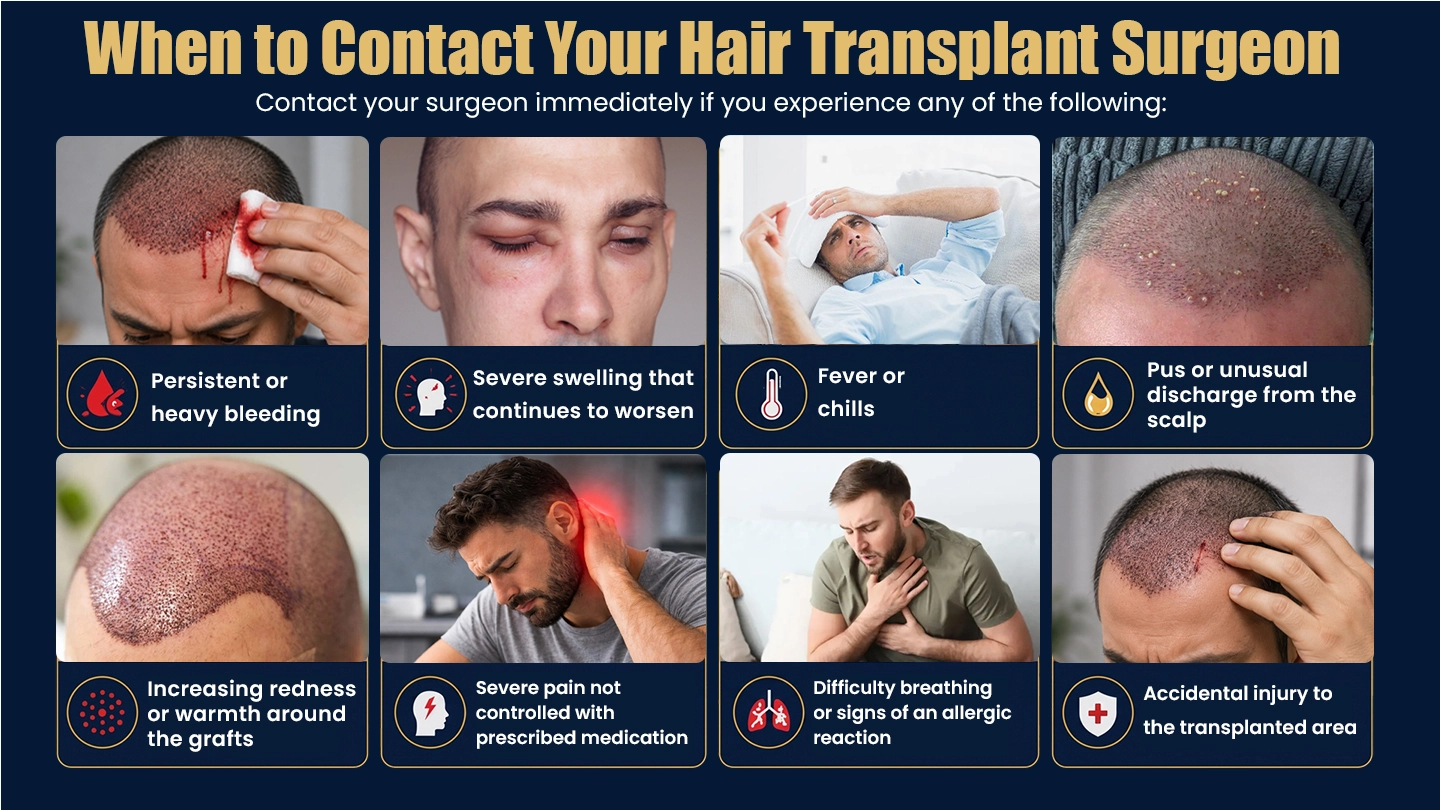
As part of proper post hair transplant care in Pune, contact your surgeon immediately if you notice any of the following warning signs:
Early medical evaluation is an important part of after hair transplant care in Pune, helping prevent complications and ensuring proper healing.
A nutritious diet plays an important role in tissue repair, wound healing, and healthy hair growth after a hair transplant. While no single food can guarantee better results, consuming a balanced diet rich in essential vitamins and minerals supports the recovery process.

Hair is primarily made of keratin, a protein. Consuming adequate protein helps support healing and healthy hair growth.

Iron helps transport oxygen to tissues, supporting healthy scalp circulation and healing.

Vitamin C supports collagen production and wound healing.

Zinc contributes to tissue repair and healthy immune function.

Biotin supports healthy hair and skin.

Healthy fats support scalp health and reduce inflammation.
To support healing, it may be helpful to reduce certain foods and beverages, as part of the recommended precautions after hair transplant in Pune.
Following your surgeon’s dietary advice is the best approach.

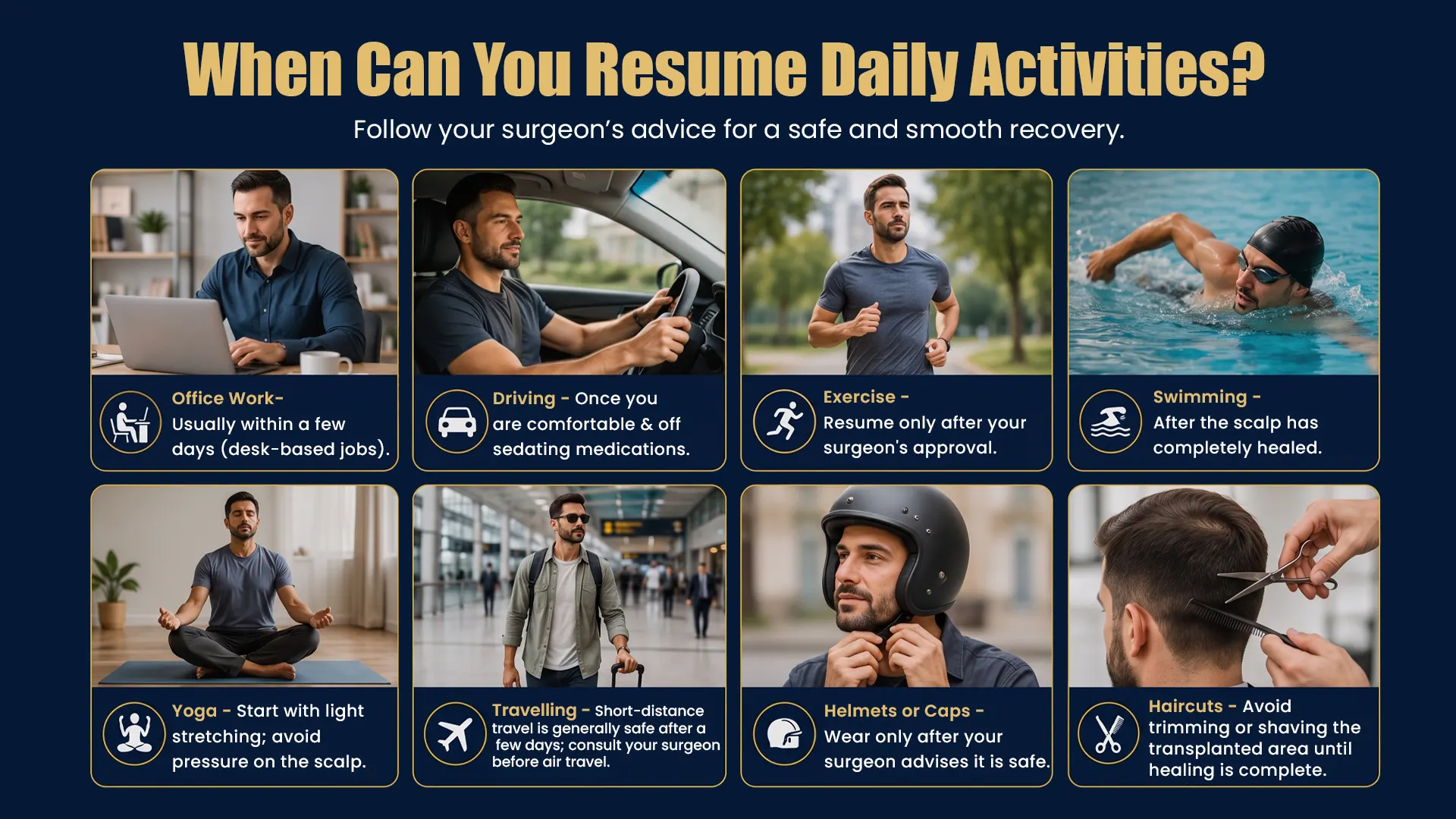
As part of after hair transplant care in Pune, returning to everyday activities should be based on your individual recovery and your surgeon’s advice. The following timelines serve as general guidelines and may vary from person to person.
While most patients recover without complications, you should seek medical advice if you experience any of the following:
During after hair transplant care in Pune, prompt communication with your surgeon helps address any concerns early and supports a smooth recovery.
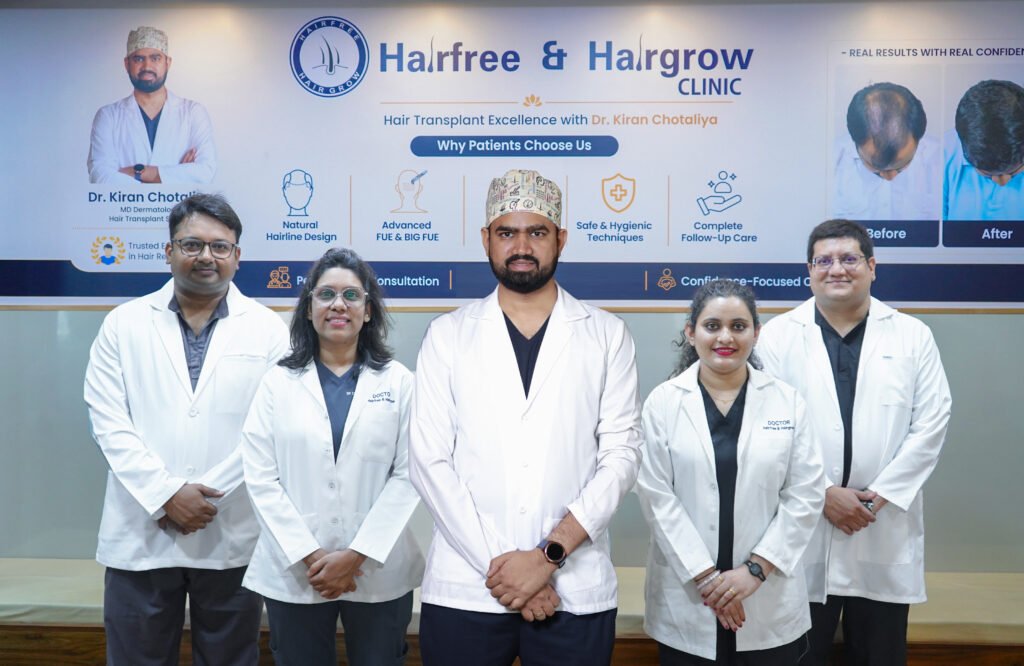
When choosing a hair transplant clinic in Pune, experienced doctors and a skilled medical team are important. Dr. Kiran Chotaliya and his doctors’ team provide advanced hair restoration using techniques such as FUE hair transplant and BIG FUE, selected according to the patient’s hair loss, donor area, and restoration goals. Hairfree Hairgrow offers a dedicated operation theatre, modern equipment, trained staff, and strict hygiene and sterilization protocols.
Each procedure is carefully planned for precise graft extraction, natural hairline design, and proper graft placement. For those considering a hair transplant in Pune, Dr. Kiran Chotaliya, his doctors’ team, advanced FUE techniques, and a controlled clinical environment support natural-looking and long-lasting hair restoration results.
Choosing the right hair transplant surgeon is one of the most important factors in achieving natural-looking and long-lasting results. As a trusted FUE Hair Transplant Surgeon in Pune, Dr Kiran Chotaliya combines clinical expertise, advanced hair restoration techniques, and personalized patient care to create treatment plans tailored to each individual’s hair loss pattern and goals.
If you are searching for a “FUE Hair Transplant Near Me”, choosing an experienced specialist can make a significant difference in your results. As a trusted FUE Hair Transplant Surgeon in Pune Dr Kiran Chotaliya is committed to providing personalized care, advanced treatment techniques, and natural-looking hair restoration outcomes tailored to each patient’s unique needs.
Most patients recover within 10–14 days, while complete hair growth and final results usually take 9–12 months.
Yes, mild itching is a common part of the healing process. Avoid scratching the scalp to protect the grafts.
A free experts curated guide that clears all your doubts
about Costs, Results, Pain, Recovery and much more.
Dr. Kiran Chotaliya is a leading hair transplant surgeon in Pune, specializing in advanced techniques like FUE and FUT for natural, lasting results. His expertise and patient-centered care ensure successful hair restoration with exceptional outcomes.
© 2026 Developed & Handle By Dr. Kiran Chotaliya Clinic Team
© 2026 Developed & Handle By Dr. Kiran Chotaliya Clinic Team