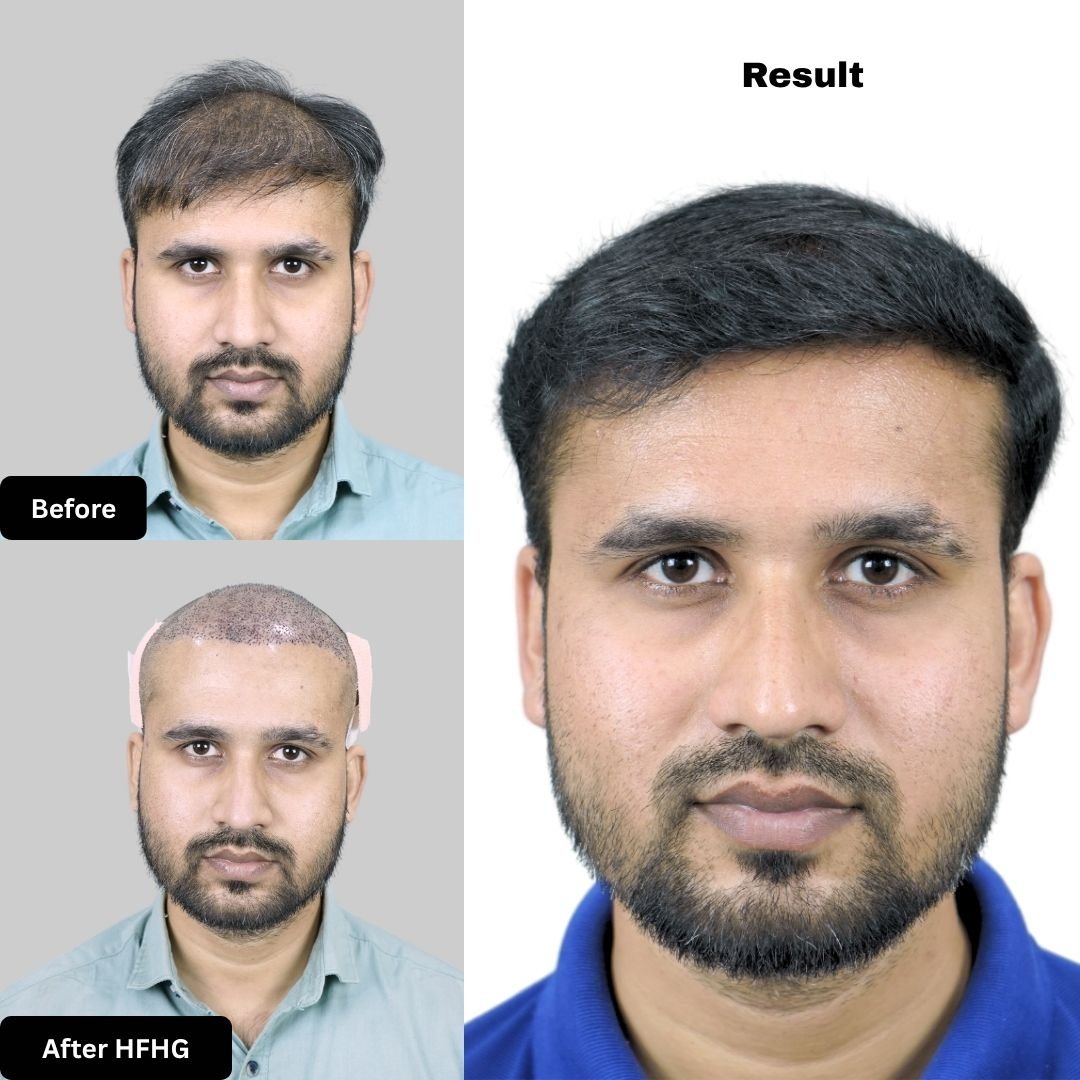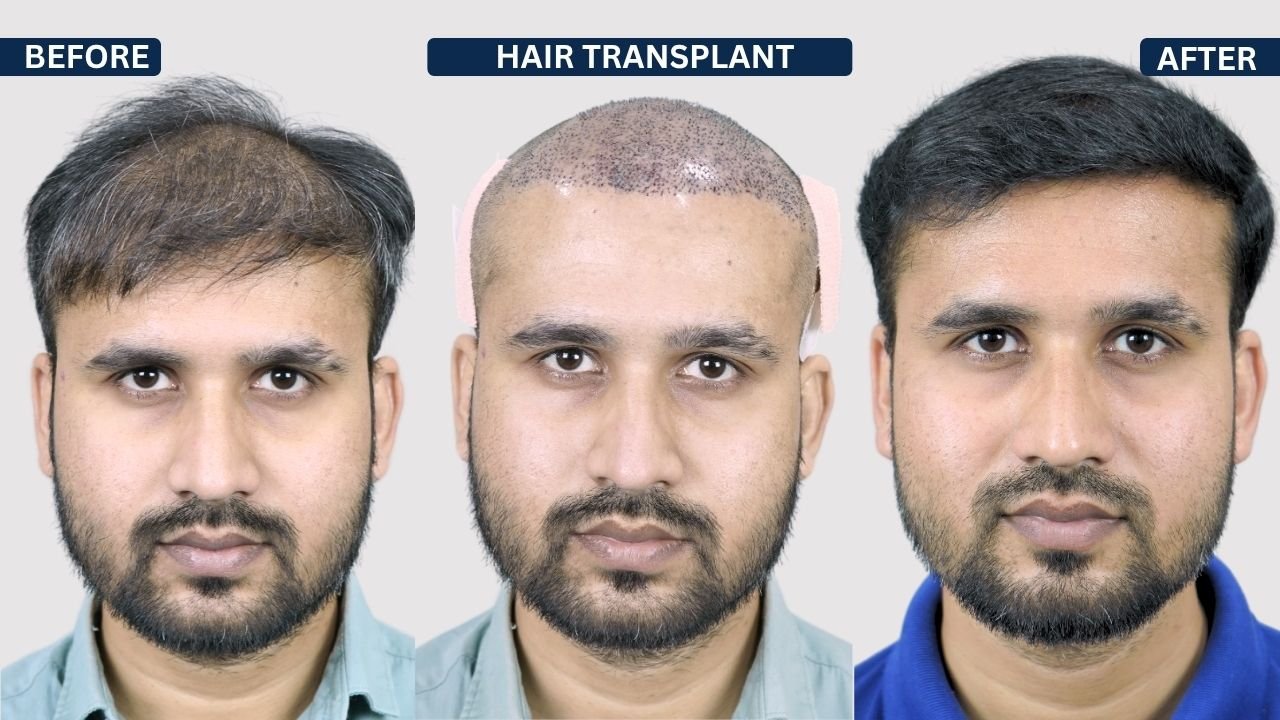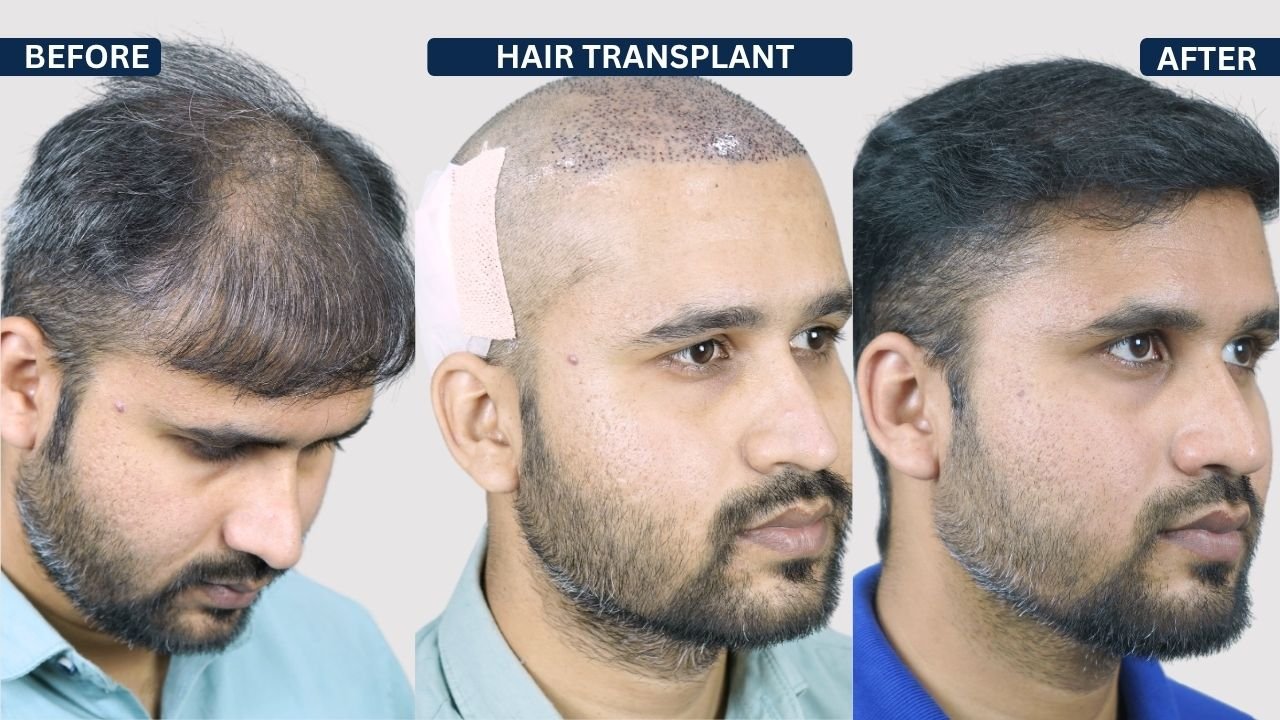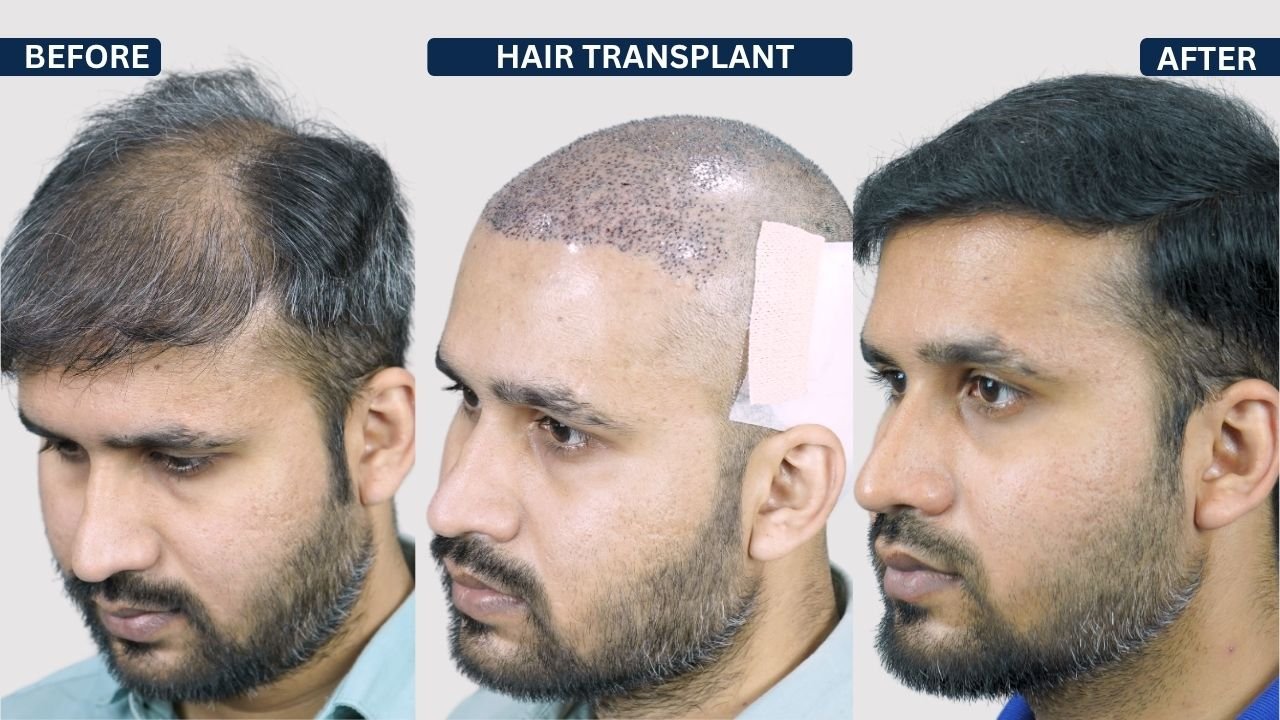


6-Month Hair Transplant Case Study – Grade 3–4 Baldness | 3000 Grafts | I Sapphire FUE

6-Month Hair Transplant Case Study – Grade 3–4 Baldness | 3000 Grafts | I Sapphire FUE

Written by: Dr. Kiran Chotaliya Editorial Team  ·  Reviewed by: Dr. Kiran Chotaliya, M.D. Dermatologist & Chief Hair transplant Surgeon  ·  Hairfree & Hairgrow Clinics, India  ·  Updated September 2026

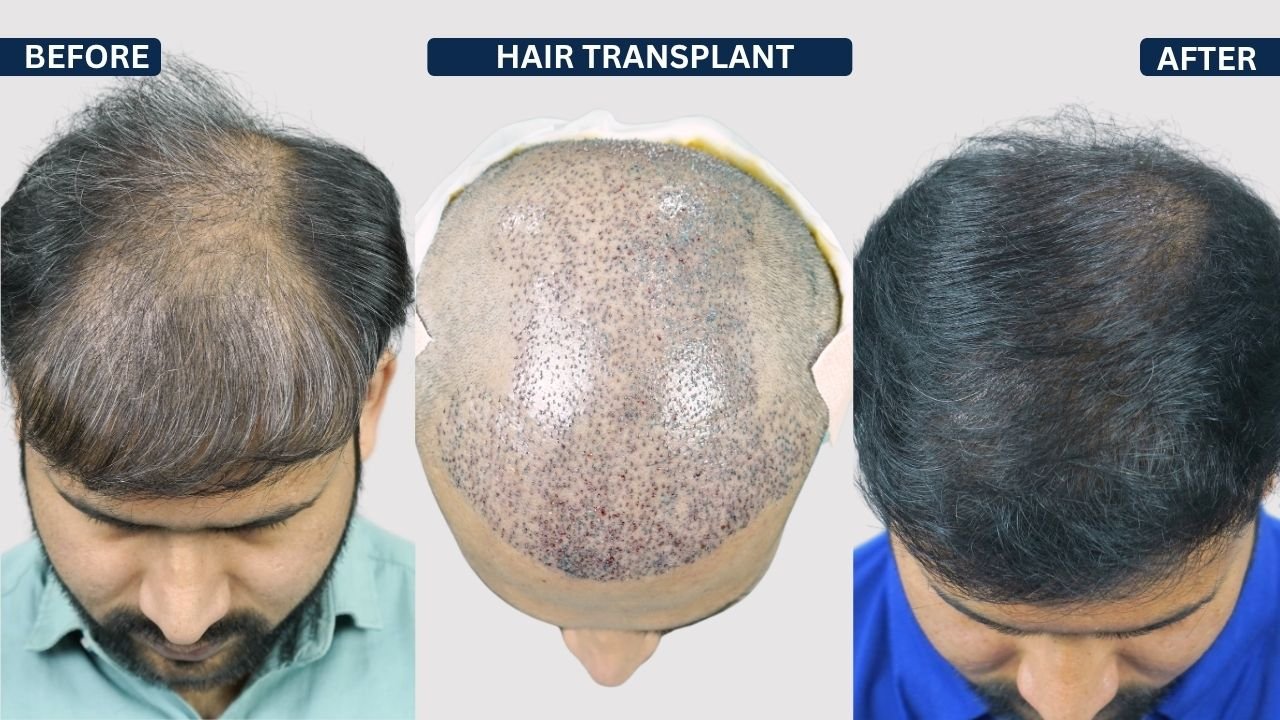
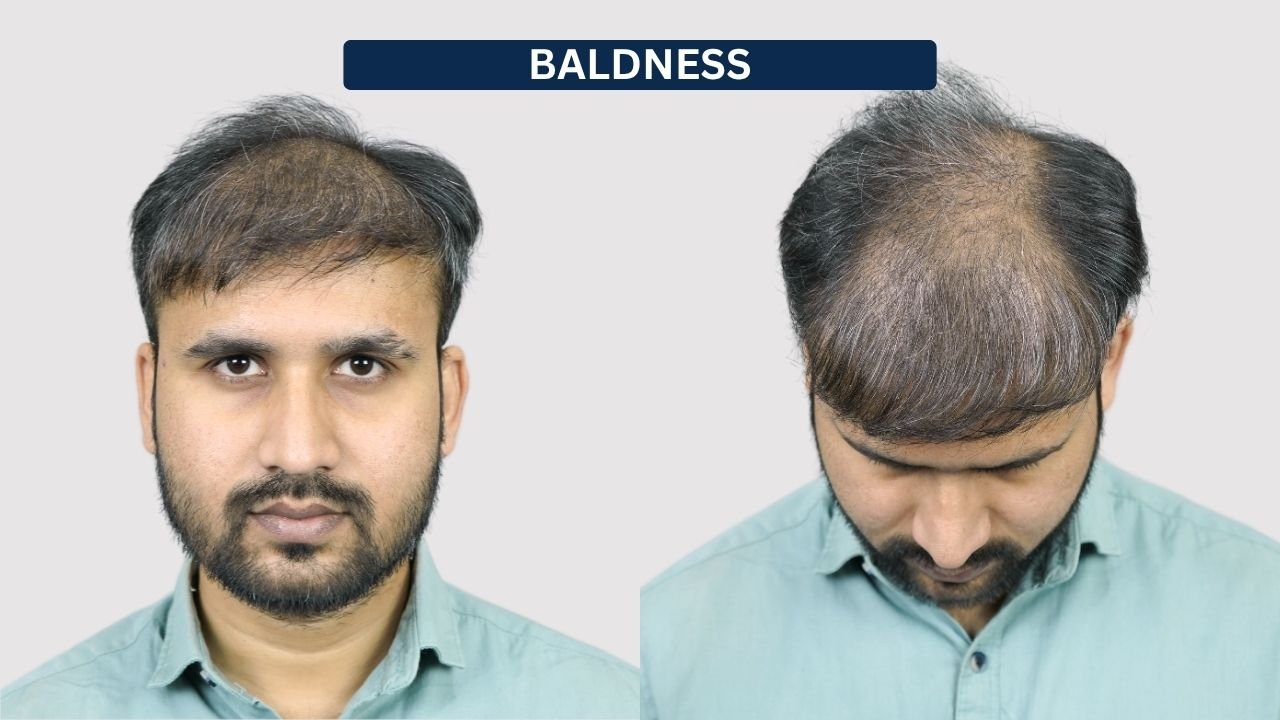
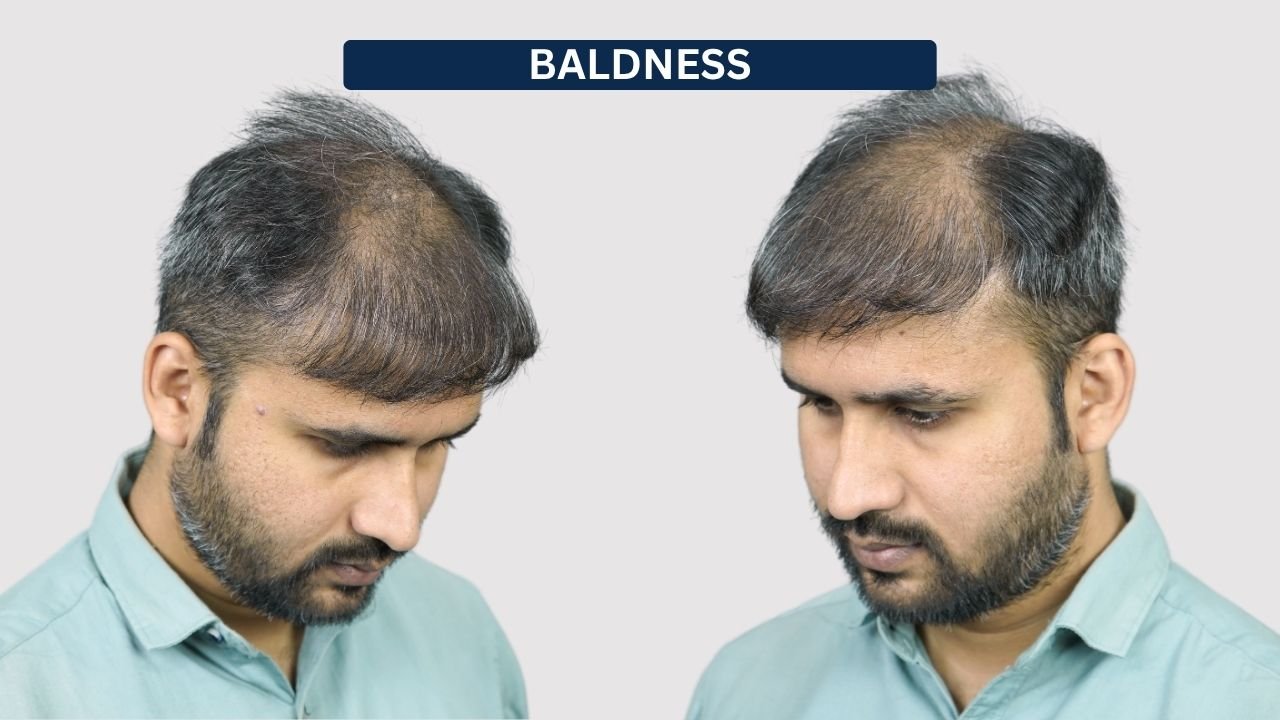
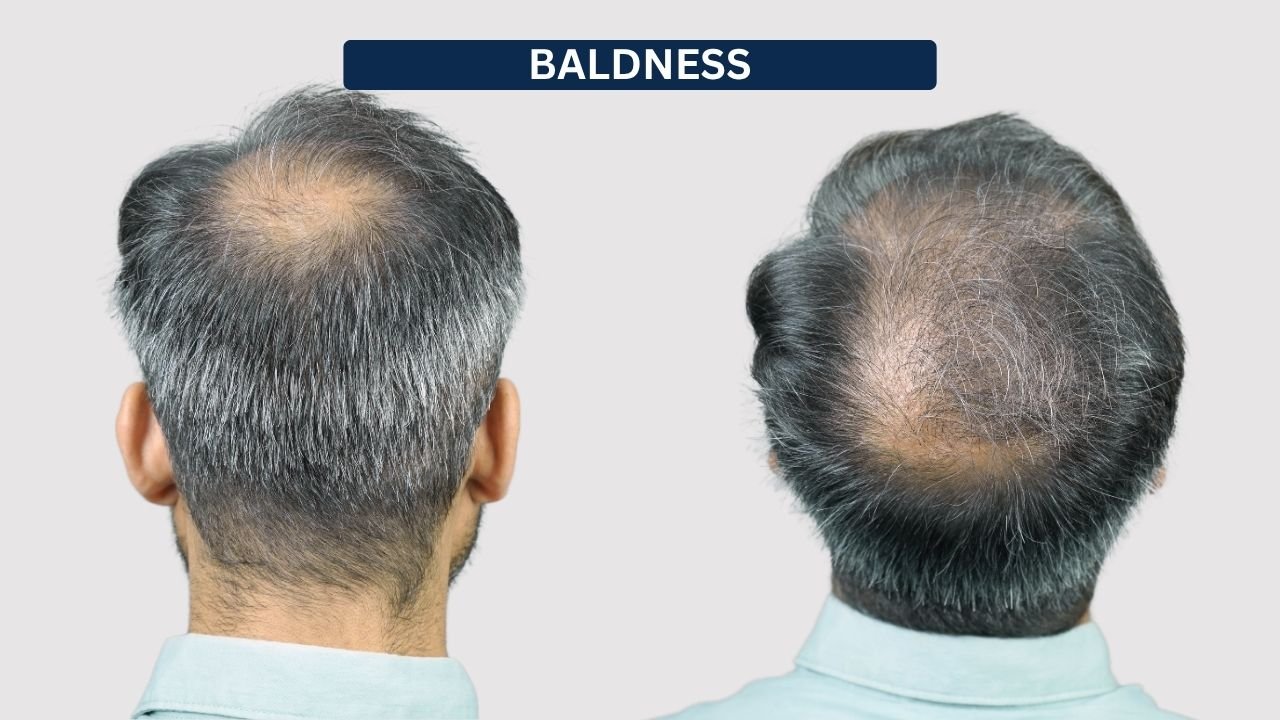
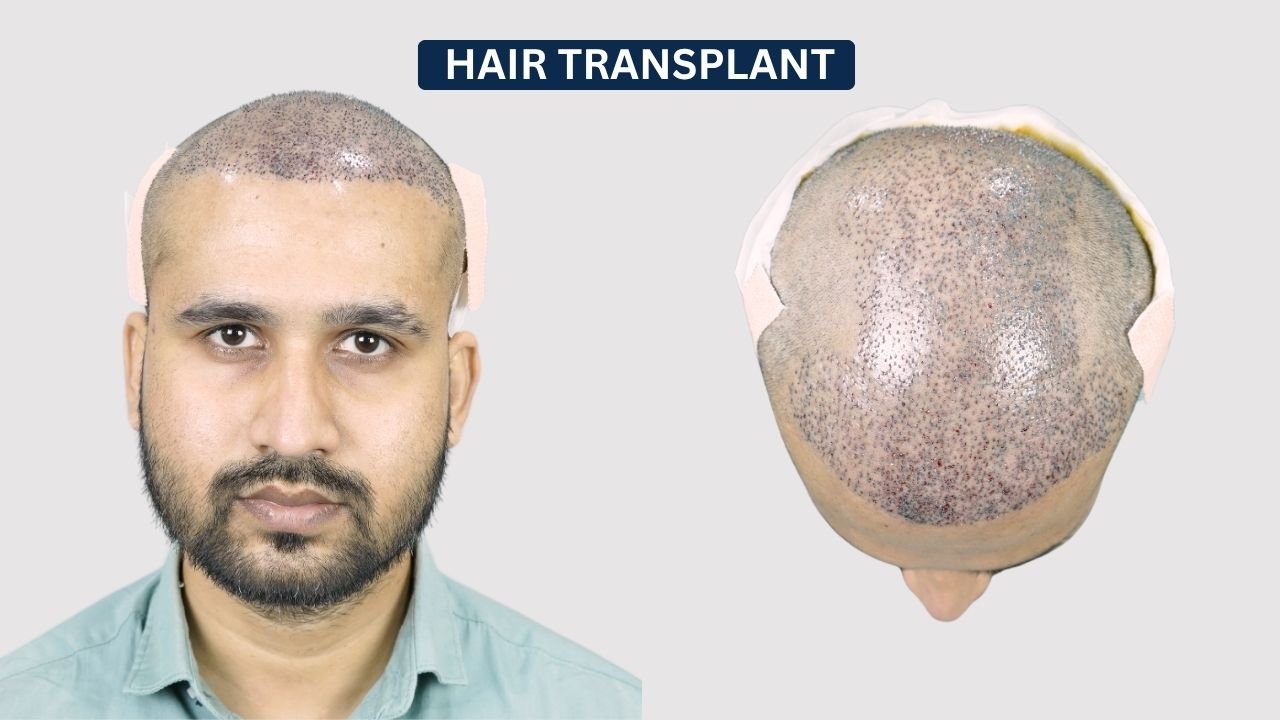
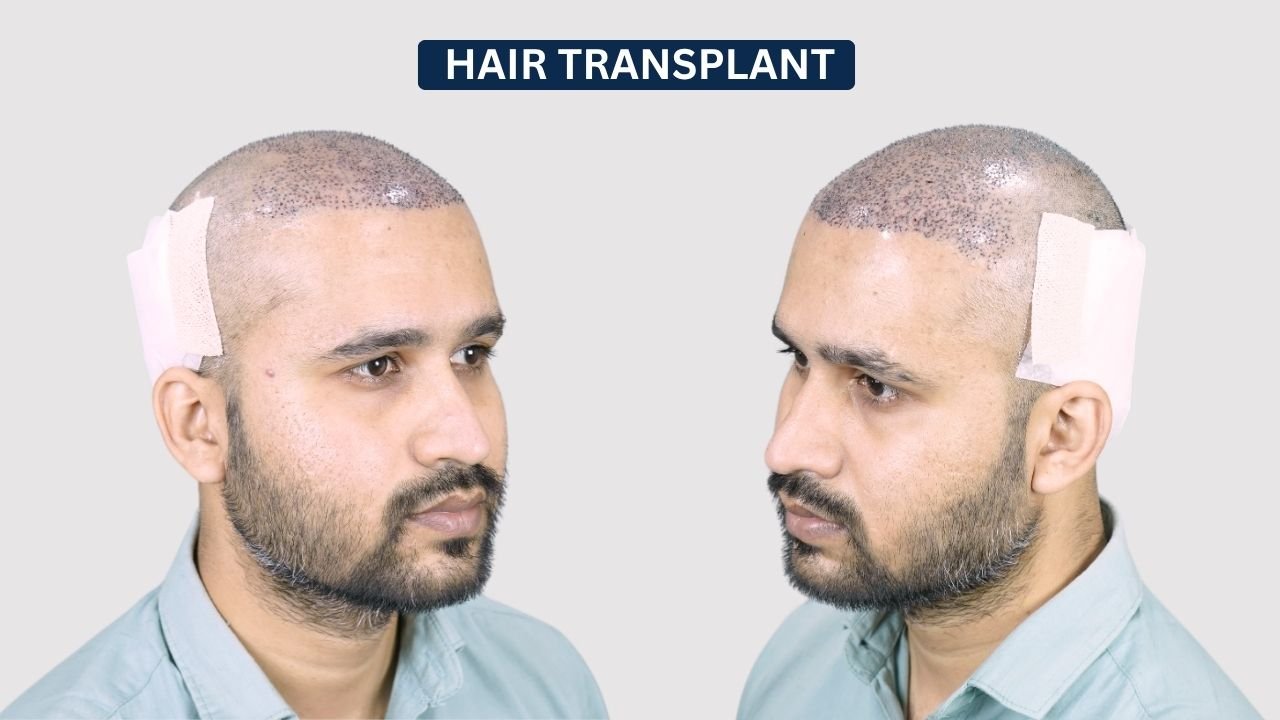
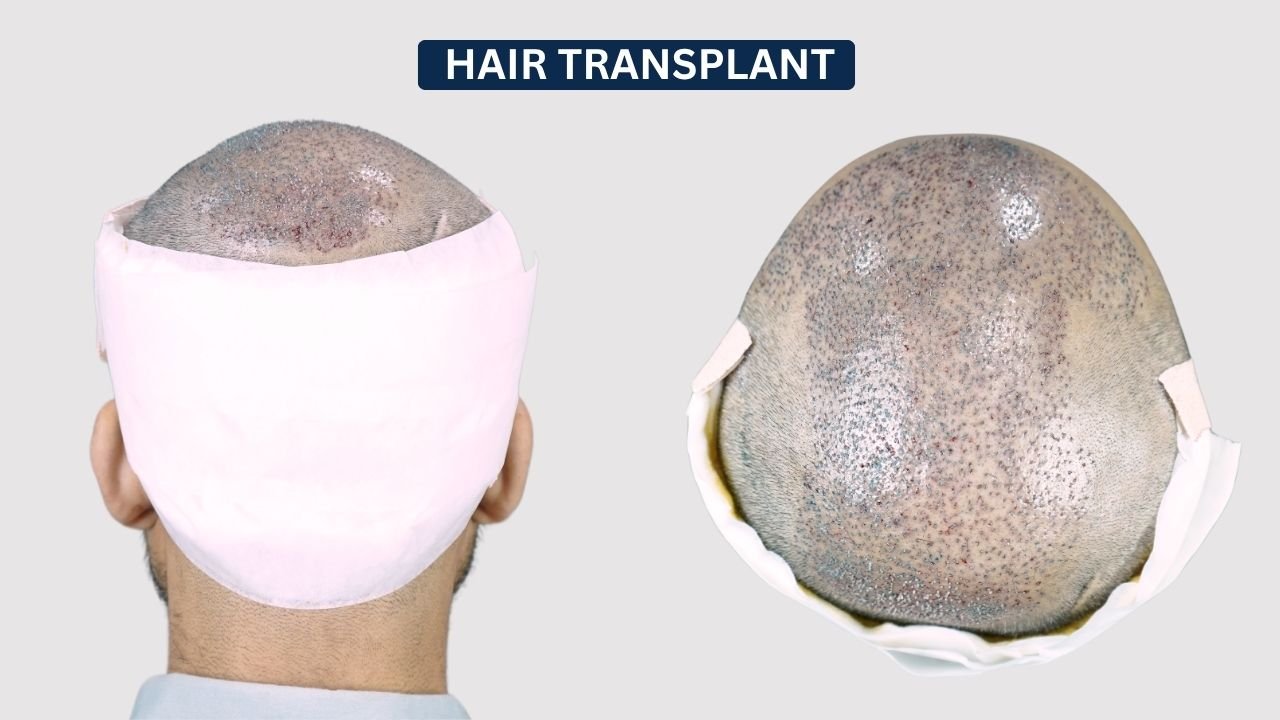
This case study follows the 6-month hair restoration journey of a 29-year-old male with approximately 5 years of progressive hair loss. The patient had already undergone a front hairline hair transplant around 5 years earlier, but continued to experience thinning and reduced coverage in the frontal and top scalp areas.

After clinical evaluation, a second hair restoration procedure was planned for his current Grade 3–4 baldness pattern. The treatment plan included approximately 3000 grafts using the I Sapphire FUE technique, followed by supportive care with Minoxidil, PRP and vitamins.

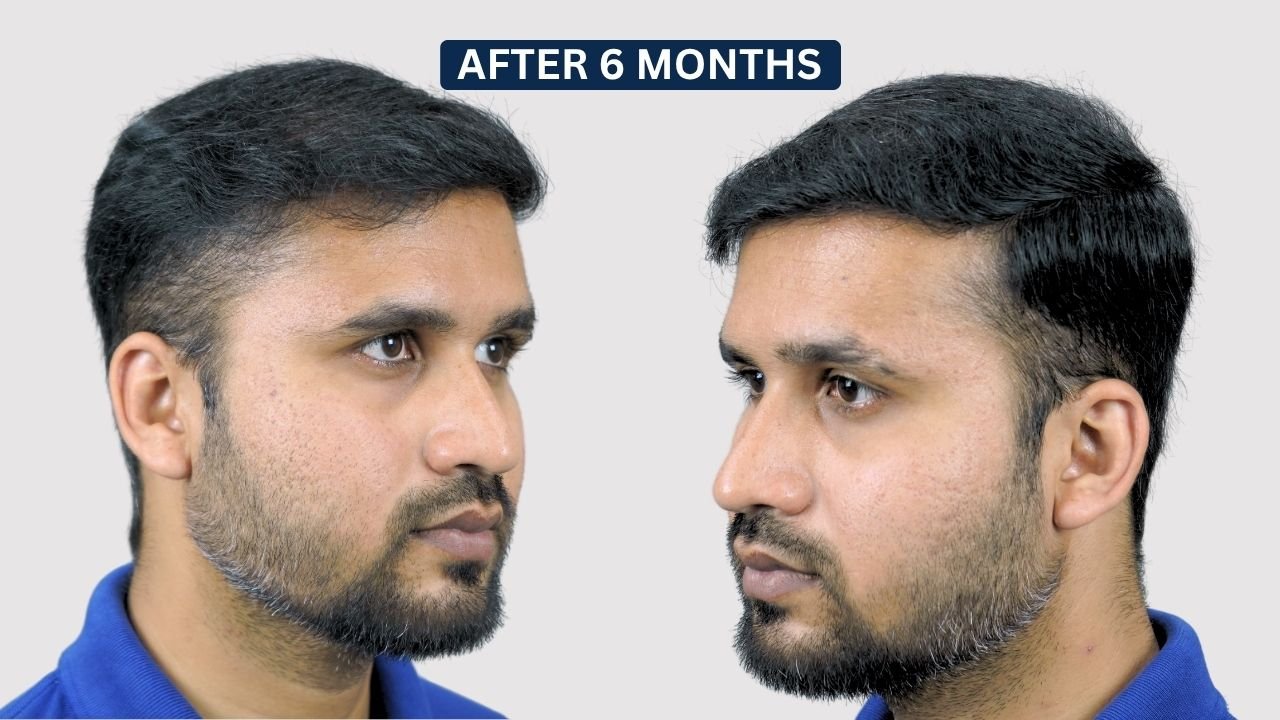
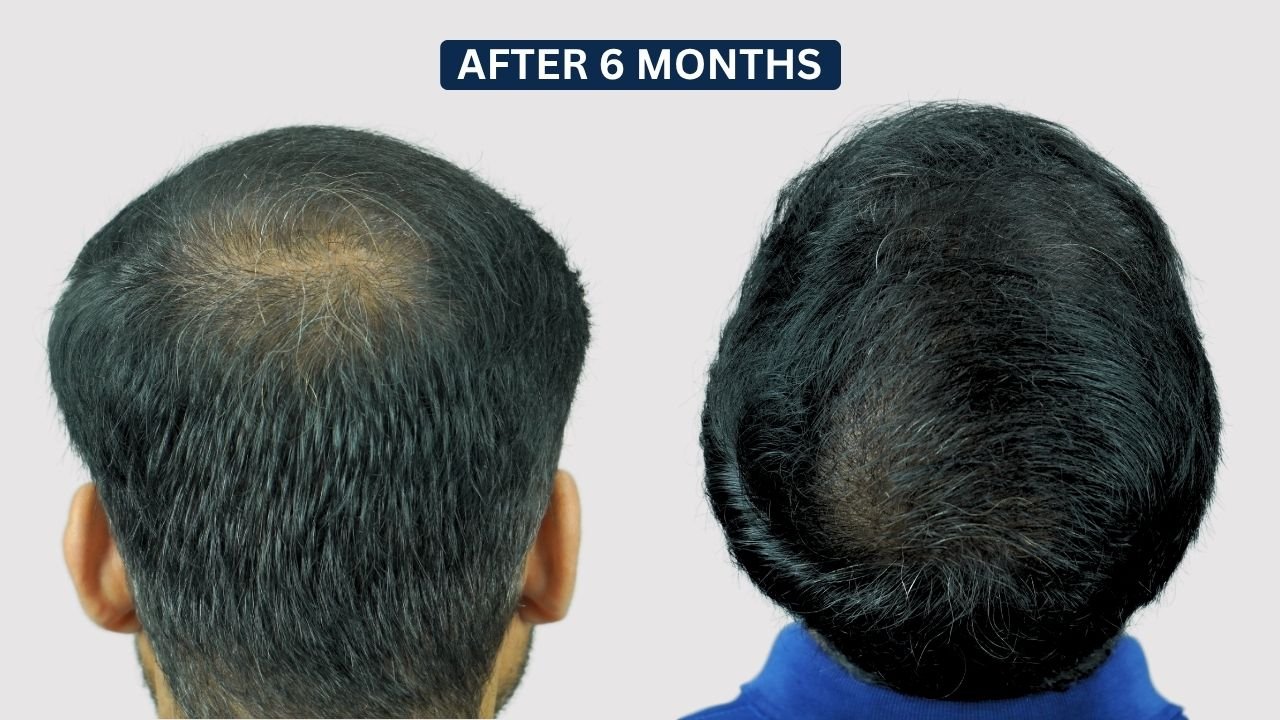
At 6 months, the patient is still in the developing phase of his hair-transplant journey. The uploaded material does not include dedicated 6-month result photographs, so the timeline below should be presented as the patient’s treatment journey framework rather than a claim about exact visible density.

Patient Consent Notice

This case study should be published only with the patient’s appropriate consent.

Hair transplant outcomes vary from patient to patient depending on factors such as hair-loss pattern, donor quality, graft characteristics, healing response, beard characteristics, post-treatment care, and individual growth cycles.

The 5-month result represents an intermediate stage rather than the final outcome.

Patient Profile & Diagnosis

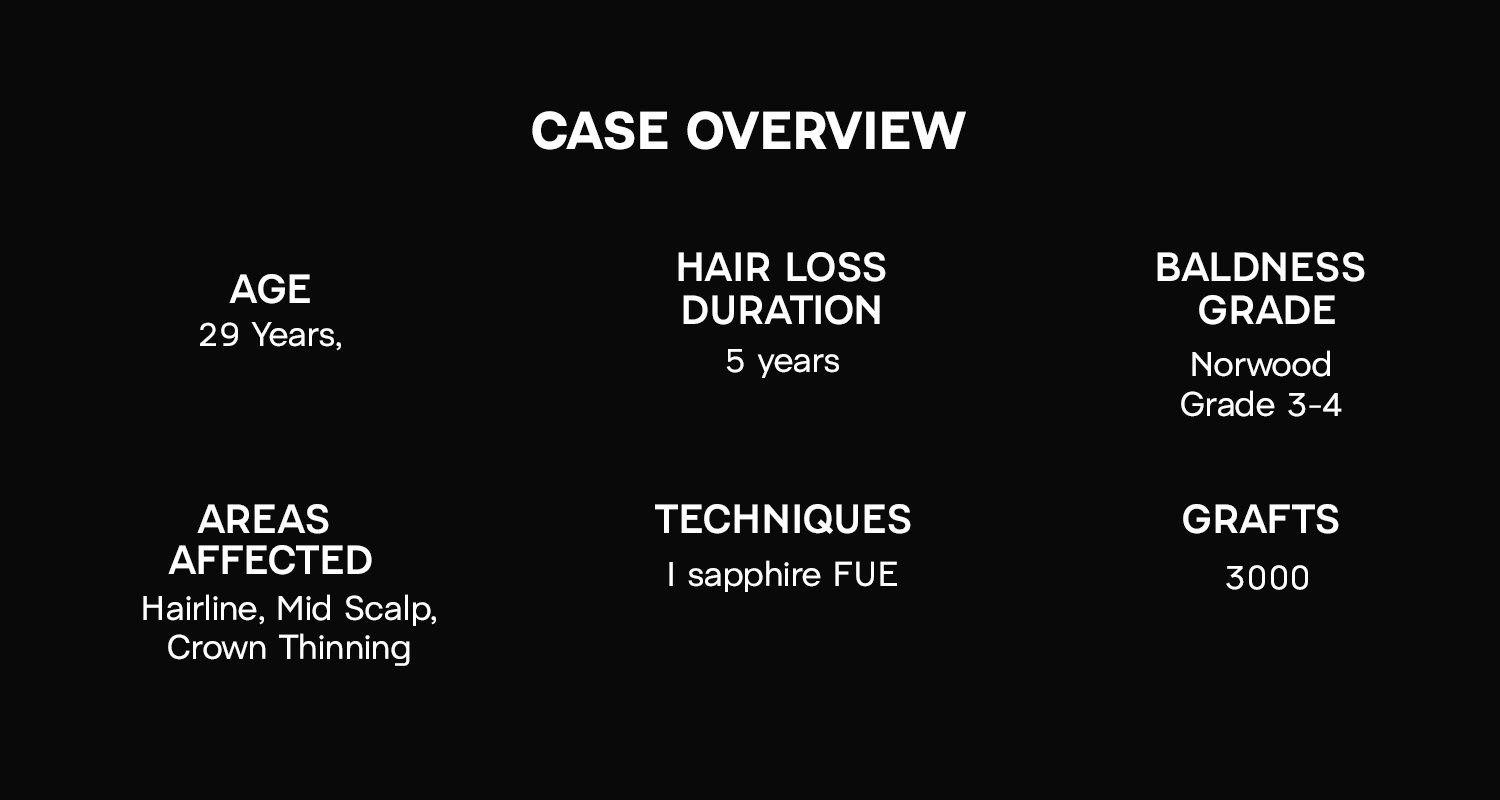
The patient was a 29-year-old male who had been experiencing hair loss for approximately 5 years.

Patient Details

  • Age: 29 years
  • Duration of Hair Loss: 5 years
  • Grade of Baldness: 3–4
  • Medical History: No significant history reported
  • Personal Habits: No significant habits reported
  • Previous Hair Treatment: Front hairline hair transplant approximately 5 years earlier

Because he had already undergone a previous hairline transplant, the new treatment required careful planning to work around the existing transplanted hair while improving the remaining areas of thinning.

Case Overview

Age, City

47 Years,
Pune, India

Hair Loss Duration

12–15 Years

Baldness Grade

Norwood
Grade 4–5

Areas Affected

Hairline,
Mid Scalp,
Crown Thinning

Techniques

Big FUE

Grafts

3220+

Primary Hair Loss Concerns & Expectations

The main concerns in this case included:

  • Continued hair thinning despite an earlier hairline transplant
  • Reduced density behind the previously transplanted frontal zone
  • Progressive Grade 3–4 hair loss
  • Visible scalp in thinning areas
  • Need for better frontal and top scalp coverage
  • Desire for improved overall density
  • Need to preserve available donor hair for long-term hair-loss progression

The treatment goal was to complement the previous hairline transplant rather than unnecessarily redesigning areas that had already been treated.

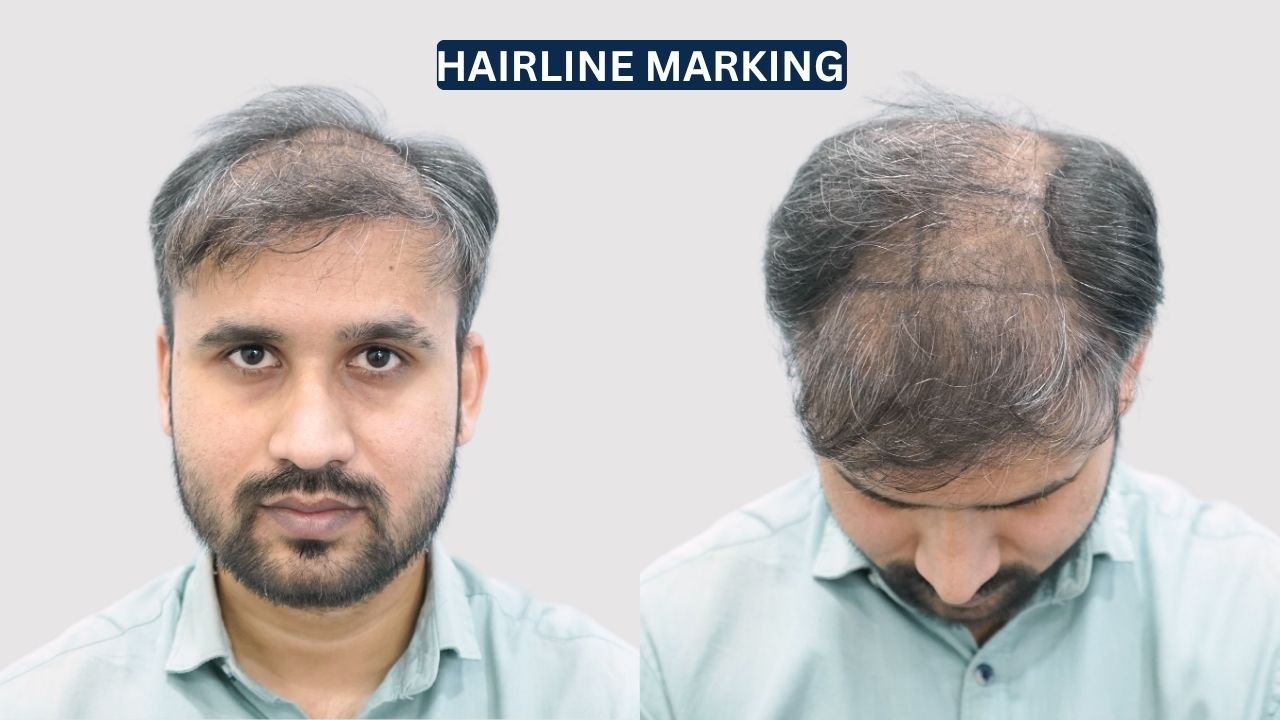
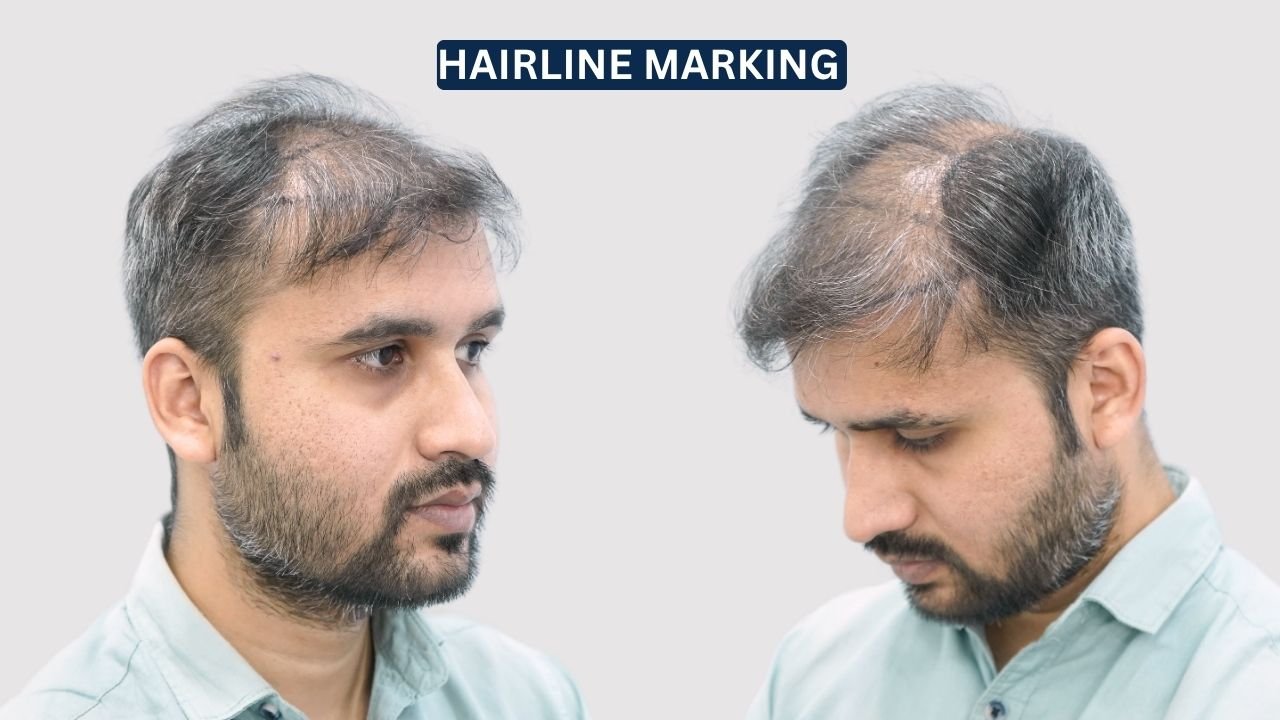
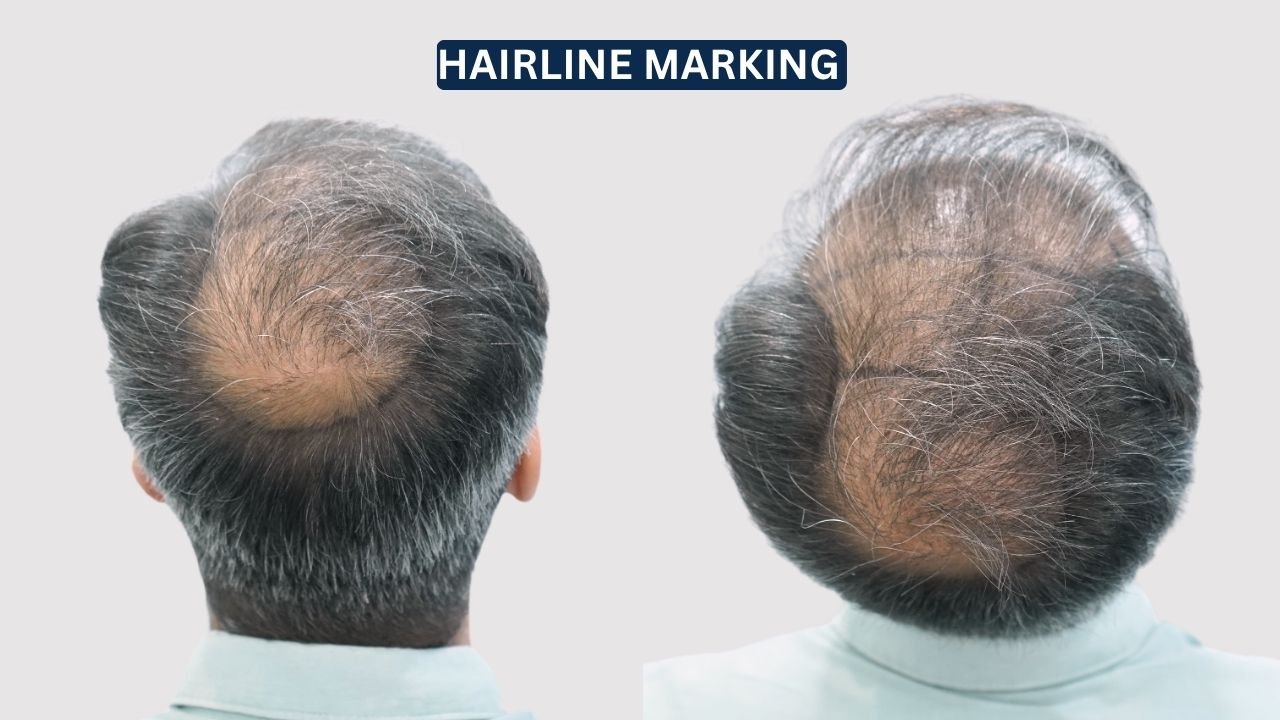
Clinical Assessment & Hairline Designing

A detailed assessment was required because this was not the patient’s first hair transplant.

The evaluation included:

  • Current pattern of hair loss
  • Condition of the previously transplanted frontal hairline
  • Remaining native hair density
  • Scalp examination
  • Donor-area assessment
  • Hair-shaft characteristics
  • Areas requiring additional coverage
  • Graft requirement
  • Long-term progression planning

Clinical Findings

The patient was classified as having Grade 3–4 baldness.

The clinical plan focused on improving coverage while taking the previous frontal transplant into consideration.

Personalized Treatment Plan

Grade of Baldness

Grade 3–4

Technique

I Sapphire FUE

Planned Grafts

Approximately 3000 grafts

Sessions Required

1 session

Post-Care Plan

Minoxidil + PRP + vitamins, as advised by the treating doctor.

Treatment Objectives

  • Improve density in thinning scalp areas
  • Strengthen overall frontal and top scalp appearance
  • Blend the new transplant with the previous frontal hairline
  • Reduce visible scalp
  • Create more even coverage
  • Preserve donor resources
  • Support existing hair with medical maintenance

Surgical Procedure

The procedure was planned using the I Sapphire FUE technique.

Approximately 3000 grafts were planned for restoration of the areas affected by Grade 3–4 hair loss.

Special consideration was required because the patient already had transplanted hair in the frontal hairline from a procedure performed approximately five years earlier.

The strategy therefore focused on improving coverage and integration with the existing hair rather than treating the scalp as a first-time transplant case.

Post-Operative Care

The patient was advised to follow the post-procedure instructions shown in the treatment record:

  • Sleep normally as advised
  • Maintain a healthy diet
  • Avoid direct sunlight during the early recovery period
  • Avoid strenuous exercise for approximately 10–15 days
  • Wear a loose-fitting cap when required
  • Complete prescribed post-transplant medicines
  • Begin head washing according to the clinic’s advised schedule

Post-operative instructions should always be followed according to the treating surgeon’s individual recommendations

Detailed Graft Breakdown for NW3 Restoration

Single Hair Grafts
530
For Natural Hairline
Multi Hair Grafts
2480
Mid Scalp Coverage
Total Grafts Done
3010
Total Grafts Transplanted: (add case specific number)
Parameter
No. of Grafts
Details
Single hair grafts
530
For natural hairline
Multi hair grafts
2480
Mid scalp coverage
Total grafts done
3010

Long-Term Hair Maintenance Plan

Because the patient has progressive hair loss and has already undergone a previous transplant, long-term maintenance is especially important.

The ongoing plan included:

  • Healthy hair-supportive diet
  • Good lifestyle habits
  • Minoxidil or maintenance treatment as advised
  • PRP therapy where recommended
  • Hair vitamins when prescribed
  • Regular follow-up to monitor native hair
  • Consultation if increased shedding or further thinning develops

5-Month Hair & Beard Transplant Growth Timeline

Week 1–2: Initial Healing

During the first couple of weeks, the transplanted area enters the early healing phase.

The patient follows the prescribed medication, washing and scalp-care instructions while the implanted grafts settle.

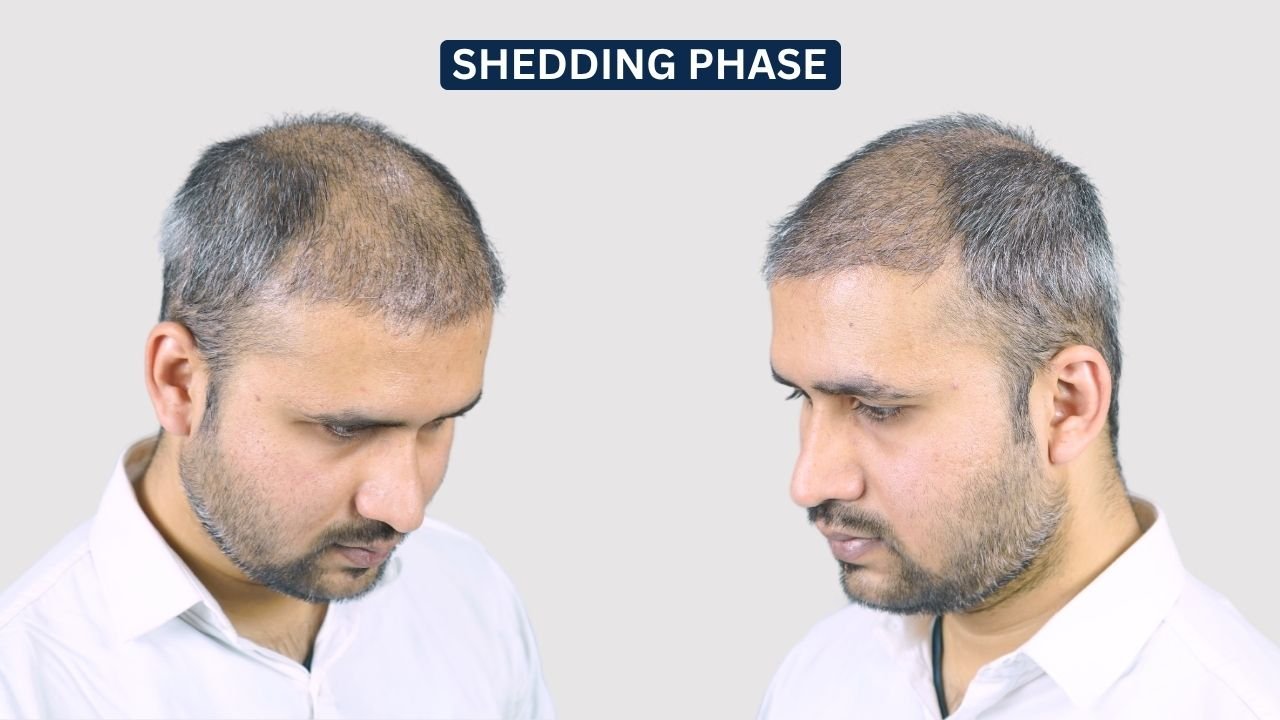
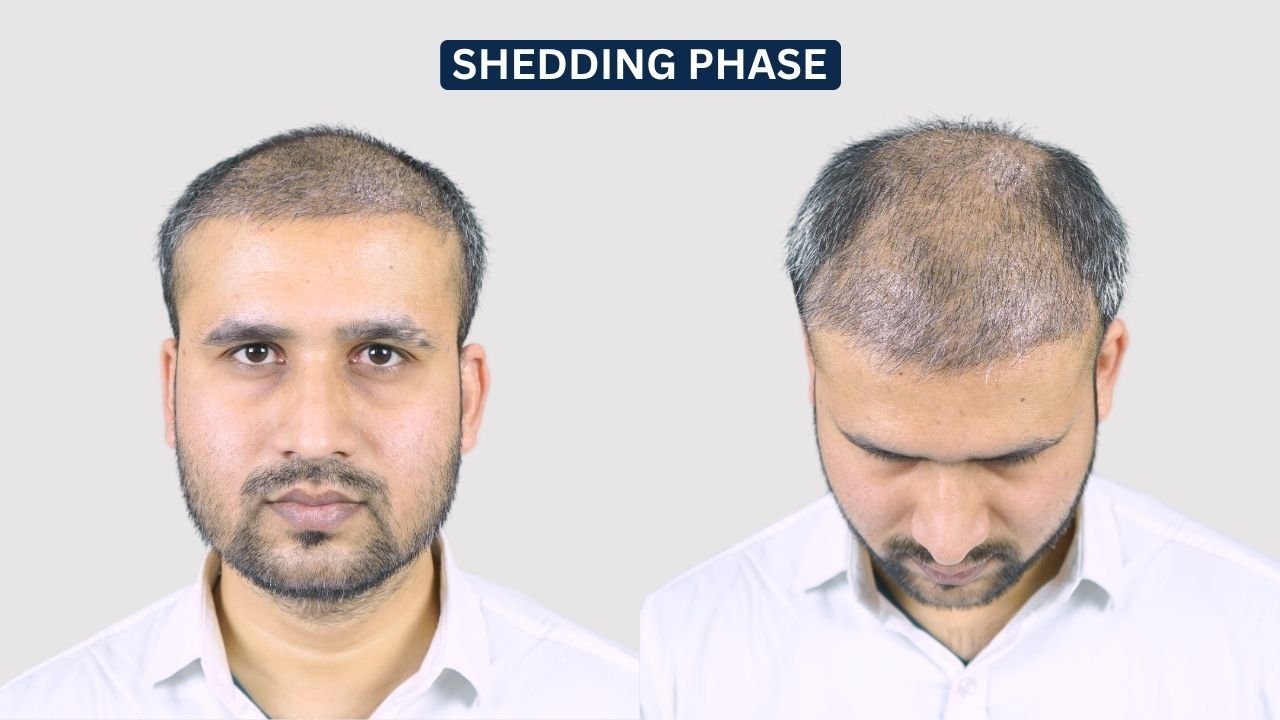
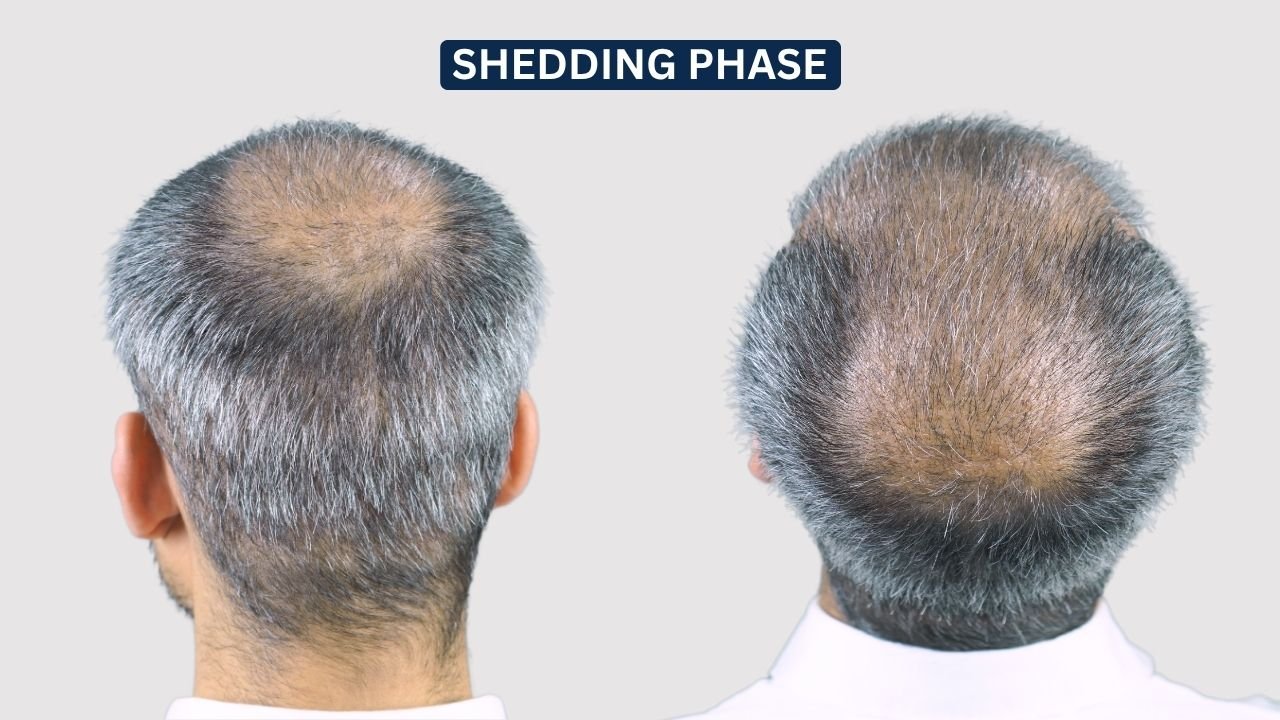
Month 1: Temporary Shedding Phase

Temporary shedding of transplanted hair shafts may occur during the early post-transplant period.

This stage can make the transplanted region appear thinner temporarily, so early appearance should not be considered the final result.

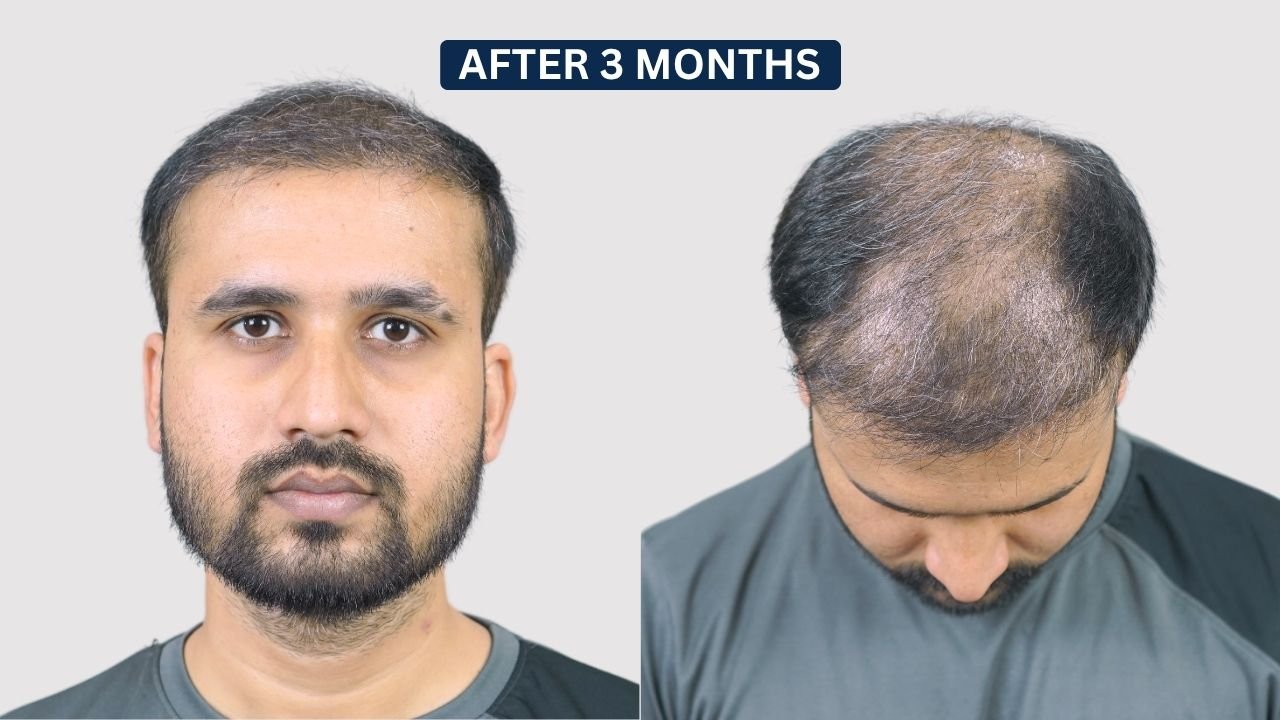
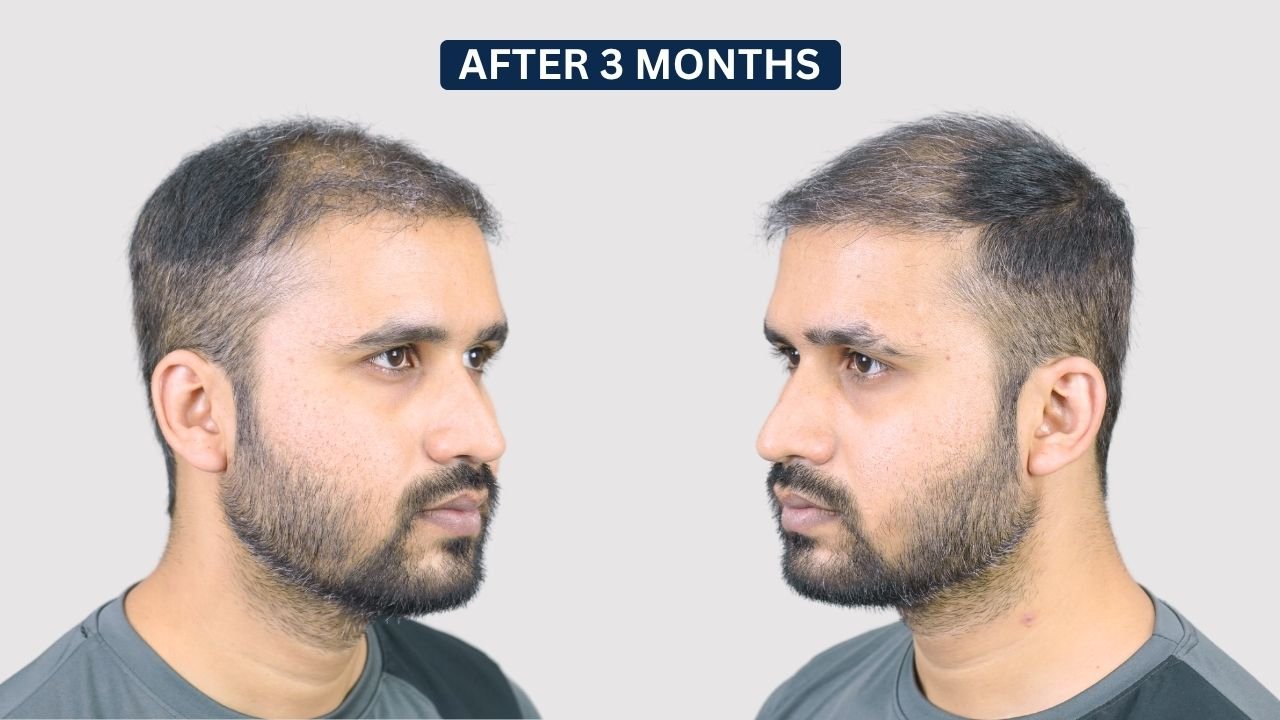
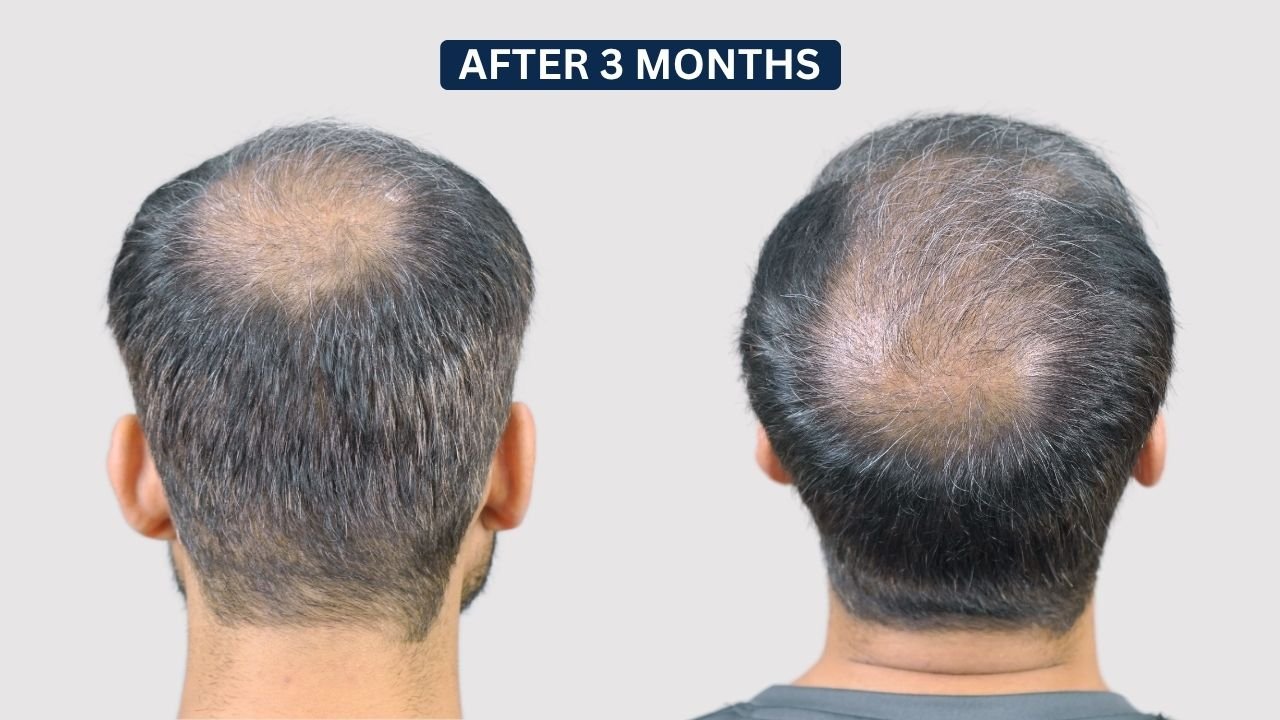
Month 3: Beginning of the Growth Phase

Around this period, some transplanted follicles may begin entering the active growth stage.

Visible change may still be limited and growth can initially appear uneven.

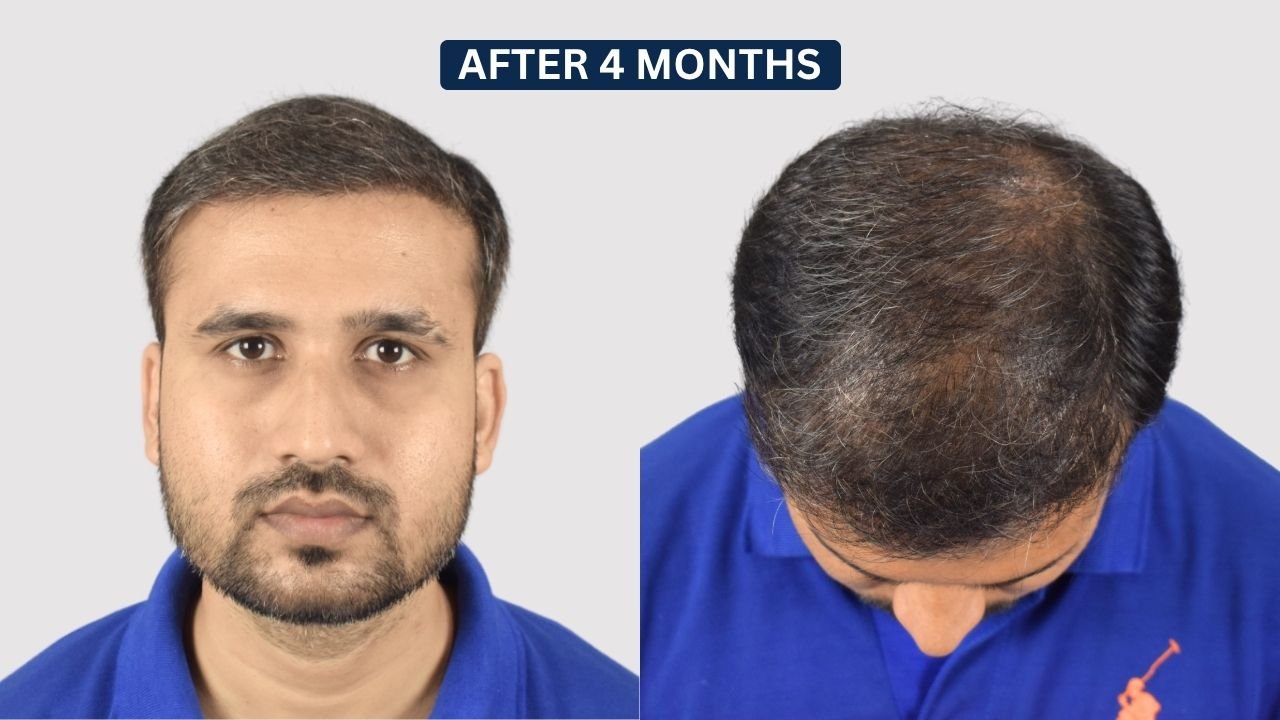
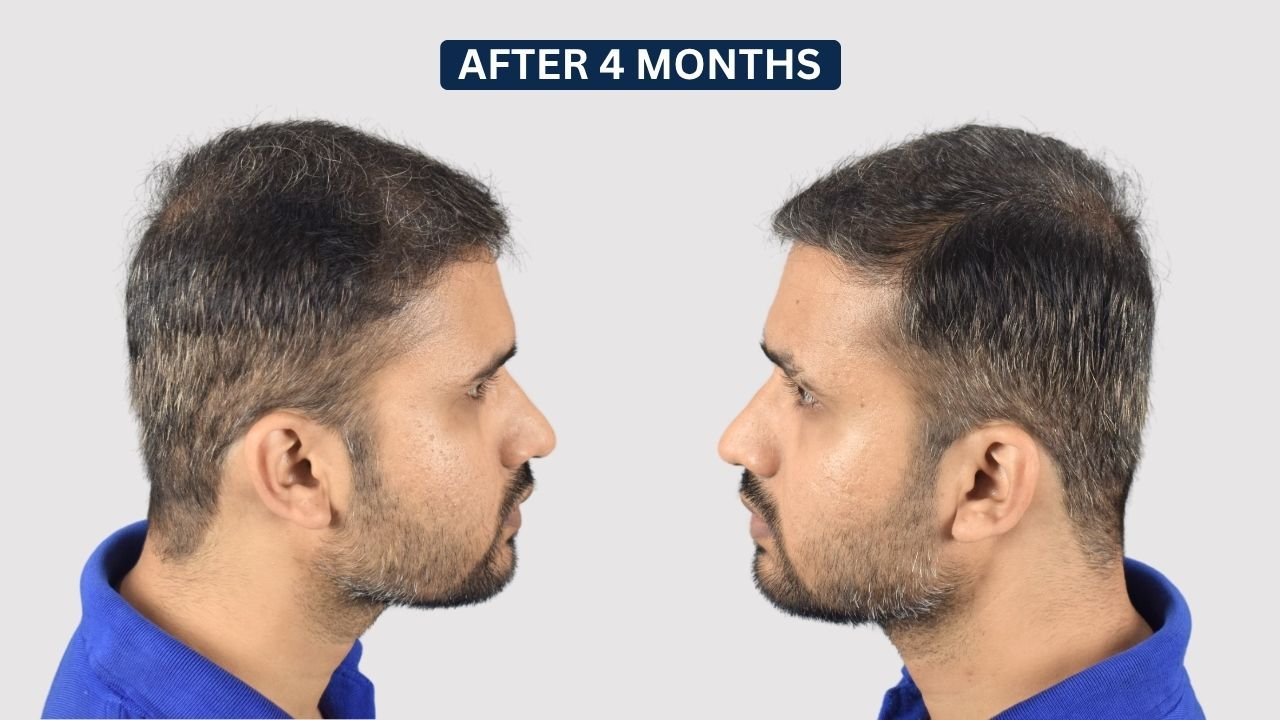
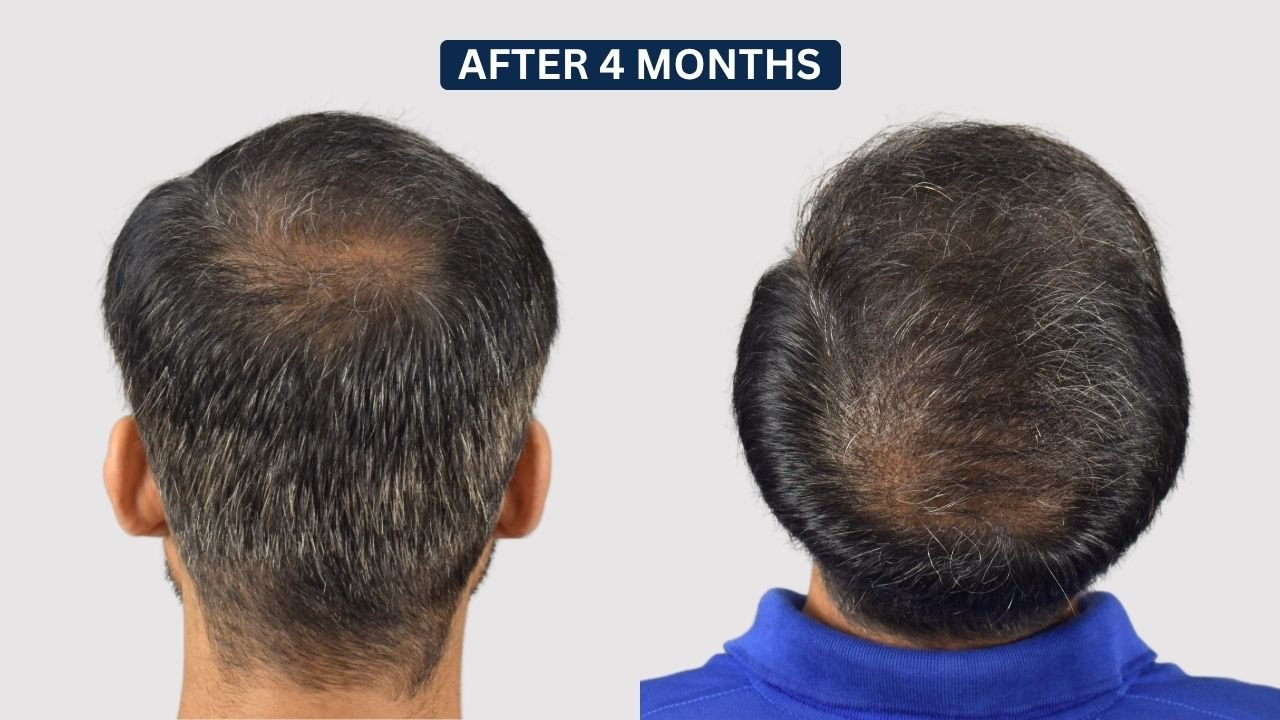
Month 4: Early New Hair Growth

By the fourth month, early transplanted hairs may begin becoming more noticeable.

Possible developments at this stage include:

  • Early growth in the treated region
  • Improved hairline-to-scalp transition
  • Beginning reduction in visible thinning
  • Fine new hair emerging from transplanted follicles

Month 5: Progressive Development

During the fifth month, more transplanted hairs may start becoming visible.

The developing hairs can gradually gain length and begin contributing to improved scalp coverage.

Because the patient had an earlier frontal transplant, blending between the older transplanted hair and the newly treated area becomes particularly important during this phase.

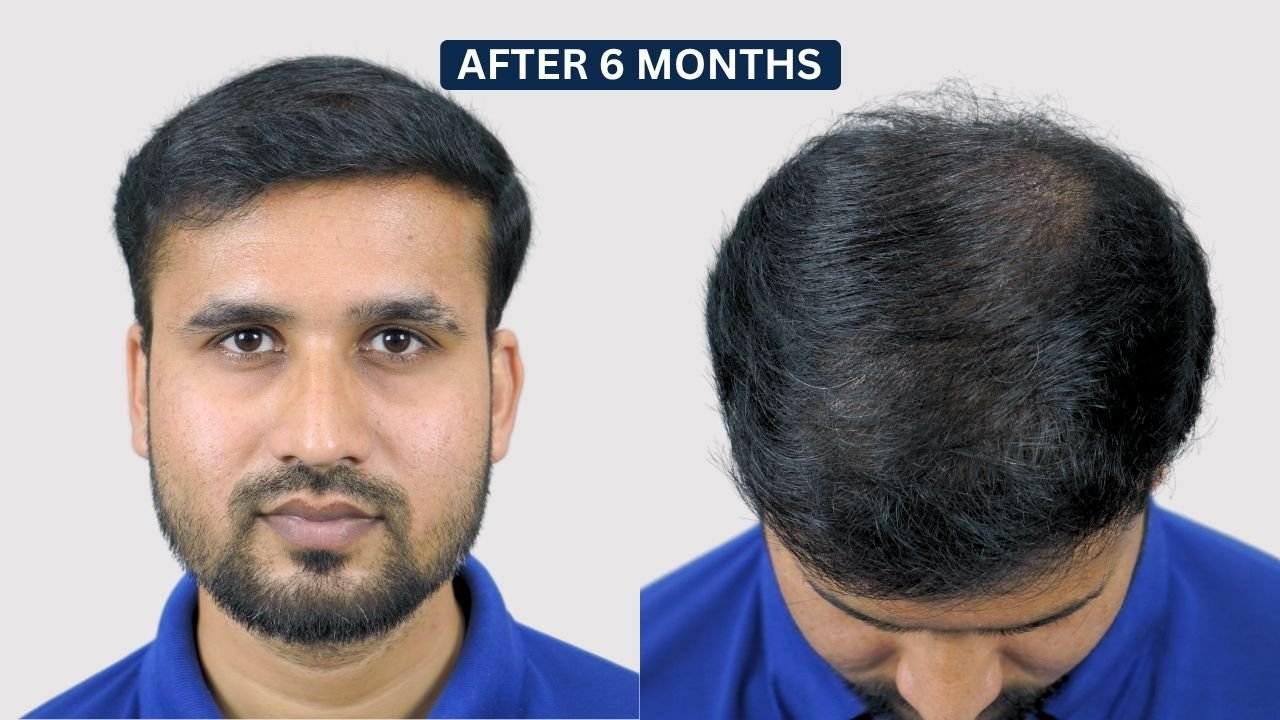
Month 6: Current Stage

At 6 months, the patient has reached the intermediate stage of his hair-transplant journey.

This period is generally used to assess:

  • Establishment of newly growing transplanted hairs
  • Integration with the previous frontal hairline
  • Progressive improvement in scalp coverage
  • Development of hair thickness
  • Reduction in scalp visibility
  • Overall distribution of the transplanted hair

The result at six months should not be considered the final outcome. Further maturation can continue over the coming months.

What Happens After 6 Months?

Month 7–9

Transplanted hairs may continue becoming thicker, longer and easier to style.

Month 10–12

Coverage and texture can become more established as the transplanted hair continues to mature.

Beyond 12 Months

Additional maturation may occur depending on the patient’s individual hair-growth cycle and response.

Male Hair Transplant Before & After Results

The Change: A New Beginning

For this patient, the journey was about much more than regaining hair—it was about rebuilding confidence after years of disappointment.

After living with unsuccessful FUT and FUE procedures, the BIG-FUE corrective hair transplant provided a natural, fuller appearance that complemented his facial features and age.

Today, he feels more confident in both professional and personal settings, with results that reflect careful planning, surgical precision, and long-term hair management.

What Our Patients Says

Why Choose Dr. Kiran Chotaliya for Your Hair Restoration

  • Expert Surgical Leadership: Dr. Kiran Chotaliya is a premier hair transplant surgeon in Pune, specializing in complex NW3 to NW7 cases with a focus on surgical artistry.
  • Superior BIG-FUE Advantage: Our signature technique ensures maximum graft survival and high-density results without the downtime of traditional methods.
  • Natural Hairline Aesthetics: We utilize ultra-refined single-hair grafts to create soft, undetectable hairlines that match your natural growth pattern perfectly.
  • Strict Safety & Handling: Our clinic follows international protocols for graft storage and handling, ensuring every follicle has the best chance of flourishing.
  • Holistic Preservation Plan: We provide a lifetime hair management strategy, including PRP and medical support, to prevent future hair loss beyond the transplanted area.
drkiranchotaliya

FAQ'S

1. Why did the patient need another hair transplant after having one 5 years earlier?

The earlier procedure mainly treated the frontal hairline. Continued progressive hair loss can affect untreated native hair behind or around the transplanted region, which may later require additional treatment.

Approximately 3000 grafts were planned for this Grade 3–4 hair-loss pattern.

The treatment record lists the technique as I Sapphire FUE.

No. Six months represents an intermediate growth stage. Additional thickness, maturation and coverage may continue over subsequent months.

Hair Transplant in Pune

Dr. Kiran Chotaliya is a leading hair transplant surgeon in Pune, specializing in advanced techniques like FUE and FUT for natural, lasting results. His expertise and patient-centered care ensure successful hair restoration with exceptional outcomes.

Follow Us

GET IN TOUCH

© 2026 Developed & Handle By Dr. Kiran Chotaliya Clinic Team

Location

© 2026 Developed & Handle By Dr. Kiran Chotaliya Clinic Team

Scroll to Top