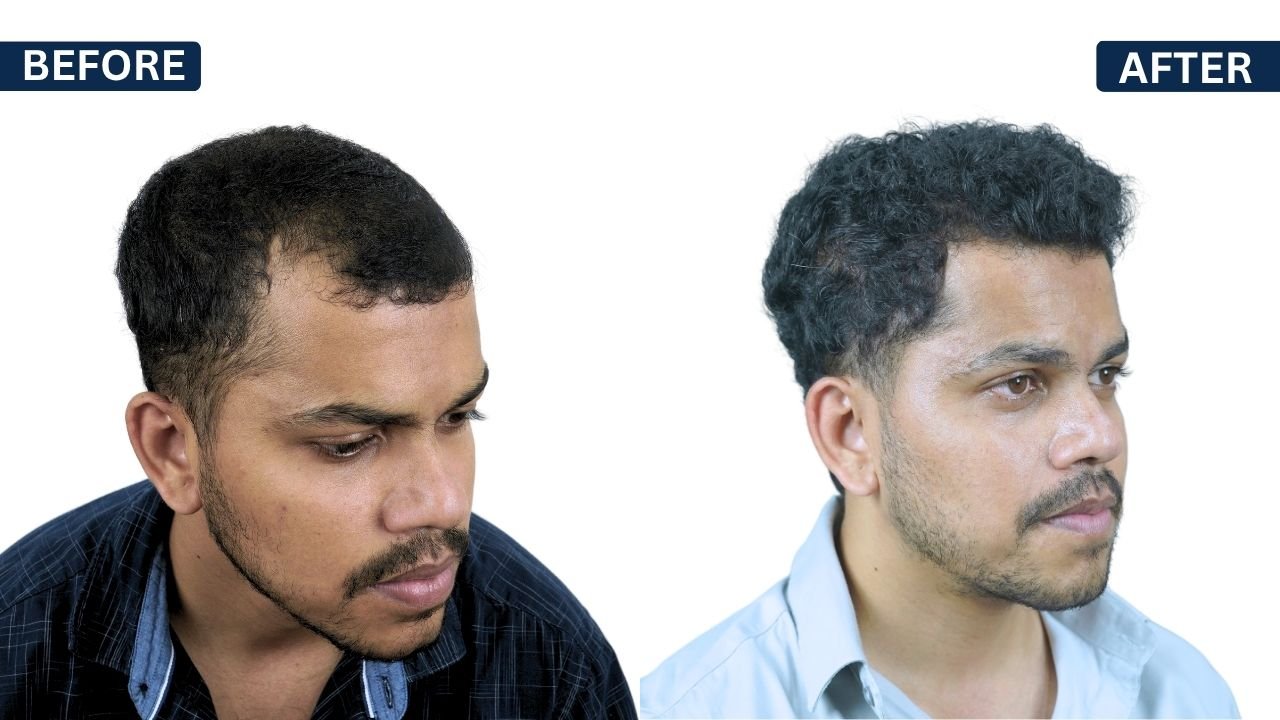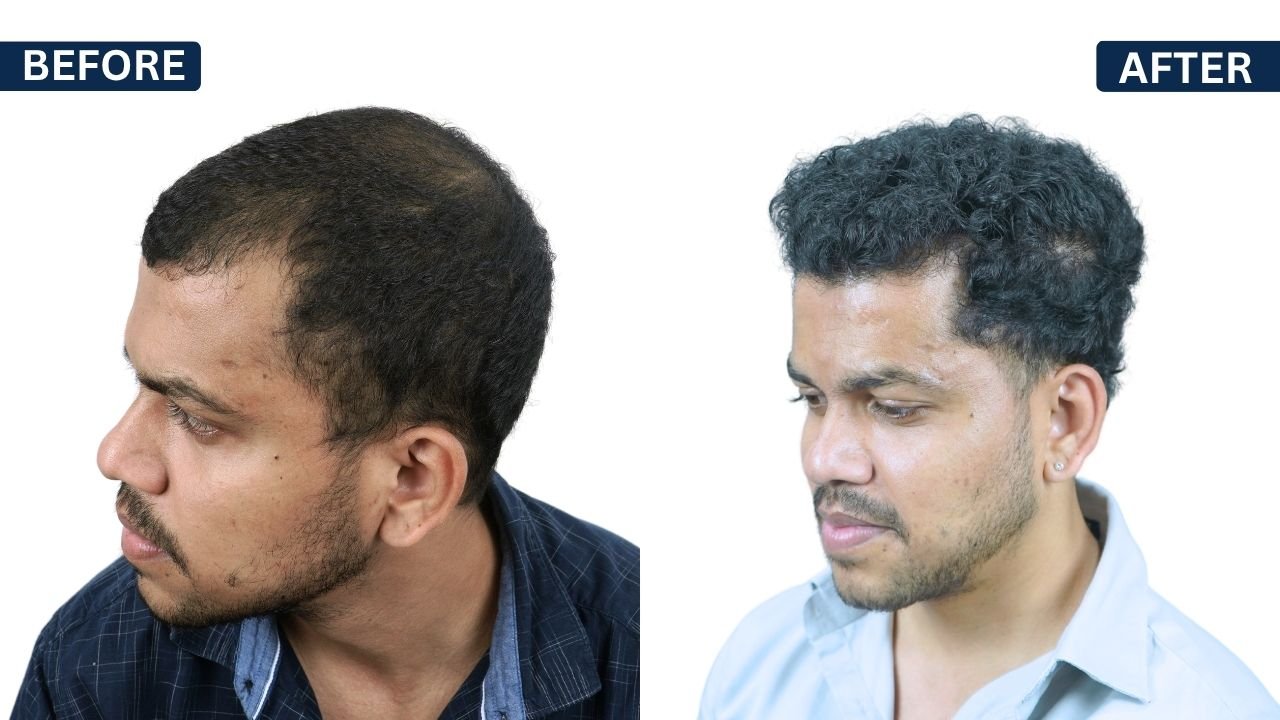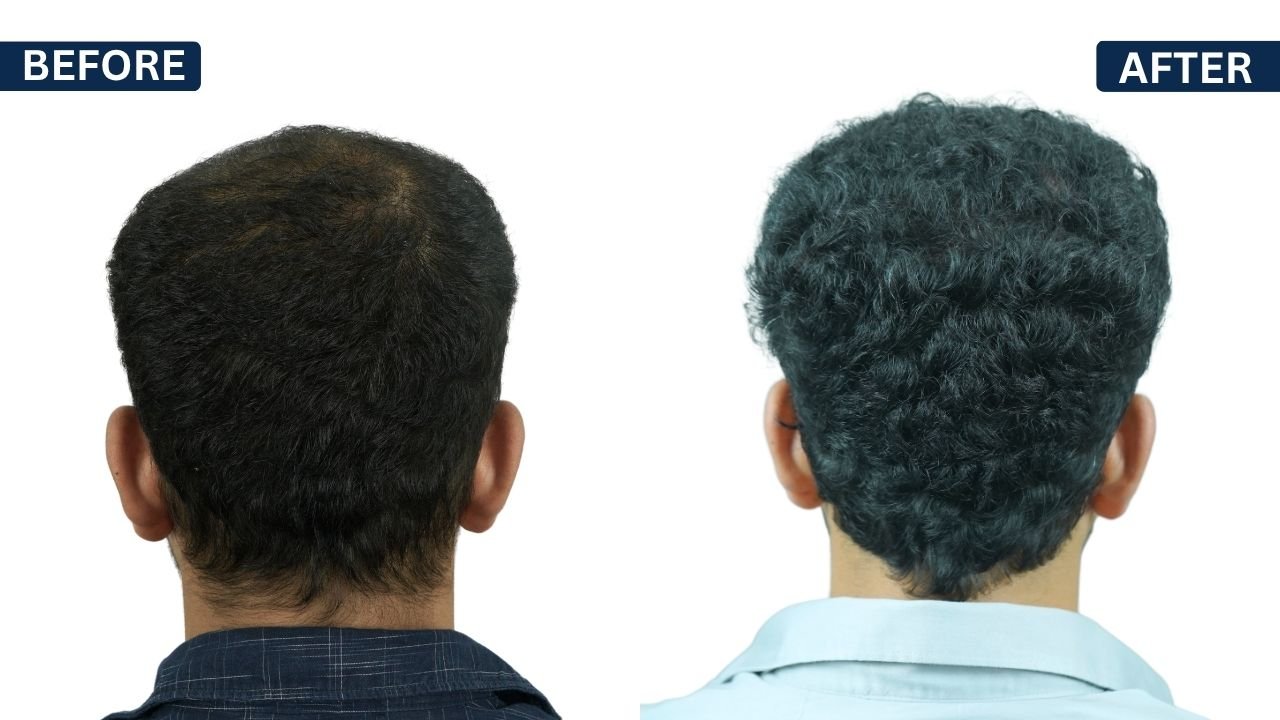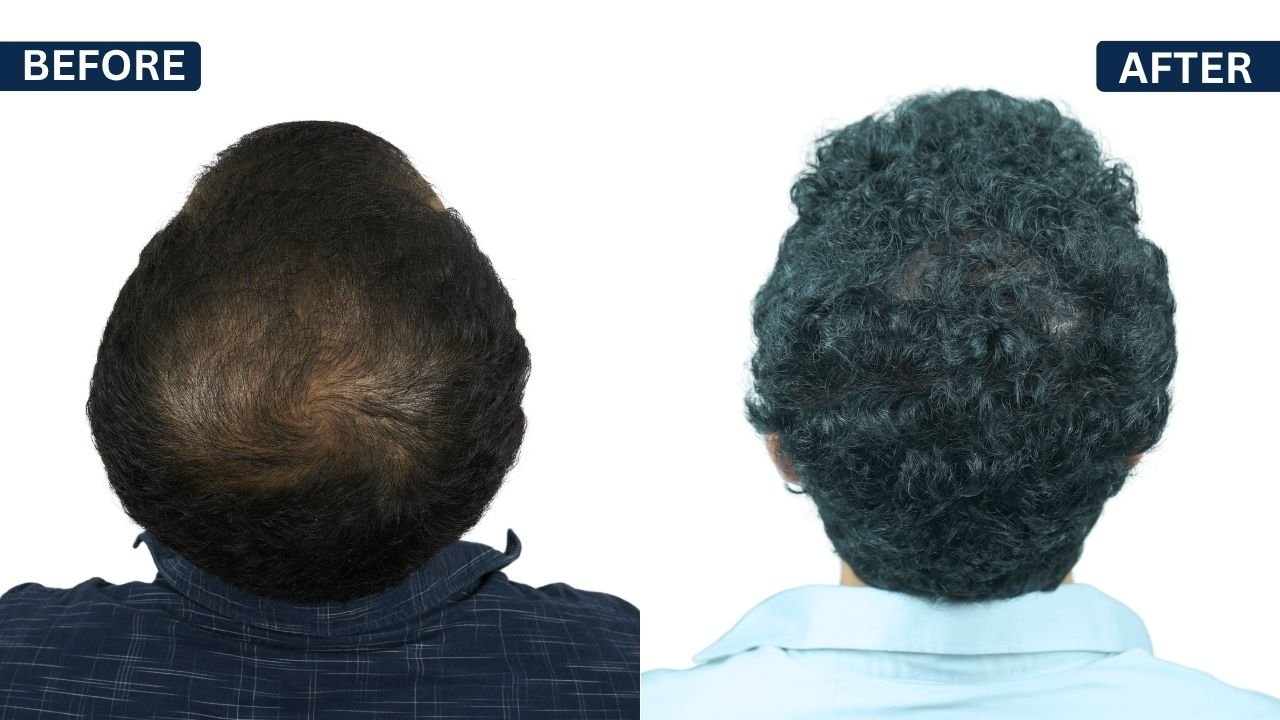


PRP Hair Treatment Case Study – 8 Sessions Completed for Grade 3 Progressive Hair Loss

PRP Hair Treatment Case Study – 8 Sessions Completed for Grade 3 Progressive Hair Loss

Written by: Dr. Kiran Chotaliya Editorial Team  ·  Reviewed by: Dr. Kiran Chotaliya, M.D. Dermatologist & Chief Hair transplant Surgeon  ·  Hairfree & Hairgrow Clinics, India  ·  Updated Oct 2026

A 27-year-old male presented with a 7-year history of progressive hair loss. According to the provided patient profile, he had no significant medical history, no relevant personal habits, and had not undergone any previous hair treatment.

Clinical assessment documented Grade 3 progressive baldness. A structured PRP treatment plan was initiated using a micro-injection technique with topical anaesthesia.

The initial plan advised 5 PRP sessions at approximately 1-month intervals, along with supportive hair care such as Minoxidil and vitamins where medically appropriate.

The patient continued beyond the initial course and has now attended 8 PRP sessions in total.

Patient Consent Notice

This case study is published only with the patient’s appropriate consent. PRP treatment results may vary depending on the severity and duration of hair loss, follicle condition, genetics, supportive care, and individual response. As this patient had Grade 6 progressive baldness, PRP was used mainly to support existing and miniaturized follicles, and complete regrowth cannot be guaranteed.

Patient Profile & Diagnosis

  • Age: 27 years
  • Duration of Hair Loss: 7 years
  • Grade of Baldness: Grade 3 progressive
  • Medical History: No significant medical history reported
  • Personal Habits: None reported
  • Previous Hair Treatment: None
  • Treatment Selected: PRP Hair Treatment
  • Technique: Micro-injection technique
  • Anaesthesia: Topical anaesthesia
  • Initial PRP Sessions Advised: 5
  • PRP Sessions Completed: 8 sessions
  • Supportive Care: Minoxidil / maintenance serum and vitamins as advised

Case Overview

Age, City

47 Years,
Pune, India

Hair Loss Duration

12–15 Years

Baldness Grade

Norwood
Grade 4–5

Areas Affected

Hairline,
Mid Scalp,
Crown Thinning

Techniques

Big FUE

Grafts

3220+

Patient's Main Concern

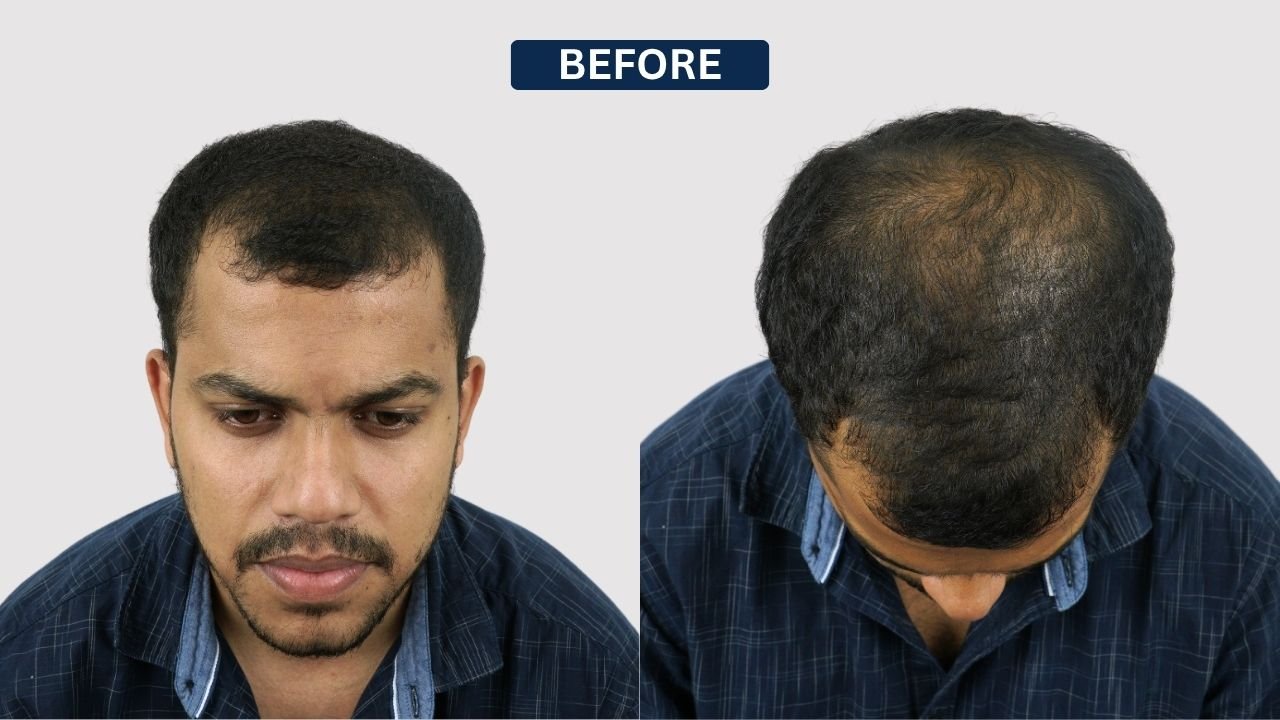
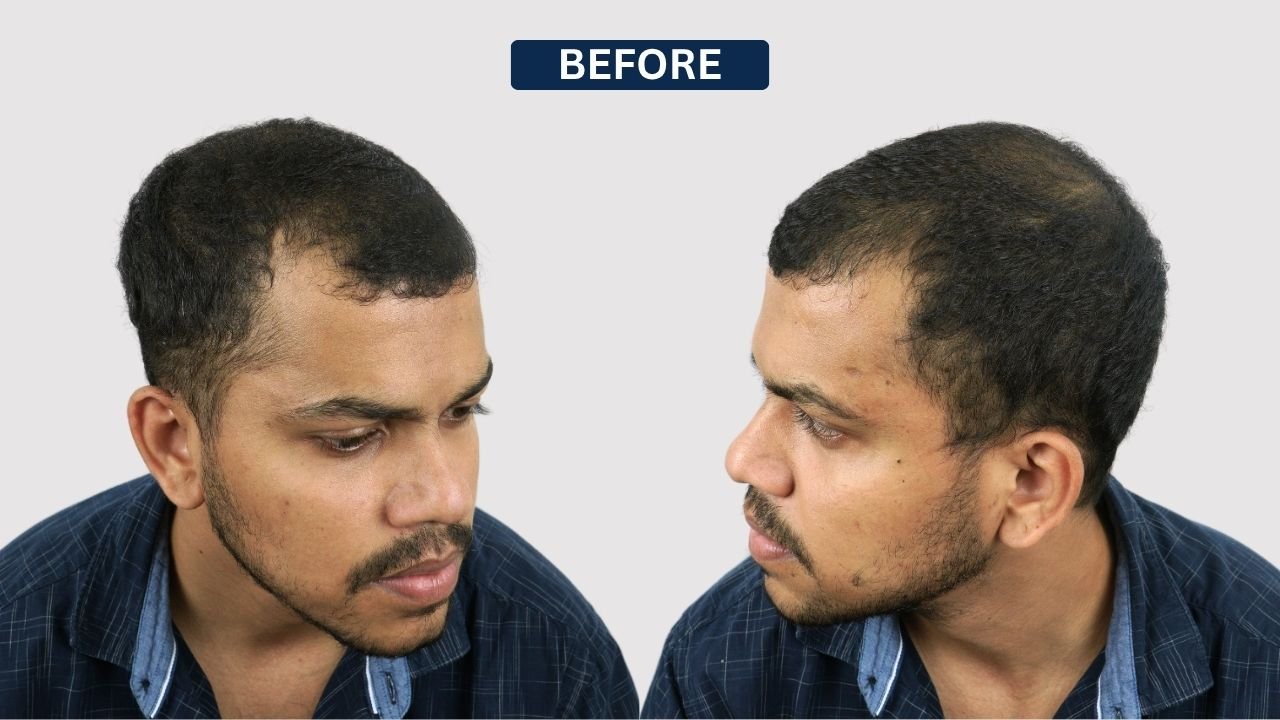
The patient had been experiencing progressive hair thinning for approximately 7 years, mainly affecting the frontal and upper scalp.

At Grade 3 hair loss, a substantial amount of existing hair is still present, which makes preservation and support of these follicles an important part of treatment planning.

The main objectives of PRP therapy in this case were:

  • Reduce ongoing excessive hair shedding
  • Support weakened and miniaturized follicles
  • Improve the thickness of existing hair
  • Improve overall scalp coverage
  • Help maintain existing hair for longer
  • Slow further progression of patterned hair loss
  • Improve overall hair quality and appearance

Initial Hair & Scalp Assessment

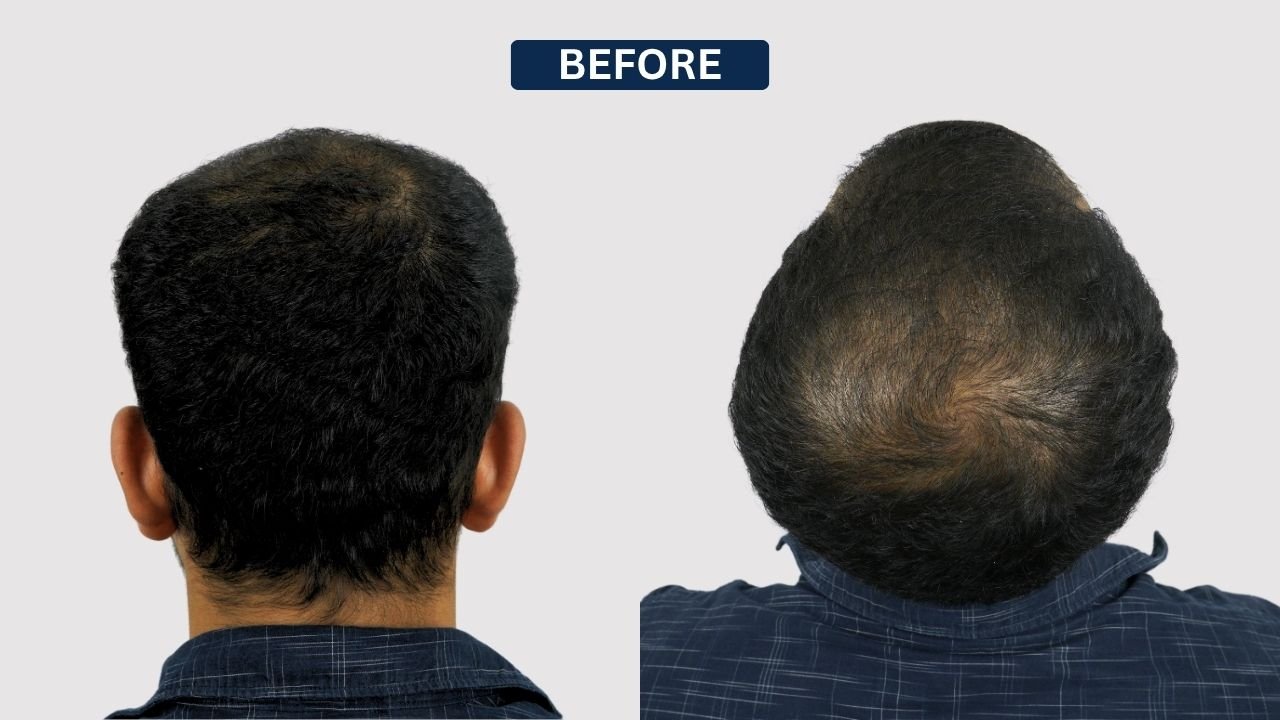
At baseline, the patient showed progressive Grade 3 patterned hair loss, with visible thinning over the frontal region and reduced density across the upper scalp.

Compared with advanced baldness, Grade 3 hair loss still contains more existing follicles that may potentially respond to supportive treatment.

The treatment strategy therefore focused primarily on preserving existing hair and improving the condition of miniaturized follicles rather than waiting for further progression.

Personalized PRP Treatment Plan

The initial treatment plan consisted of:

Treatment: Platelet-Rich Plasma therapy
Technique: Micro-injection technique
Anaesthesia: Topical anaesthesia
Frequency: Approximately once every month
Initial sessions advised: 5
Total sessions attended: 8
Supportive care: Minoxidil, maintenance serum and vitamins as advised

Because the patient continued treatment after completing the original five-session course, Sessions 6 to 8 can be documented as an extended or maintenance phase based on clinical review.

PRP Procedure Overview

During PRP treatment, a small quantity of the patient’s own blood is collected and processed to concentrate platelets.

The prepared platelet-rich plasma is then injected into selected areas of the scalp using a micro-injection technique.

Topical anaesthesia is used where required to improve patient comfort.

The purpose of repeated PRP treatment is to provide ongoing support to existing follicles over time rather than expecting an immediate change after a single session

Post-PRP Care

Following treatment, the patient was advised to follow appropriate post-care instructions.

Post-treatment precautions included:

  • Avoid rubbing, scratching or massaging the treated scalp.
  • Avoid washing the hair for approximately 24 hours as advised.
  • Avoid styling products such as gel, spray or dry shampoo for the initial recovery period.
  • Stay adequately hydrated.
  • Avoid alcohol and smoking during the early recovery phase where possible.
  • Follow any additional instructions provided by the treating doctor.

Detailed Graft Breakdown for NW3 Restoration

Single Hair Grafts
530
For Natural Hairline
Multi Hair Grafts
2480
Mid Scalp Coverage
Total Grafts Done
3010
Total Grafts Transplanted: (add case specific number)
Parameter
No. of Grafts
Details
Single hair grafts
530
For natural hairline
Multi hair grafts
2480
Mid scalp coverage
Total grafts done
3010

8-Session PRP Hair Treatment Journey

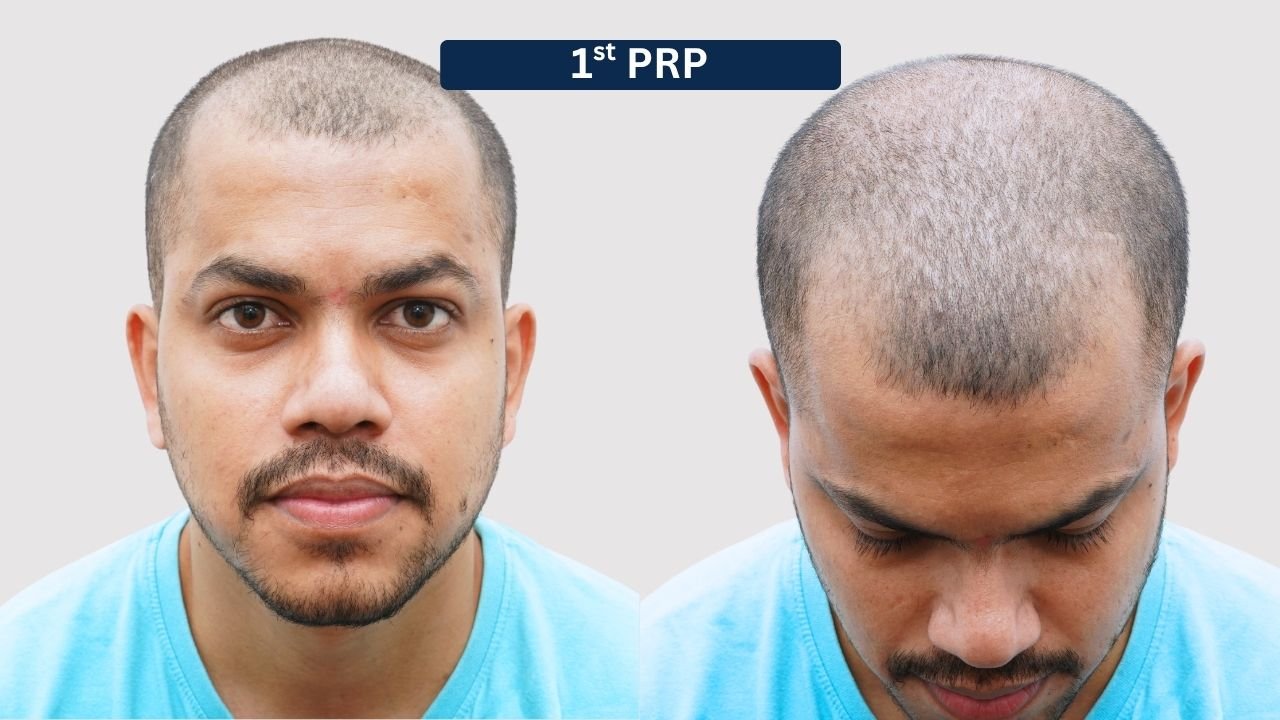
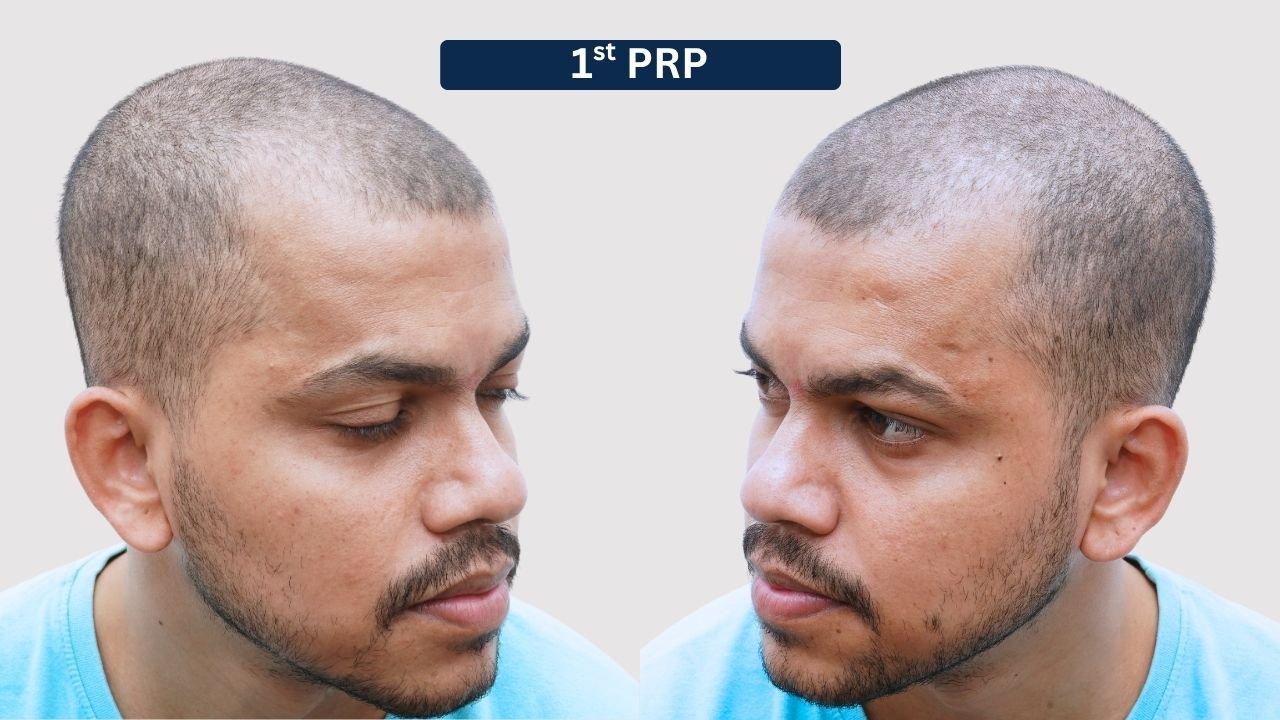
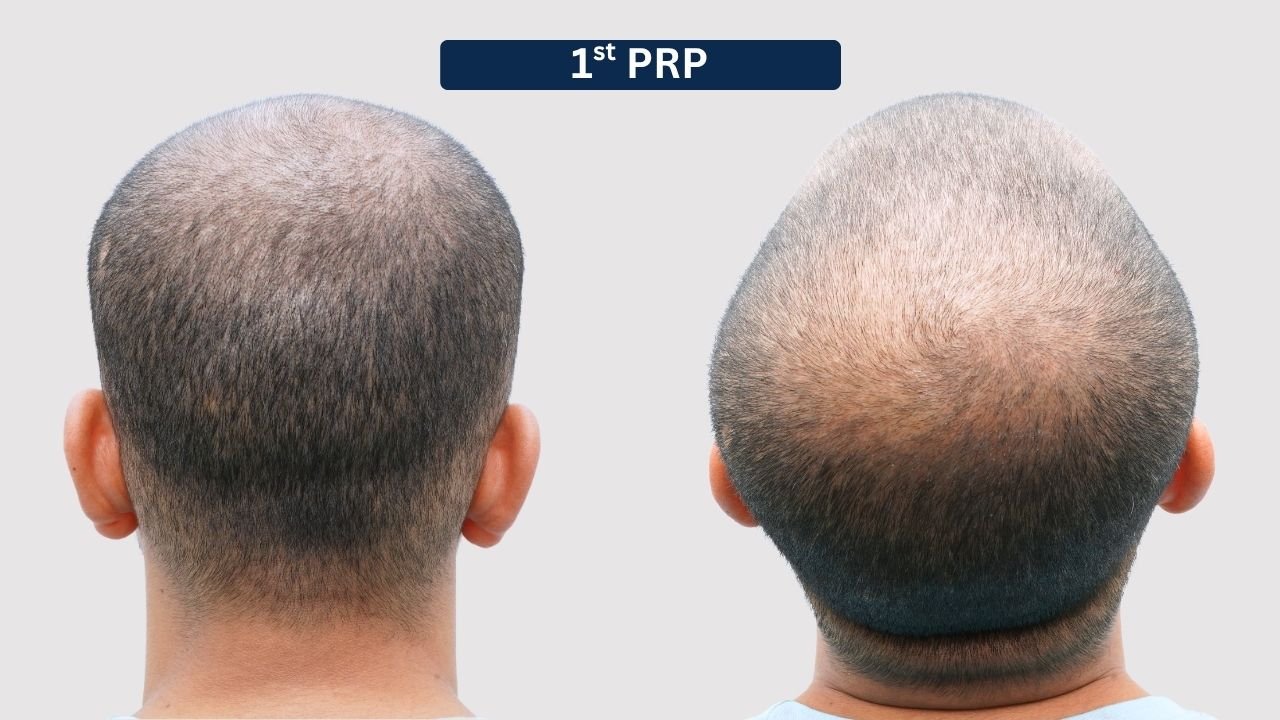
1st PRP Session – Baseline Treatment

The first session marked the beginning of the treatment journey.

At baseline, the patient showed:

  • Grade 3 progressive hair loss
  • Frontal thinning
  • Reduced density over the upper scalp
  • Increased scalp visibility
  • Existing hair remaining throughout the treatment area

Main treatment focus:

  • Document baseline hair loss
  • Begin PRP stimulation
  • Support existing hair follicles
  • Establish a treatment schedule
  • Start supportive medical hair care where appropriate

A dramatic cosmetic change would not be expected immediately after the first treatment.

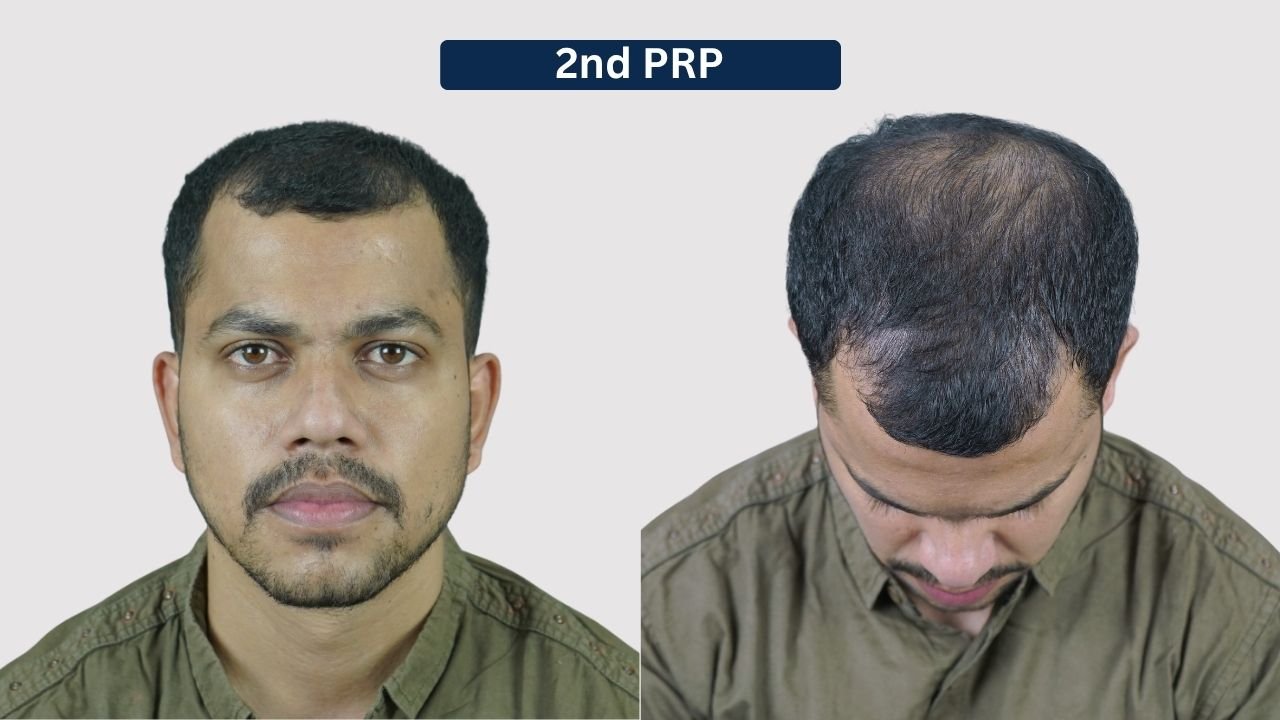
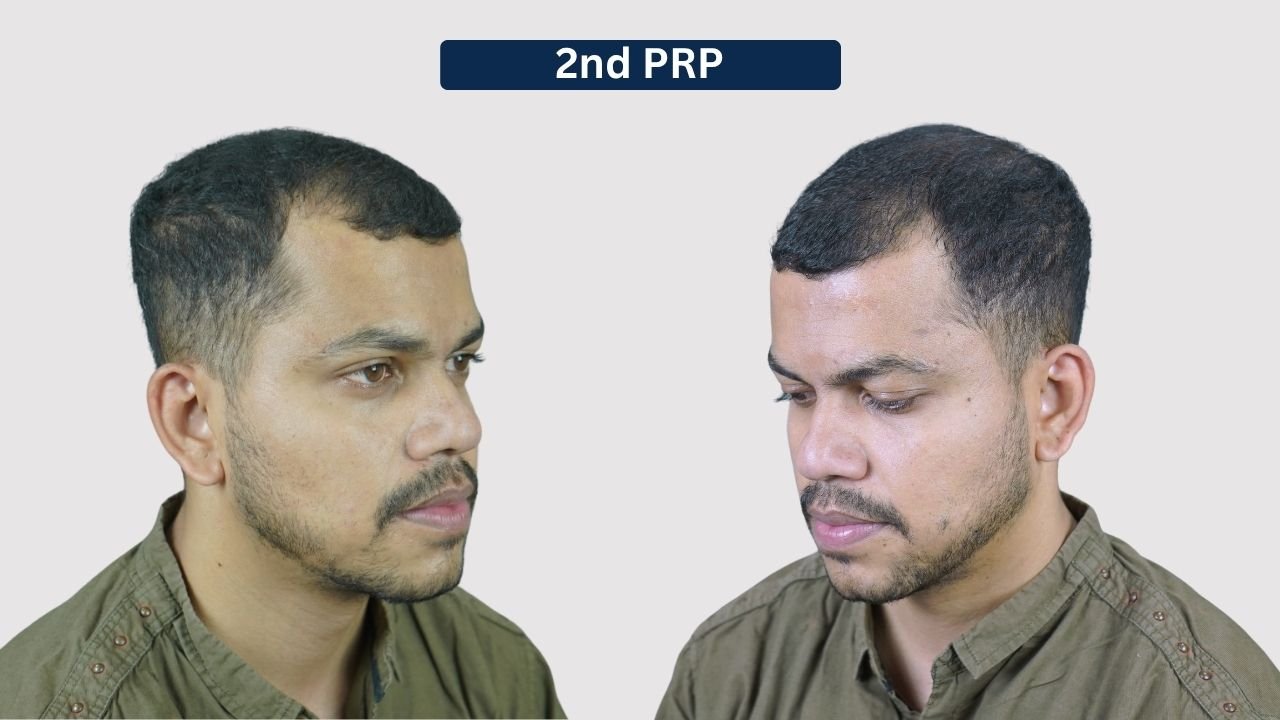
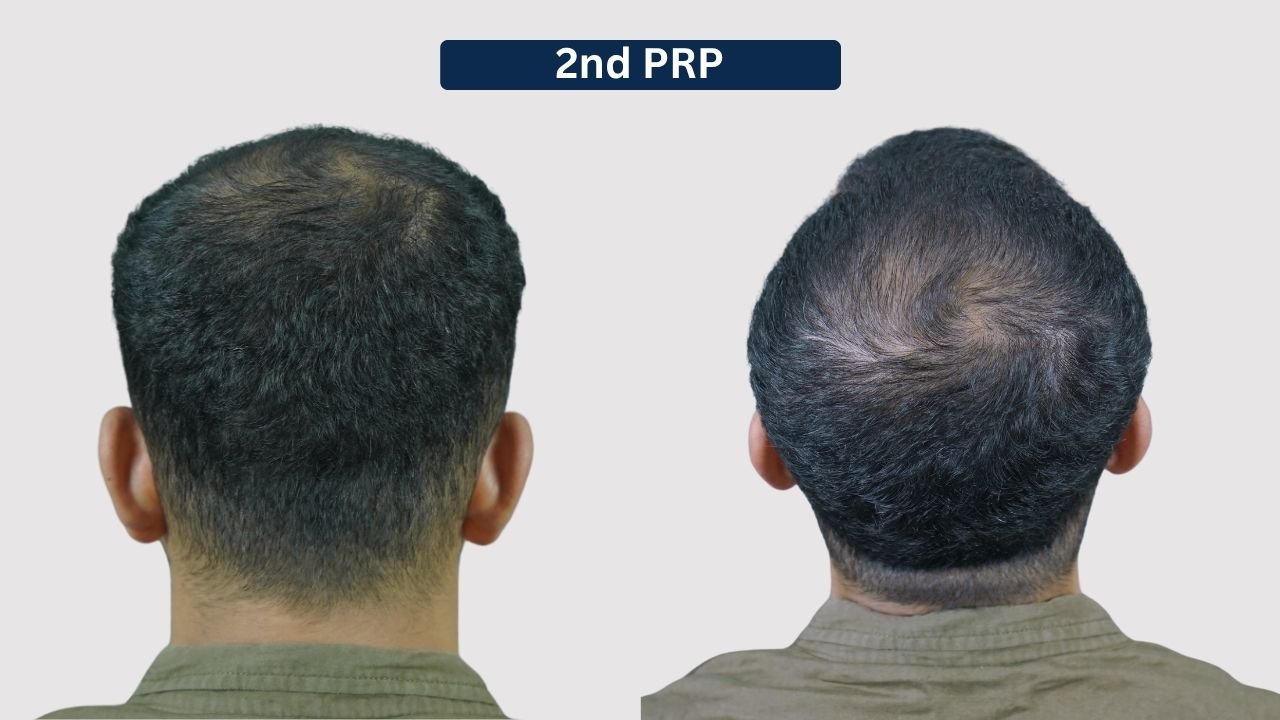
2nd PRP Session – Early Treatment Phase

The second PRP session was performed as part of the planned monthly treatment course.

During this phase, the doctor would typically monitor:

  • Hair shedding
  • Scalp condition
  • Hair texture
  • Hair shaft appearance
  • Treatment tolerance

The main goal remained stabilization and continued support of existing follicles.

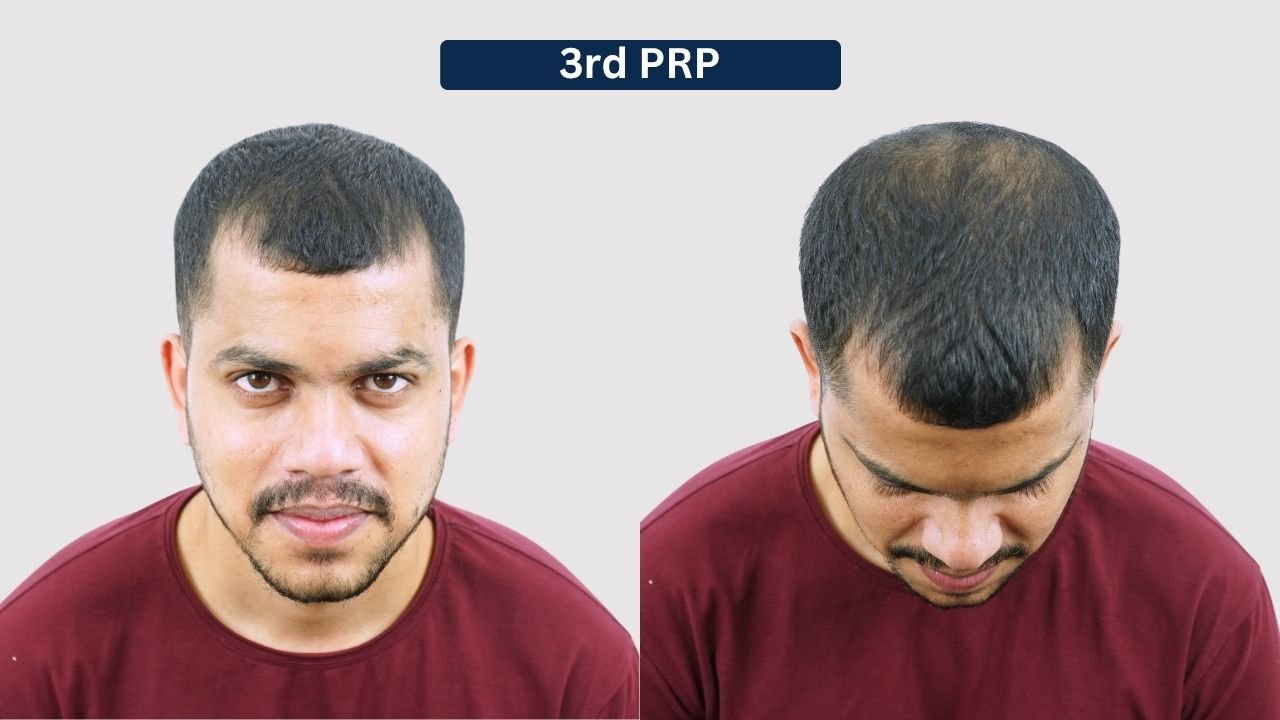
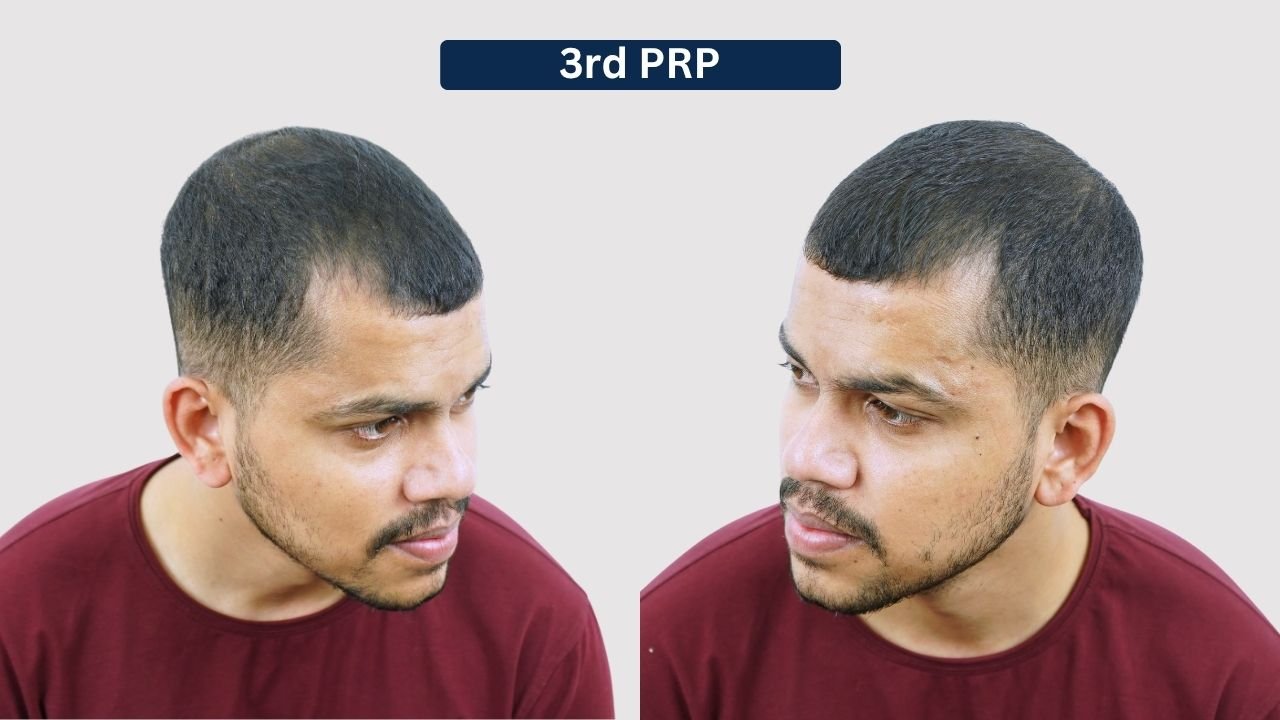
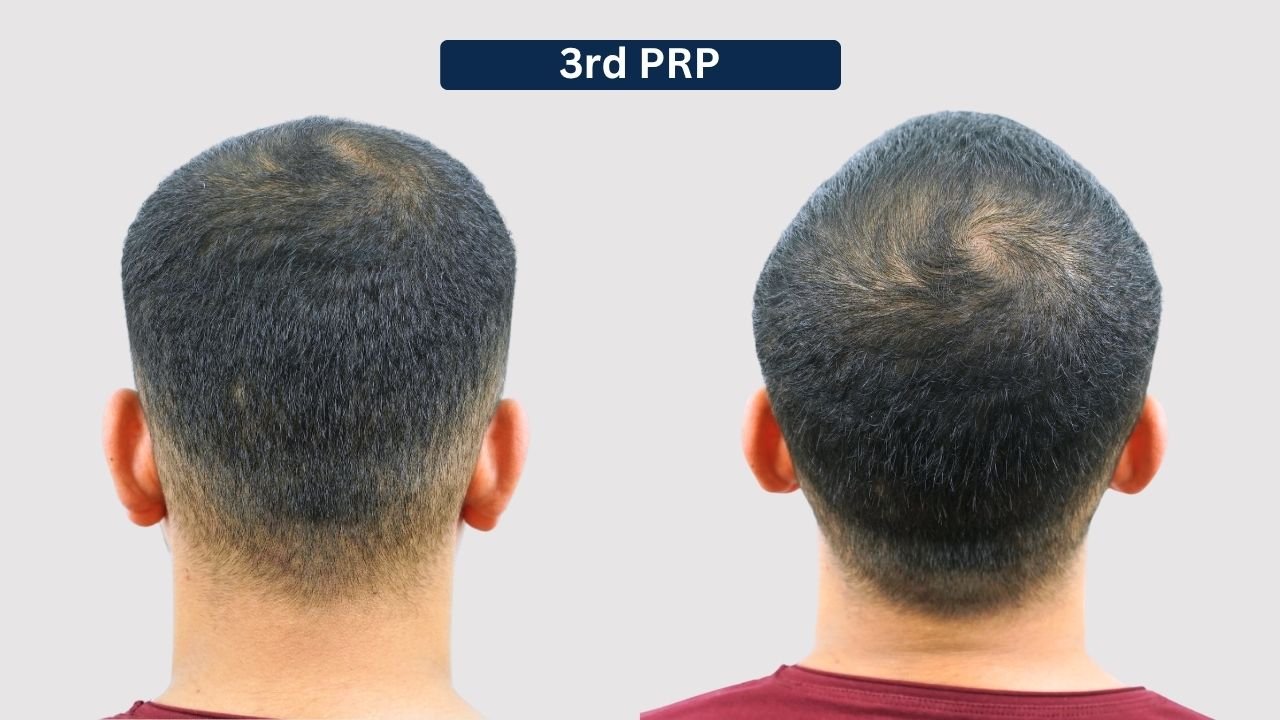
3rd PRP Session – Mid-Treatment Progress

By the third session, the patient had completed more than half of the initially planned five-session course.

Possible clinical parameters assessed at this stage included:

  • Reduction in excessive shedding
  • Improvement in the appearance of existing hair
  • Better hair shaft thickness
  • Reduced scalp visibility in responsive areas
  • Early improvement in overall coverage

Any visible progress should ideally be evaluated using standardized photographs taken under similar lighting, angle, hairstyle and hair length.

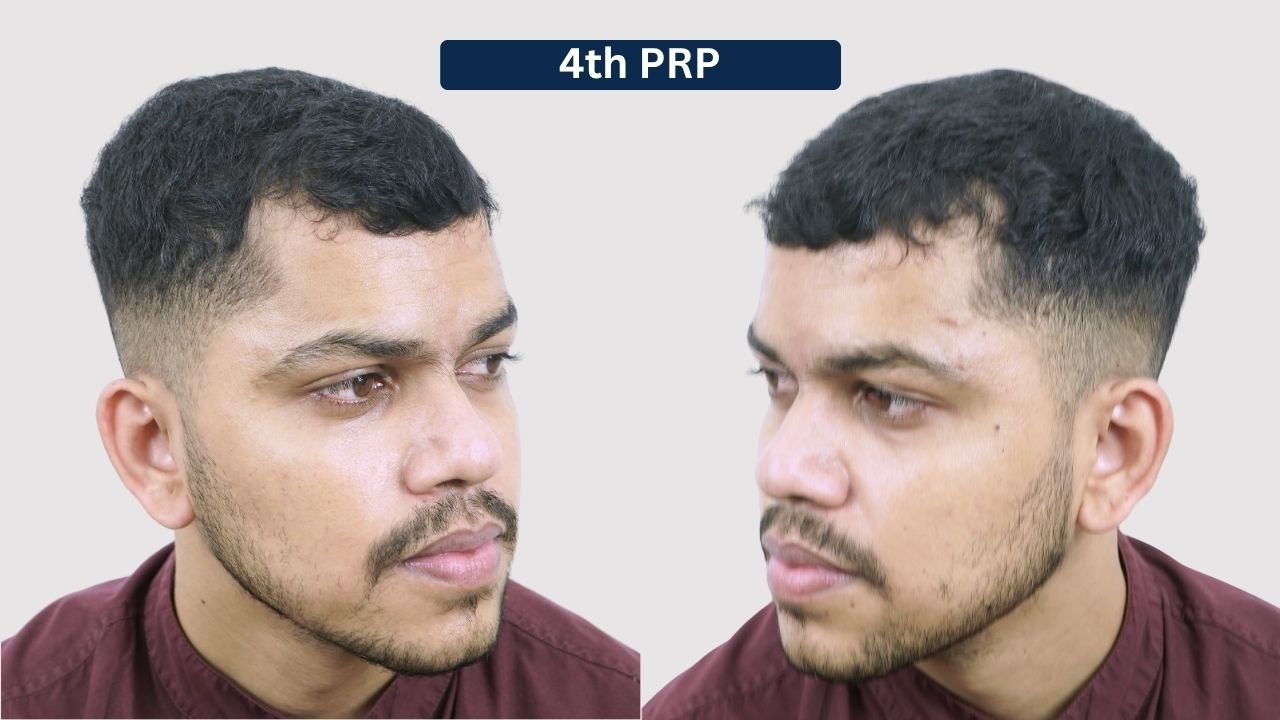
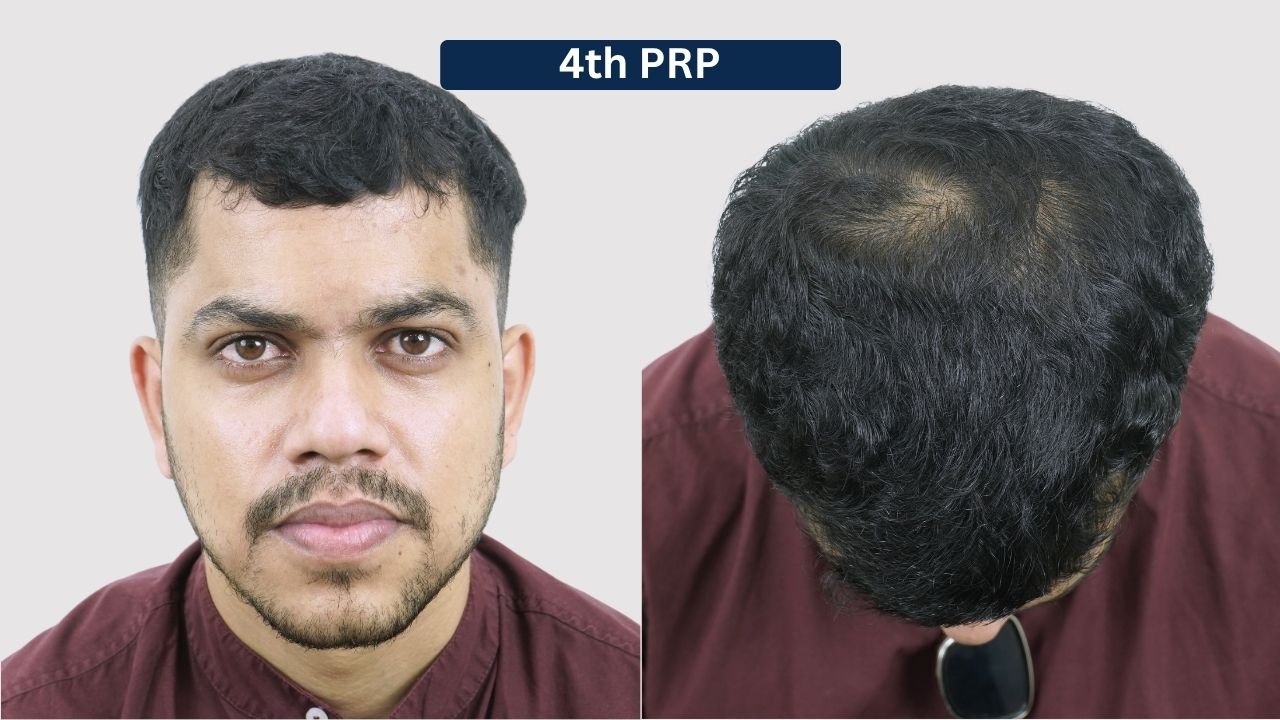
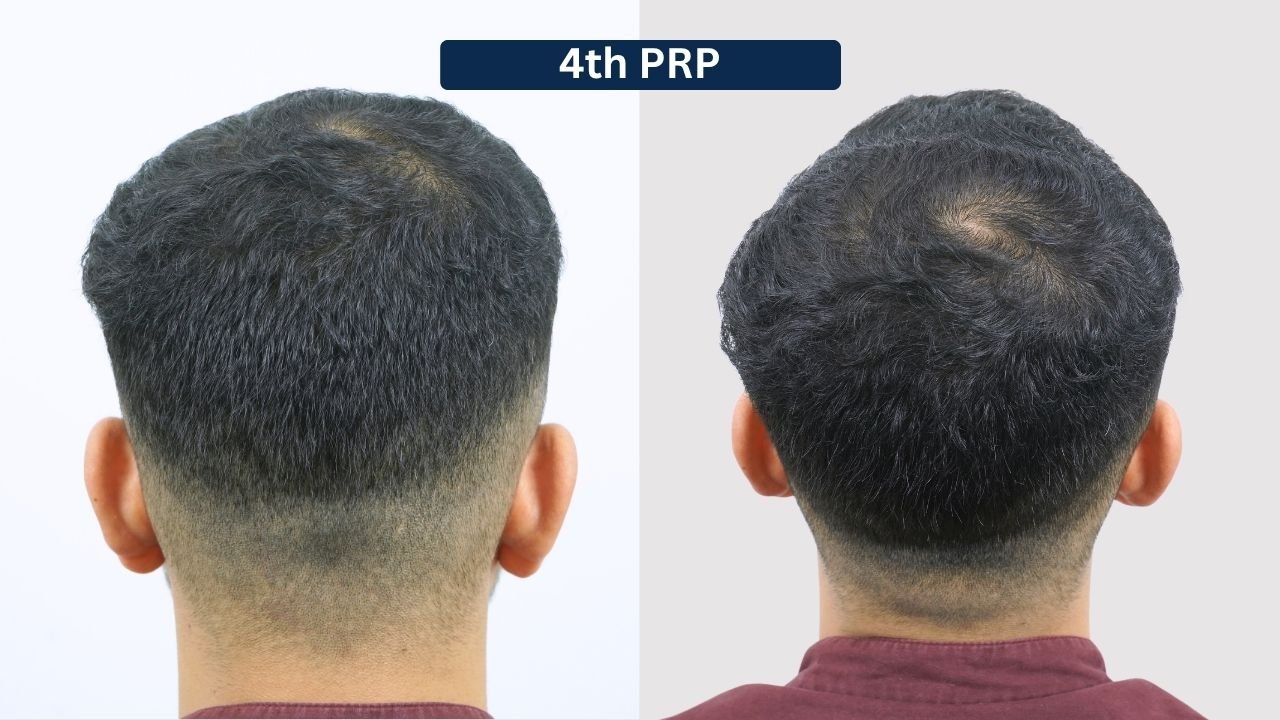
4th PRP Session – Progressive Response

The fourth PRP session continued the monthly treatment plan.

By this stage, repeated treatment had provided cumulative follicular support.

The assessment could focus on:

  • Hair fall stabilization
  • Existing hair thickness
  • Scalp coverage
  • Overall hair quality
  • Density in partially thinned areas
  • Progression or stabilization of frontal thinning

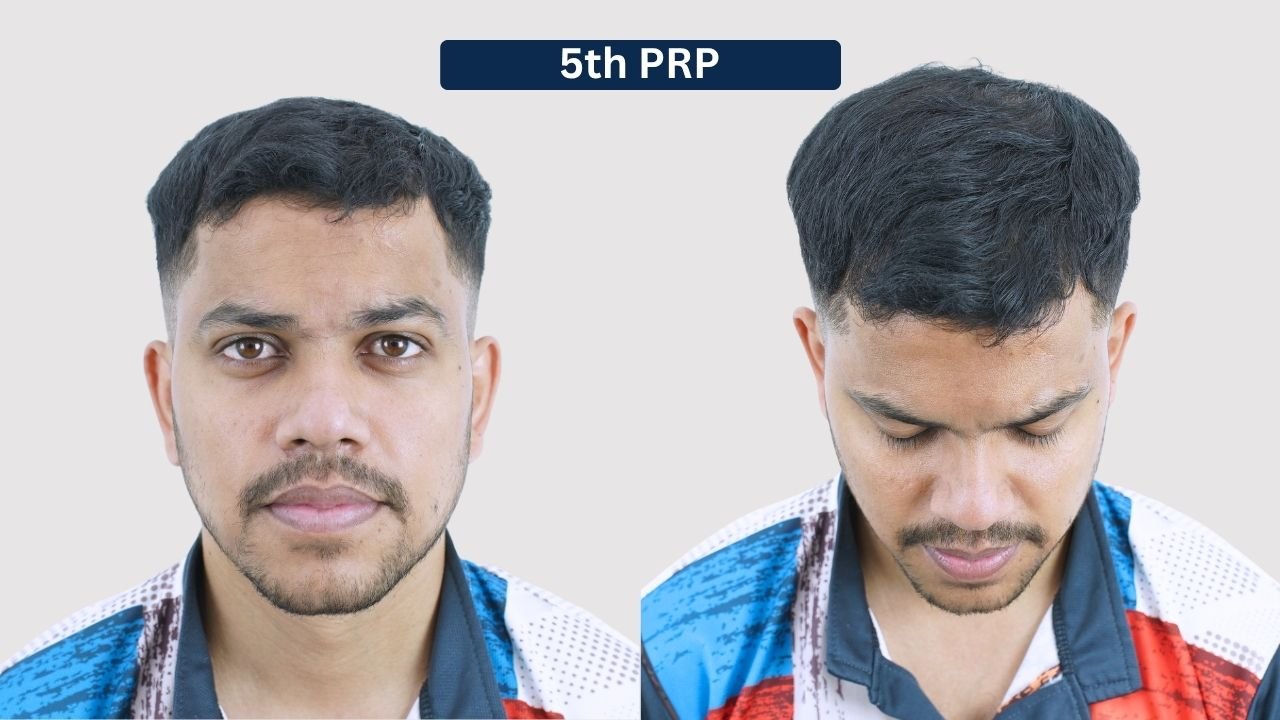
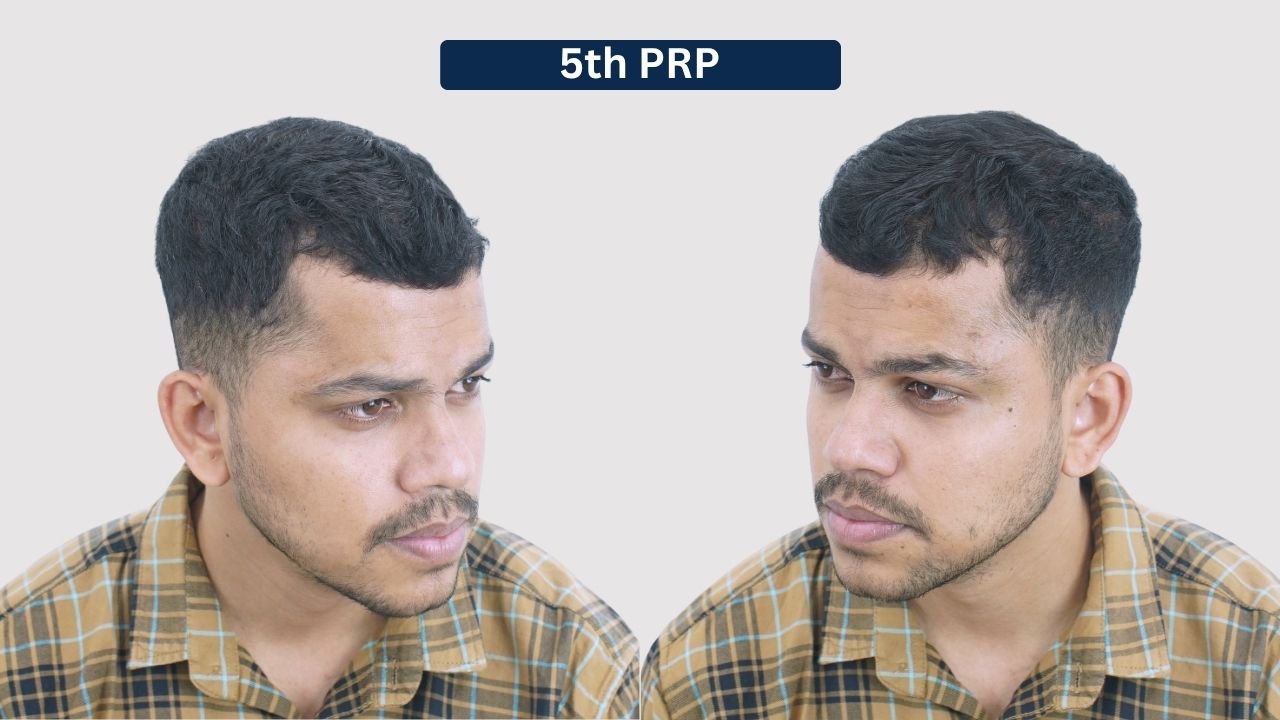
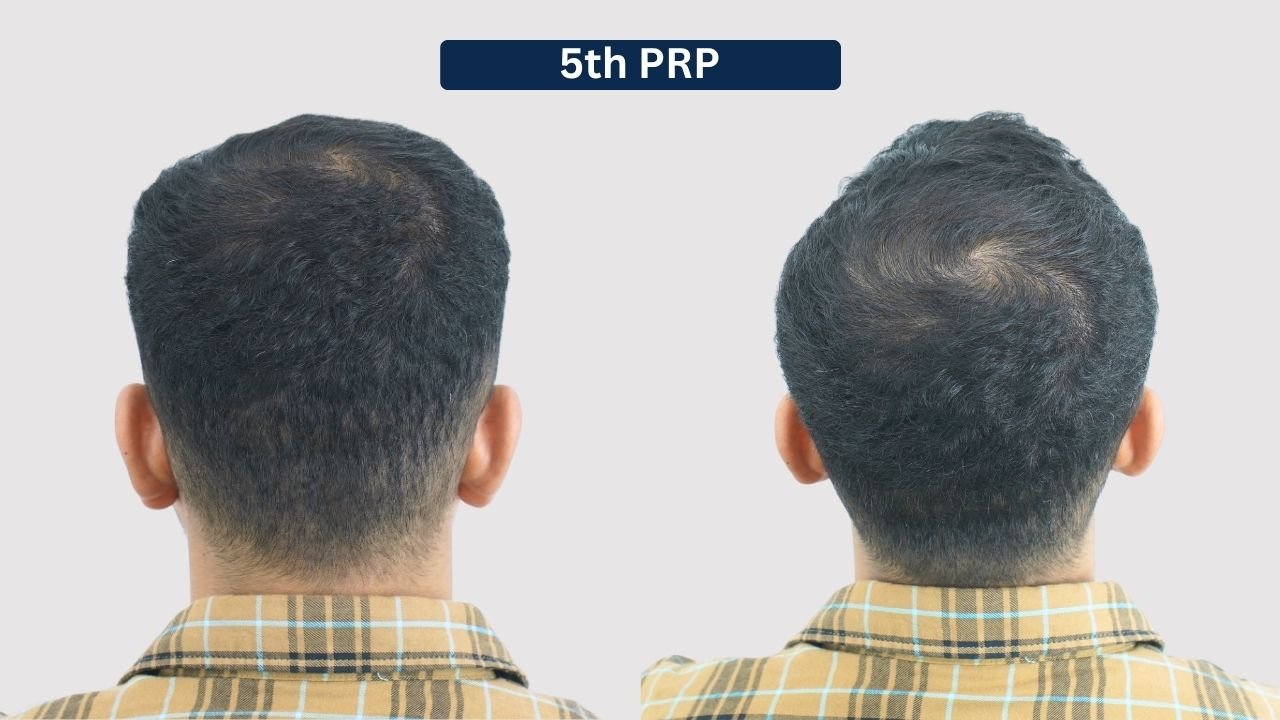
5th PRP Session – Completion of Initial Course

The fifth PRP session completed the patient’s originally advised five-session course.

This represented the end of the initial structured treatment phase.

After completing five sessions, the patient’s response could be reviewed in terms of:

  • Hair shedding control
  • Hair shaft quality
  • Density
  • Scalp visibility
  • Overall appearance of existing hair
  • Need for further maintenance treatment

Since the patient subsequently attended additional PRP sessions, the treatment plan was continued beyond the initial course.

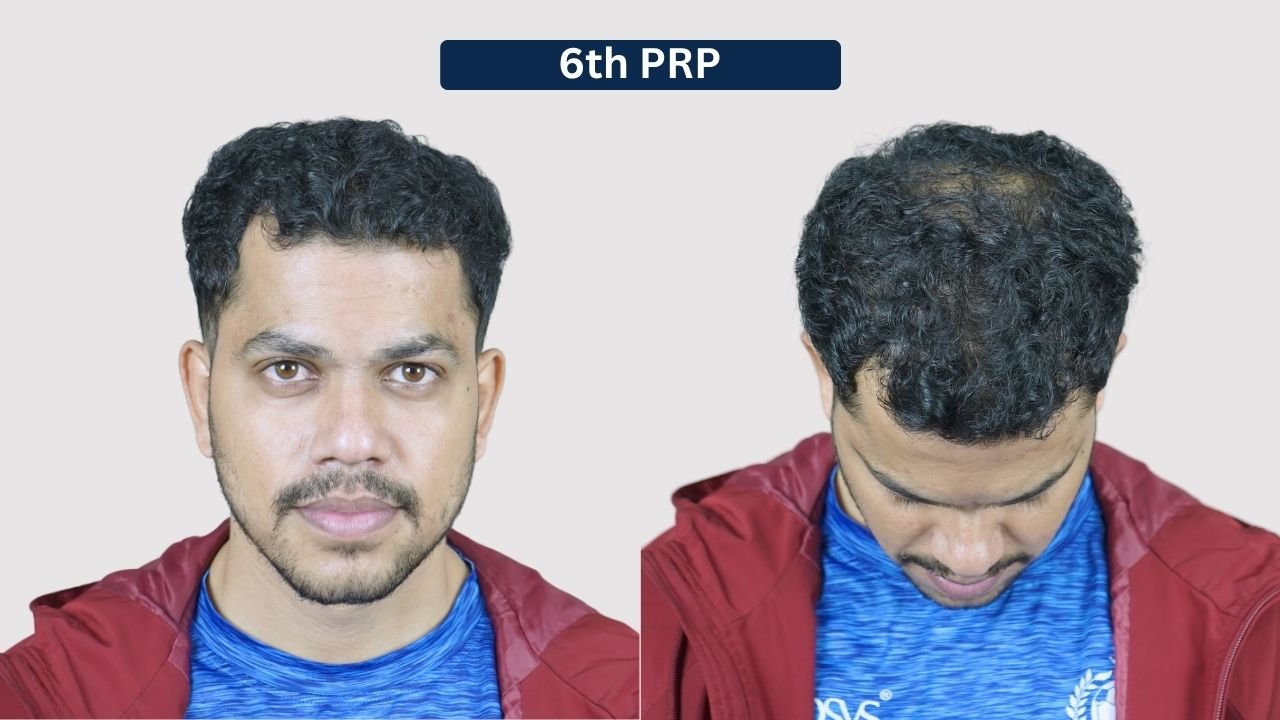
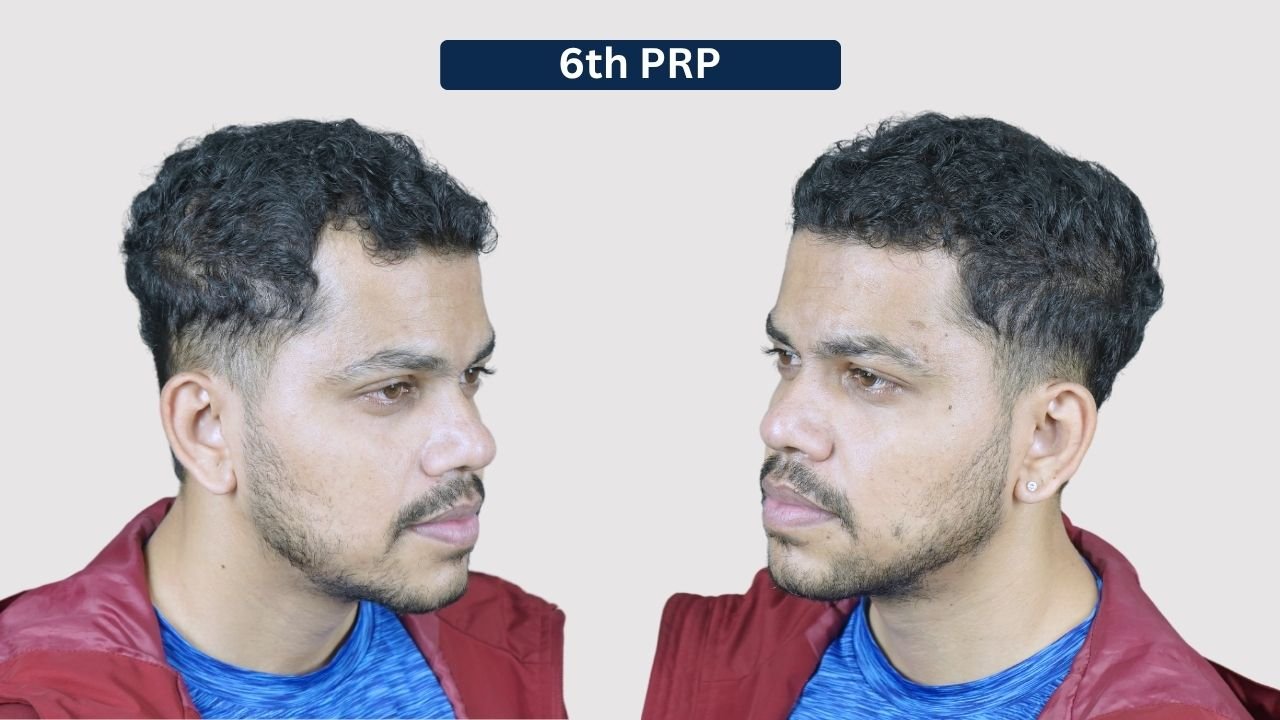
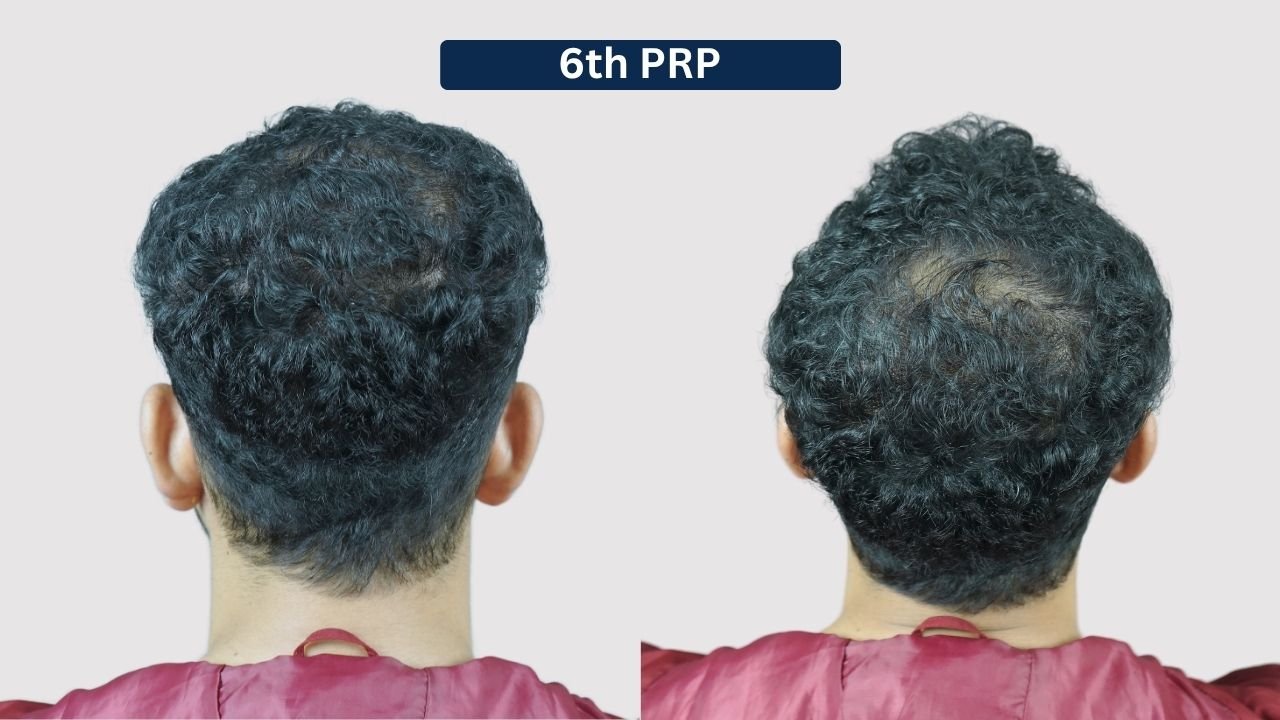
6th PRP Session – Extended Maintenance Phase

The sixth PRP session can be considered part of the patient’s extended or maintenance treatment phase.

At this point, the purpose of treatment generally shifts more toward maintaining the response achieved during the initial course.

Clinical focus may include:

  • Preserving existing density
  • Supporting previously responsive follicles
  • Maintaining hair shaft thickness
  • Controlling recurrent shedding
  • Reducing progression of further thinning

The need for additional treatment should be based on ongoing clinical assessment.

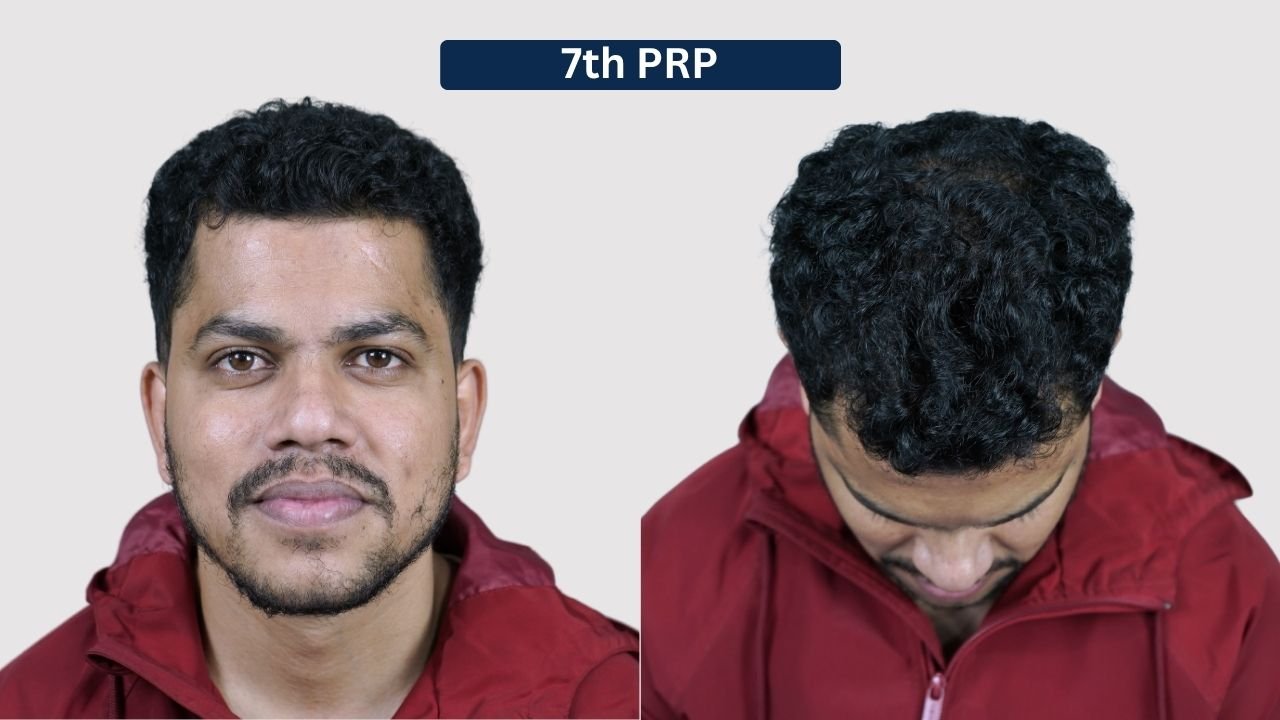
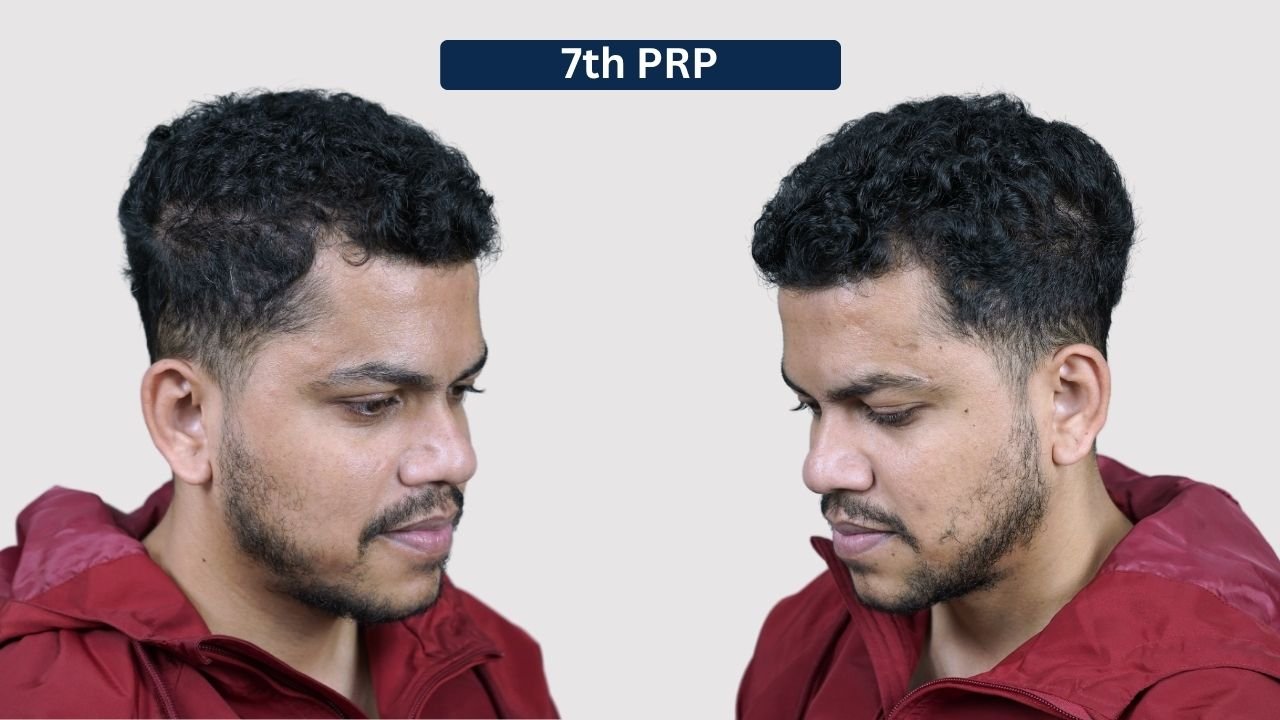
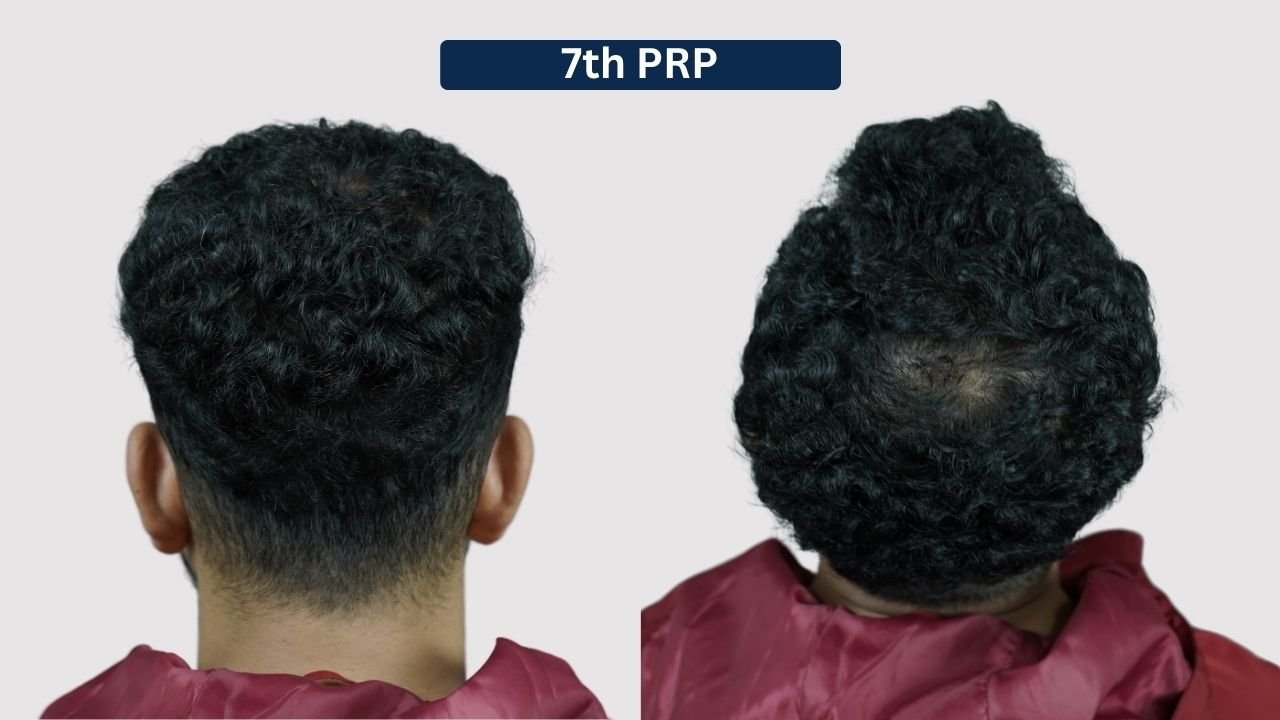
7th PRP Session – Continued Maintenance

During the seventh PRP session, treatment continued with a longer-term hair preservation approach.

By this stage, the patient had already received repeated PRP stimulation and supportive hair care.

The doctor may review:

  • Whether hair fall remains controlled
  • Whether existing density is being maintained
  • Whether the frontal region remains stable
  • Whether additional thinning has occurred
  • Whether maintenance frequency should be adjusted

The objective at this stage is generally maintenance and preservation rather than expecting sudden new growth.

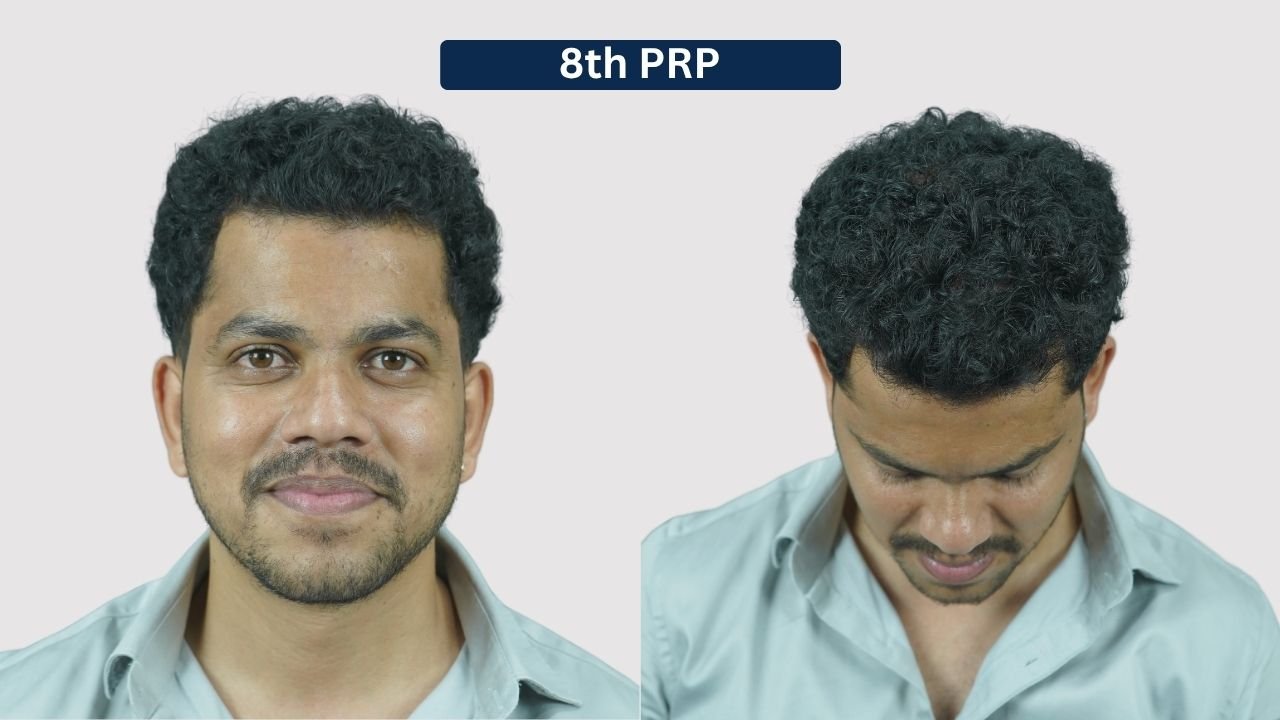
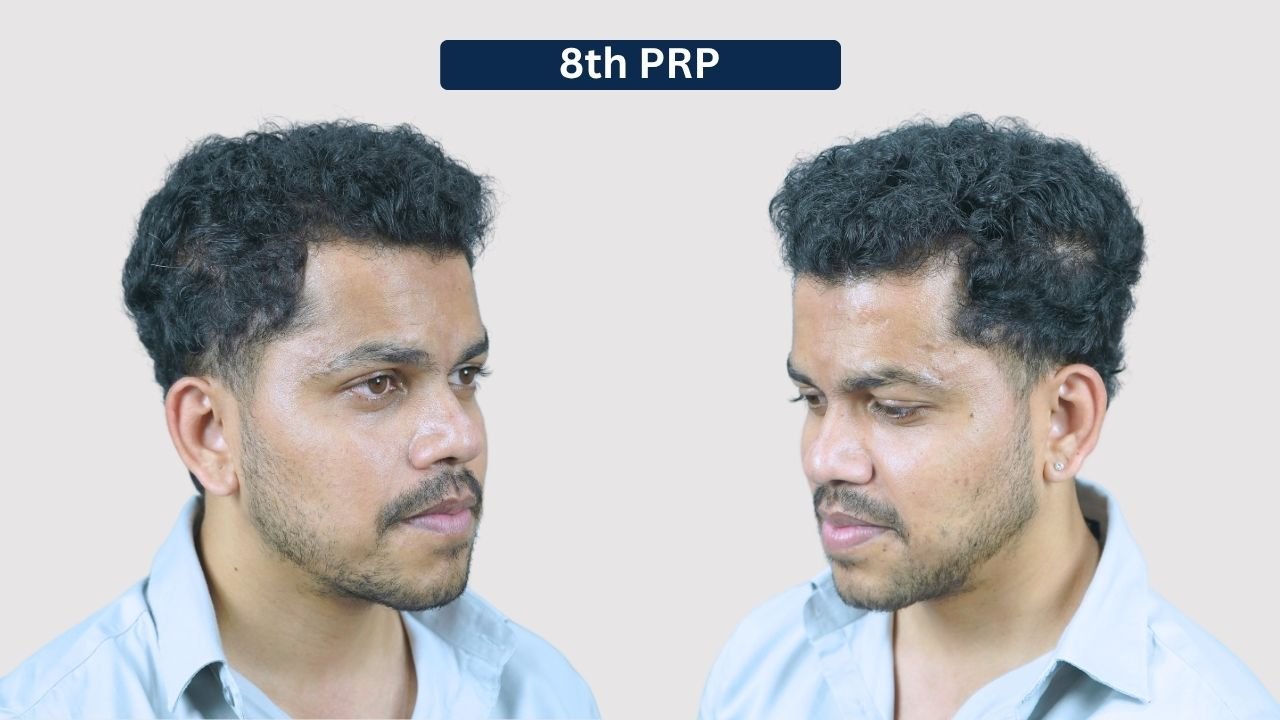
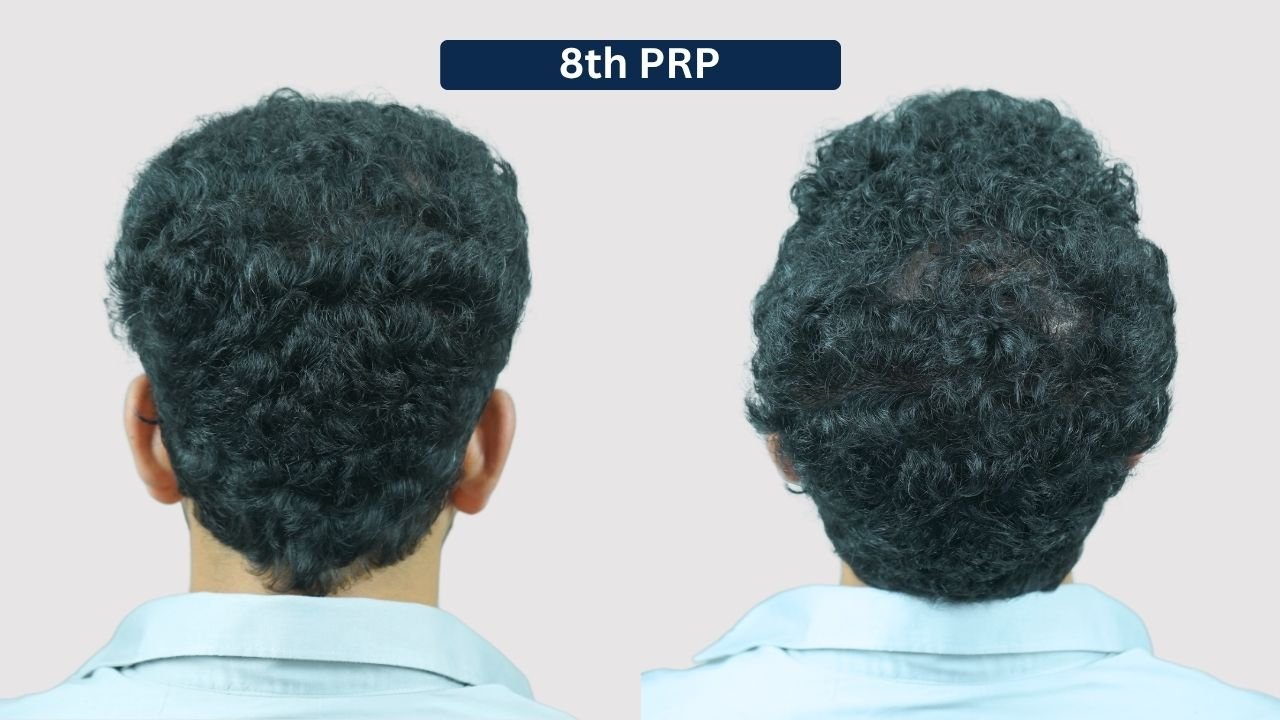
8th PRP Session – Long-Term Treatment Follow-Up

The patient has now attended his 8th PRP session.

This represents a longer PRP treatment journey extending beyond the original five sessions.

At this stage, assessment should focus on the cumulative response and long-term stability of the patient’s hair.

Important parameters after the 8th session include:

  • Stability of progressive hair loss
  • Control of excessive shedding
  • Maintenance of existing hair density
  • Hair shaft thickness
  • Overall hair quality
  • Scalp visibility
  • Need for future maintenance sessions

The patient’s treatment can now be described as a completed initial PRP course followed by an extended maintenance phase.

Treatment Progress After 8 Sessions

After a longer PRP course, follow-up should primarily assess whether the patient’s hair-loss pattern has become more stable.

Potential areas of clinical improvement to evaluate include:

  • Reduced frequency of excessive hair shedding
  • Better thickness of existing hair
  • Improved appearance of overall density
  • Reduced scalp visibility
  • Better preservation of frontal and upper scalp hair
  • Improved hair quality
  • Slower progression of thinning

However, exact claims such as percentage regrowth or quantified density improvement should only be used if supported by standardized clinical measurements or matched before-and-after photographs.

Why Continued PRP May Be Considered

Patterned hair loss is generally progressive, so some patients may require ongoing maintenance after completing an initial PRP course.

Additional sessions may be considered depending on:

  • Response to initial treatment
  • Ongoing hair shedding
  • Degree of miniaturization
  • Family history of hair loss
  • Progression of thinning
  • Use of supportive medical therapy
  • Clinical assessment by the treating doctor

The timing and number of maintenance sessions should therefore be individualized.

Ongoing Hair Care

The patient’s maintenance plan includes healthy long-term hair-care habits.

Recommended measures include:

  • Healthy, balanced diet
  • Good lifestyle habits
  • Appropriate scalp care
  • Minoxidil when medically advised
  • Maintenance serum where recommended
  • Vitamins or nutritional supplementation when clinically indicated
  • Regular clinical follow-up

These supportive measures are important because PRP alone does not permanently remove the underlying tendency toward patterned hair loss.

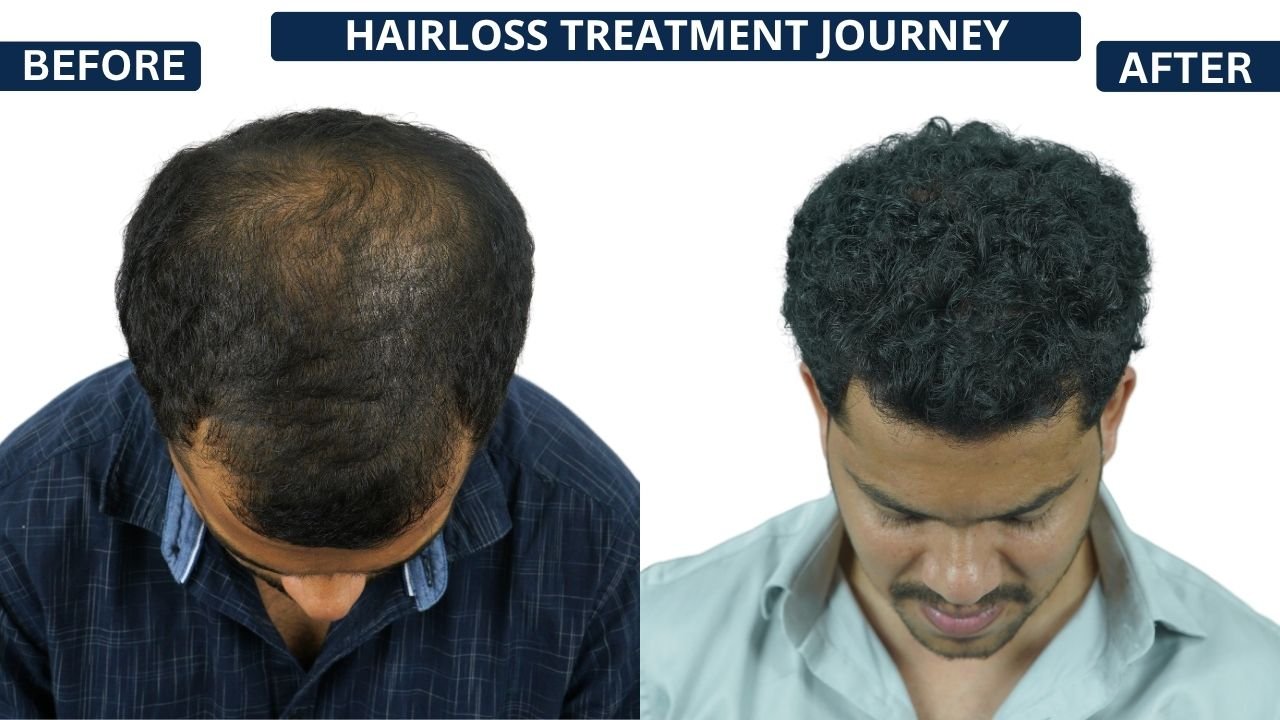
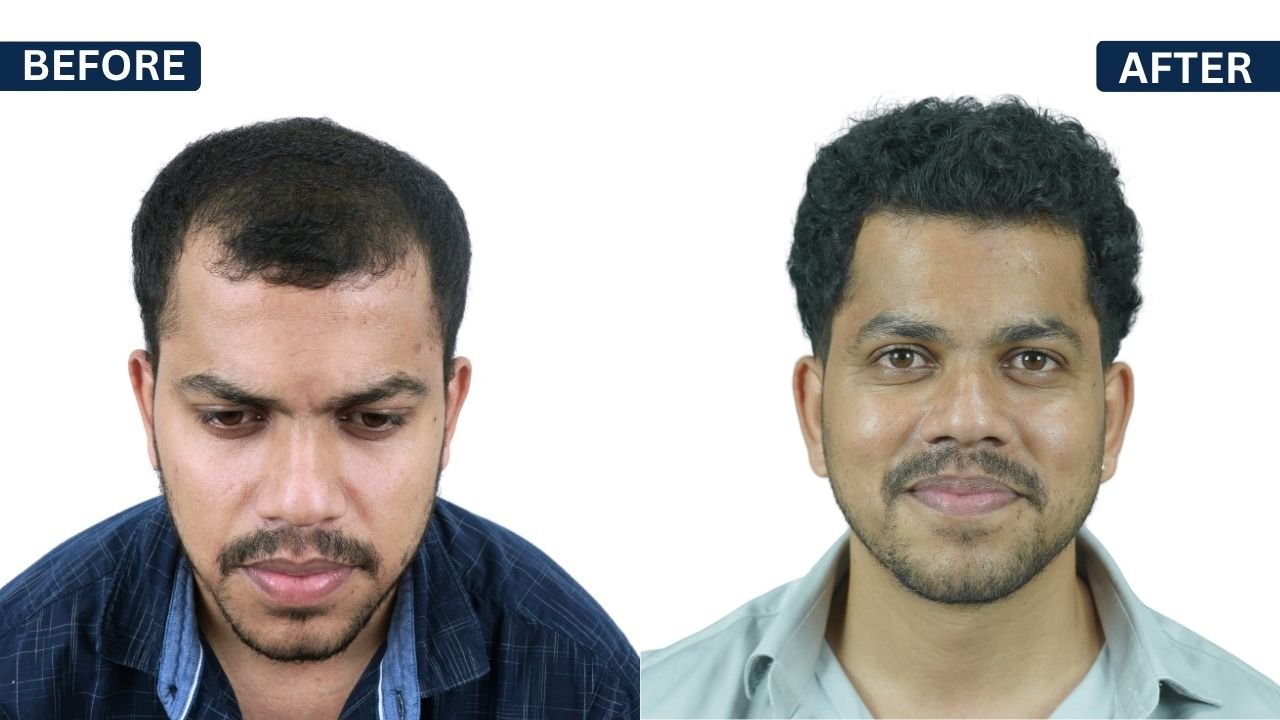
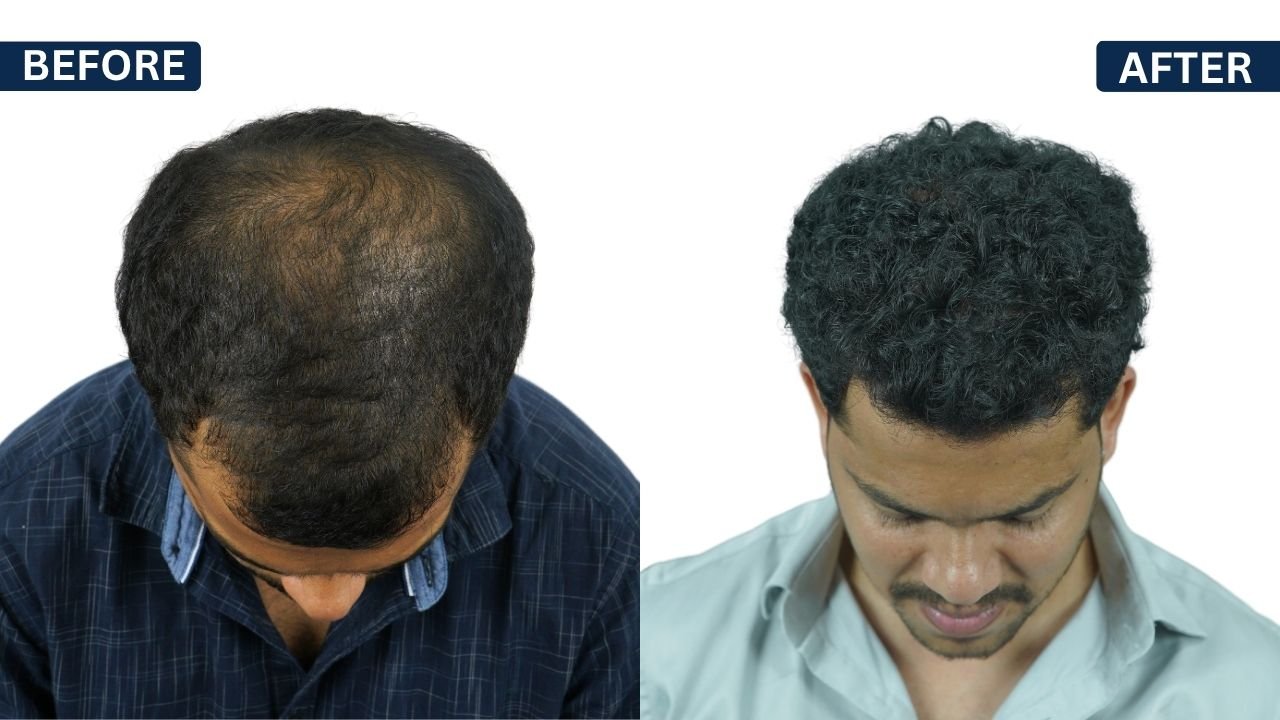
Male Hair Transplant Before & After Results

The Change: A New Beginning

For this patient, the PRP journey was focused on managing progressive hair thinning and supporting healthier hair growth.

With a structured series of PRP sessions, along with recommended hair care, Minoxidil, vitamins, and lifestyle support, the treatment aimed to strengthen existing hair follicles and improve the overall appearance of hair density.

As the treatment progressed, the patient continued regular follow-ups and maintenance care, marking a positive step toward better hair health, improved scalp coverage, and greater confidence in his appearance.

What Our Patients Says

Why Choose Dr. Kiran Chotaliya for PRP Hair Treatment

  • Expert Hair Restoration Care: Dr. Kiran Chotaliya provides personalized PRP treatment plans based on the patient’s hair-loss pattern, scalp condition, and overall hair-restoration needs.
  • Customized PRP Treatment Plan: The number of sessions, treatment interval, and supportive care are planned according to individual hair-loss severity and clinical assessment.
  • Precise Micro-Injection Technique: PRP is administered carefully into targeted thinning areas to support existing hair follicles and improve overall scalp coverage.
  • Focus on Hair Preservation: Treatment is designed not only to support hair growth but also to help preserve and strengthen existing hair.
  • Supportive Medical Management: When required, PRP may be combined with Minoxidil, vitamins, maintenance serums, and other doctor-advised treatments.
  • Regular Follow-Up & Maintenance: Ongoing assessment helps track progress and allows the treatment and maintenance plan to be adjusted according to the patient’s response.
drkiranchotaliya

FAQ'S

1. How many PRP sessions has this patient completed?

The patient has completed 8 PRP sessions in total.

The patient was documented as having Grade 3 progressive hair loss.

No. The number of sessions varies depending on the degree of hair loss, individual treatment response and clinical assessment.

The patient has completed 8 PRP sessions in total.

Hair Transplant in Pune

Dr. Kiran Chotaliya is a leading hair transplant surgeon in Pune, specializing in advanced techniques like FUE and FUT for natural, lasting results. His expertise and patient-centered care ensure successful hair restoration with exceptional outcomes.

Follow Us

GET IN TOUCH

© 2026 Developed & Handle By Dr. Kiran Chotaliya Clinic Team

Location

© 2026 Developed & Handle By Dr. Kiran Chotaliya Clinic Team

Scroll to Top