

7-Month Female Hair Transplant Case Study – 1,000 Grafts with BIO FUE

7-Month Female Hair Transplant Case Study – 1,000 Grafts with BIO FUE

Written by: Dr. Kiran Chotaliya Editorial Team  ·  Reviewed by: Dr. Kiran Chotaliya, M.D. Dermatologist & Chief Hair transplant Surgeon  ·  Hairfree & Hairgrow Clinics, India  ·  Updated OCT 2026

This case study should be published only with the patient’s appropriate consent. Hair transplant outcomes vary depending on factors such as the hair-loss pattern, donor quality, graft characteristics, existing hair density, scalp condition, healing response, post-treatment care, and individual growth cycles. The 7-month result represents an intermediate stage rather than the final outcome.

Patient Consent Notice

This case study should be published only with the patient’s appropriate consent.

Hair transplant outcomes vary from patient to patient depending on factors such as hair-loss pattern, donor quality, graft characteristics, healing response, scalp condition, post-treatment care, medical maintenance, and individual growth cycles.

The 9-month result represents an advanced but still potentially evolving stage rather than necessarily the final outcome.

Patient Profile & Diagnosis

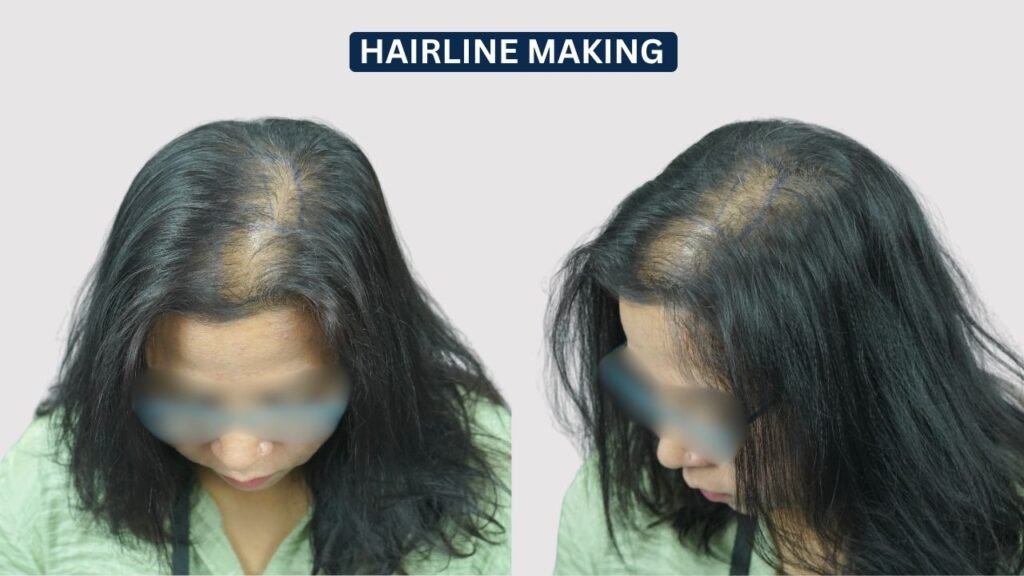
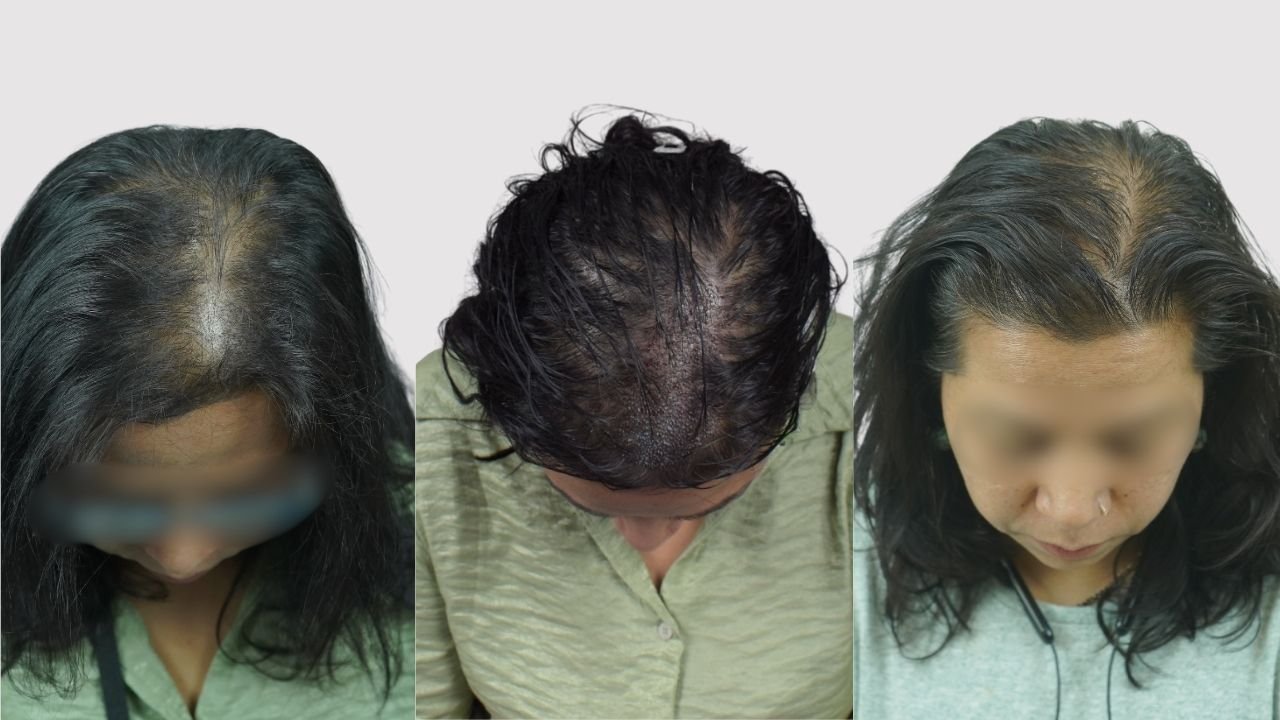
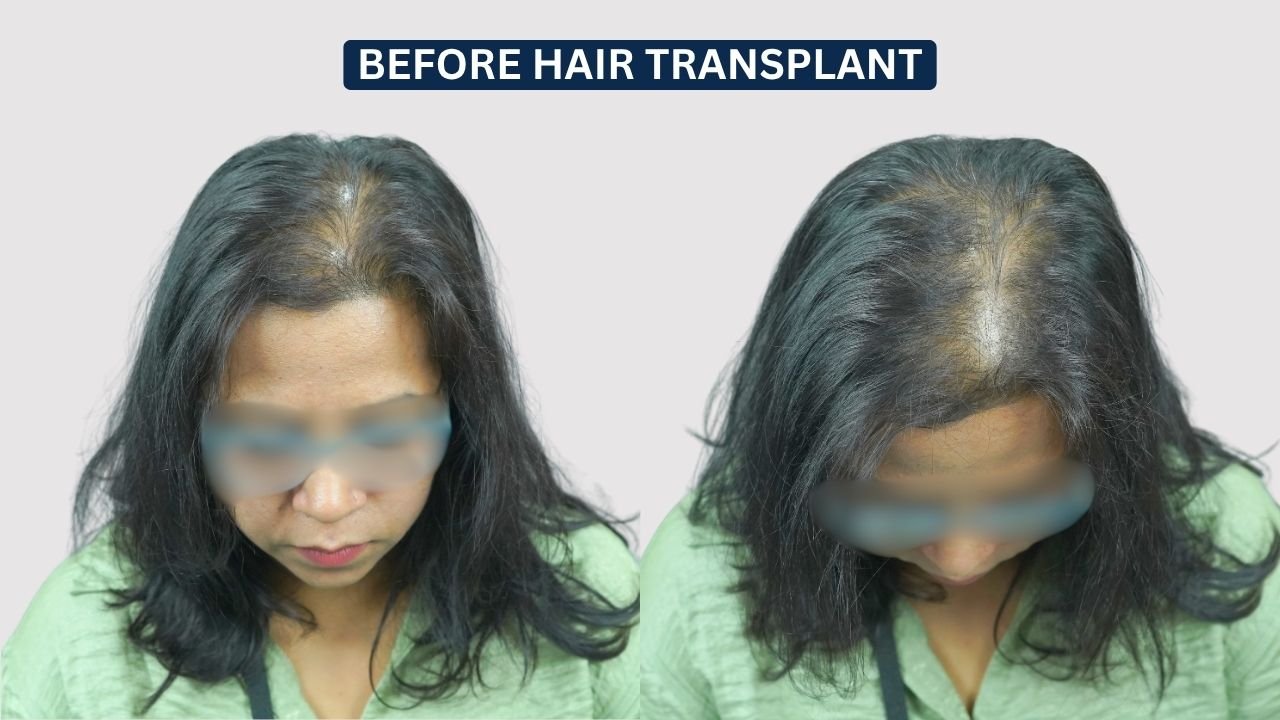
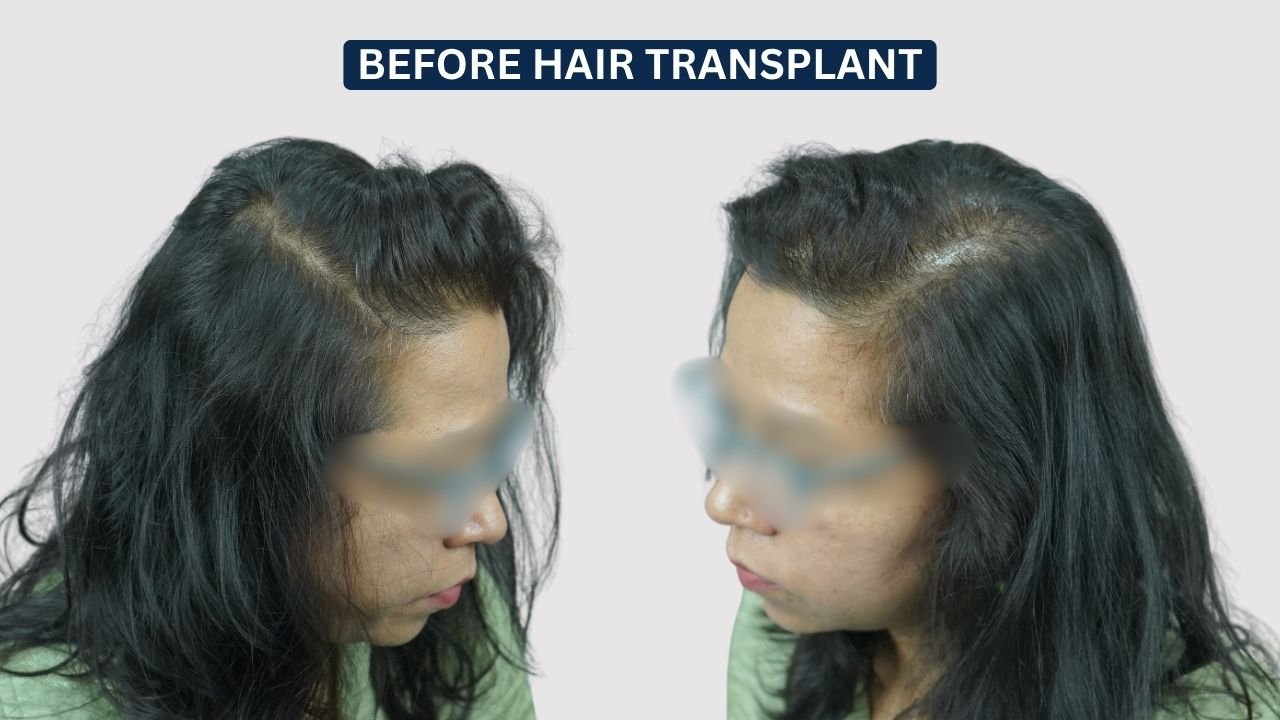
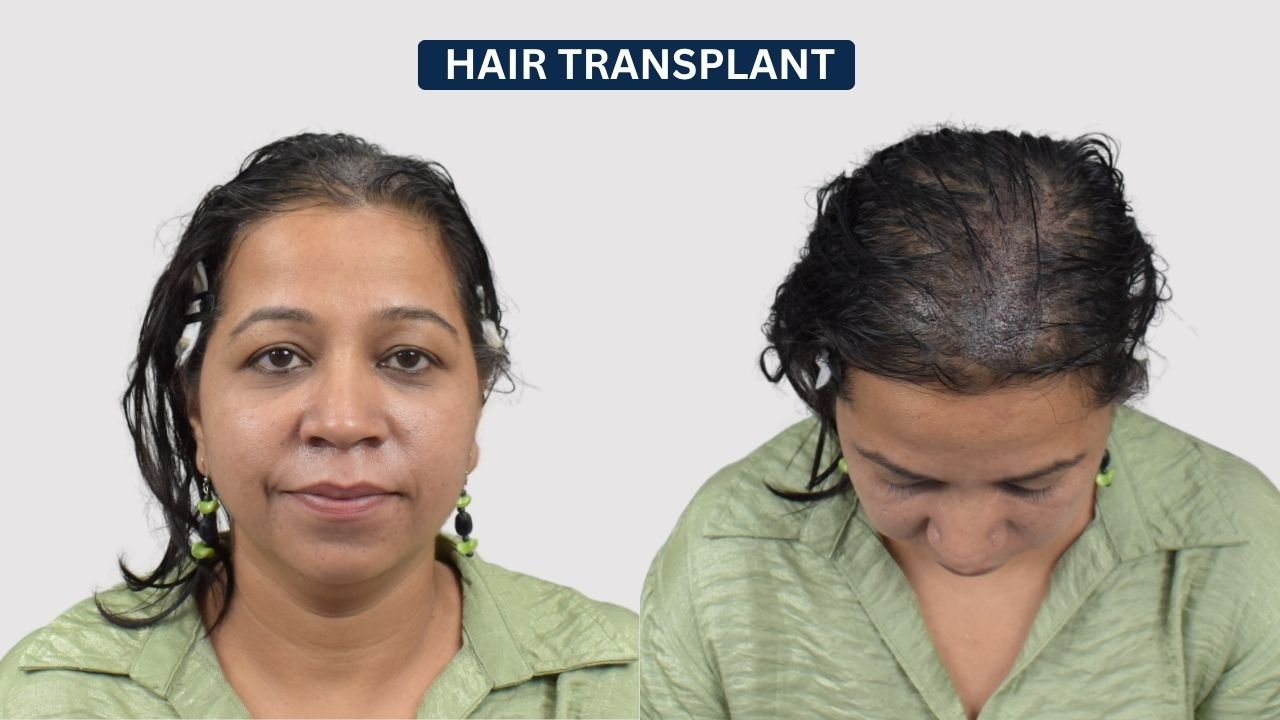
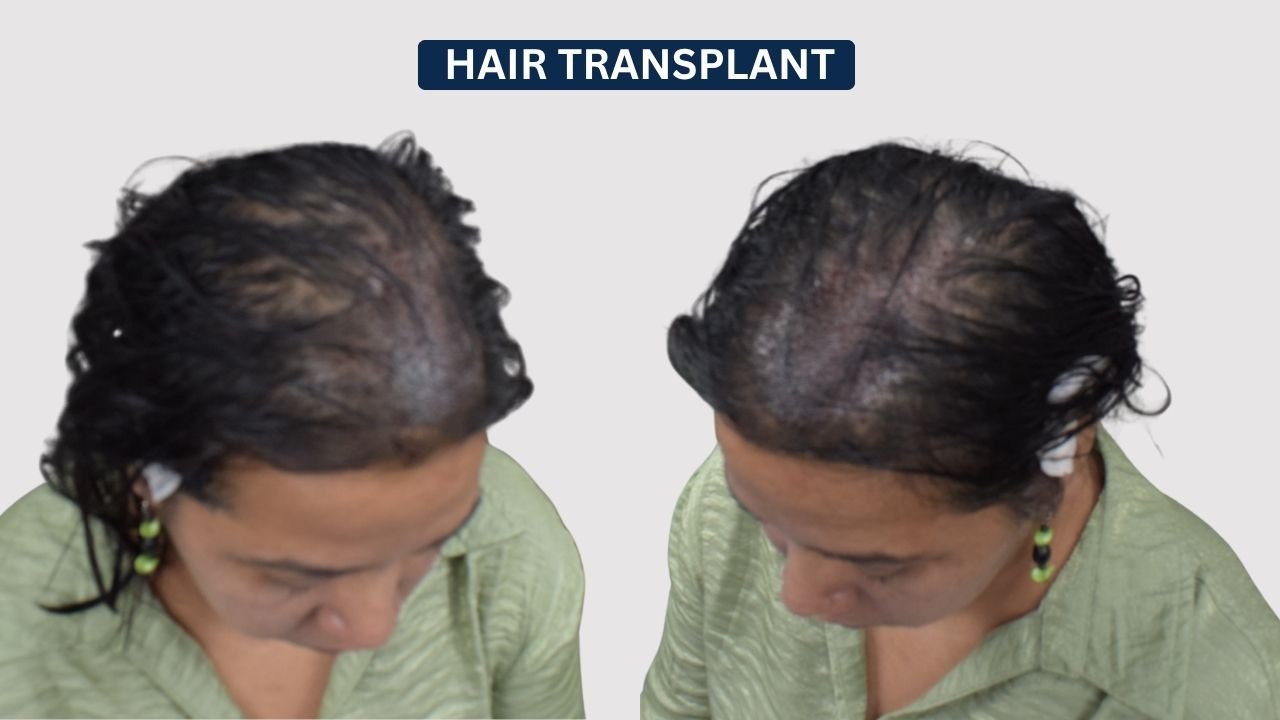
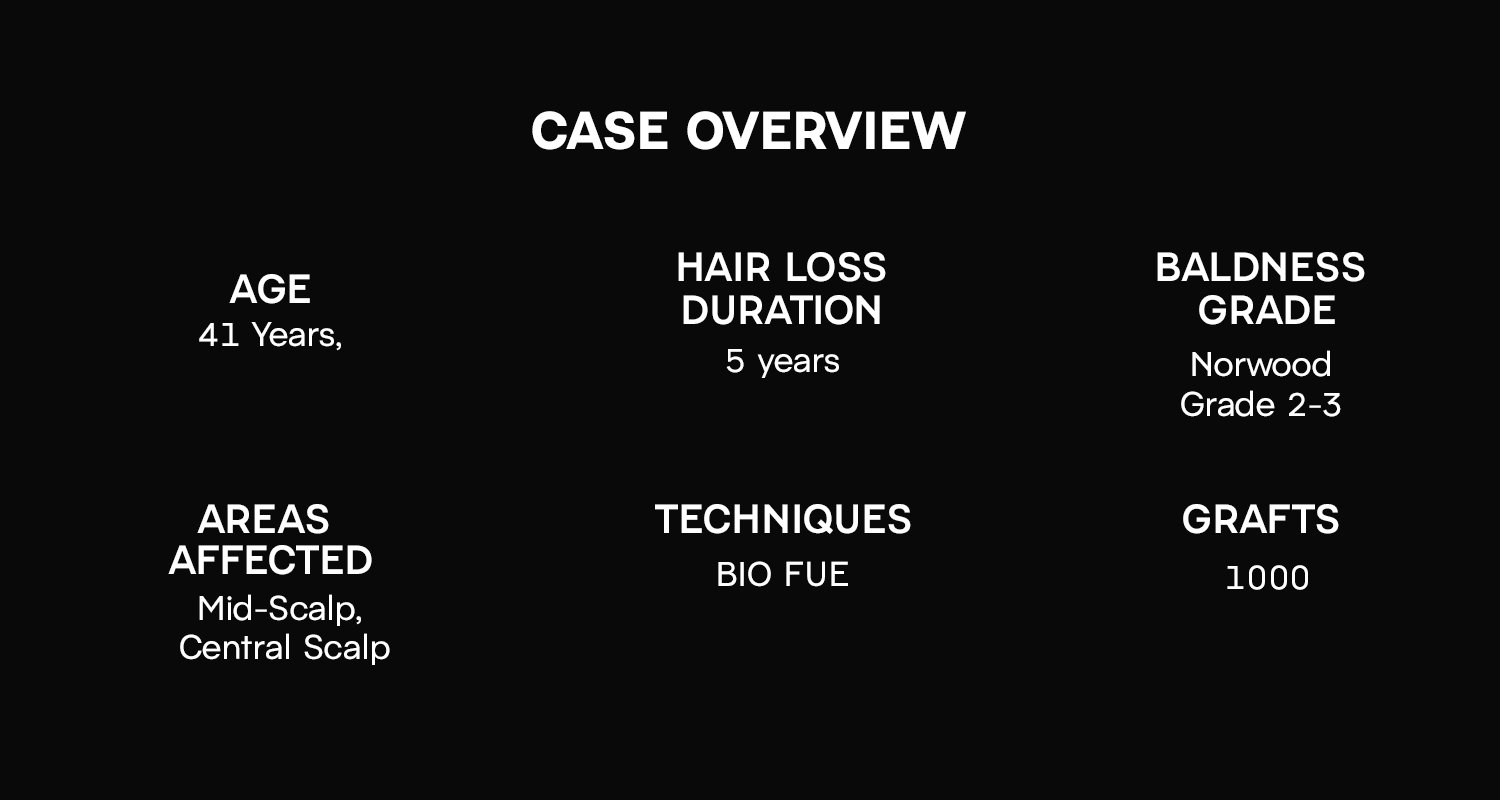
A 41-year-old female patient presented with a history of hair loss for approximately 5 years. Her hair-loss pattern was documented as Grade 2–3 thinning, primarily affecting the mid-scalp and central scalp. No significant medical history was reported.

After clinical assessment, a hair transplant using the BIO FUE technique was planned to improve coverage within the thinning central scalp while blending the transplanted grafts with her existing native hair.

Patient Details

  • Age: 41 years
  • Gender: Female
  • Duration of Hair Loss: Approximately 5 years
  • Grade of Hair Loss: Grade 2–3
  • Areas Affected: Mid-scalp and central scalp
  • Medical History: No significant medical history reported
  • Treatment Selected: Hair Transplant
  • Technique: BIO FUE
  • Initial Grafts Planned: 750
  • Grafts Actually Transplanted: 1,000
  • Graft Hair Quality: Good
  • Sessions Planned: 1–2 day session
  • Post-Treatment Support: Hair vitamins + Minoxidil + PRP
  • Follow-Up Journey: 7 months

Case Record Note: The initial hair transplant plan estimated 750 grafts, while the treatment record documents that 1,000 grafts were ultimately transplanted

Case Overview

Age, City

47 Years,
Pune, India

Hair Loss Duration

12–15 Years

Baldness Grade

Norwood
Grade 4–5

Areas Affected

Hairline,
Mid Scalp,
Crown Thinning

Techniques

Big FUE

Grafts

3220+

Patient's Main Hair Loss Concerns & Expectations

The patient’s main concern was progressive thinning over the mid-scalp and central scalp, which had developed gradually over approximately five years.

The treatment was planned to improve coverage while preserving and blending with the native hair already present in the affected region.

The main treatment objectives were:

  • Improve coverage of the mid-scalp
  • Improve central scalp density
  • Reduce visible thinning
  • Improve blending with existing native hair
  • Maintain natural hair direction
  • Preserve surrounding native follicles
  • Use donor grafts appropriately
  • Support long-term maintenance of existing hair

Clinical Assessment & Hairline Designing

Before transplantation, the scalp and donor area were assessed to determine the appropriate treatment strategy.

The evaluation focused on:

  • Degree of Grade 2–3 thinning
  • Mid-scalp and central scalp coverage
  • Existing native-hair density
  • Donor-area quality
  • Hair shaft characteristics
  • Graft requirements
  • Direction of surrounding native hair
  • Distribution of transplanted grafts
  • Long-term preservation of existing hair

Because the patient still had native hair throughout the thinning area, careful graft placement was important to improve coverage while integrating the transplanted follicles naturally with the existing hair.

Personalized Hair Transplant Treatment Plan

Grade of Hair Loss

Grade 2–3

Areas Treated

Mid-scalp and central scalp

Technique

BIO FUE

Initial Grafts Required

750 grafts

Grafts Actually Transplanted

1,000 grafts

Graft Hair Quality

Good

Sessions Planned

1–2 day session

Post-Treatment Support

Hair vitamins + Minoxidil + PRP, as advised by the treating doctor.

The personalized treatment plan focused on improving central scalp coverage while maintaining natural integration with the patient’s existing hair.

Detailed Graft Breakdown for NW3 Restoration

Single Hair Grafts
530
For Natural Hairline
Multi Hair Grafts
2480
Mid Scalp Coverage
Total Grafts Done
3010
Total Grafts Transplanted: (add case specific number)
Parameter
No. of Grafts
Details
Single hair grafts
530
For natural hairline
Multi hair grafts
2480
Mid scalp coverage
Total grafts done
3010

BIO FUE Hair Transplant Procedure

The patient underwent hair transplantation using the BIO FUE technique.

According to the treatment record:

  • 1,000 grafts were transplanted
  • Graft hair quality was documented as good
  • The mid-scalp and central scalp were the primary treatment areas
  • Grafts were positioned according to the direction of surrounding native hair
  • Existing hair was considered during recipient-site planning
  • Post-transplant supportive treatment included hair vitamins, Minoxidil, and PRP

The goal was to improve visible density while achieving a gradual and natural-looking transition within the existing hair.

Post Hair Transplant Care

Following the procedure, the patient was advised to follow the prescribed post-operative care instructions:

  • Complete prescribed post-hair-transplant medicines for approximately 5–7 days
  • Begin head washing from around the 7th day with baby shampoo, according to instructions
  • Sleep normally as advised
  • Maintain a healthy diet
  • Avoid excessive sunlight for approximately 10–15 days
  • Avoid strenuous exercise for approximately 10–15 days
  • Wear a loose cap outdoors for approximately one month, when advised
  • Avoid rubbing or scratching the transplanted area
  • Attend scheduled follow-up consultations

Long-Term Hair Maintenance Plan

Hair transplantation improves selected thinning areas but does not necessarily prevent further thinning of surrounding native hair. Long-term maintenance therefore remains important.

The patient was advised to:

  • Maintain a healthy hair-supportive diet
  • Follow a healthy lifestyle
  • Maintain adequate sleep and hydration
  • Use Minoxidil or a maintenance serum when advised
  • Continue hair vitamins when clinically recommended
  • Continue PRP if advised by the treating doctor
  • Maintain appropriate scalp hygiene
  • Monitor for increased hair shedding or new thinning
  • Attend periodic follow-up consultations
  • Consult the clinic or arrange an online consultation if increased hair fall or other concerns develop

7-Month Hair Transplant Growth Timeline

Week 1–2: Initial Healing

During the first two weeks, the transplanted grafts begin settling while the donor and recipient areas gradually recover.

Possible early changes may include:

  • Mild redness
  • Temporary swelling
  • Small scabs or crusting
  • Mild scalp sensitivity
  • Gradual healing of treated areas

Protecting the newly transplanted grafts is the main priority during this stage.

Month 1–3: Temporary Shedding Phase

During the early months, some transplanted hair shafts may temporarily shed as part of the normal post-transplant growth cycle.

During this stage:

  • Some transplanted hairs may shed
  • Visible density may temporarily appear reduced
  • The scalp continues healing
  • Transplanted follicles remain beneath the skin
  • Existing native hair continues contributing to overall coverage
  • Minoxidil may be continued when advised
  • Hair vitamins may be taken when recommended
  • PRP may be used as supportive treatment when advised

Temporary shedding should not automatically be interpreted as graft failure.

Month 4–5: Early New Hair Growth

From approximately the fourth month onward, new transplanted hairs may gradually begin appearing.

Possible developments include:

  • Fine new hair emerging
  • Early improvement in coverage
  • Gradual reduction in scalp visibility
  • Better integration with existing native hair
  • Early improvement in the appearance of the central scalp

Newly emerging hairs may initially appear fine, short, or uneven.

Month 6: Developing Density

Around the sixth month, transplanted hair generally becomes more noticeable.

Possible changes may include:

  • Increased visible growth
  • Better coverage of the mid-scalp
  • Improved central scalp appearance
  • Progressive thickening of transplanted hairs
  • Better blending with surrounding native hair

The result is still developing during this stage.

Month 7: Progressive Growth Stage

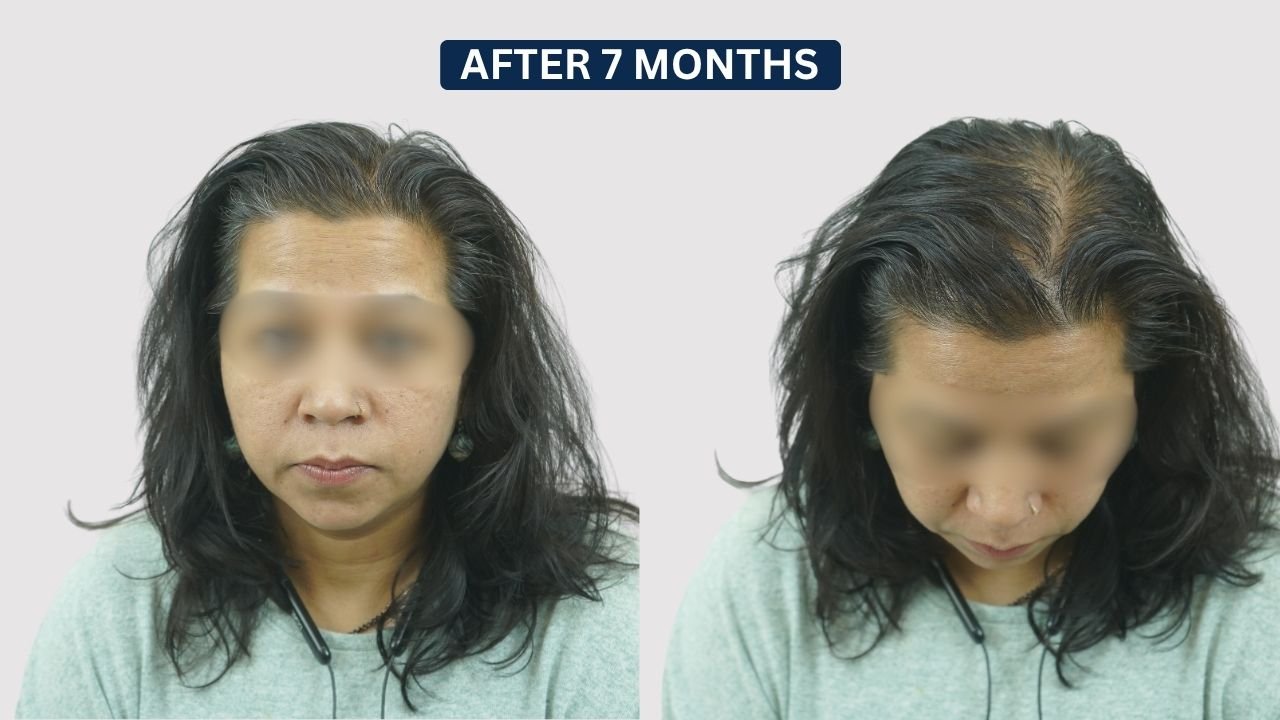
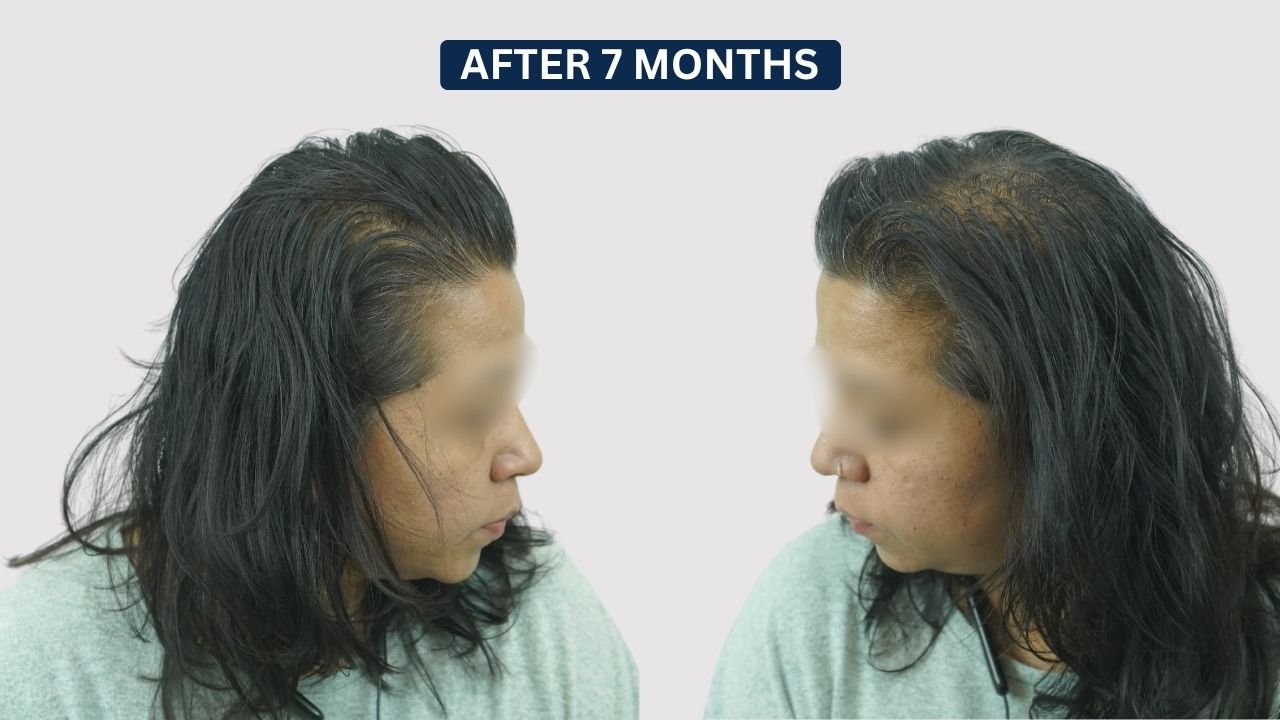
At 7 months, the patient has entered a progressive growth and early maturation stage.

Clinical assessment at this point may focus on:

  • Increasing transplanted hair thickness
  • Development of central scalp coverage
  • Overall density
  • Scalp visibility
  • Blending with native hair
  • Hair texture and calibre
  • Stability of surrounding native hair

Because this is a 7-month follow-up, it should be considered an intermediate result rather than the final hair transplant outcome.

7-Month Hair Transplant Result

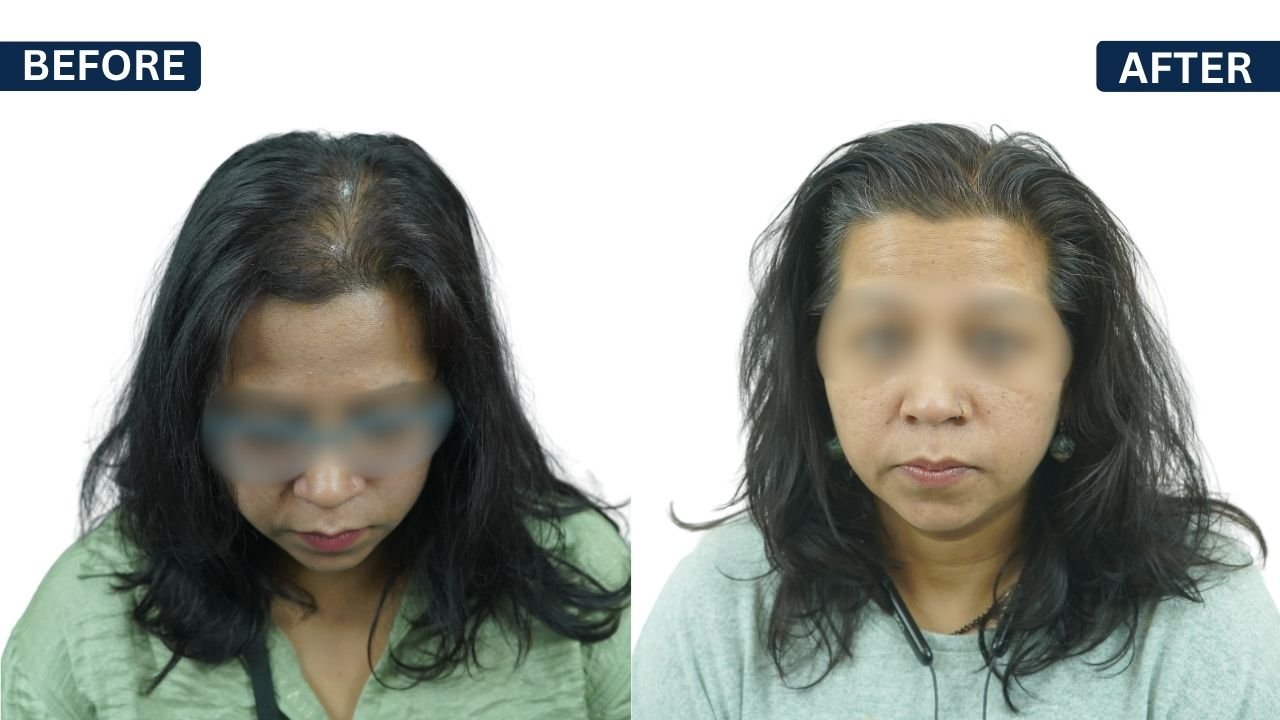
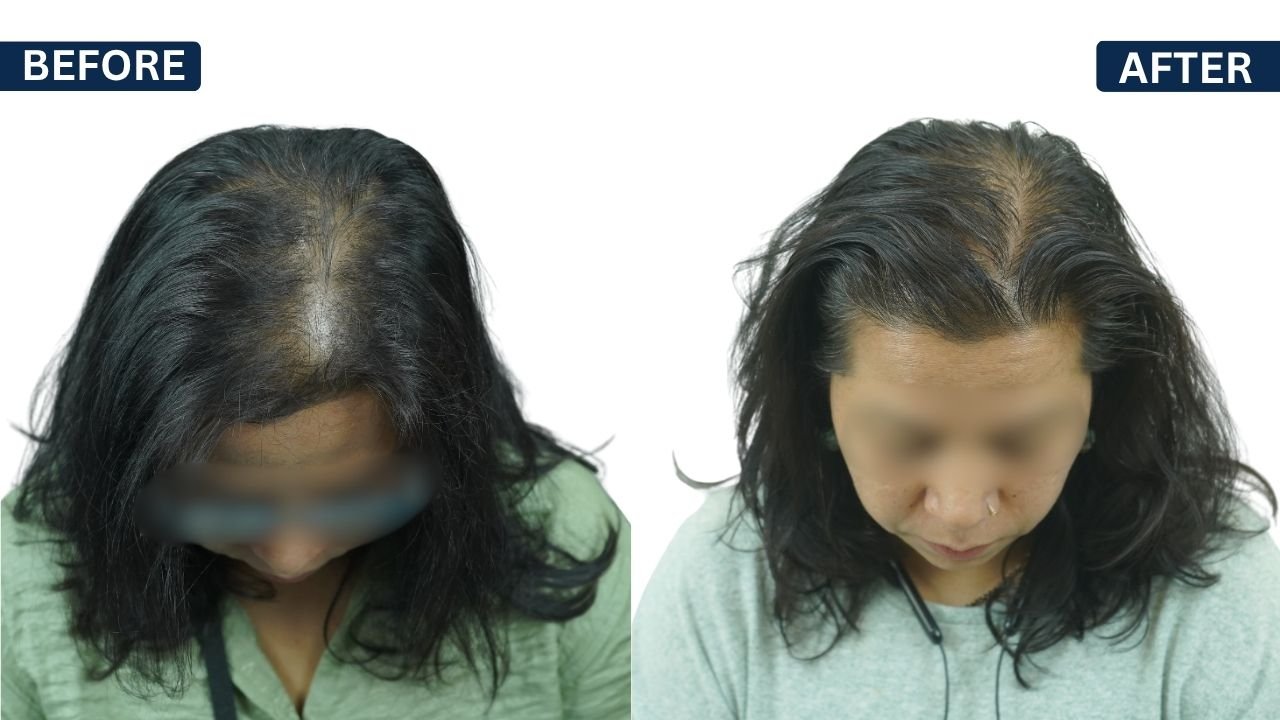
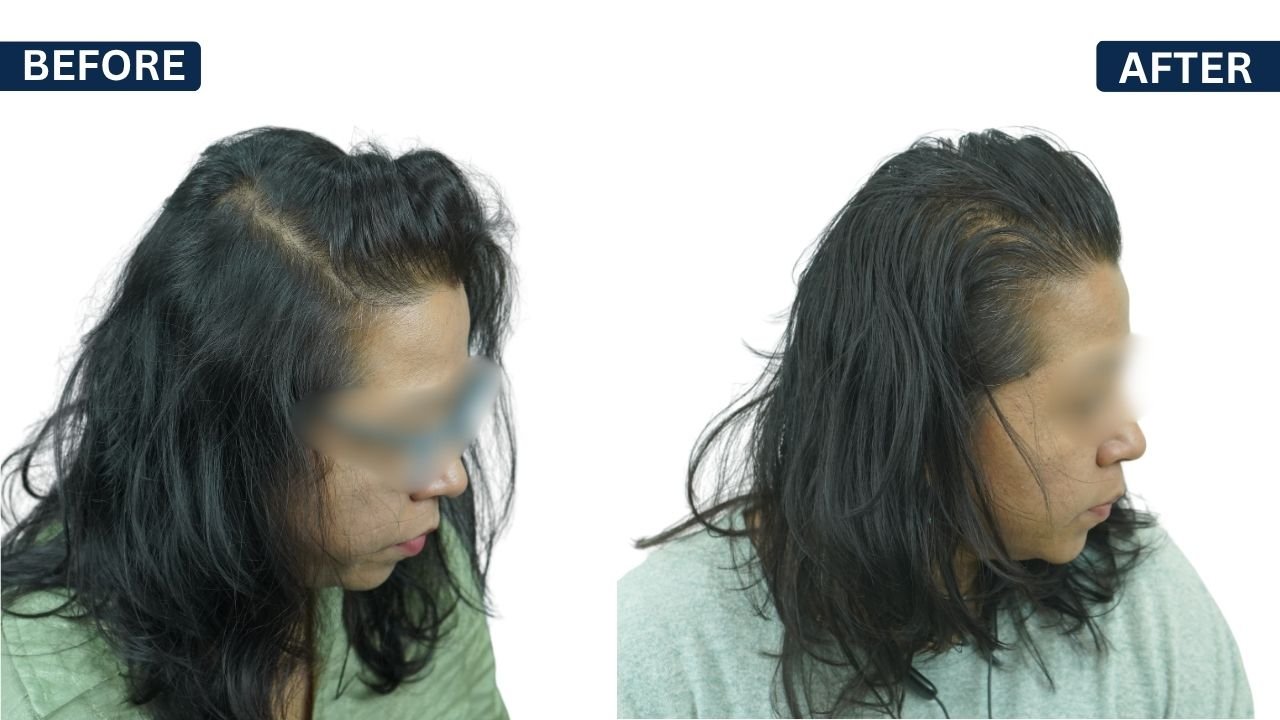
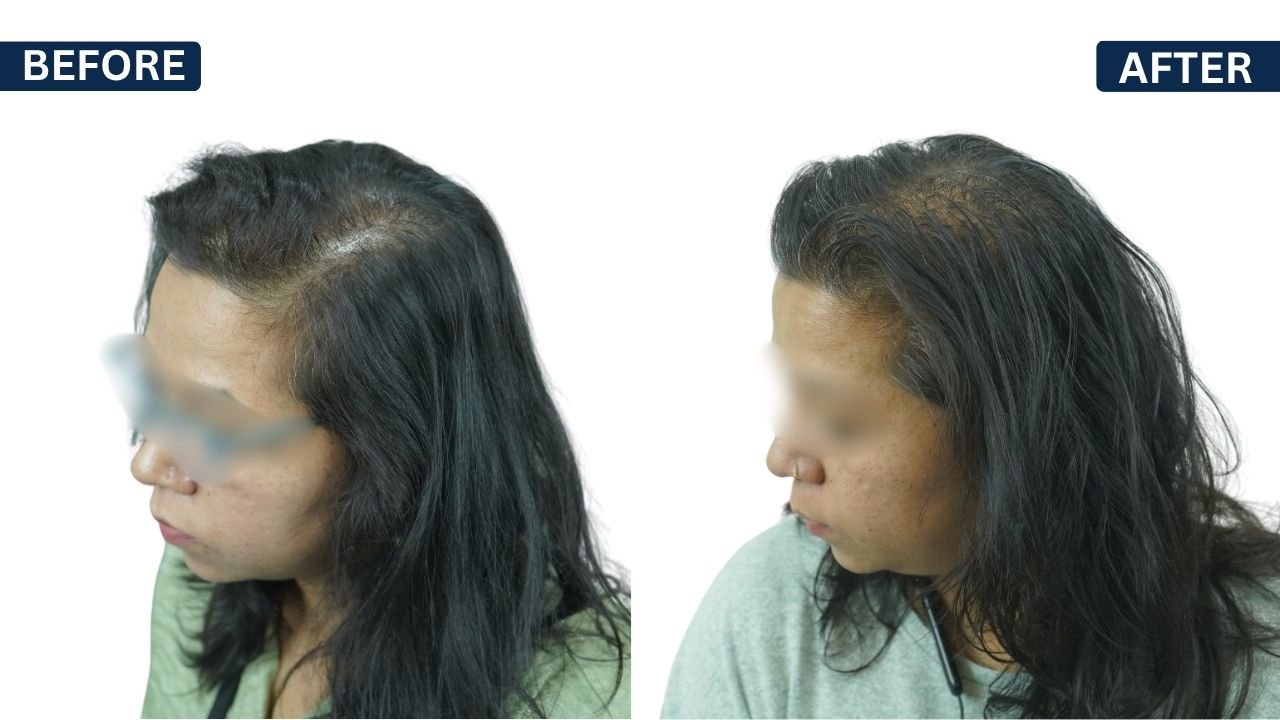
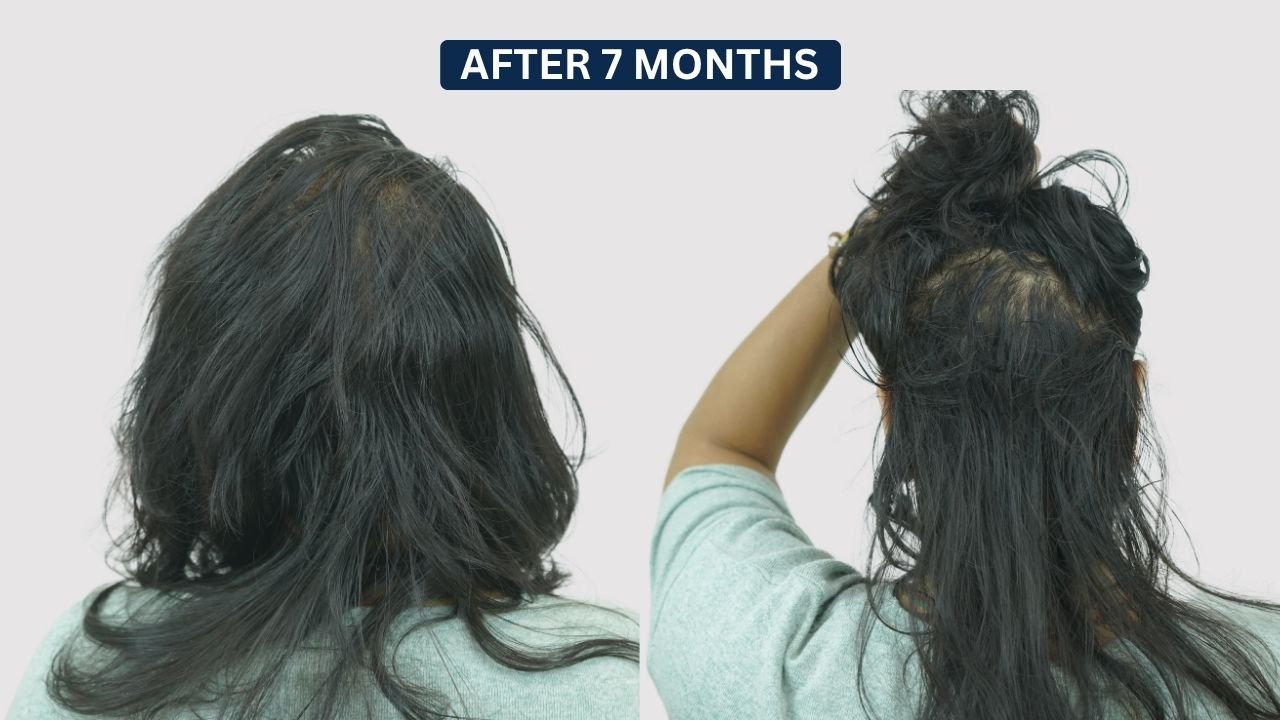
The patient has completed 7 months of follow-up after transplantation of 1,000 BIO FUE grafts.

At this stage, the transplanted follicles have progressed beyond the initial healing and shedding phases and are entering a more active period of growth and maturation.

The current assessment should focus on:

  • Mid-scalp coverage
  • Central scalp density
  • Hair thickness
  • Hair texture
  • Blending with native hair
  • Scalp visibility
  • Overall development of the transplanted area

The provided case material does not include objective density measurements or standardized 7-month result data, so a specific percentage improvement should not be claimed.

What Happens After 7 Months?

The 7-month stage is not considered the final result.

Month 8–9

During the next few months, transplanted hairs may continue to:

  • Increase in thickness
  • Gain additional length
  • Improve visible density
  • Blend more naturally with existing hair
  • Reduce the appearance of scalp visibility

Month 10–12

During the later maturation phase, assessment may focus on:

  • Mature hair thickness
  • Texture
  • Density
  • Central scalp coverage
  • Overall blending
  • Styling flexibility

Additional maturation may continue beyond 12 months depending on the patient’s individual hair-growth cycle.

Male Hair Transplant Before & After Results

The Change: A New Beginning

For this patient, the journey was about much more than regaining hair—it was about rebuilding confidence after years of disappointment.

After living with unsuccessful FUT and FUE procedures, the BIG-FUE corrective hair transplant provided a natural, fuller appearance that complemented his facial features and age.

Today, he feels more confident in both professional and personal settings, with results that reflect careful planning, surgical precision, and long-term hair management.

What Our Patients Says

Why Choose Dr. Kiran Chotaliya for Your Hair Restoration

  • Expert Surgical Leadership: Dr. Kiran Chotaliya is a premier hair transplant surgeon in Pune, specializing in complex NW3 to NW7 cases with a focus on surgical artistry.
  • Superior BIG-FUE Advantage: Our signature technique ensures maximum graft survival and high-density results without the downtime of traditional methods.
  • Natural Hairline Aesthetics: We utilize ultra-refined single-hair grafts to create soft, undetectable hairlines that match your natural growth pattern perfectly.
  • Strict Safety & Handling: Our clinic follows international protocols for graft storage and handling, ensuring every follicle has the best chance of flourishing.
  • Holistic Preservation Plan: We provide a lifetime hair management strategy, including PRP and medical support, to prevent future hair loss beyond the transplanted area.
drkiranchotaliya

FAQ'S

1. How many grafts were transplanted?

A total of 1,000 grafts were transplanted, although the initial plan estimated 750 grafts.

The patient underwent hair transplantation using the BIO FUE technique.

The main treatment areas were the mid-scalp and central scalp.

No. Seven months represents an intermediate growth stage, and further maturation may continue.

Hair Transplant in Pune

Dr. Kiran Chotaliya is a leading hair transplant surgeon in Pune, specializing in advanced techniques like FUE and FUT for natural, lasting results. His expertise and patient-centered care ensure successful hair restoration with exceptional outcomes.

Follow Us

GET IN TOUCH

© 2026 Developed & Handle By Dr. Kiran Chotaliya Clinic Team

Location

© 2026 Developed & Handle By Dr. Kiran Chotaliya Clinic Team

Scroll to Top