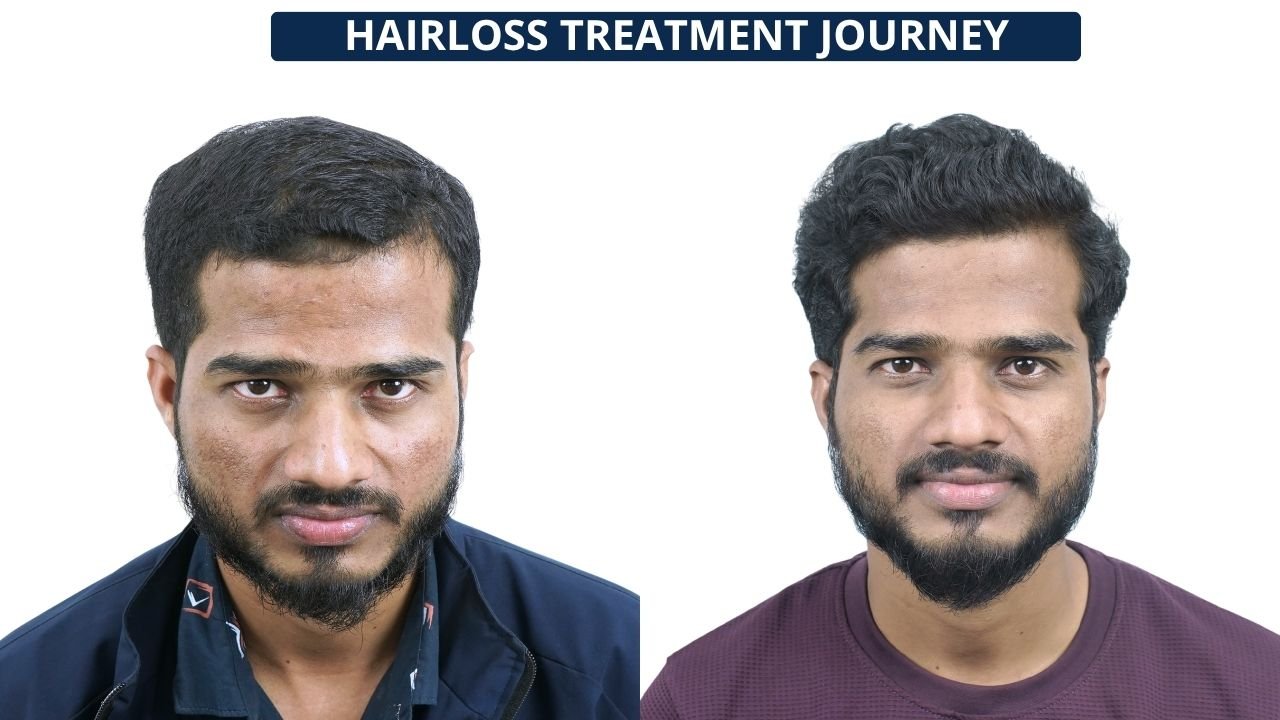


PRP Hair Treatment Case Study – 5 PRP Sessions Completed for Progressive Crown & Vertex Hair Loss

PRP Hair Treatment Case Study – 5 PRP Sessions Completed for Progressive Crown & Vertex Hair Loss

Written by: Dr. Kiran Chotaliya Editorial Team  ·  Reviewed by: Dr. Kiran Chotaliya, M.D. Dermatologist & Chief Hair transplant Surgeon  ·  Hairfree & Hairgrow Clinics, India  ·  Updated Oct 2026

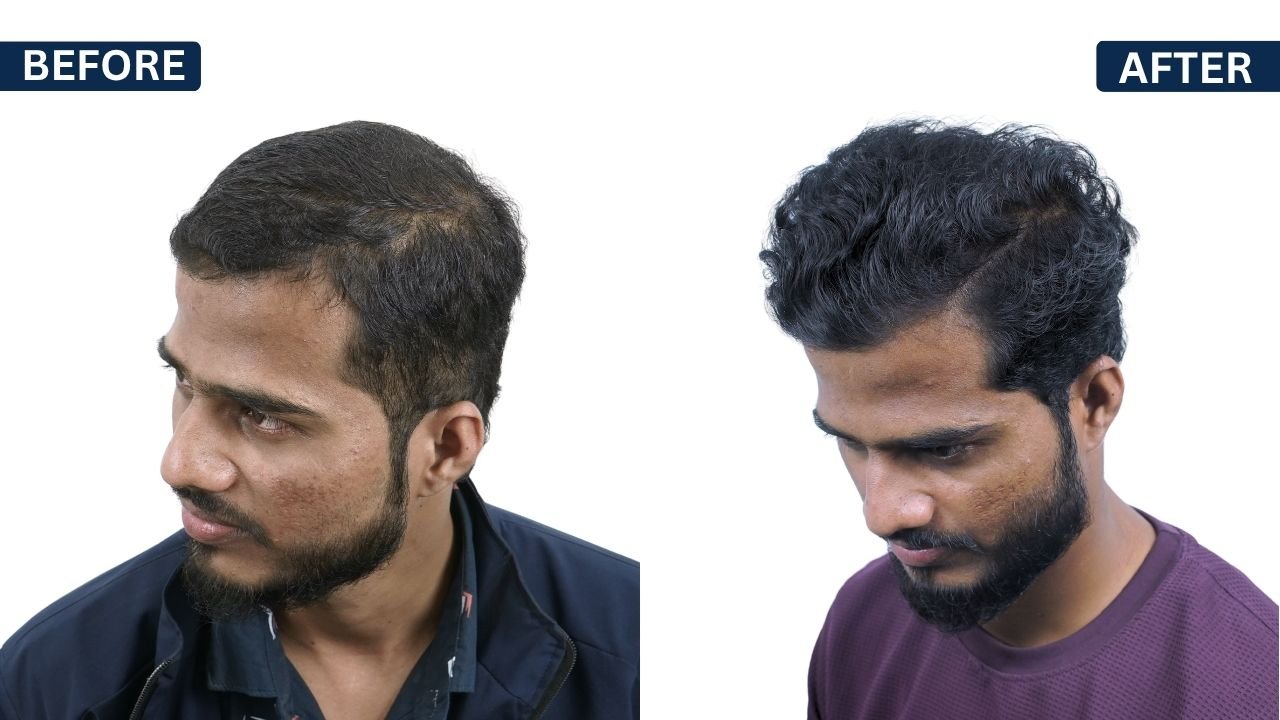
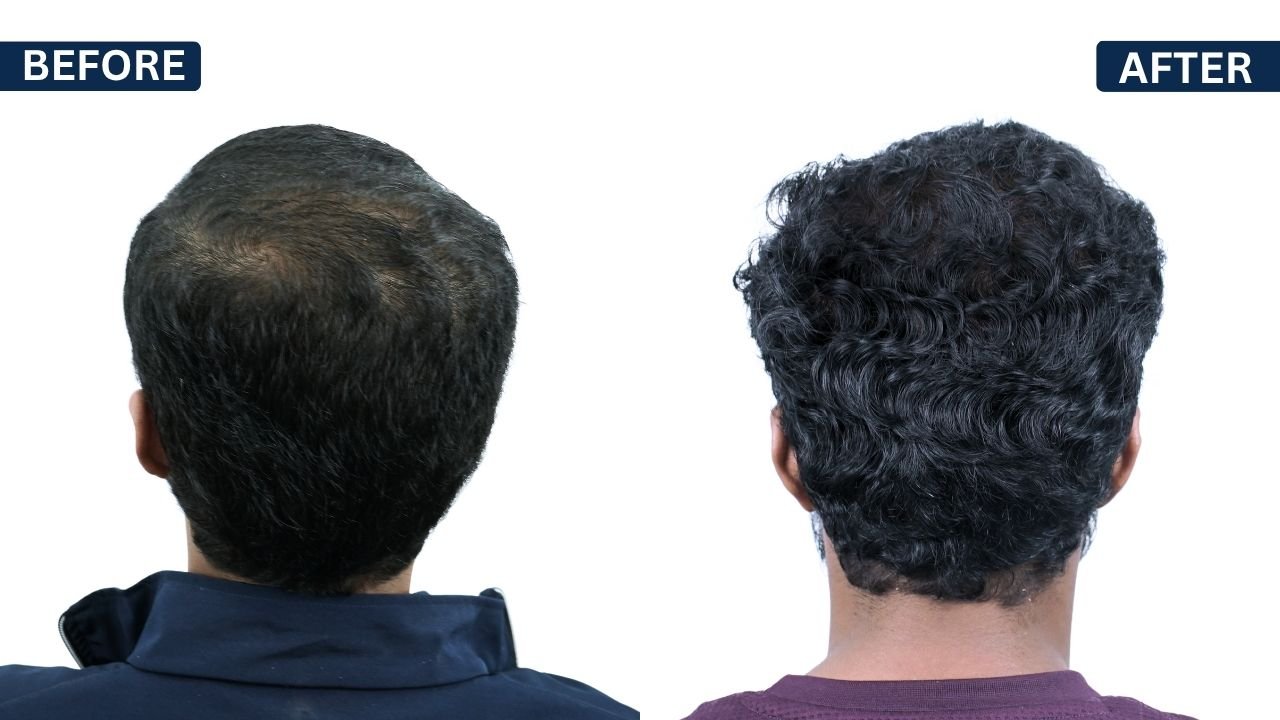
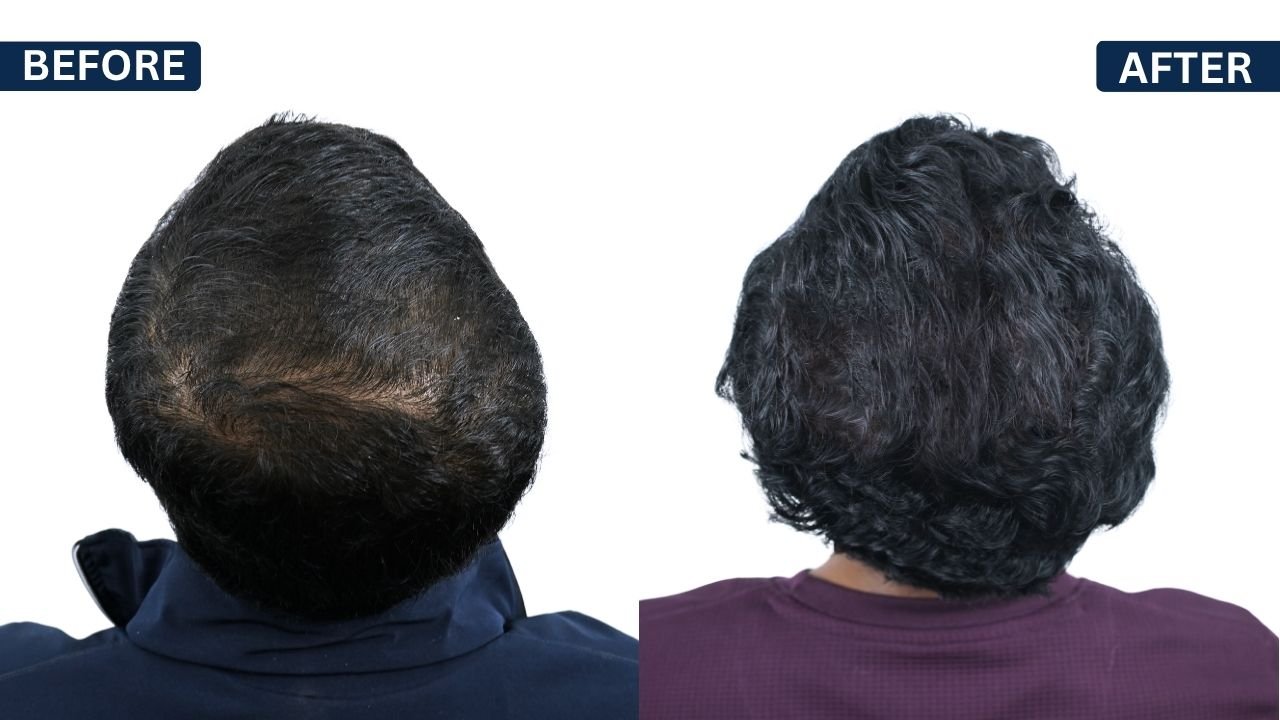
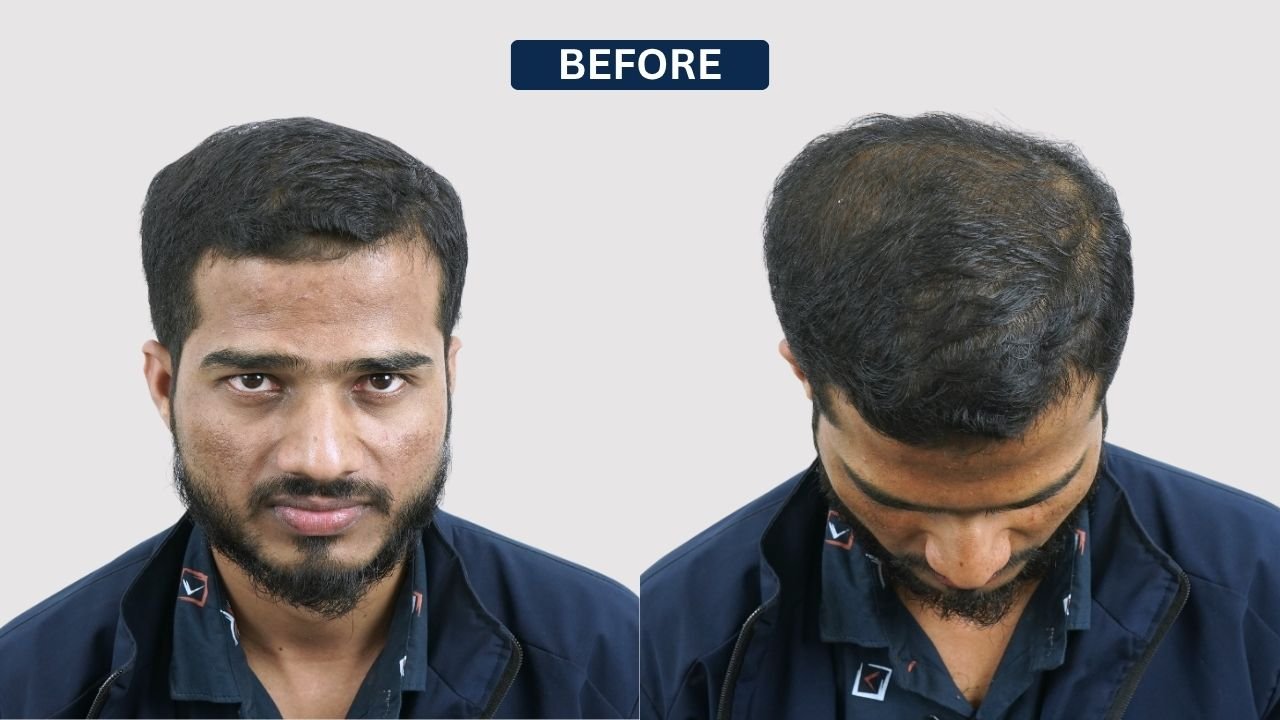
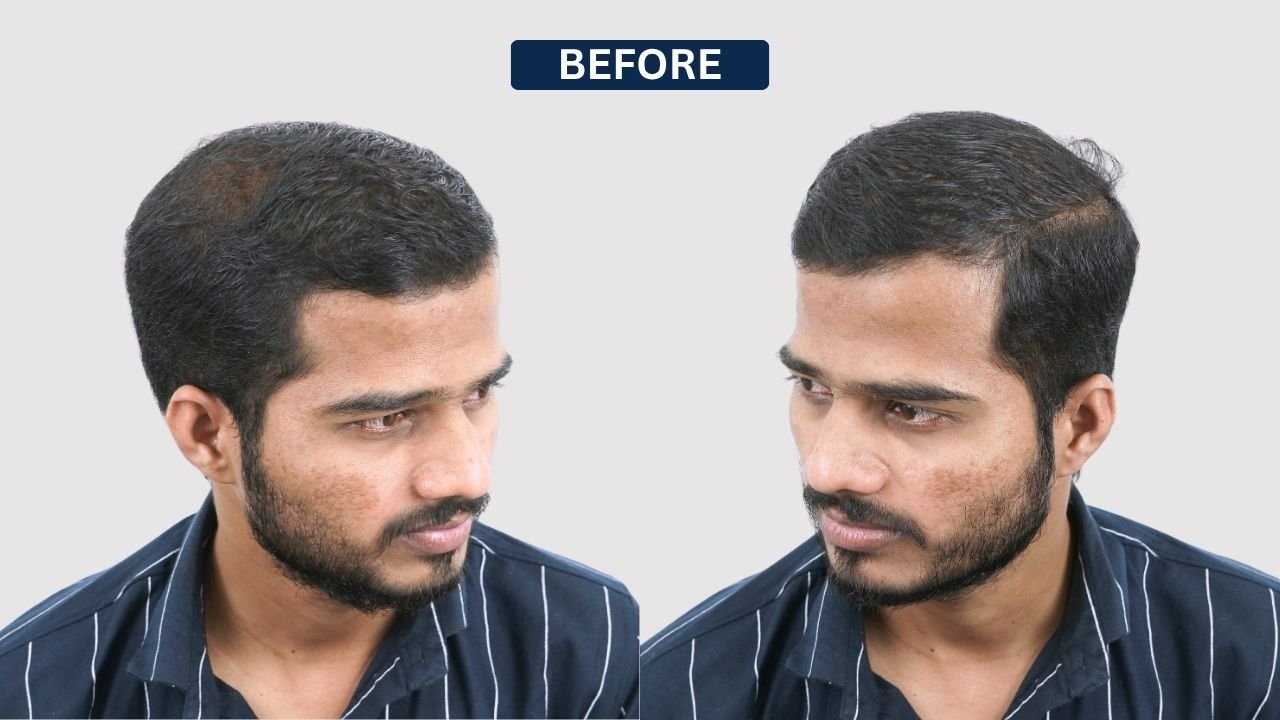
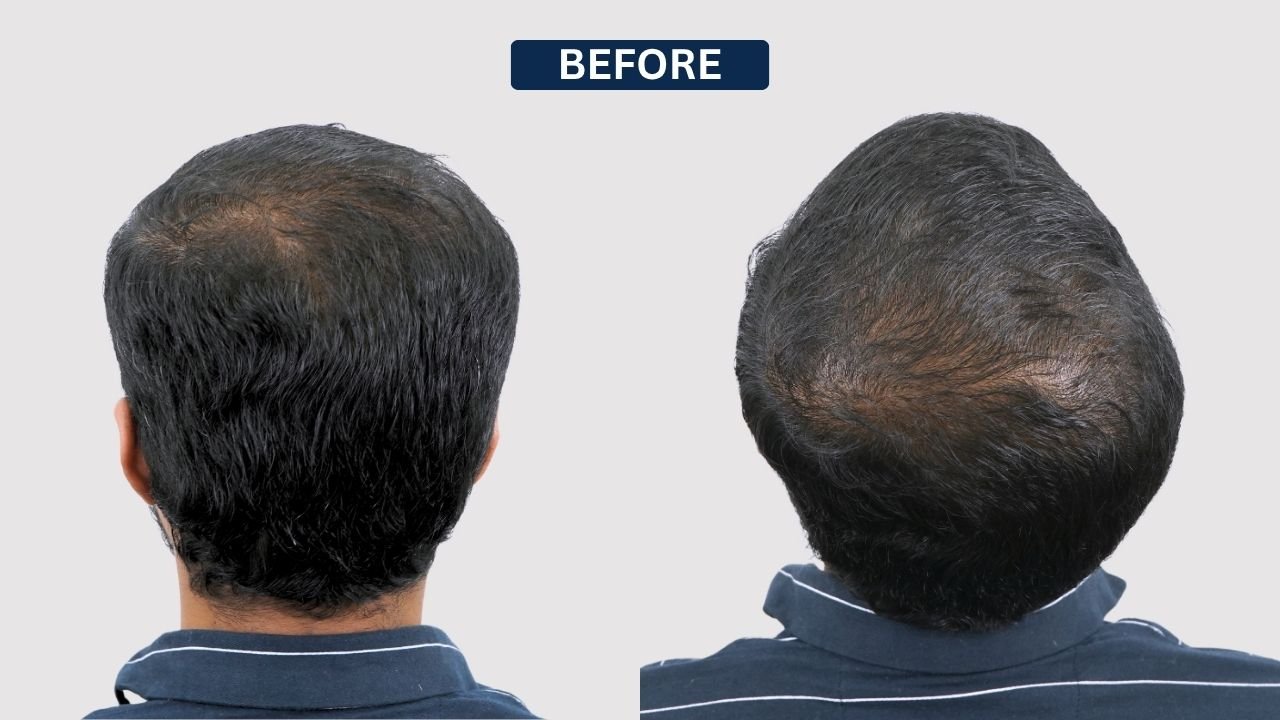
A 25-year-old male patient presented with progressive hair thinning mainly affecting the crown and vertex area. He had been experiencing hair loss for approximately 3.5 years.

Before visiting the clinic, the patient had already tried minoxidil and Ayurvedic hair oils, but continued to notice thinning over the crown and vertex region. No significant medical history was reported.

Patient Consent Notice

This case study is published only with the patient’s appropriate consent. PRP results may vary depending on the severity and duration of hair loss, follicle condition, genetics, treatment consistency, and individual response. The outcome shown reflects this patient’s personal treatment journey and should not be considered a guarantee of similar results for every patient.

Patient Profile & Diagnosis

  • Age: 25 years
  • Gender: Male
  • Duration of Hair Loss: Approximately 3.5 years
  • Hair-Loss Pattern: Grade 3 progressive crown/vertex thinning
  • Medical History: No significant medical history reported
  • Previous Hair Treatment: Minoxidil and Ayurvedic hair oils
  • Treatment Selected: PRP Hair Therapy
  • PRP Sessions Advised: 5
  • PRP Sessions Completed: 5/5
  • Treatment Interval: Approximately 1 month
  • Technique: Micro-injection technique with topical anaesthesia
  • Supportive Care: Minoxidil and vitamins as advised

Case Overview

Age, City

47 Years,
Pune, India

Hair Loss Duration

12–15 Years

Baldness Grade

Norwood
Grade 4–5

Areas Affected

Hairline,
Mid Scalp,
Crown Thinning

Techniques

Big FUE

Grafts

3220+

Patient's Main Concern

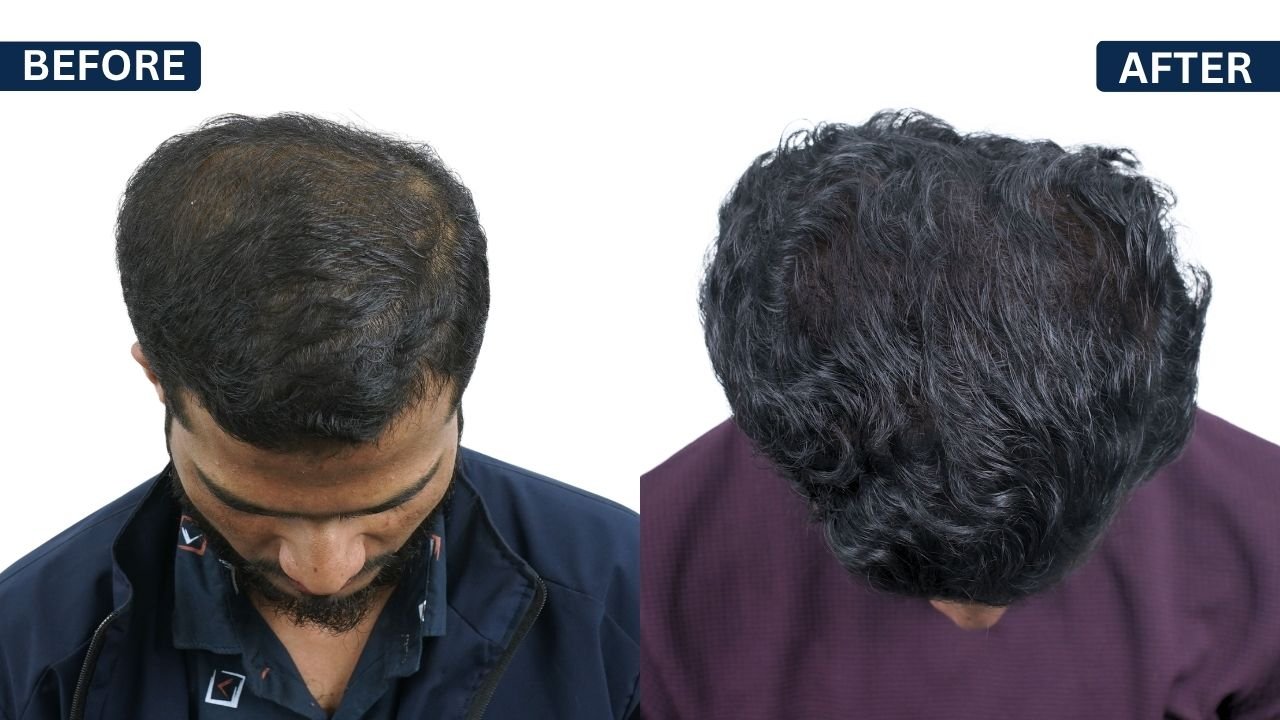
The patient’s major concern was the increasing visibility of the scalp in the crown and vertex region.

Despite previously using topical treatments, he continued to experience progressive thinning. The PRP treatment plan was therefore designed to support existing hair follicles and improve the overall quality of the remaining hair.

The main treatment goals were:

  • Reduce excessive hair shedding where possible
  • Support weakened hair follicles
  • Improve existing hair thickness
  • Improve overall hair quality
  • Reduce the visible appearance of crown thinning
  • Support better scalp coverage
  • Slow further progression of hair loss
  • Preserve existing native hair

PRP Treatment Plan

Diagnosis / Hair-Loss Pattern

Grade 3 progressive crown and vertex hair loss

Procedure

Platelet-Rich Plasma (PRP) Hair Therapy

Technique

Micro-injection technique with topical anaesthesia

Treatment Schedule

One PRP session approximately every month

Sessions Advised

5 PRP sessions

Sessions Completed

5 PRP sessions – Initial treatment course completed

Supportive Treatment

Minoxidil and vitamins, according to the treating doctor’s recommendation.

Immediate Post-PRP Care – First 24 Hours

After each PRP session, including the fifth session:

  • Avoid strenuous exercise for approximately 24 hours
  • Do not wash the scalp for at least 12 hours
  • Avoid gel, spray, dry shampoo and other styling products initially
  • Avoid scratching or rubbing the treated scalp
  • Stay adequately hydrated
  • Avoid alcohol and smoking during the immediate recovery period
  • Follow any medications or scalp-care advice provided by the doctor

Detailed Graft Breakdown for NW3 Restoration

Single Hair Grafts
530
For Natural Hairline
Multi Hair Grafts
2480
Mid Scalp Coverage
Total Grafts Done
3010
Total Grafts Transplanted: (add case specific number)
Parameter
No. of Grafts
Details
Single hair grafts
530
For natural hairline
Multi hair grafts
2480
Mid scalp coverage
Total grafts done
3010

5-Session PRP Hair Treatment Journey

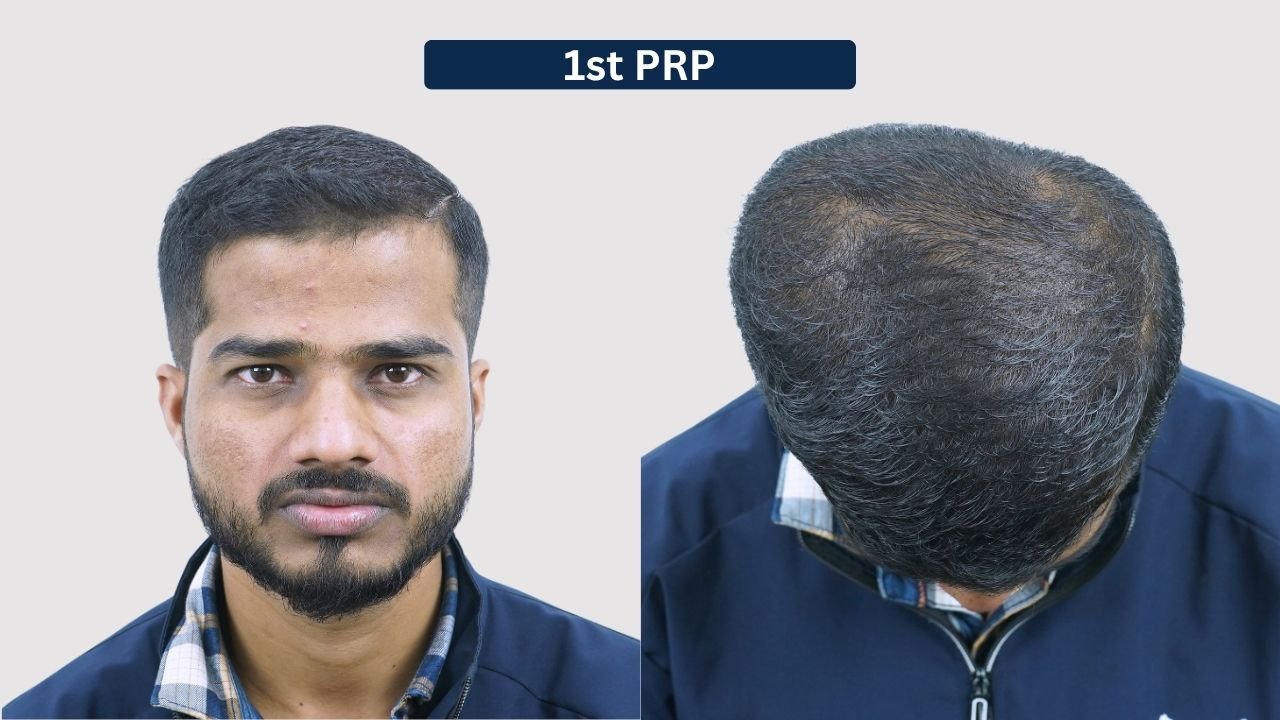
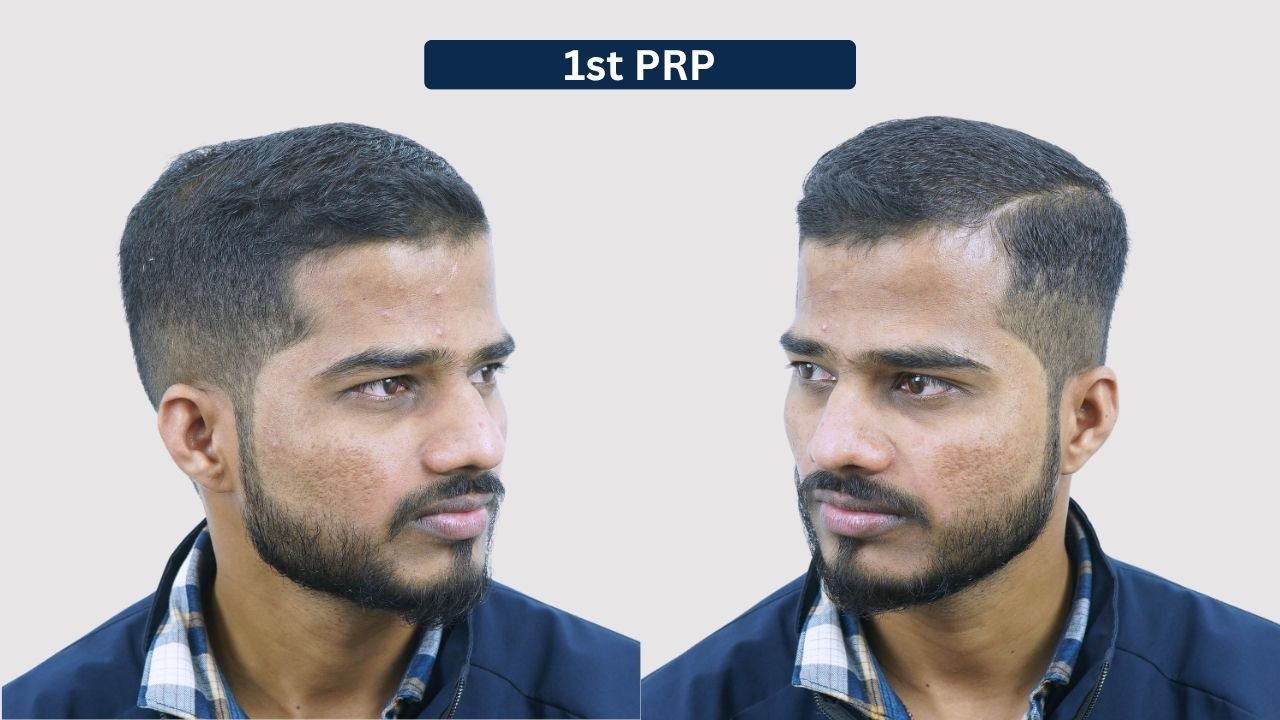
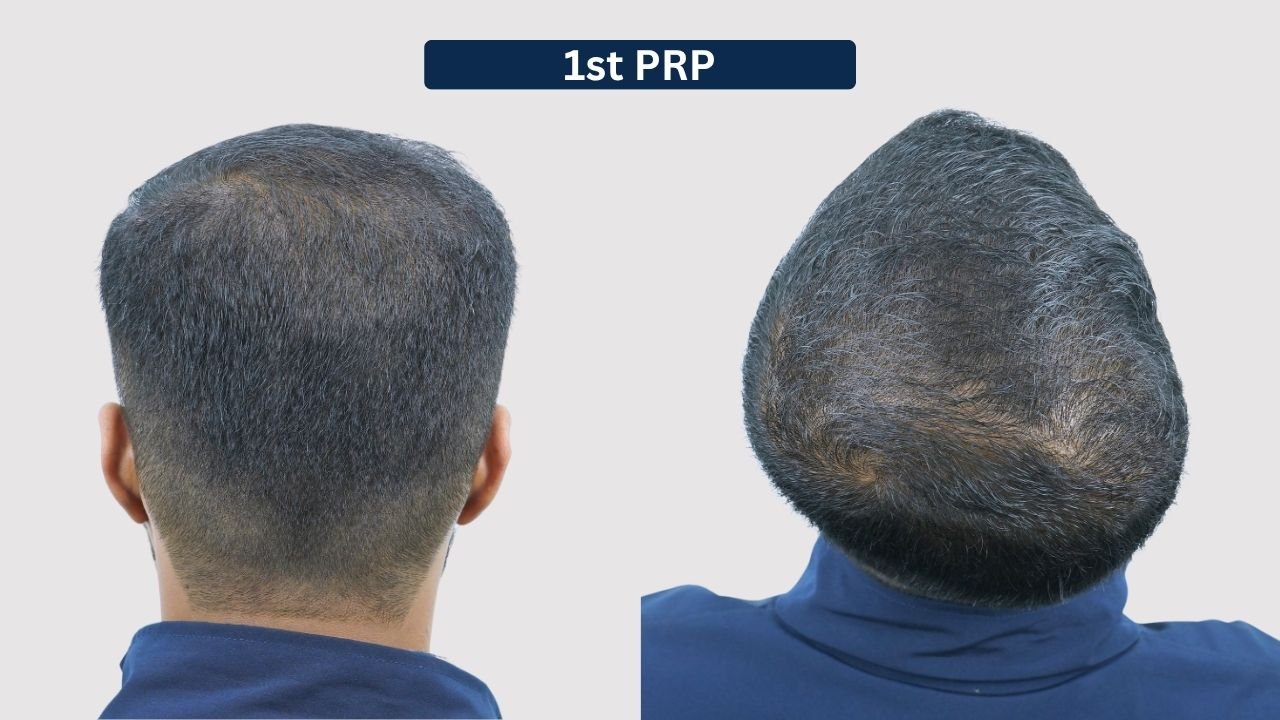
1st PRP Session – Baseline Stage

The first PRP session marked the beginning of the structured treatment program.

At this stage, the patient’s scalp condition and pattern of thinning were assessed before treatment.

The first session focused on:

  • Establishing the baseline scalp condition
  • Identifying areas of significant thinning
  • Beginning PRP support for existing follicles
  • Monitoring the progressive hair-loss pattern
  • Discussing realistic treatment expectations
  • Planning the subsequent monthly sessions

Immediate visible regrowth was not expected after the first treatment, as PRP response generally develops gradually.

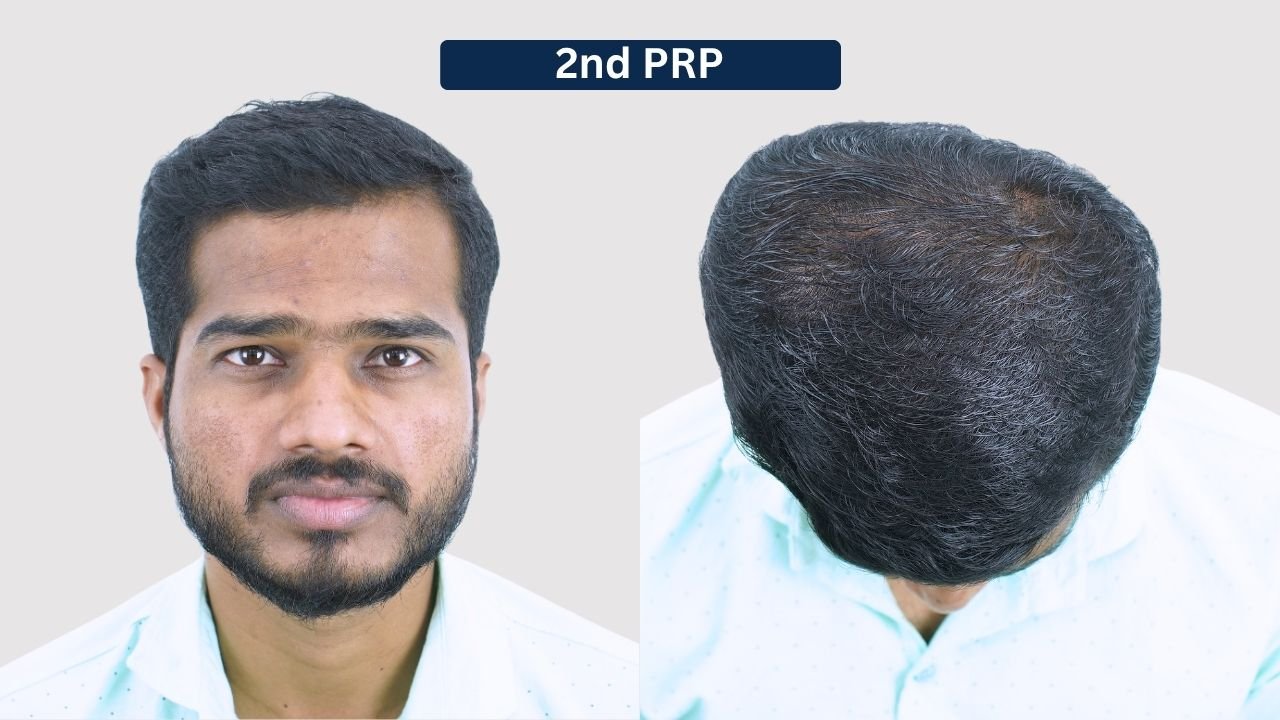
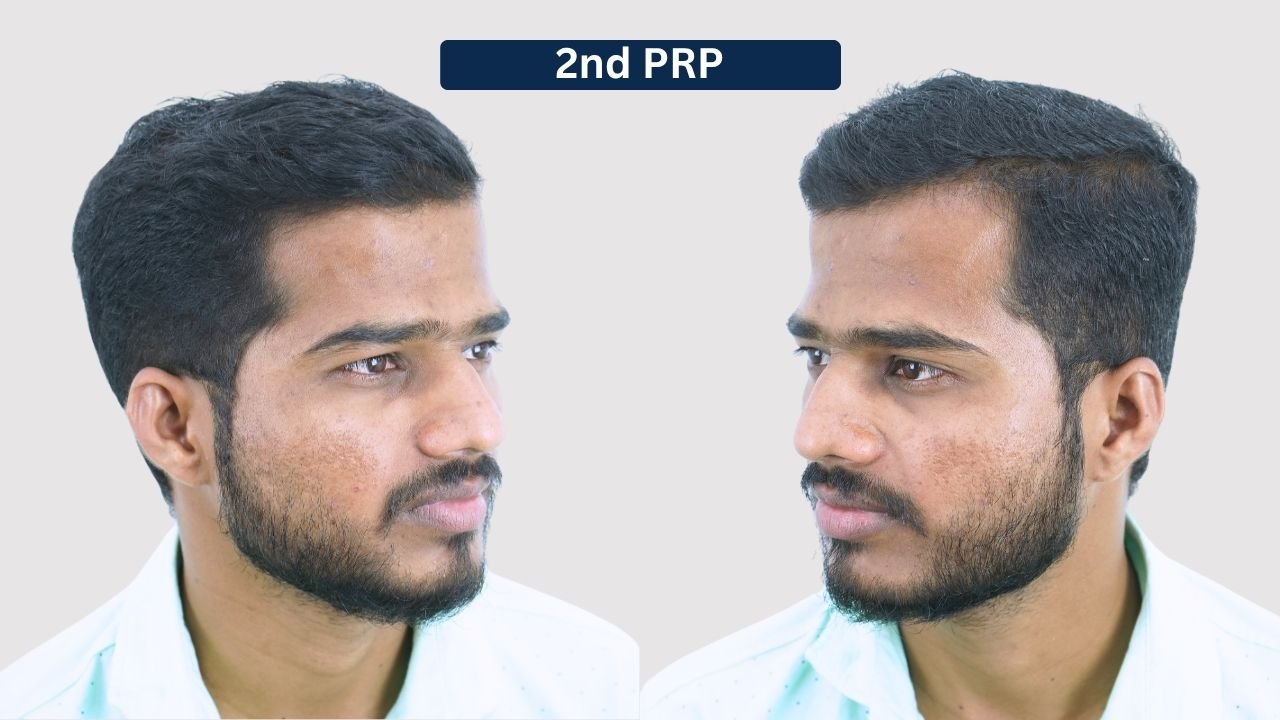
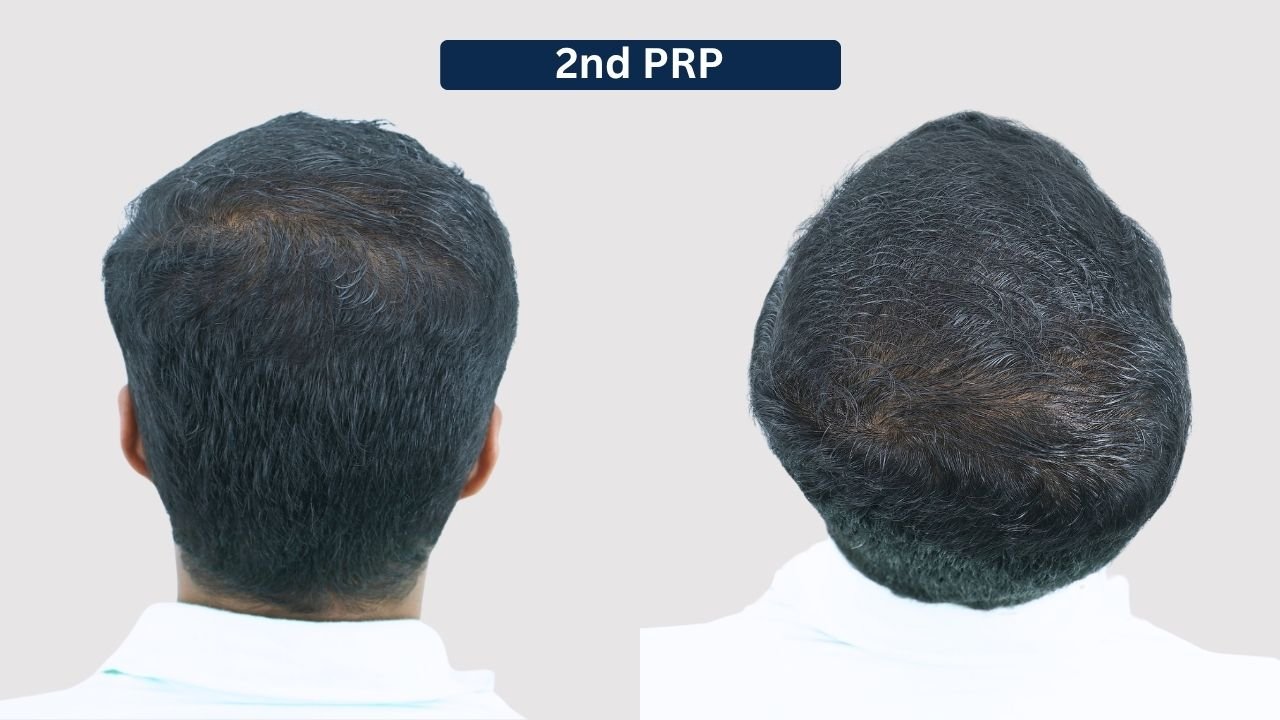
2nd PRP Session – Early Treatment Stage

Approximately one month later, the patient attended the second PRP session.

At this stage, the focus remained on consistently treating the thinning crown and vertex areas.

The clinical review included:

  • Monitoring ongoing hair shedding
  • Assessing scalp condition
  • Checking tolerance to the previous PRP session
  • Reviewing treatment compliance
  • Monitoring hair texture
  • Continuing follicular support

Any improvement at this stage would generally be considered early and would not represent the final treatment response.

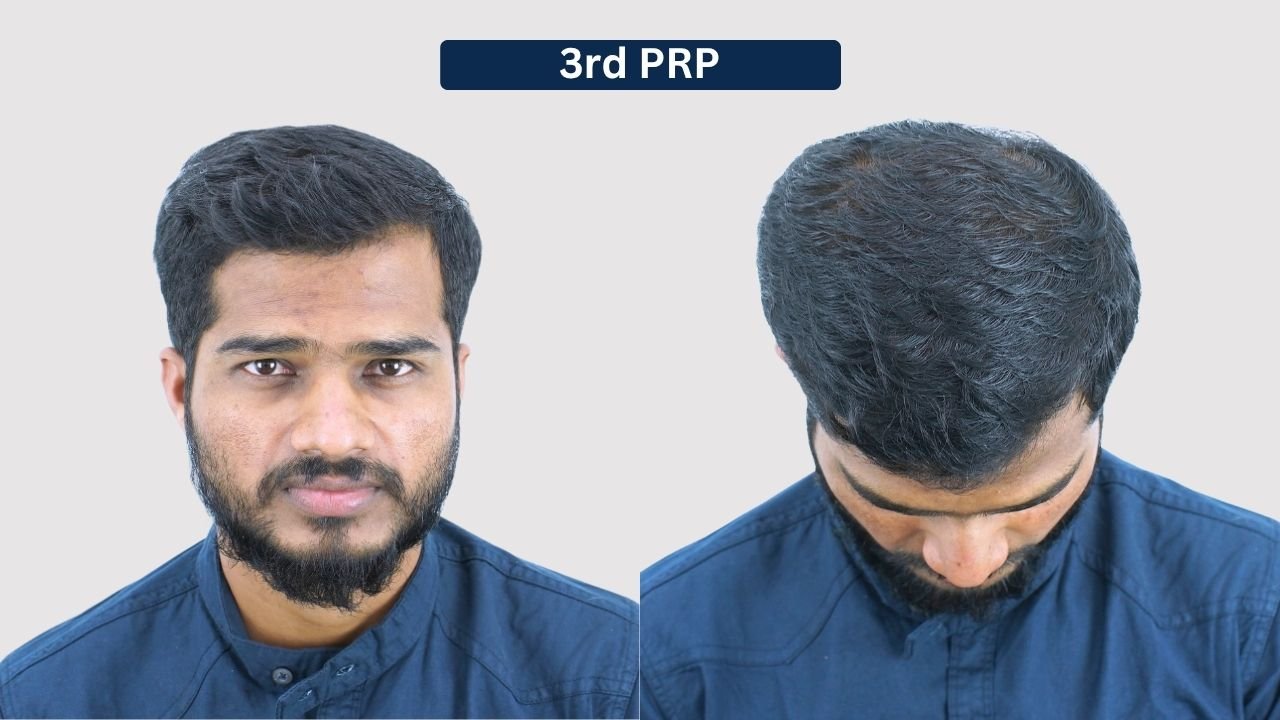
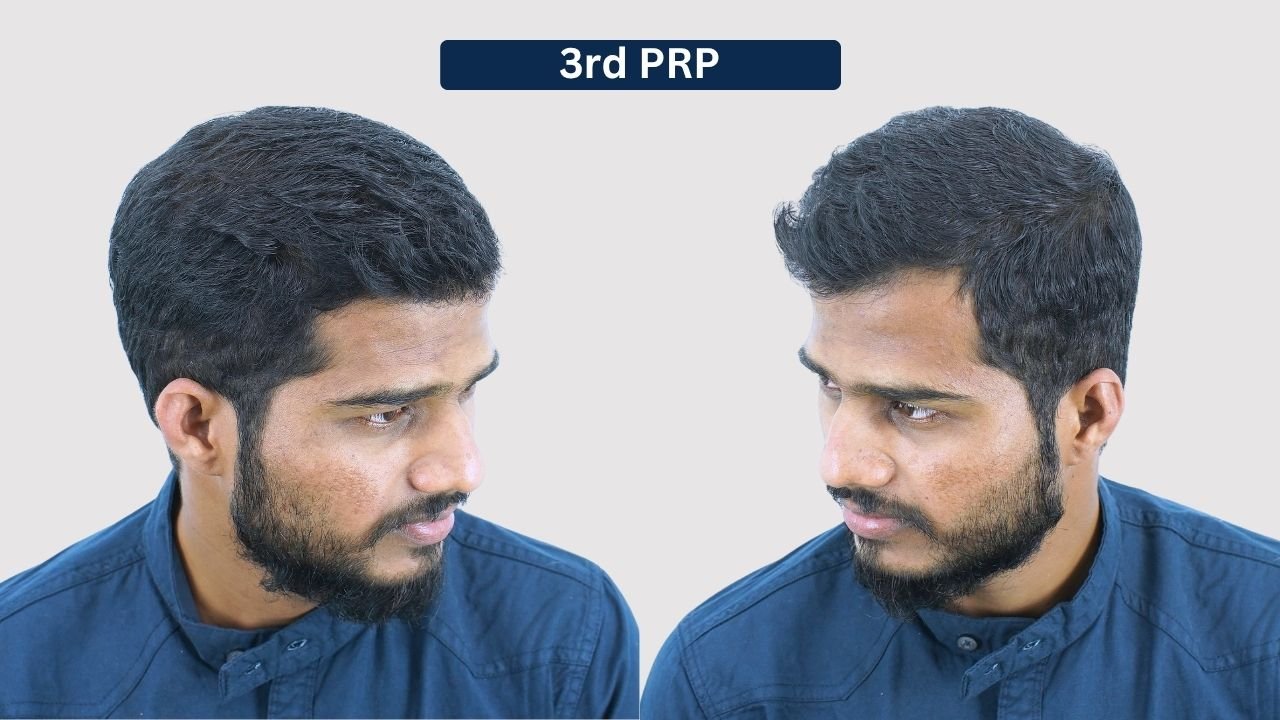
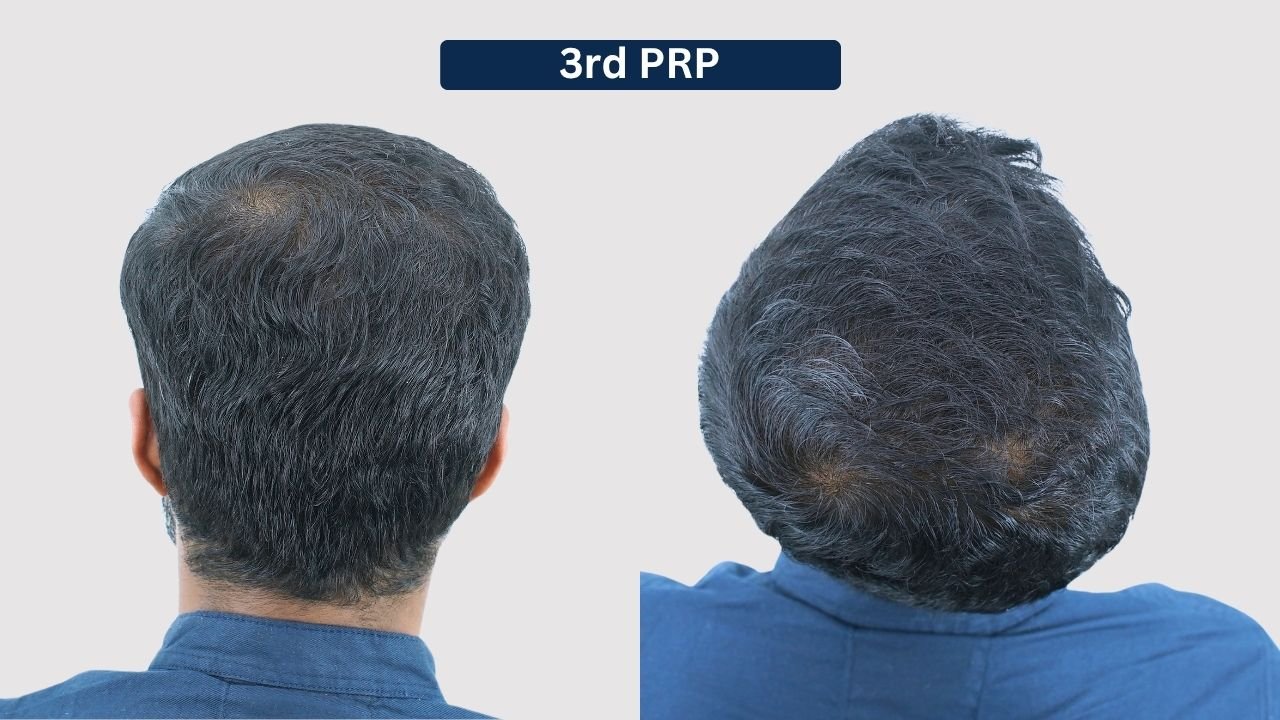
3rd PRP Session – Mid-Treatment Assessment

Following the third PRP session, the patient reached the midpoint of his planned treatment course.

The doctor could now compare the scalp with the baseline condition and evaluate whether the progressive thinning had begun to stabilize.

Assessment focused on:

  • Change in daily hair fall
  • Existing hair thickness
  • Hair texture and quality
  • Crown scalp visibility
  • Overall coverage
  • Response to supportive minoxidil and vitamins

The third session continued the stimulation of existing follicles in the thinning crown and vertex region.

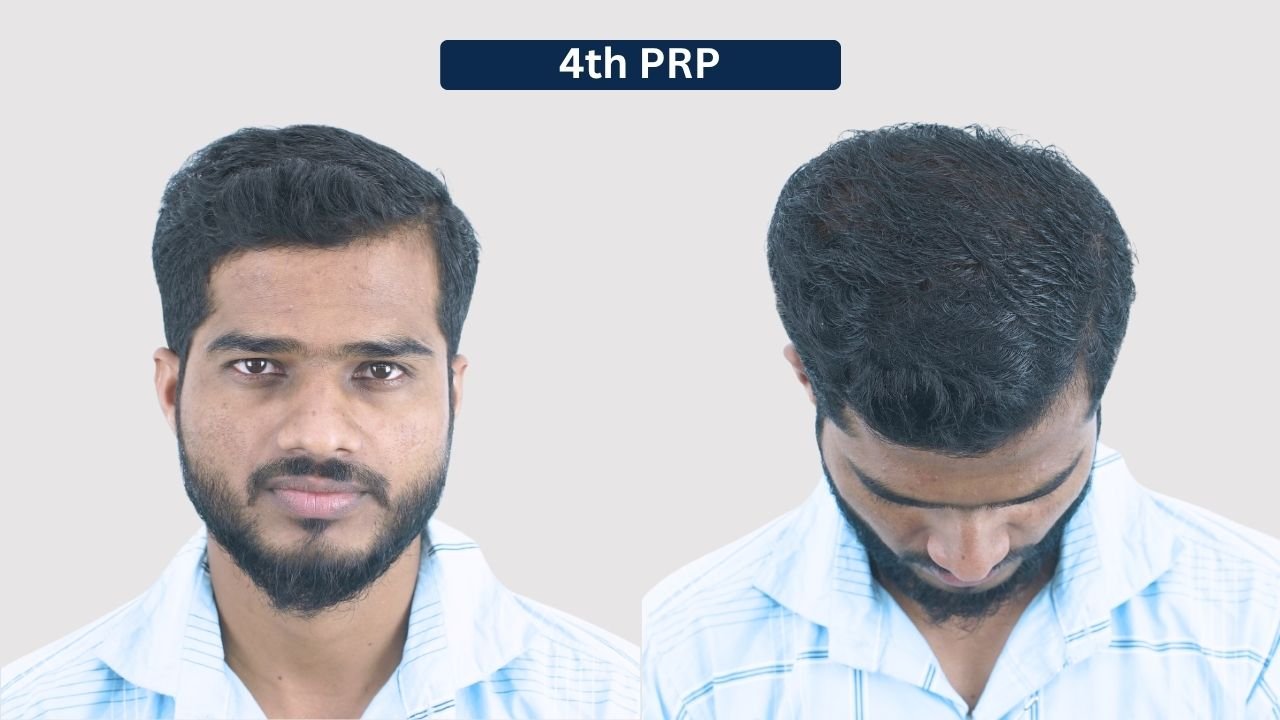
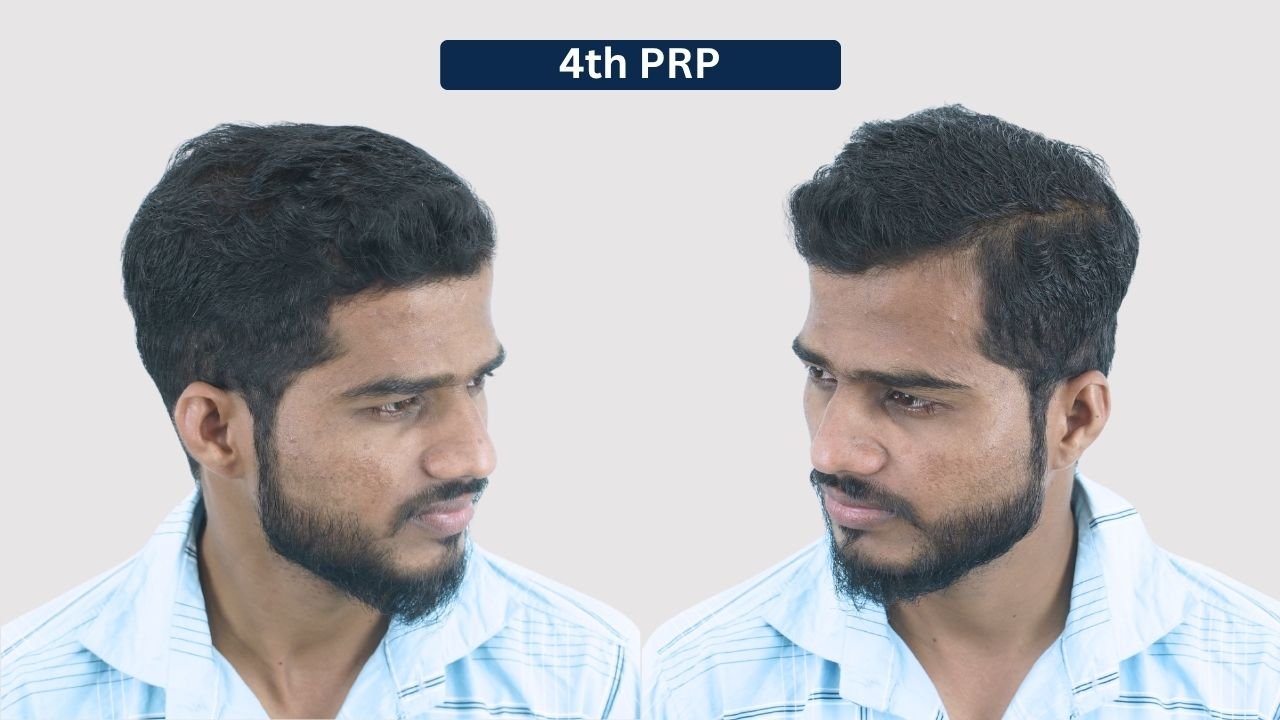
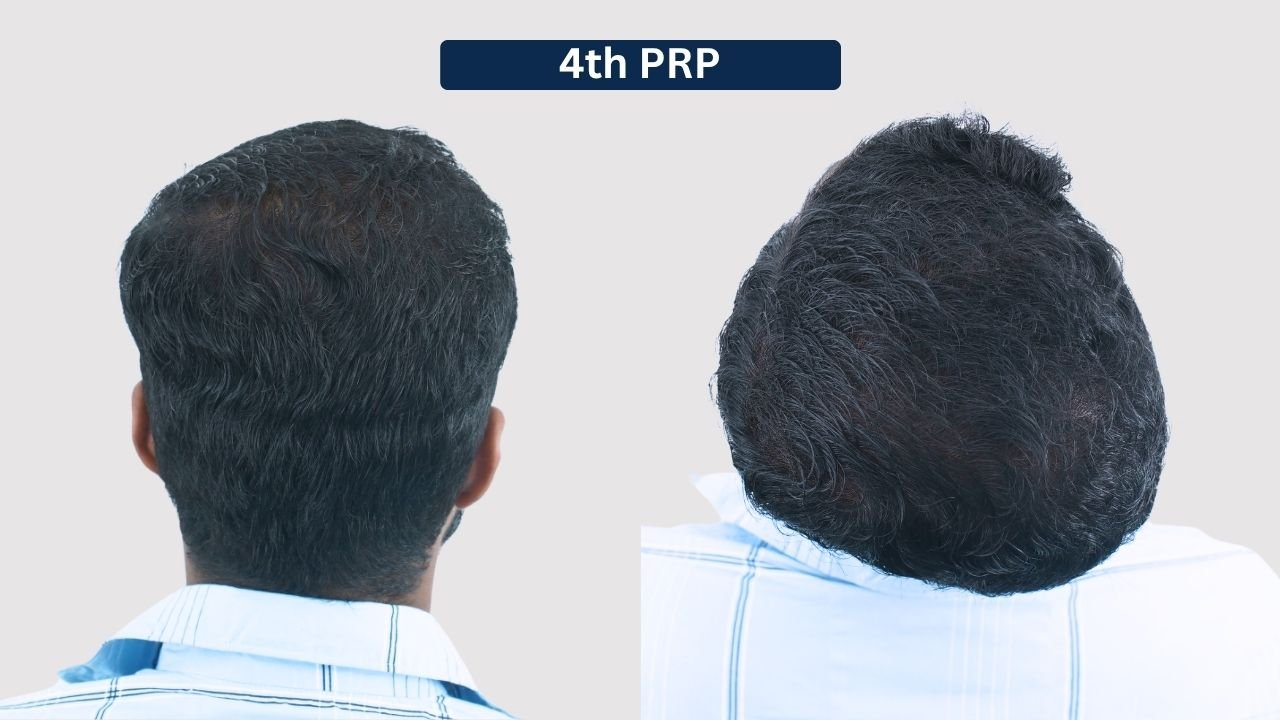
4th PRP Session – Progressive Treatment Stage

By the fourth PRP session, the patient had completed most of the recommended initial treatment protocol.

The treatment continued to target the crown and vertex area.

Clinical evaluation included:

  • Stability of ongoing hair loss
  • Hair shaft thickness
  • Changes in apparent density
  • Scalp visibility
  • Hair quality
  • Overall treatment response

The patient was advised to remain consistent with supportive treatment and lifestyle recommendations.

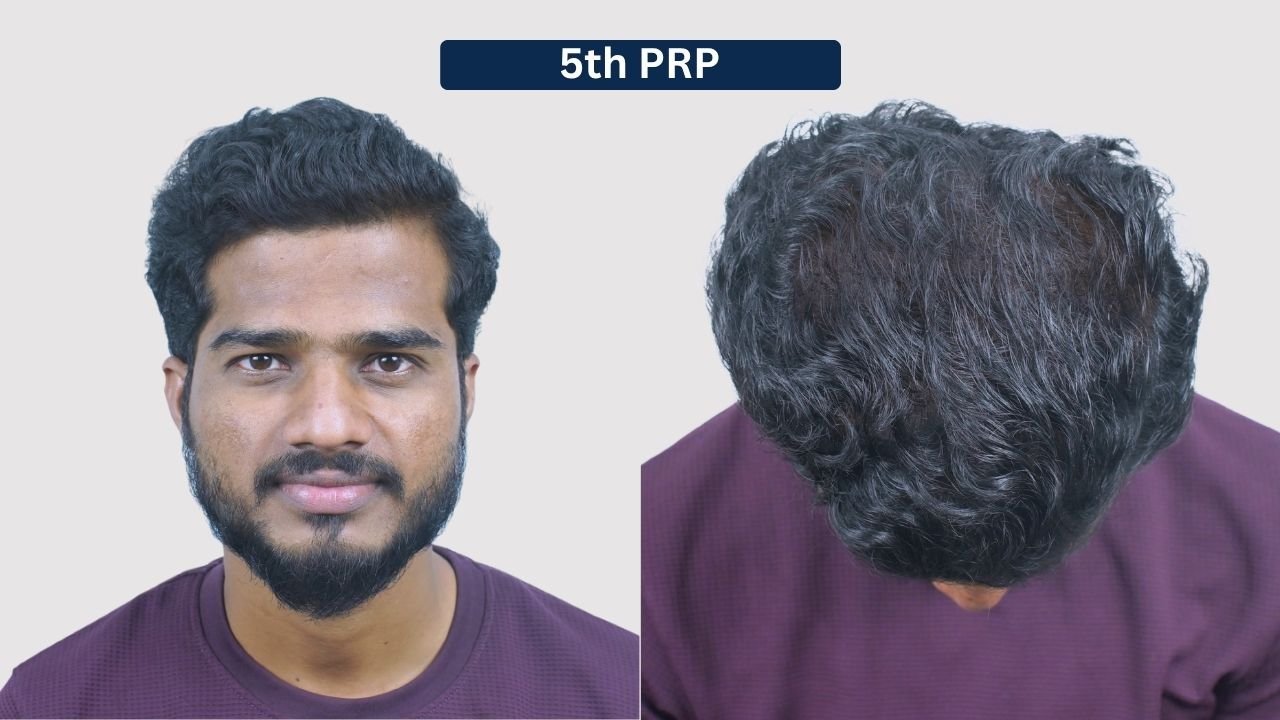
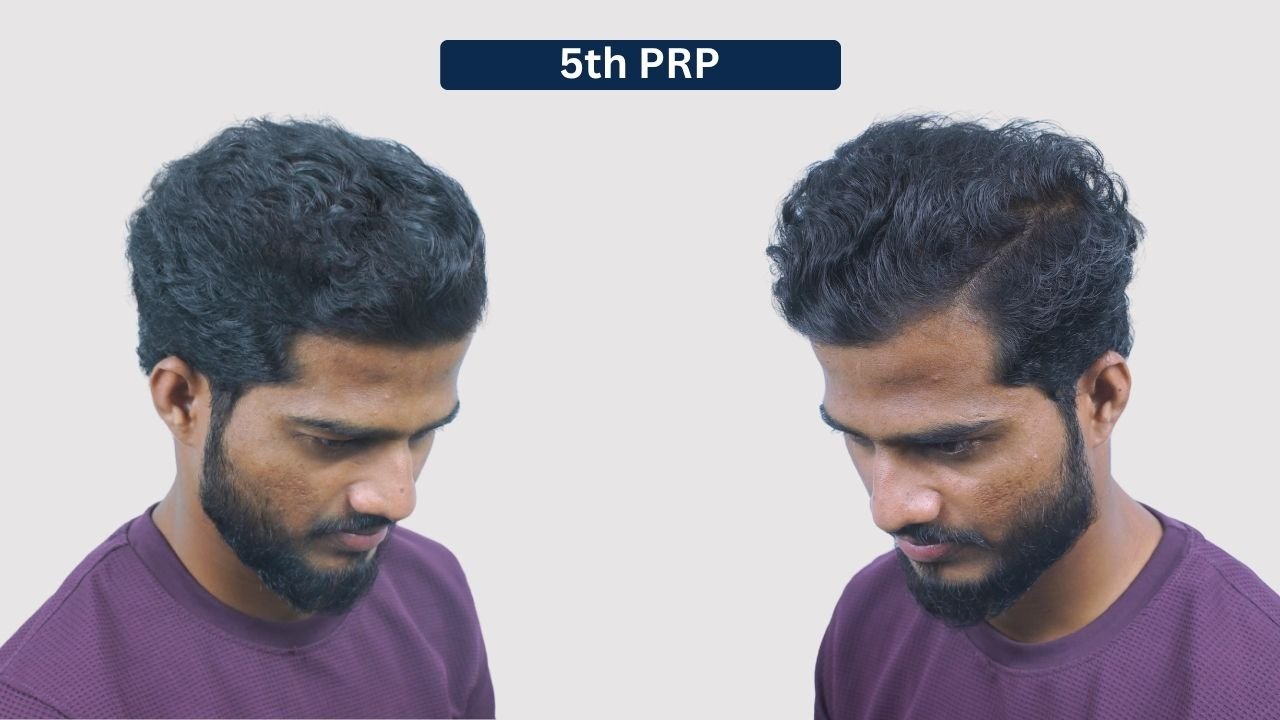
5th PRP Session – Initial Course Completed

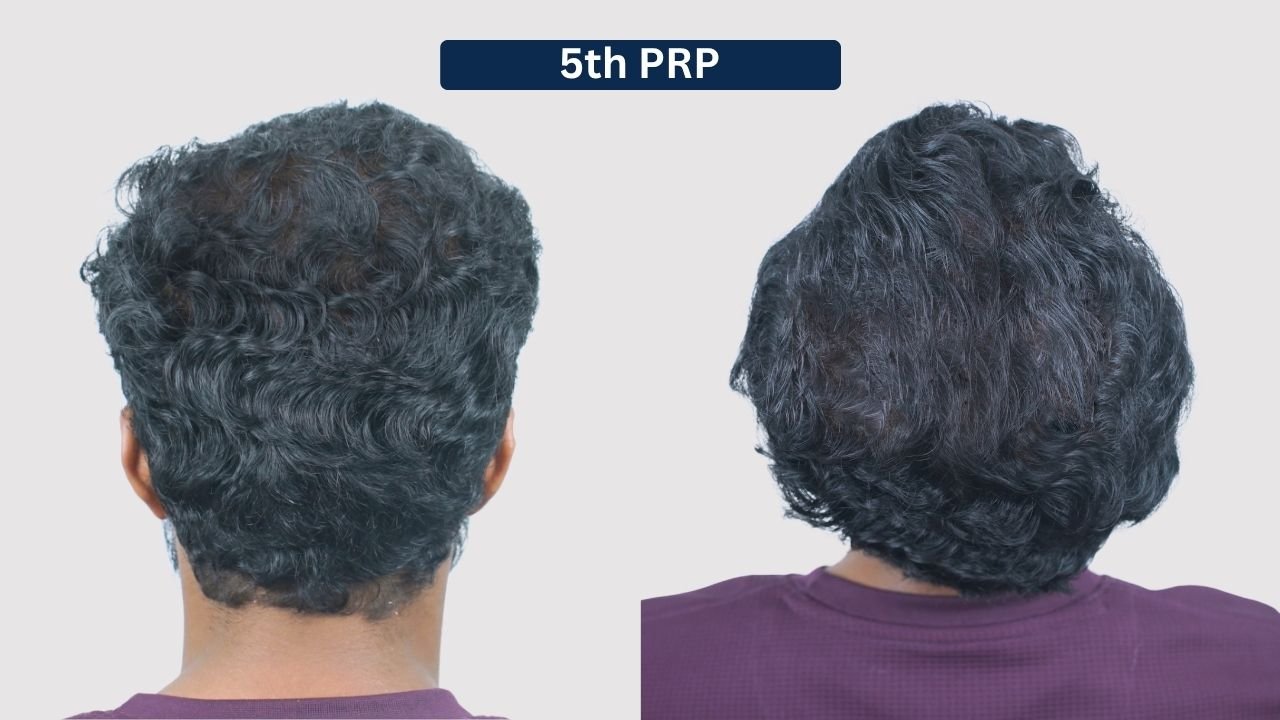
The patient has now attended the 5th PRP session, completing all 5 initially advised PRP treatments.

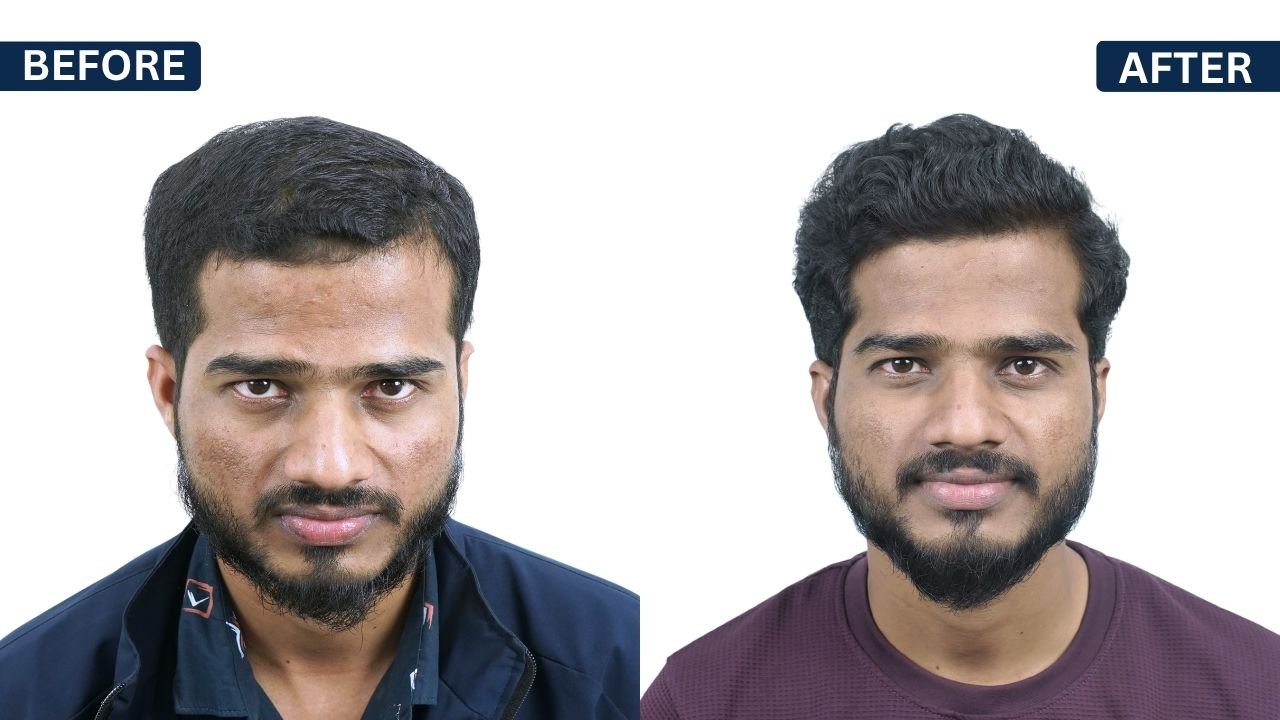
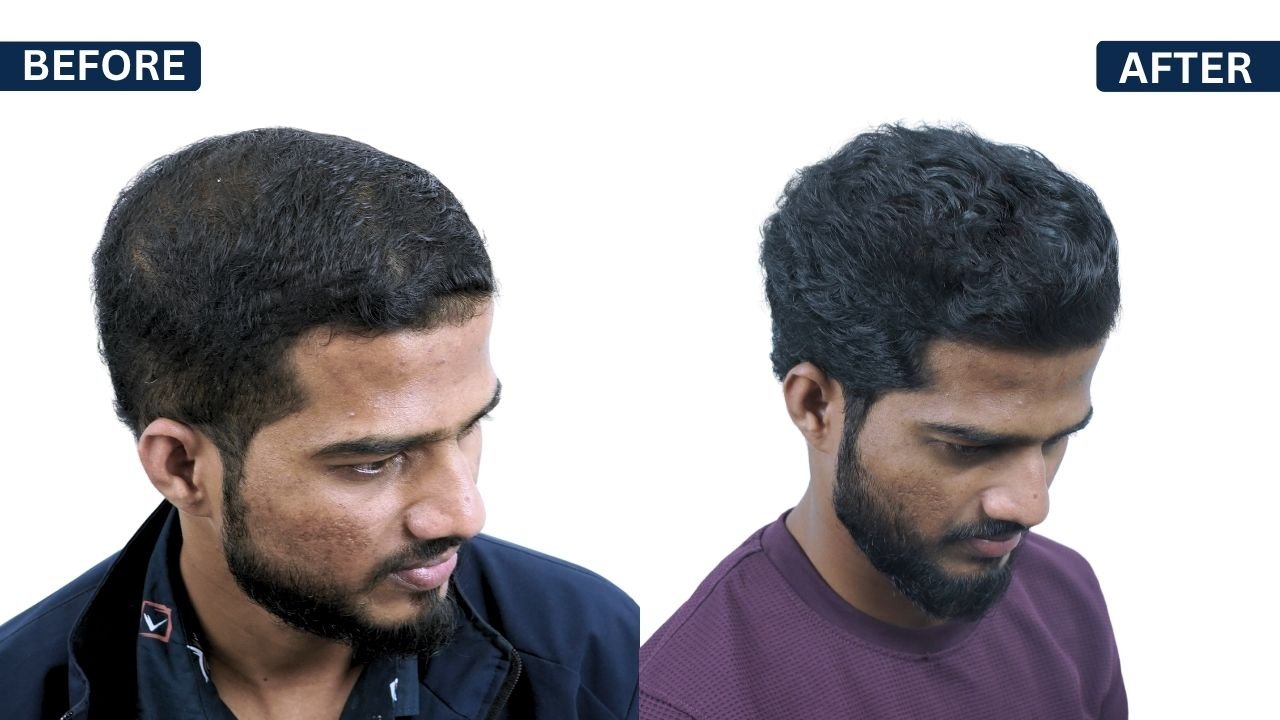
This is an important follow-up stage because the current scalp condition can now be compared with the original baseline photographs.

After the fifth session, the doctor can assess:

  • Whether hair shedding has reduced or stabilized
  • Changes in existing hair thickness
  • Improvement in hair texture
  • Crown and vertex coverage
  • Degree of scalp visibility
  • Overall response to PRP therapy
  • Whether future maintenance PRP may be beneficial

Since hair growth occurs according to the natural hair cycle, changes can continue to evolve even after the final planned PRP session.

What Can Be Assessed After 5 PRP Sessions?

Following completion of five PRP sessions, evaluation may include:

  • Reduction or stabilization of hair shedding
  • Improvement in hair shaft quality
  • Improvement in existing hair thickness
  • Better visual coverage of the crown
  • Reduced scalp visibility where responsive
  • Stability of progressive thinning
  • Patient satisfaction
  • Need for maintenance sessions

Because the provided case information does not include objective hair-count or density measurements, specific percentage improvement should not be claimed.

Ongoing Hair Care After the 5th PRP Session

After completing the initial treatment course, the patient should continue appropriate long-term hair care.

Recommended measures may include:

  • Maintain a healthy and balanced diet
  • Ensure adequate protein and micronutrient intake
  • Maintain a healthy lifestyle
  • Continue minoxidil only as advised
  • Continue vitamins if medically recommended
  • Maintain good scalp hygiene
  • Avoid unnecessary harsh chemical treatments
  • Attend scheduled follow-up visits
  • Inform the clinic if significant hair fall returns

Follow-Up & Maintenance Plan

After completion of five sessions, regular follow-up becomes important because progressive hair loss may continue over time.

During follow-up, the doctor may evaluate:

  • Stability of the crown and vertex region
  • Changes in hair fall
  • Hair thickness and texture
  • Overall density
  • Need for continuing minoxidil
  • Need for nutritional support
  • Whether maintenance PRP sessions are appropriate

Maintenance therapy should be individualized according to the patient’s response.

Male Hair Transplant Before & After Results

The Change: A New Beginning

For this patient, the PRP journey was focused on managing progressive hair thinning and supporting healthier hair growth.

With a structured series of PRP sessions, along with recommended hair care, Minoxidil, vitamins, and lifestyle support, the treatment aimed to strengthen existing hair follicles and improve the overall appearance of hair density.

As the treatment progressed, the patient continued regular follow-ups and maintenance care, marking a positive step toward better hair health, improved scalp coverage, and greater confidence in his appearance.

Shubham Pawar PRP Treatment in Pune Hair Transplant in Pune, Dr Kiran Chotaliya

What Our Patients Says

Why Choose Dr. Kiran Chotaliya for PRP Hair Treatment

  • Expert Hair Restoration Care: Dr. Kiran Chotaliya provides personalized PRP treatment plans based on the patient’s hair-loss pattern, scalp condition, and overall hair-restoration needs.
  • Customized PRP Treatment Plan: The number of sessions, treatment interval, and supportive care are planned according to individual hair-loss severity and clinical assessment.
  • Precise Micro-Injection Technique: PRP is administered carefully into targeted thinning areas to support existing hair follicles and improve overall scalp coverage.
  • Focus on Hair Preservation: Treatment is designed not only to support hair growth but also to help preserve and strengthen existing hair.
  • Supportive Medical Management: When required, PRP may be combined with Minoxidil, vitamins, maintenance serums, and other doctor-advised treatments.
  • Regular Follow-Up & Maintenance: Ongoing assessment helps track progress and allows the treatment and maintenance plan to be adjusted according to the patient’s response.
drkiranchotaliya

FAQ'S

1. How many PRP sessions did the patient complete?

The patient completed 5 out of 5 advised PRP sessions, with each session performed at approximately 1-month intervals.

The patient had Grade 3 progressive hair loss mainly affecting the crown and vertex region, with increasing scalp visibility in these areas.

PRP-related changes develop gradually because hair growth follows the natural hair cycle. After completing the initial 5-session course, the doctor can assess changes in hair shedding, hair thickness, texture, scalp visibility and overall crown coverage.


No. PRP response varies between patients depending on factors such as the duration and cause of hair loss, follicle condition, genetics, age, treatment consistency and supportive care. Complete regrowth cannot be guaranteed.

Hair Transplant in Pune

Dr. Kiran Chotaliya is a leading hair transplant surgeon in Pune, specializing in advanced techniques like FUE and FUT for natural, lasting results. His expertise and patient-centered care ensure successful hair restoration with exceptional outcomes.

Follow Us

GET IN TOUCH

© 2026 Developed & Handle By Dr. Kiran Chotaliya Clinic Team

Location

© 2026 Developed & Handle By Dr. Kiran Chotaliya Clinic Team

Scroll to Top