


Hair Transplant in Pune: 7-Month I-Sapphire FUE Journey with 3,425 Grafts for Grade 4–5 Baldness

Hair Transplant in Pune: 7-Month I-Sapphire FUE Journey with 3,425 Grafts for Grade 4–5 Baldness

Written by: Dr. Kiran Chotaliya Editorial Team  ·  Reviewed by: Dr. Kiran Chotaliya, M.D. Dermatologist & Chief Hair transplant Surgeon  ·  Hairfree & Hairgrow Clinics, India  ·  Updated September 2026

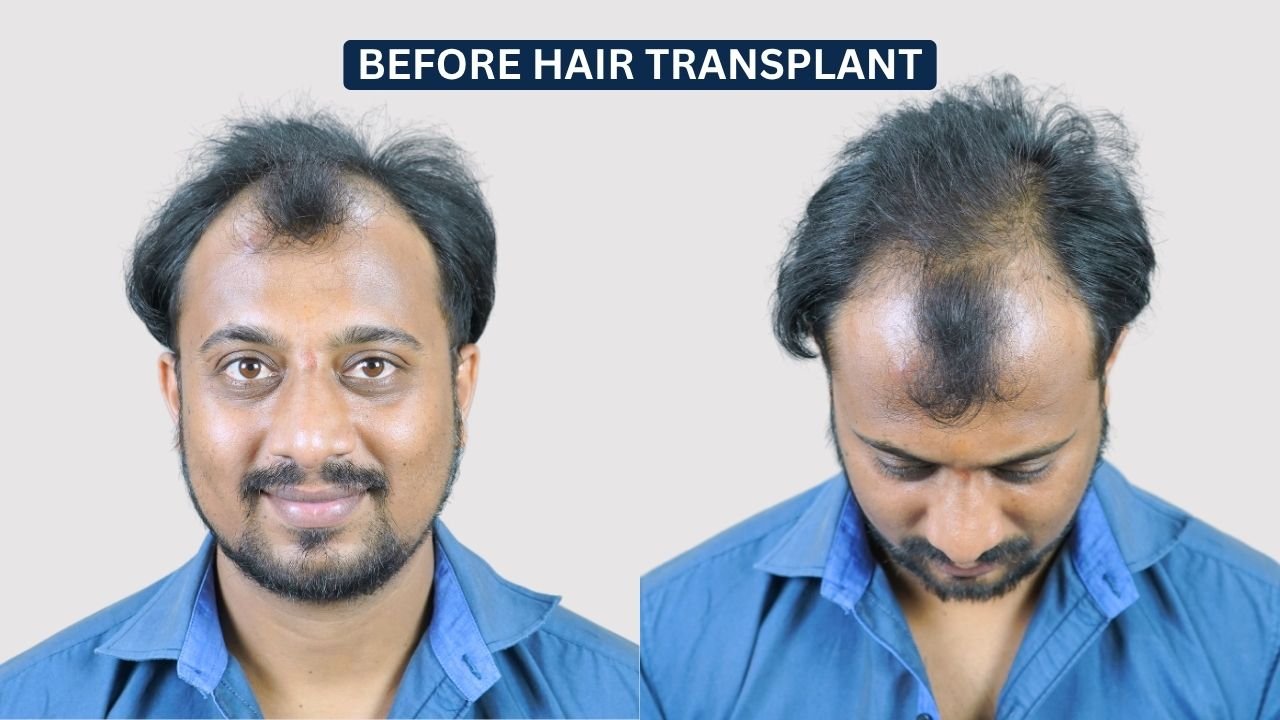
Progressive hair loss over several years can lead to significant thinning across the frontal and mid-scalp regions. In this case, a 29-year-old patient with Grade 4–5 baldness underwent an I-Sapphire FUE hair transplant after experiencing hair loss for approximately 7 years.

Although around 3,000 grafts were initially estimated, the final procedure involved 3,425 grafts based on the surgical requirements. The patient had good graft-hair quality and was advised a post-transplant maintenance plan that included hair vitamins, Minoxidil and PRP. This case documents his progress up to the 7-month follow-up

Patient Consent Notice

The patient’s clinical photographs and treatment information should be published only after obtaining appropriate informed consent.

Hair transplant outcomes vary between individuals depending on donor quality, degree of baldness, hair characteristics, healing, existing hair loss progression and adherence to post-operative care. This case represents one patient’s individual journey and should not be considered a guarantee of identical results.

Patient Profile & Diagnosis

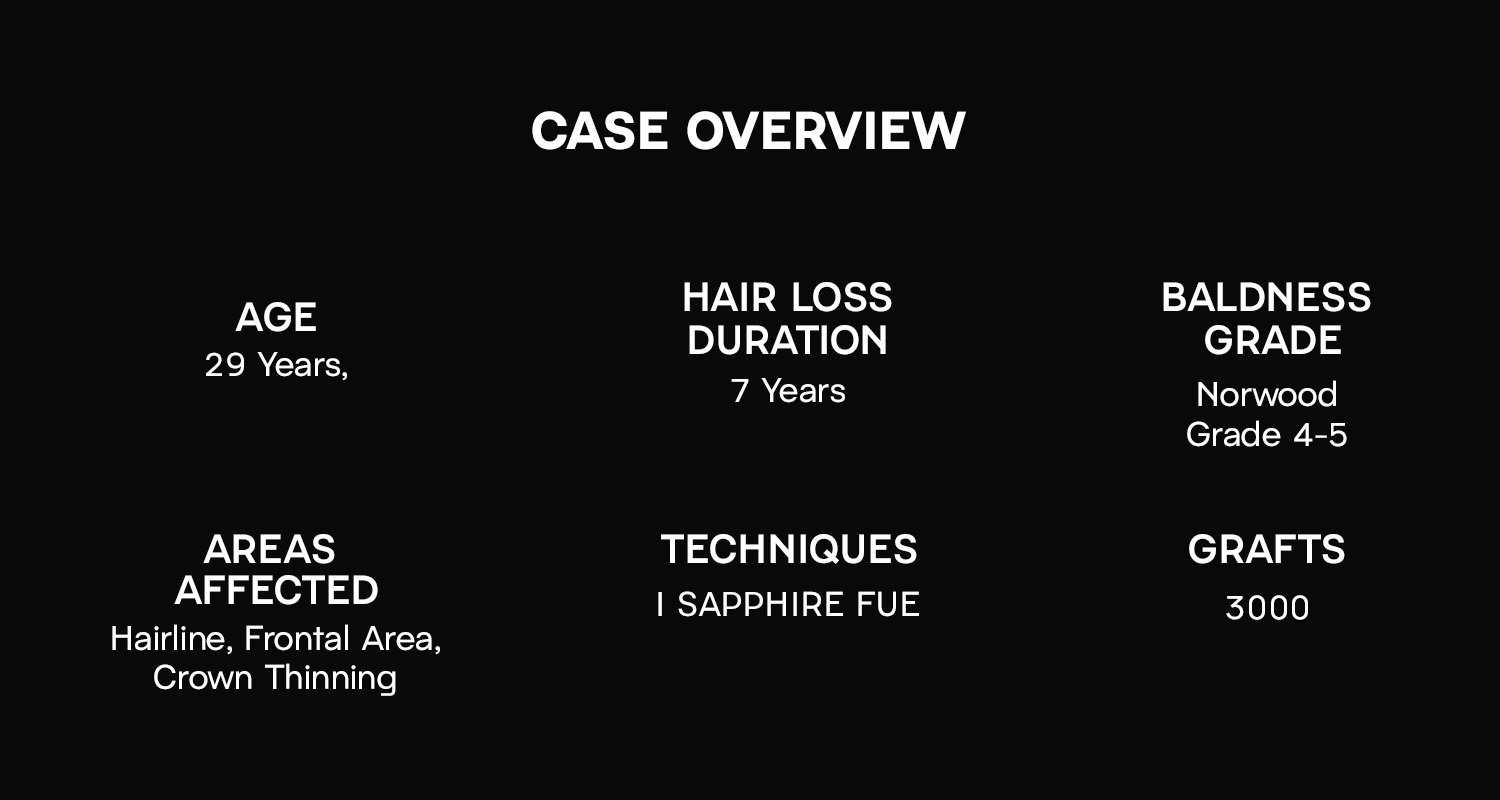
The patient was 29 years old and had been experiencing progressive hair loss for approximately 7 years.

Clinical details provided for the case include:

  • Age: 29 years
  • Duration of Hair Loss: 7 years
  • Grade of Baldness: Grade 4–5
  • Medical History: No significant medical history reported
  • Hair Transplant Technique: I-Sapphire FUE
  • Grafts Initially Estimated: 3,000
  • Grafts Transplanted: 3,425
  • Graft Hair Quality: Good
  • Post Care: Hair vitamins + Minoxidil + PRP
  • Follow-Up: 7 months

Case Overview

Age, City

47 Years,
Pune, India

Hair Loss Duration

12–15 Years

Baldness Grade

Norwood
Grade 4–5

Areas Affected

Hairline,
Mid Scalp,
Crown Thinning

Techniques

Big FUE

Grafts

3220+

Primary Hair Loss Concerns & Expectations

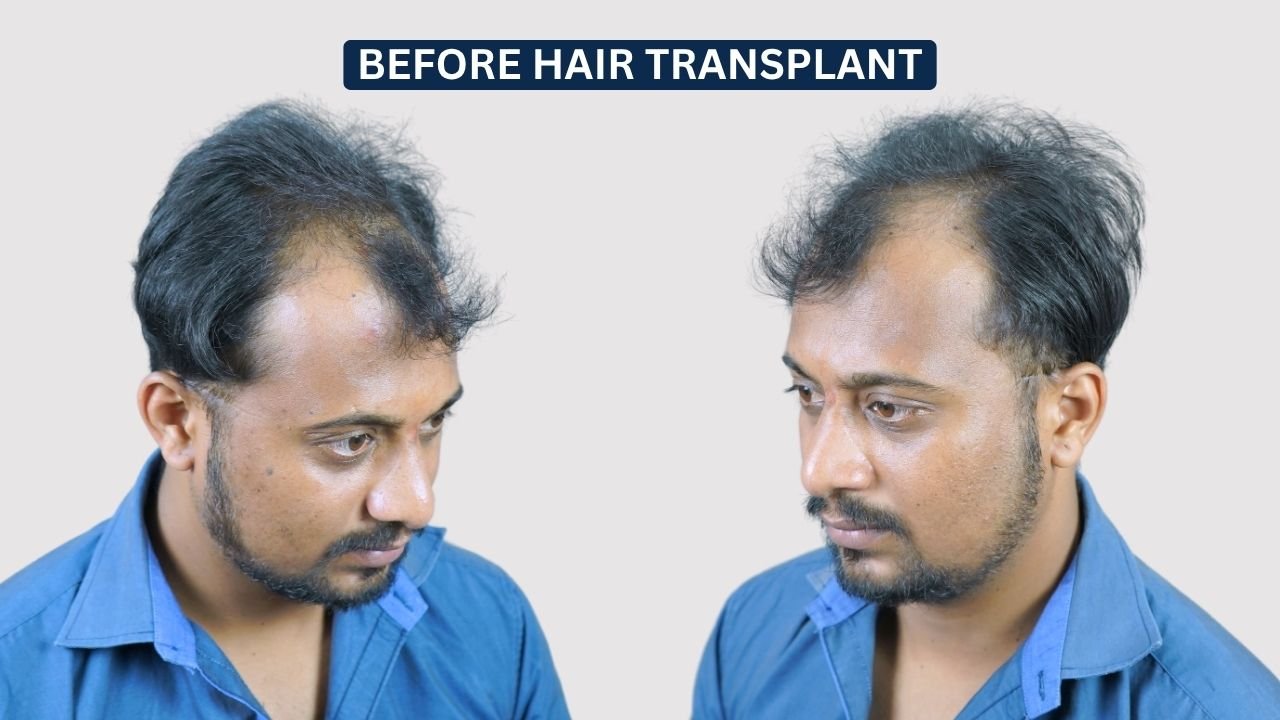
With almost seven years of progressive hair loss, the patient had developed considerable recession and thinning across the frontal and upper scalp.

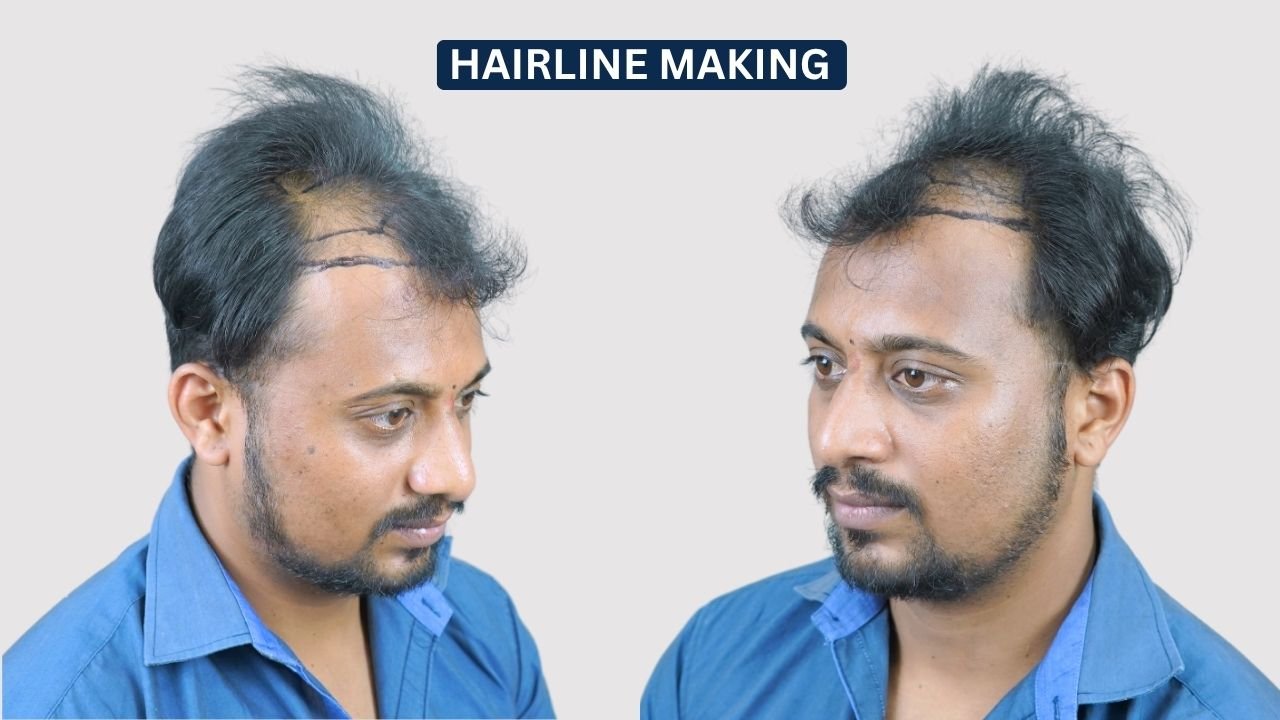
The main treatment objectives were to improve frontal coverage, rebuild a balanced hairline, reduce visible scalp exposure and create a natural transition between transplanted and existing hair.

Because the patient had Grade 4–5 baldness, graft distribution was especially important. The available grafts needed to be placed strategically rather than concentrated in only one small area.

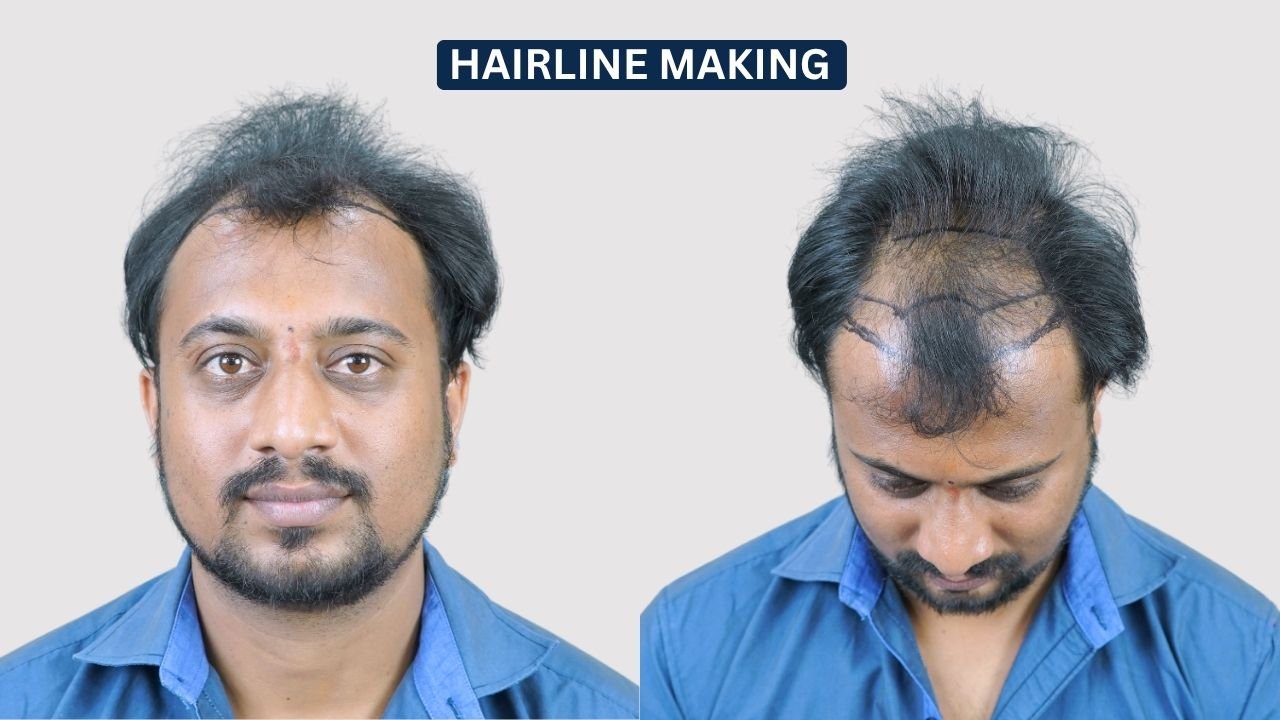
Clinical Assessment & Hairline Designing

Before surgery, the patient’s scalp, pattern of baldness and donor resources were assessed.

The planning process considered:

  • Grade 4–5 hair loss pattern
  • Frontal recession
  • Existing native hair
  • Recipient-area requirement
  • Donor-hair availability
  • Hairline position
  • Direction and angle of existing hair
  • Long-term appearance of the transplant

A personalized hairline and graft-distribution plan was then prepared according to the patient’s facial proportions and existing hair-loss pattern.

Personalized Treatment Plan

The initial treatment plan estimated approximately 3,000 grafts.

Planned Treatment

Grade of Baldness: Grade 4–5
Technique: I-Sapphire FUE
Estimated Grafts: 3,000
Sessions Planned: 1–2 day session

During the actual procedure, the graft requirement was adjusted according to the recipient area and surgical planning.

Surgical Procedure

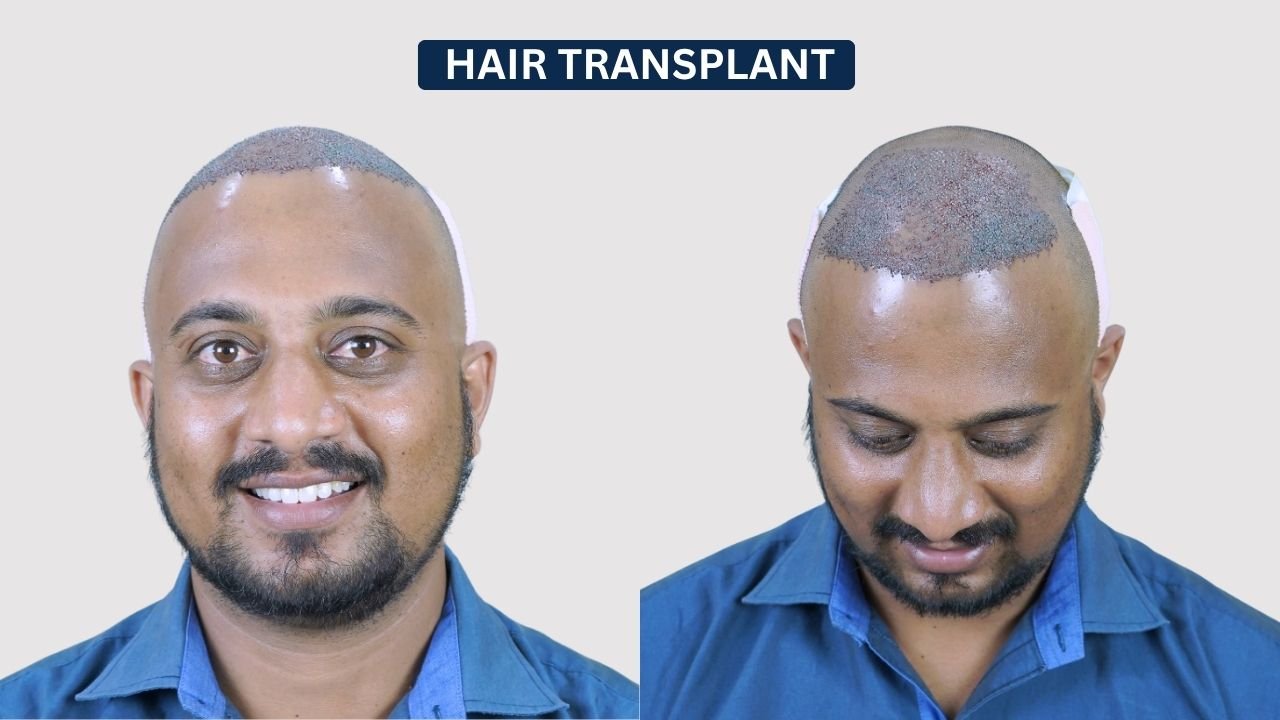
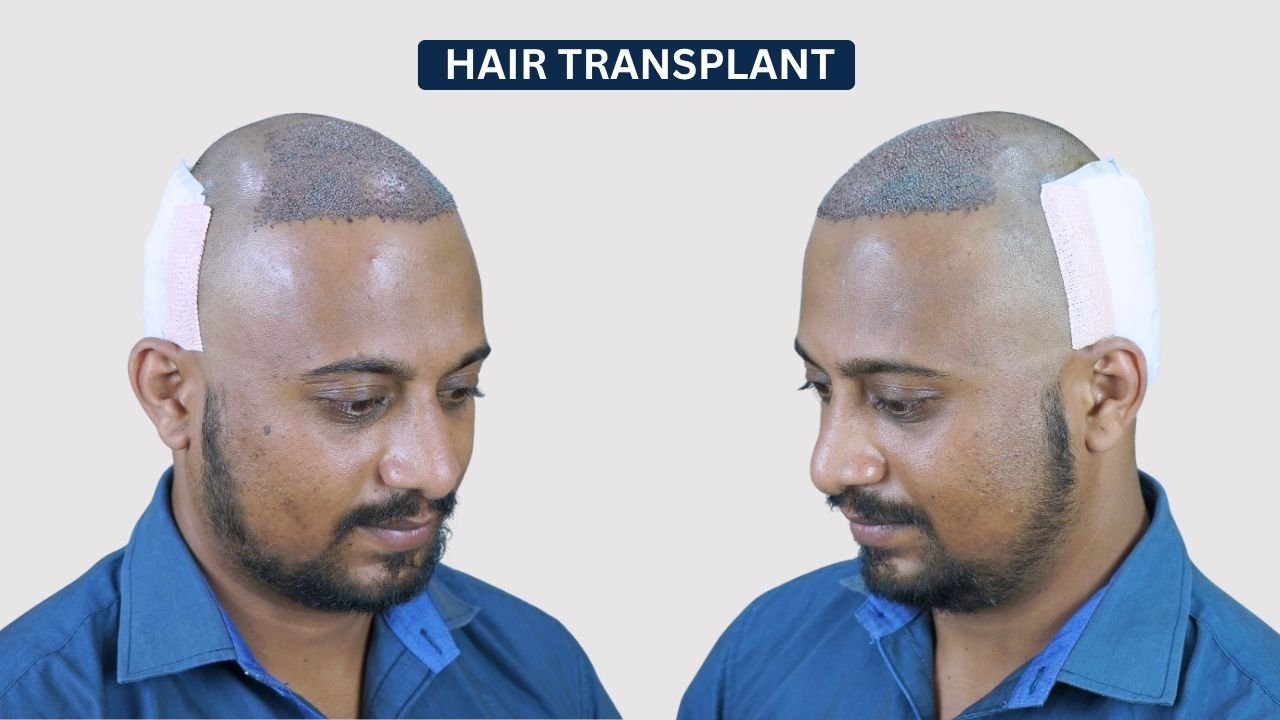
The patient underwent an I-Sapphire FUE hair transplant, with a total of 3,425 grafts transplanted.

The graft-hair quality was documented as good.

During implantation, graft placement was planned to support appropriate hair direction, distribution and coverage across the areas affected by hair loss.

Final Procedure Details

Technique: I-Sapphire FUE
Total Grafts Done: 3,425
Graft Hair Quality: Good
Post Care: Hair vitamins + Minoxidil + PRP

Post-Operative Care

After the procedure, the patient was advised structured post-operative care to support healing and protect the newly transplanted grafts.

The instructions included completing prescribed post-transplant medicines, beginning gentle head washing around the seventh day as advised, maintaining a healthy diet, avoiding intense exercise and excessive sunlight during the early healing period, and using a loose-fitting cap outdoors when recommended.

Following the surgeon’s specific aftercare instructions is particularly important during the early recovery period.

Detailed Graft Breakdown for NW3 Restoration

Single Hair Grafts
530
For Natural Hairline
Multi Hair Grafts
2480
Mid Scalp Coverage
Total Grafts Done
3010
Total Grafts Transplanted: (add case specific number)
Parameter
No. of Grafts
Details
Single hair grafts
530
For natural hairline
Multi hair grafts
2480
Mid scalp coverage
Total grafts done
3010

Long-Term Hair Maintenance Plan

After the initial healing stage, the patient continued with a maintenance routine aimed at supporting both transplanted and existing hair.

The ongoing plan included:

  • Healthy, balanced diet
  • Good lifestyle habits
  • Hair vitamins as advised
  • Minoxidil or maintenance treatment as prescribed
  • PRP sessions when recommended
  • Periodic follow-up with the treating doctor

Maintenance therapy should always be individualized according to the patient’s scalp condition and progression of existing hair loss.

Month-by-Month Hair Transplant Growth Timeline

Week 1–2: Initial Healing

During the first two weeks, the donor and recipient areas begin healing while the transplanted grafts settle into position.

Temporary redness, crusting, mild scalp sensitivity or swelling may be seen during this stage.

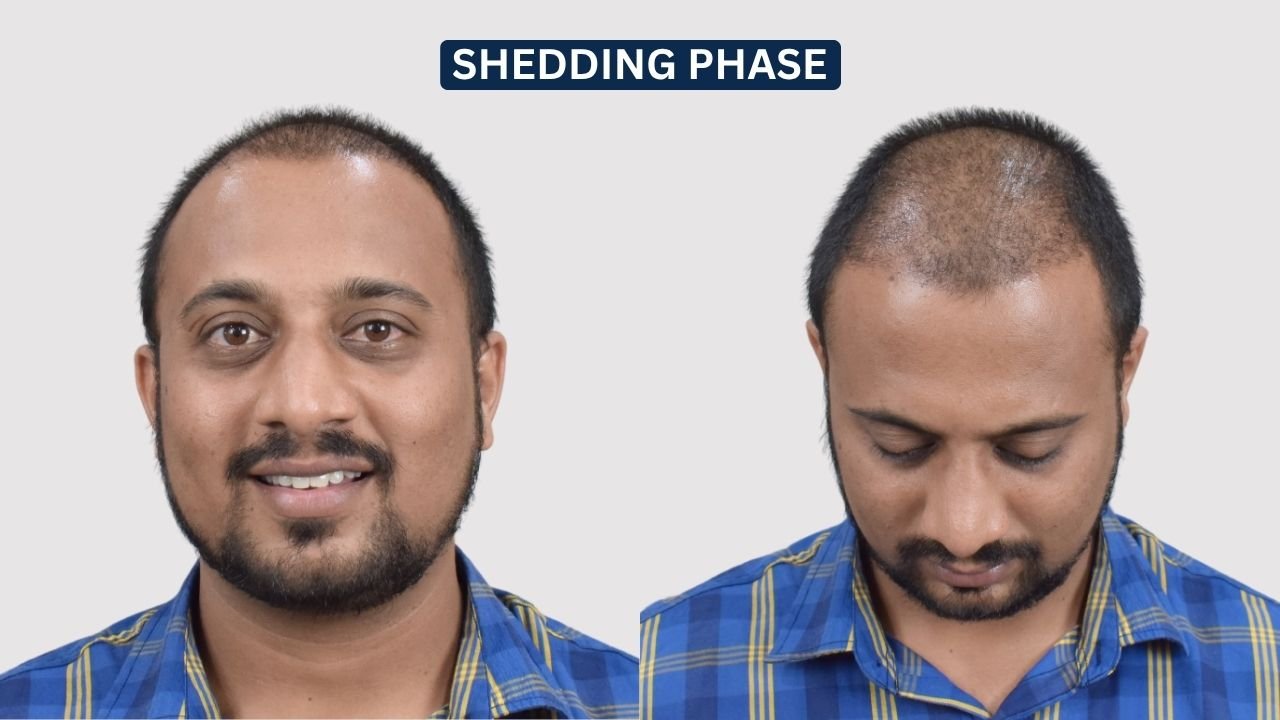
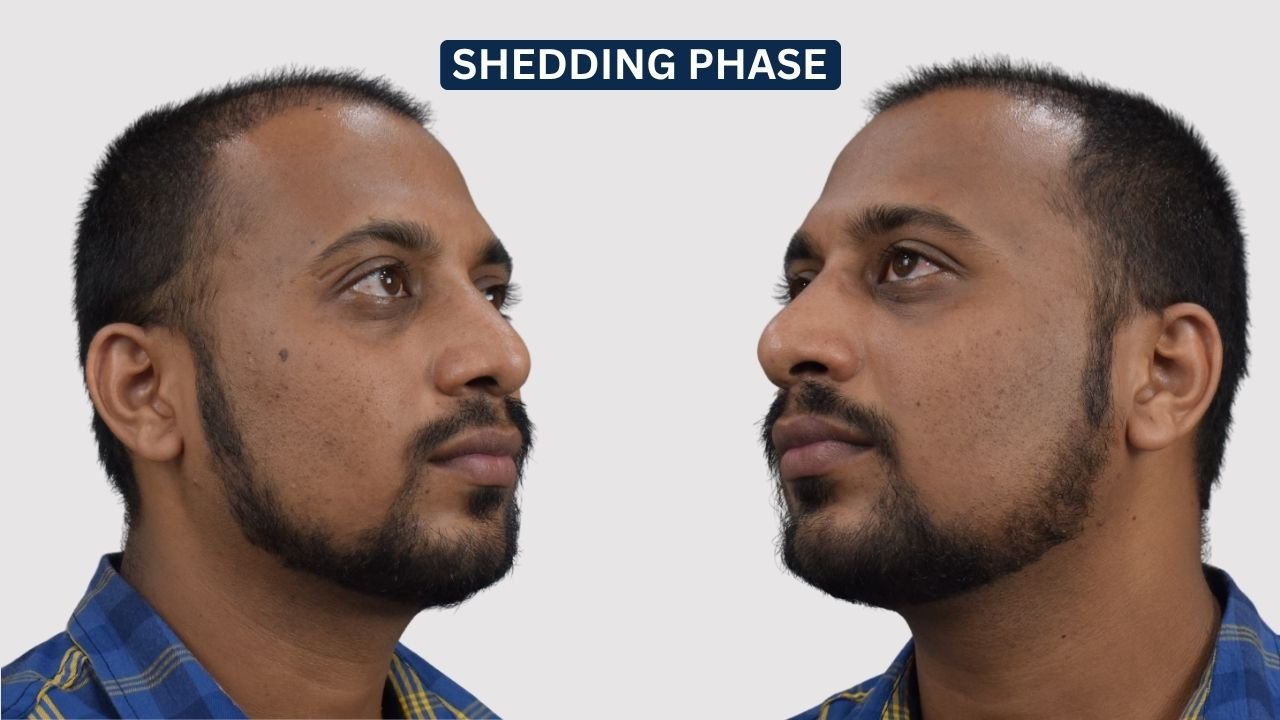
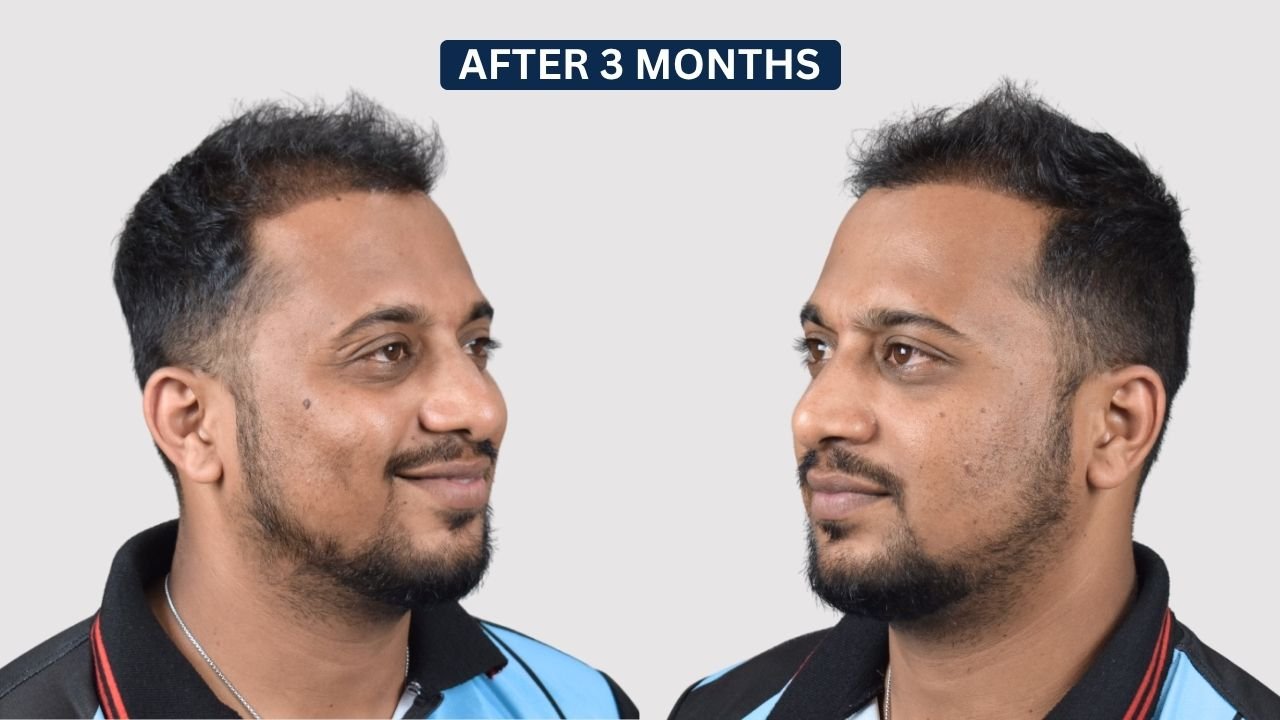
Month 1–3: Temporary Shedding Phase

During the early months, some transplanted hair shafts may temporarily shed.

Visible density can therefore appear lower during this stage even though the transplanted follicles remain beneath the scalp and gradually enter a new growth cycle.

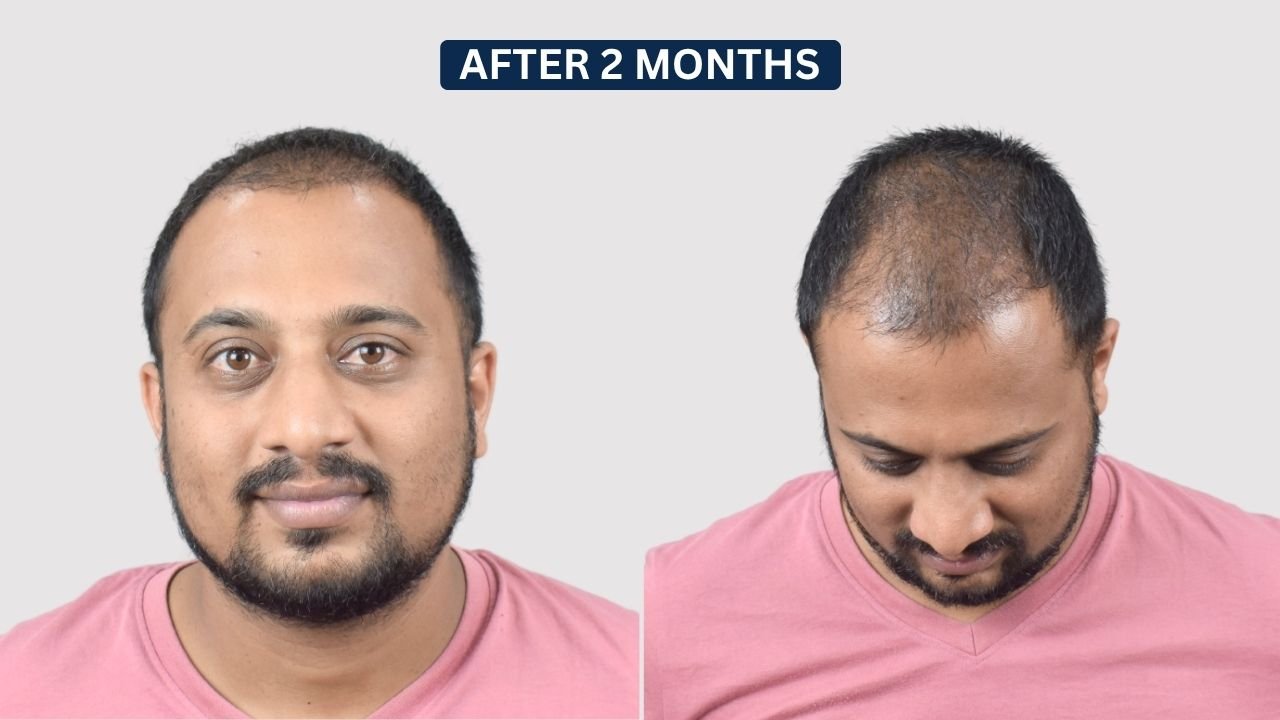
Month 2-4: Early Hair Growth Begins

Around the fourth month, early transplanted hairs may start becoming visible.

These hairs can initially appear fine, short or uneven because they are still in the early growth stage.

Month 5: Increasing Visible Growth

By the fifth month, a greater number of transplanted hairs may begin emerging.

The frontal region can gradually start appearing better defined, although density is still developing.

Month 6: Progressive Density Improvement

At approximately six months, transplanted hair commonly becomes easier to notice.

The hairline may appear more established, while growing hairs gradually gain length and thickness.

Month 7: Developing Hairline & Density

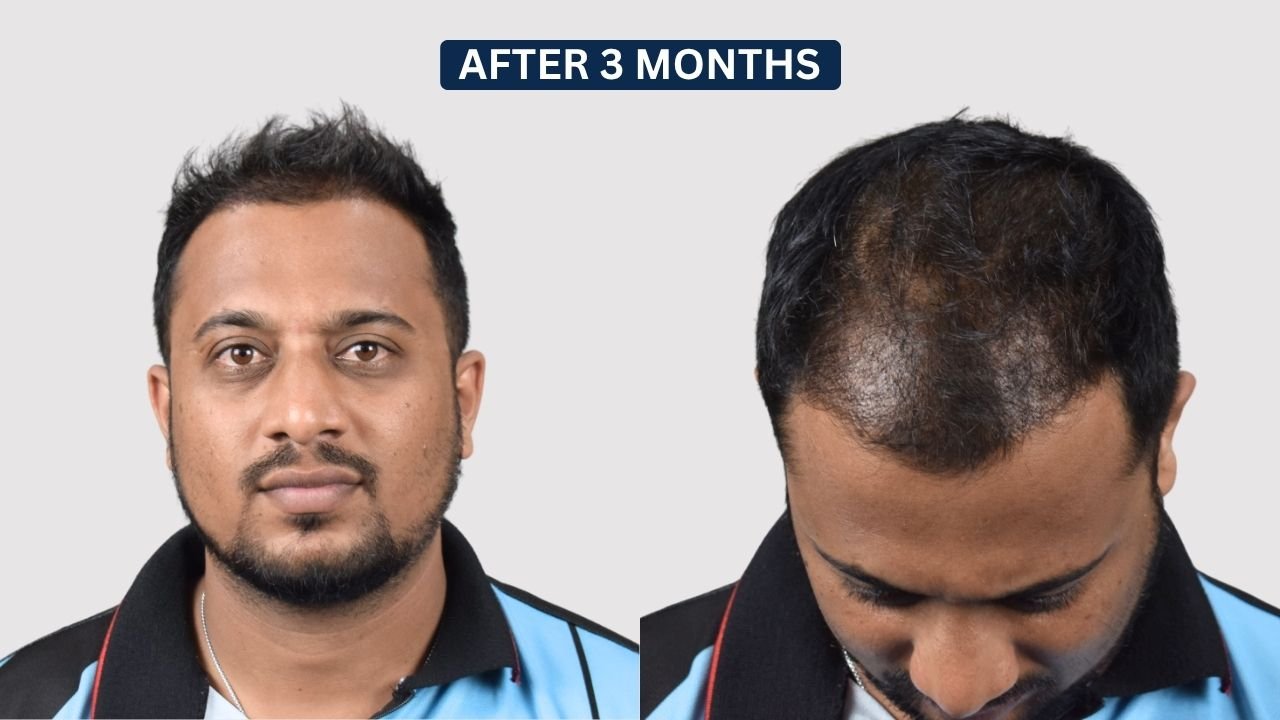
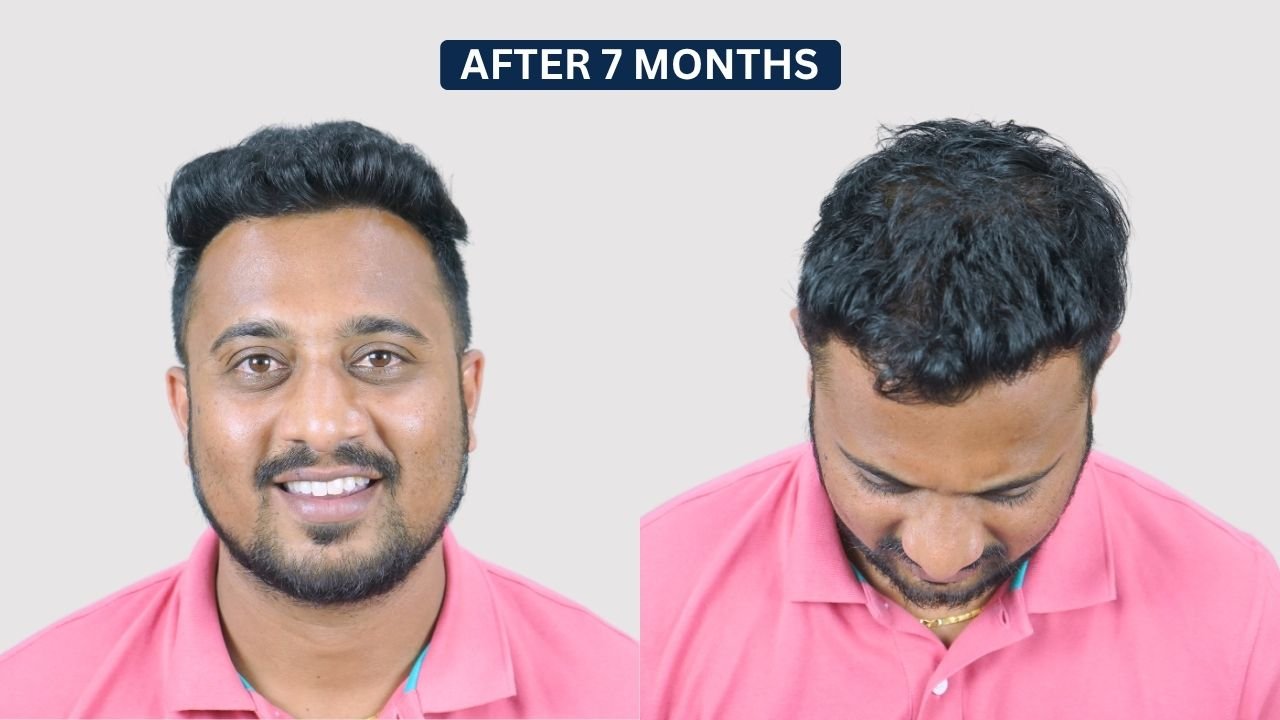
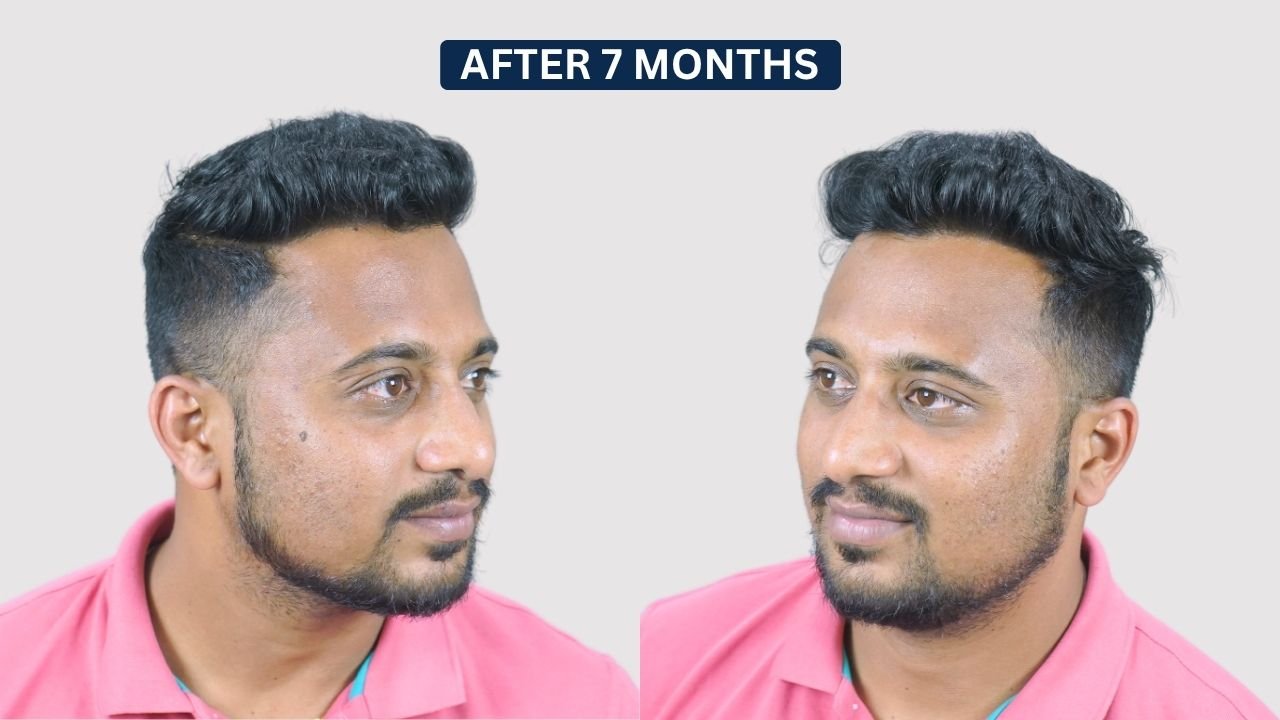
At the 7-month follow-up, the patient is still within the active growth and maturation stage.

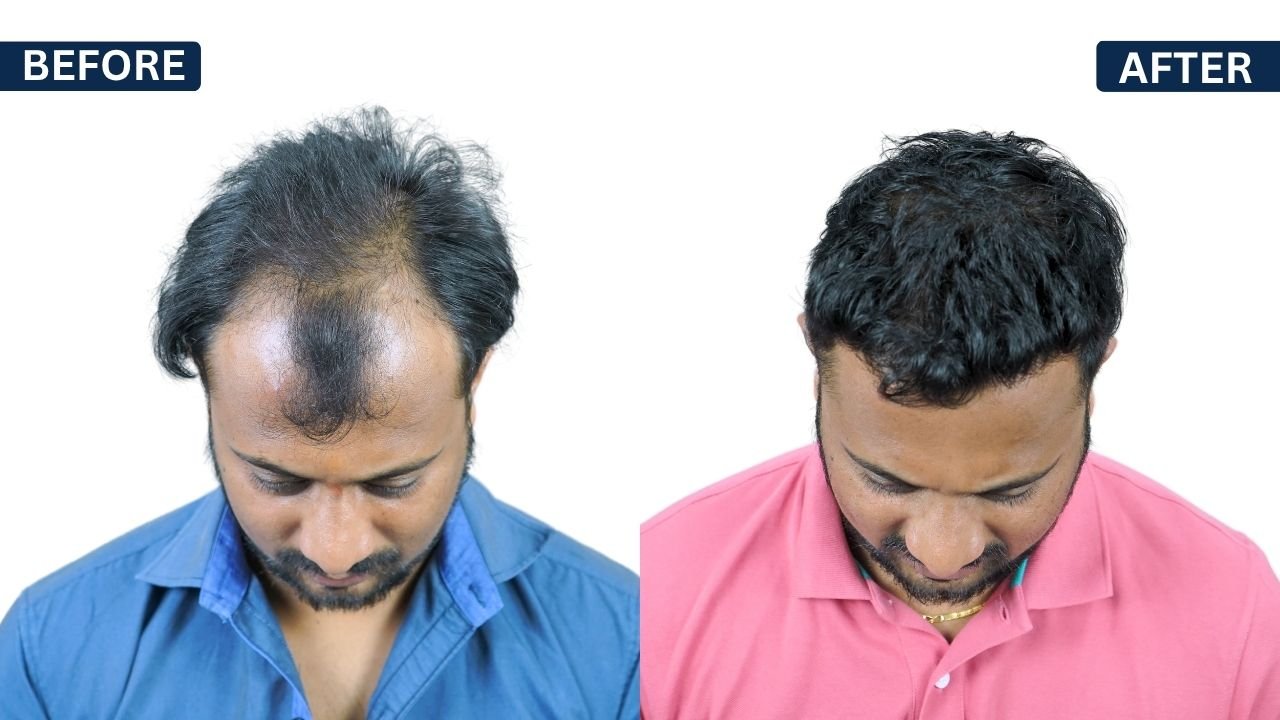
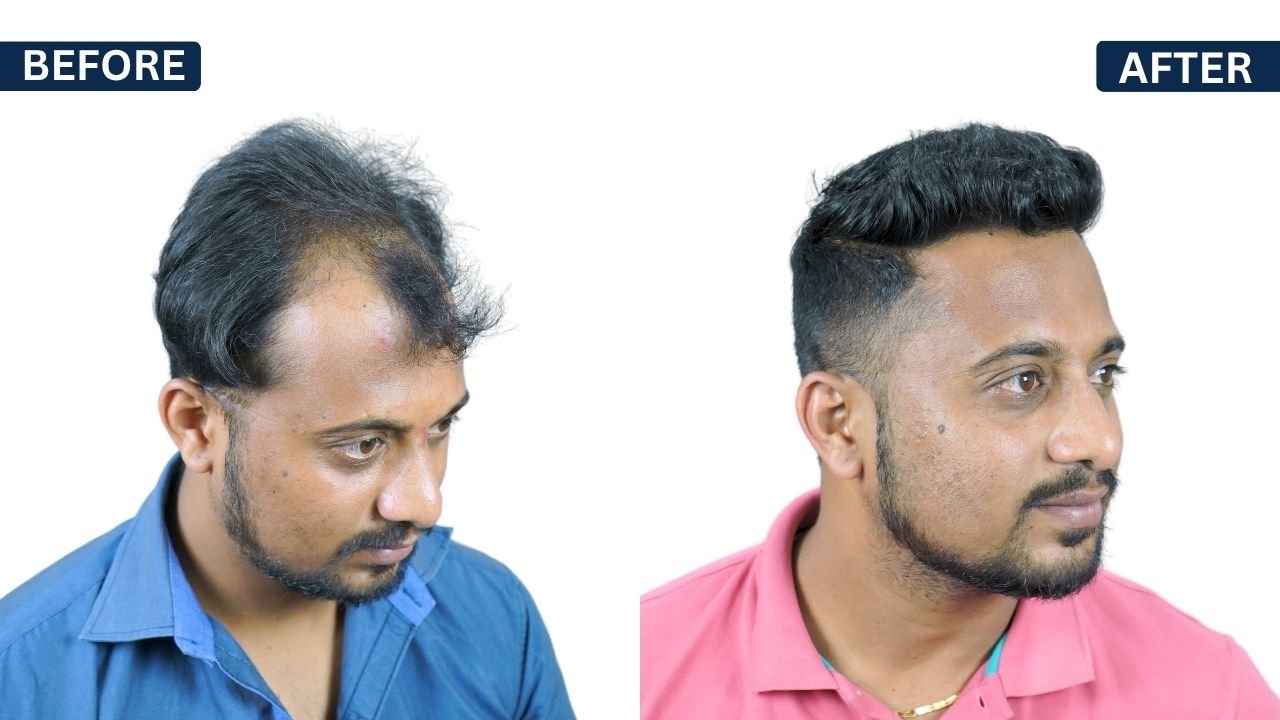
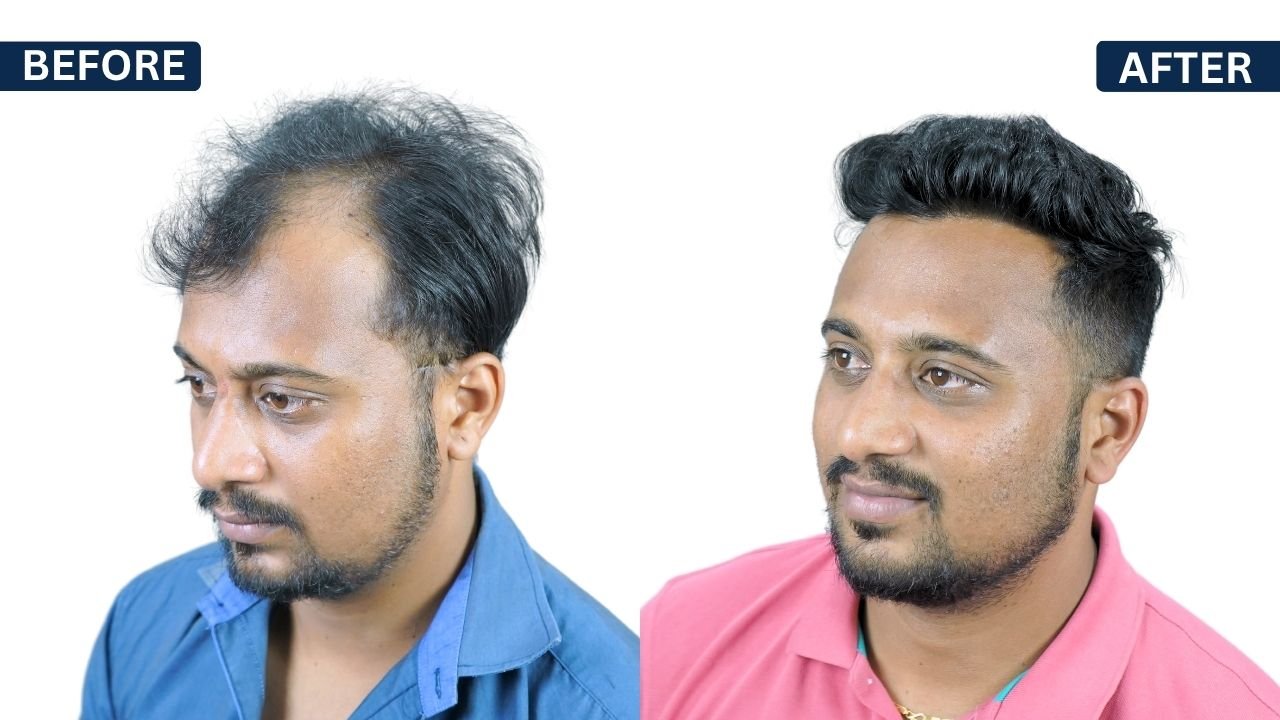
By this time, the transplanted hair can show better coverage, improved definition of the frontal region and increasing overall density. However, the result should still be considered progressive rather than final.

Further thickening and maturation may continue during the following months.

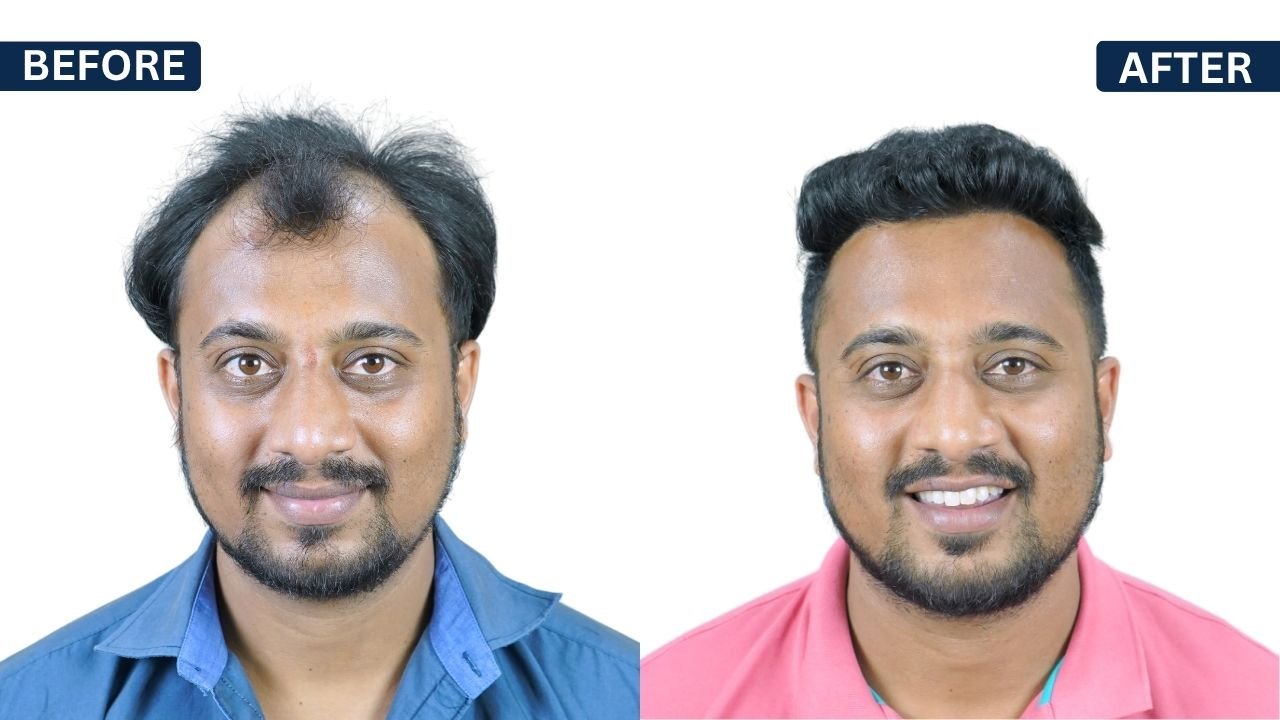
7-Month Hair Transplant Result

This case documents the 7-month progress of a 29-year-old patient with Grade 4–5 baldness who underwent an I-Sapphire FUE hair transplant with 3,425 grafts.

The patient had experienced hair loss for approximately seven years and had no significant medical history reported in the provided case details.

An initial estimate of approximately 3,000 grafts was made, while 3,425 grafts were ultimately transplanted, with the graft quality documented as good.

At seven months, the patient remains within the ongoing maturation stage, with additional improvement potentially continuing as transplanted hairs become thicker and more established.

Male Hair Transplant Before & After Results

The Change: A New Beginning

For this patient, the journey was about much more than regaining hair—it was about rebuilding confidence after years of disappointment.

After living with unsuccessful FUT and FUE procedures, the BIG-FUE corrective hair transplant provided a natural, fuller appearance that complemented his facial features and age.

Today, he feels more confident in both professional and personal settings, with results that reflect careful planning, surgical precision, and long-term hair management.

What Our Patients Says

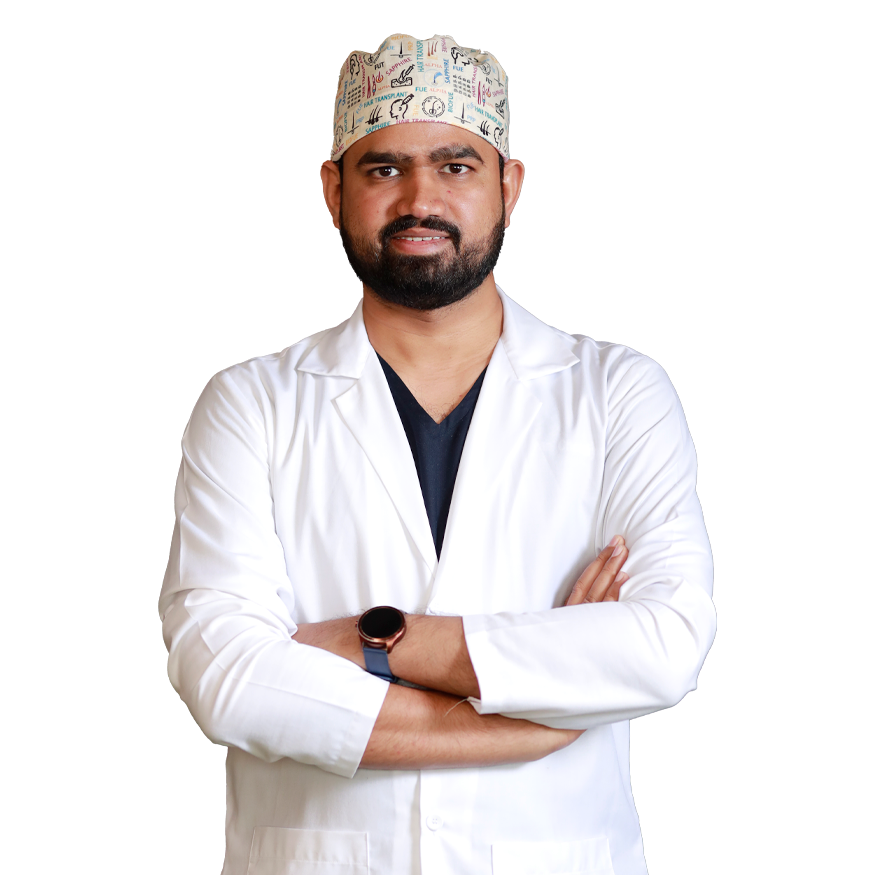
Why Choose Dr. Kiran Chotaliya for Your Hair Restoration

  • Expert Surgical Leadership: Dr. Kiran Chotaliya is a premier hair transplant surgeon in Pune, specializing in complex NW3 to NW7 cases with a focus on surgical artistry.
  • Superior BIG-FUE Advantage: Our signature technique ensures maximum graft survival and high-density results without the downtime of traditional methods.
  • Natural Hairline Aesthetics: We utilize ultra-refined single-hair grafts to create soft, undetectable hairlines that match your natural growth pattern perfectly.
  • Strict Safety & Handling: Our clinic follows international protocols for graft storage and handling, ensuring every follicle has the best chance of flourishing.
  • Holistic Preservation Plan: We provide a lifetime hair management strategy, including PRP and medical support, to prevent future hair loss beyond the transplanted area.
drkiranchotaliya

FAQ'S

1. How many grafts were transplanted in this case?

Although approximately 3,000 grafts were initially planned, the final procedure used 3,425 grafts.

The patient underwent an I-Sapphire FUE hair transplant.

No. Seven months is generally still part of the progressive growth and maturation stage. Hair thickness and overall density may continue improving during the following months.

According to the case details, the maintenance plan included hair vitamins, Minoxidil and PRP, according to the treating doctor’s recommendations.

Hair Transplant in Pune

Dr. Kiran Chotaliya is a leading hair transplant surgeon in Pune, specializing in advanced techniques like FUE and FUT for natural, lasting results. His expertise and patient-centered care ensure successful hair restoration with exceptional outcomes.

Follow Us

GET IN TOUCH

© 2026 Developed & Handle By Dr. Kiran Chotaliya Clinic Team

Location

© 2026 Developed & Handle By Dr. Kiran Chotaliya Clinic Team

Scroll to Top