
One of the most common questions patients ask after surgery is:
“When will my hair transplant start growing?”
Understanding the Hair Transplant Results Timeline helps patients set realistic expectations after surgery. Hair transplant results do not appear immediately. The transplanted follicles go through a natural biological cycle before new hair growth becomes visible.
Knowing this timeline helps patients stay realistic, patient, and confident throughout the recovery and hair growth journey.
In this guide, Dr. Kiran Chotaliya in Pune, hair transplant surgeon at Hairfree & Hairgrow Clinic in Pune, explains what happens after surgery and how hair growth progresses month by month.
Is Hair Transplant Permanent, Hair transplant growth after surgery, Hair Transplant In Pune, dr. kiran chotaliya clinic, Is Hair Transplant Permanent, Hair transplant growth after surgery, Hair Transplant In Pune, dr. kiran chotaliya clinic,Is Hair Transplant Permanent, Hair transplant growth after surgery, Hair Transplant In Pune, dr. kiran chotaliya clinic
Hair transplant surgery involves relocating hair follicles from the donor area to the balding region.
Although the grafts are implanted immediately, the visible results take time because hair follicles must recover, rest, and then start producing new hair shafts.
This process follows the natural hair regrowth after transplant.

Below is the typical recovery and growth pattern after a hair transplant.
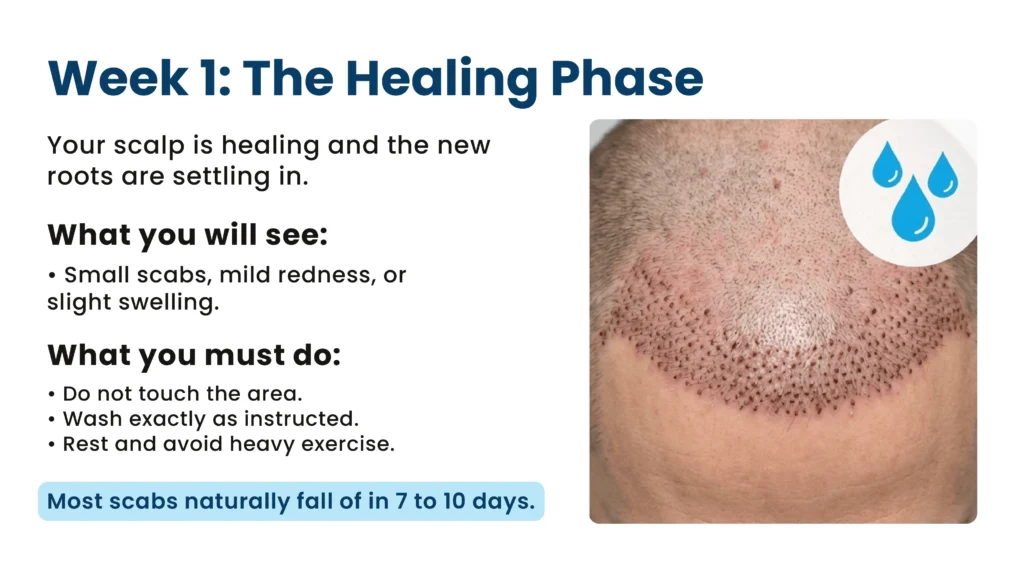
During the first week after surgery:
Patients are usually advised to:
Most scabs fall off within 7–10 days.
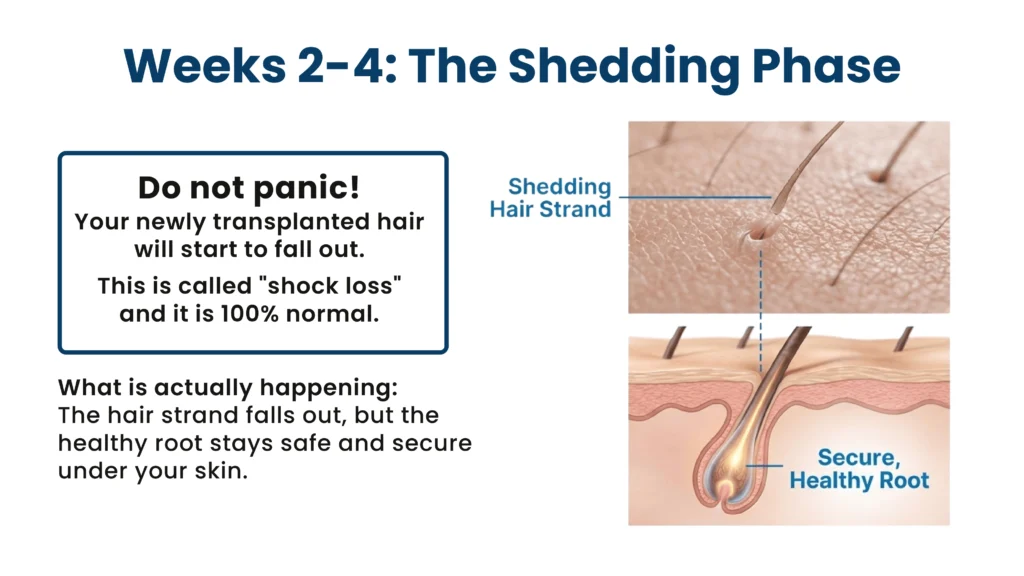
Between the second and fourth week, many patients notice shedding of transplanted hairs.
This stage is called shock loss.
Although the hair shafts fall out, the follicles remain healthy under the scalp.
This phase is completely normal and temporary.
After shedding occurs, the follicles enter a resting phase (telogen phase).
During this period:
Many patients worry during this stage, but this is a natural part of the growth cycle.

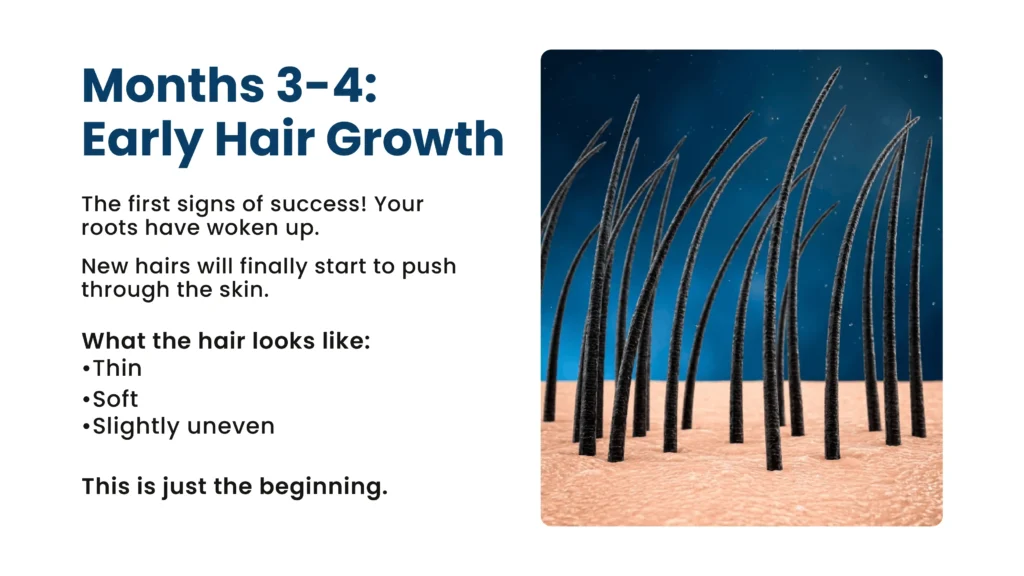
Around the third or fourth month, new hair strands begin to emerge from the transplanted follicles.
The initial hairs are usually:
This is the first sign that the follicles have successfully entered the growth phase.
By the sixth month, most patients begin to see visible improvement.
Hair growth becomes:
At this stage, approximately 40–50% of the final results may be visible.
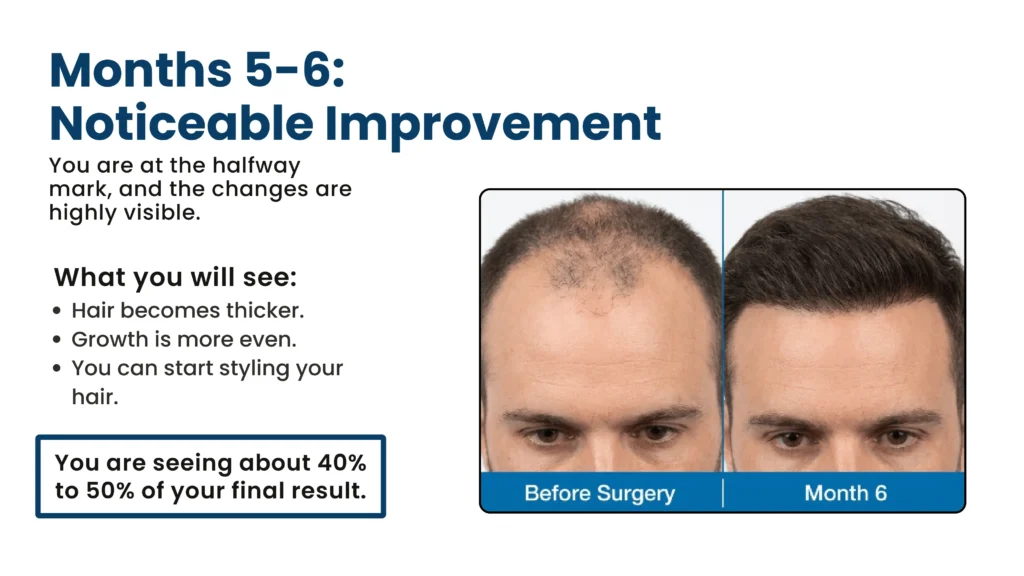
Between months seven and nine, hair growth accelerates significantly.
Changes typically include:
Patients often start receiving noticeable compliments during this phase.

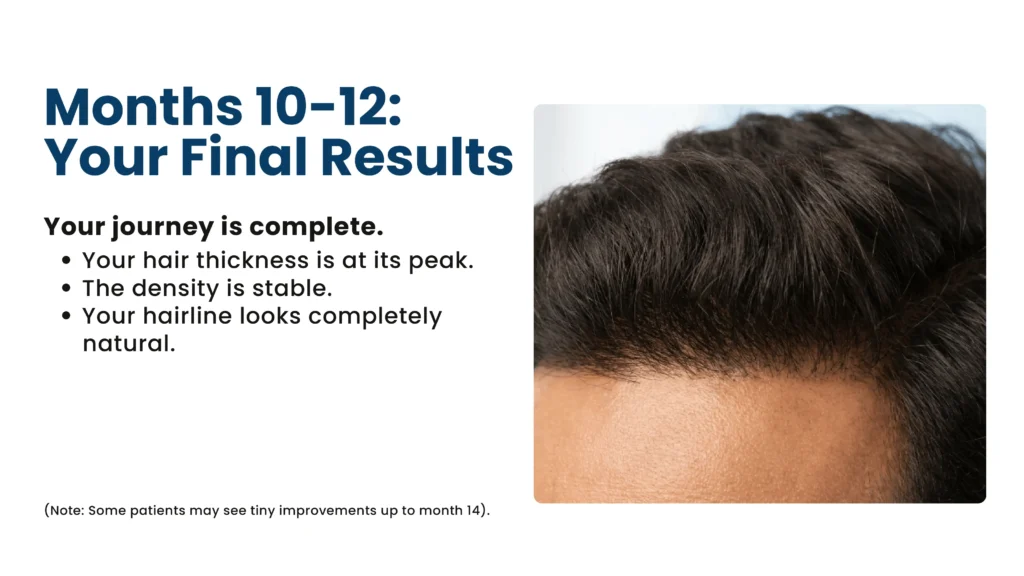
Full hair transplant results usually appear between 10–12 months after surgery.
At this stage:
Some patients may continue to see gradual improvement up to 14 months.
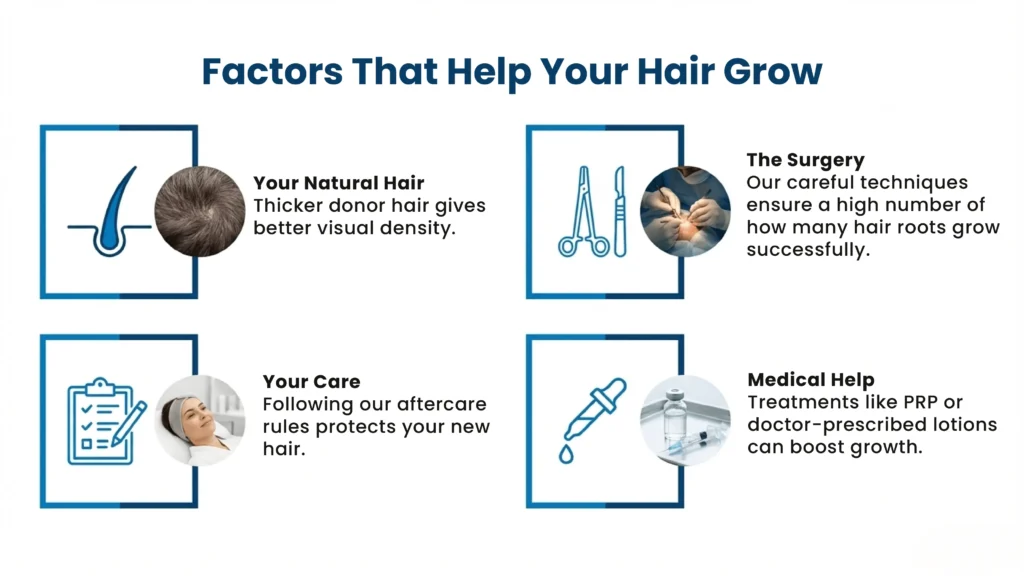
The speed and quality of hair growth can vary depending on several factors.
Donor Hair Quality
Thicker donor hair often produces better visual density.
Surgical Technique
Proper graft extraction and implantation improve follicle survival rates.
Post-operative Care
Following the surgeon’s instructions carefully helps protect the grafts during healing.
Medical Treatments
Doctors may recommend treatments such as:
to support hair growth after surgery.
According to Dr. Kiran Chotaliya, experienced hair transplant surgeon in Pune:
“Hair transplant surgery requires patience. While grafts are implanted in one day, natural hair growth follows a biological cycle that takes several months.”
Patients should avoid comparing results too early and instead focus on long-term improvement over the first year.
Patients can maximize results by following a few simple recommendations:
These measures help support healthy follicle growth and better hair density.
Hair transplant surgery provides a long-term solution for hair loss, but visible results require patience. Understanding the Hair Transplant Results Timeline in Pune can help patients set realistic expectations throughout the recovery journey.
The transplanted follicles must go through natural healing, shedding, and growth cycles before producing new hair.
Most patients begin to see noticeable improvement around 4–6 months after surgery, while full hair transplant results typically become visible within 10–12 months.
Most patients begin to notice new hair growth around 3–4 months after the procedure.
Yes. Temporary shedding, known as shock loss, is a normal part of the healing process and usually occurs within the first month.
Final results are typically visible between 10–12 months after surgery, although some patients continue to see improvement beyond one year.
Following post-operative instructions, maintaining a healthy lifestyle, and using doctor-recommended treatments can help support healthy hair growth.
Yes. Transplanted hair follicles are generally resistant to hair loss and can provide long-lasting, natural-looking results.

A free experts curated guide that clears all your doubts
about Costs, Results, Pain, Recovery and much more.
Dr. Kiran Chotaliya is a leading hair transplant surgeon in Pune, specializing in advanced techniques like FUE and FUT for natural, lasting results. His expertise and patient-centered care ensure successful hair restoration with exceptional outcomes.
© 2026 Developed & Handle By Dr. Kiran Chotaliya Clinic Team
© 2026 Developed & Handle By Dr. Kiran Chotaliya Clinic Team