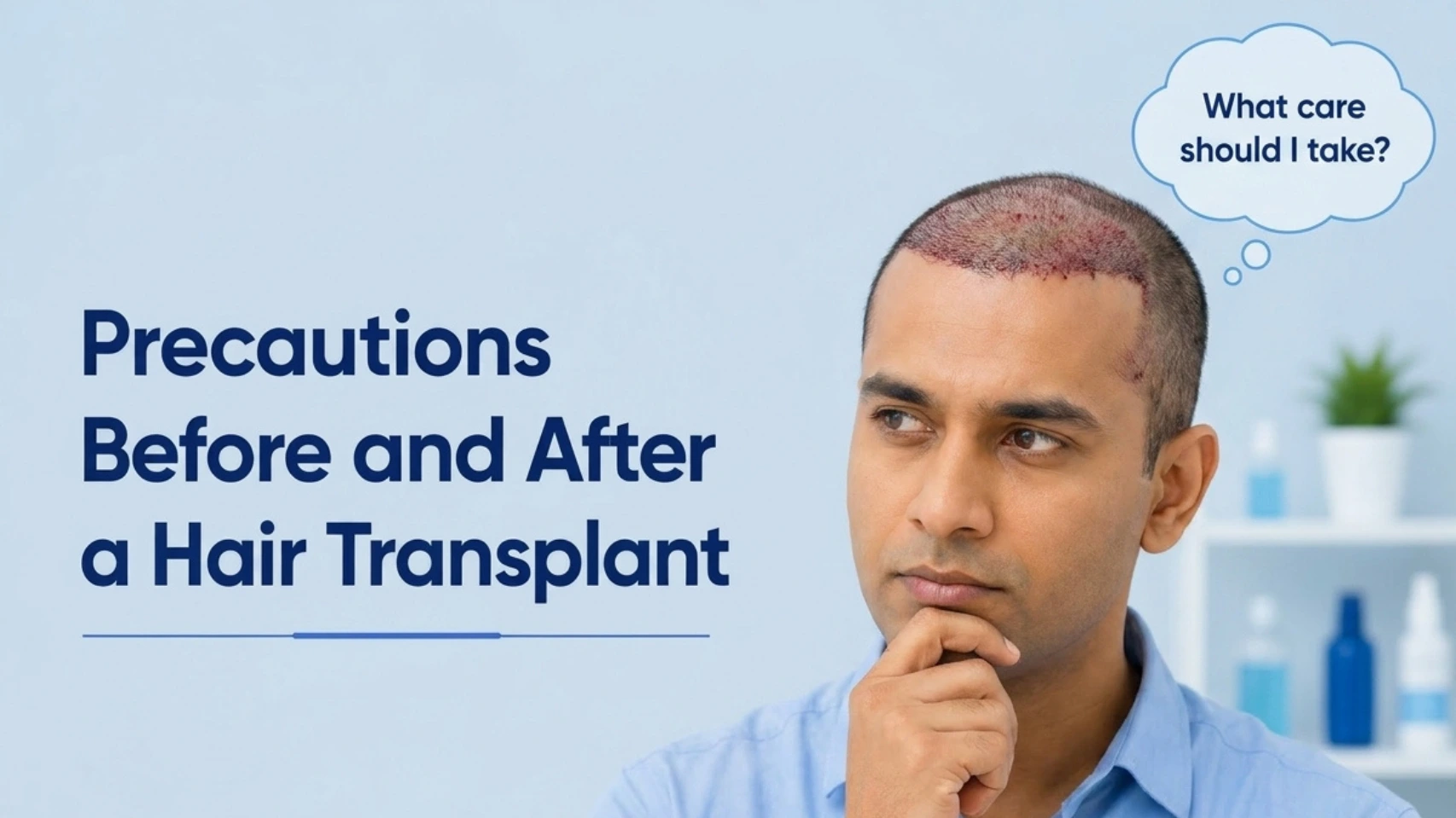
Hair Transplant Precautions play a crucial role in ensuring the success of your hair restoration journey. Following the right guidelines before and after the procedure helps protect the transplanted grafts, promotes faster healing, and improves the chances of achieving natural, long-lasting results.
Hair transplantation has become one of the most effective and reliable solutions for treating hair loss. While advanced techniques such as FUE and FUT provide natural-looking results, the success of the procedure depends not only on the surgery itself but also on proper preparation and post-operative care.
Understanding the essential Precautions Before and After a Hair Transplant in Pune can help maximize graft survival, promote faster healing, and ensure long-lasting results. Consulting Dr. Kiran Chotaliya, a hair transplant surgeon in Pune, can help patients receive expert guidance on every stage of the hair restoration journey, from pre-operative preparation to post-transplant recovery and long-term hair growth.
Is Hair Transplant Permanent, Hair transplant growth after surgery, Hair Transplant In Pune, dr. kiran chotaliya clinic, Is Hair Transplant Permanent, Hair transplant growth after surgery, Hair Transplant In Pune, dr. kiran chotaliya clinic,Is Hair Transplant Permanent, Hair transplant growth after surgery, Hair Transplant In Pune, dr. kiran chotaliya clinic
Following proper hair transplant precautions before the procedure helps create the ideal conditions for a successful transplant.
1. Consult an Experienced Hair Transplant Surgeon
A detailed consultation is the first and most important step. During the consultation, the surgeon evaluates your scalp condition, donor area, medical history, and hair restoration goals. Choosing an experienced Best hair transplant doctor in Pune ensures that you receive a personalized treatment plan and realistic expectations.
2. Avoid Smoking and Alcohol
Smoking reduces blood circulation to the scalp, which can affect graft survival and healing. Alcohol may increase bleeding during the procedure. Most surgeons recommend avoiding both for at least one week before surgery.
3. Inform Your Doctor About Medications
Certain medications, including blood thinners, anti-inflammatory drugs, and supplements, can increase bleeding risk. Always inform your surgeon about any medications or health conditions before the procedure.
4. Maintain a Healthy Diet
A balanced diet rich in vitamins, minerals, and protein supports healthy hair growth and promotes faster recovery after the transplant.
5. Wash Your Hair as Instructed
Your surgeon may recommend washing your scalp thoroughly before the procedure to reduce the risk of infection and ensure a clean surgical environment.
6. Get Adequate Rest
A good night’s sleep before surgery helps reduce stress and prepares your body for the procedure.
Following proper hair transplant precautions after the procedure is critical for protecting newly transplanted grafts and achieving the best possible outcome.
1. Avoid Touching the Transplanted Area
The newly implanted grafts are delicate during the first few days. Avoid scratching, rubbing, or touching the treated area unnecessarily.
2. Follow Washing Instructions Carefully
Your surgeon will provide specific instructions regarding when and how to wash your hair after the procedure. Gentle cleansing helps prevent infection while protecting the grafts.
3. Sleep with Your Head Elevated
Keeping your head elevated for the first few nights helps reduce swelling around the forehead and scalp.
4. Avoid Strenuous Activities
Heavy exercise, gym workouts, running, and sports should be avoided for at least one to two weeks, as excessive sweating and increased blood flow may affect healing.
5. Protect Your Scalp from Sun Exposure
Direct sunlight can irritate the healing scalp and damage newly transplanted grafts. Wear a loose-fitting cap if advised by your surgeon.
6. Avoid Smoking and Alcohol During Recovery
Continuing to avoid smoking and alcohol after surgery helps improve blood circulation and supports healthy graft growth.
7. Take Prescribed Medications
Use all prescribed medications, including antibiotics and anti-inflammatory drugs, exactly as directed to minimize discomfort and reduce the risk of complications.
8. Be Patient with the Results
Many patients experience temporary shedding of transplanted hairs within the first few weeks, known as shock loss. This is a normal part of the healing process. New hair growth typically begins within three to four months, with final results becoming visible over the following months.
Hair transplant precautions are essential for achieving the best possible results from your procedure. A hair transplant is an investment in your appearance and confidence, and proper pre-operative preparation and diligent post-operative care significantly improve graft survival, reduce complications, and enhance overall results. Patients who carefully follow hair transplant precautions and their surgeon’s instructions often experience a smoother recovery and more natural-looking outcomes.
Understanding the essential Precautions Before and After a Hair Transplant in Pune can make a significant difference in the success of your procedure. From avoiding smoking and certain medications before surgery to protecting grafts and following aftercare instructions during recovery, every step plays a crucial role in achieving optimal results.
For personalized guidance and advanced hair restoration solutions, consult Dr. Kiran Chotaliya, Best hair transplant doctor in Pune, who can help you achieve natural-looking, long-lasting hair restoration results.
Avoid smoking, alcohol, and blood-thinning medicines for at least a week before surgery unless advised otherwise by your surgeon.
Yes, you should wash your hair thoroughly on the day of surgery or as instructed by your hair transplant surgeon in Pune to keep the scalp clean.
Usually, gentle washing can begin after 2–3 days, but you must strictly follow the post-operative instructions given by your surgeon.
Initial healing takes about 7–10 days, but full hair growth results appear gradually over 6–12 months.
Yes, temporary shedding (shock loss) is normal. New permanent hair growth usually starts after 3–4 months.
The best hair transplant doctor in Pune recommends following essential hair transplant precautions before surgery, such as avoiding smoking and alcohol, stopping blood-thinning medications (only under medical guidance), eating a healthy diet, staying hydrated, and following all pre-operative instructions. Proper preparation helps improve graft survival, promotes faster healing, and increases the chances of a successful hair transplant.
After Hair Restoration Treatment in Pune, keep your scalp clean, avoid touching the transplanted area, protect it from sunlight, avoid strenuous activities, and follow your doctor’s instructions. Proper aftercare supports faster healing and ensures the best hair transplant results.

A free experts curated guide that clears all your doubts
about Costs, Results, Pain, Recovery and much more.
Dr. Kiran Chotaliya is a leading hair transplant surgeon in Pune, specializing in advanced techniques like FUE and FUT for natural, lasting results. His expertise and patient-centered care ensure successful hair restoration with exceptional outcomes.
© 2026 Developed & Handle By Dr. Kiran Chotaliya Clinic Team
© 2026 Developed & Handle By Dr. Kiran Chotaliya Clinic Team