Author name: Dr Kiran Chotaliya

PRP Hair Treatment in Pune by Dr. Kiran Chotaliya for natural hair growth
Hair Loss

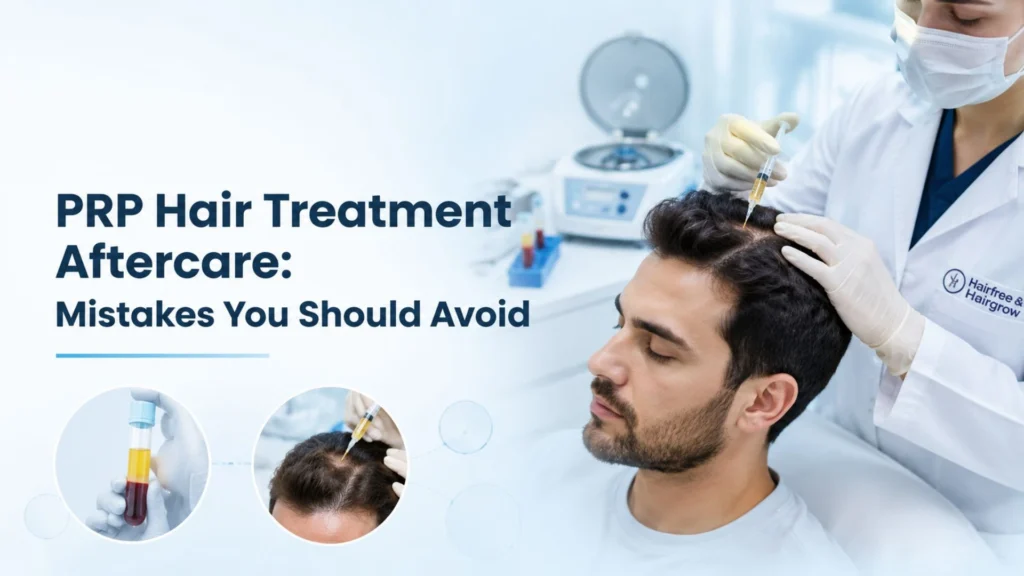
What Not to Do After PRP Hair Treatment

What Not to Do After PRP Hair Treatment Table of Contents Quick Summary PRP hair treatment in Pune is a safe and effective solution for reducing hair loss and promoting natural hair growth. Following the right aftercare—and avoiding common mistakes after the procedure—can improve healing, maximize results, and help you achieve healthier, thicker hair. Introduction PRP hair treatment in Pune is one of the most effective non-surgical solutions for treating hair loss and hair thinning. By using your body’s own platelet-rich plasma, the treatment stimulates dormant hair follicles, promotes natural hair growth, and improves overall hair density. However, following the right aftercare is just as important as the procedure itself to achieve the best possible results. Many patients ask, “What Not to Do After PRP Hair Treatment?” Avoiding certain activities after the procedure can help protect the treated scalp, reduce irritation, and maximize the effectiveness of PRP therapy. As a leading PRP hair specialist in Pune, Dr. Kiran Chotaliya emphasizes that proper post-treatment care plays a crucial role in ensuring successful hair restoration. In this guide, Dr. Kiran Chotaliya, an experienced hair transplant surgeon in Pune, explains what not to do after PRP hair treatment, common aftercare mistakes to avoid, and expert tips to support healthy hair recovery and long-lasting results. Avoid Washing Your Hair Immediately One of the most important precautions after PRP treatment is avoiding hair wash for at least 24 hours. The scalp needs time to absorb the injected platelets and growth factors properly. Using shampoo too early may: Irritate the treated area Reduce platelet absorption Increase scalp sensitivity After 24 hours, use a mild shampoo recommended by your hair specialist. Do Not Touch or Scratch Your Scalp Mild redness, tenderness, or itching can occur after PRP treatment. However, avoid scratching, rubbing, or massaging your scalp aggressively. Touching the treated area repeatedly can: Introduce bacteria Increase infection risk Cause unnecessary irritation Allow the scalp to heal naturally. Avoid Heavy Exercise for 24–48 Hours Intense workouts and heavy physical activities increase sweating and blood circulation, which may affect the treated scalp area. Avoid: Gym workouts Running Weightlifting Hot yoga Excessive sweating can irritate the scalp and may increase discomfort after treatment. Talk To Our Hair Expert Stay Away from Smoking and Alcohol Smoking and alcohol negatively affect blood circulation and healing. Since PRP therapy depends on healthy blood platelets and tissue repair, these habits can reduce treatment effectiveness. For better results: Avoid alcohol for at least 48 hours Avoid smoking as much as possible Healthy circulation supports better follicle stimulation and hair growth. Do Not Use Hair Styling Products Avoid applying hair gel, hair spray, wax, or chemical styling products for at least 24–48 hours after PRP treatment. These products may: Irritate the scalp Cause inflammation Block hair follicles Keep your scalp clean and free from harsh chemicals during recovery. Avoid Direct Sun Exposure Your scalp may remain sensitive after the procedure. Excessive sun exposure can increase redness and irritation. If you need to go outside: Wear a loose cap Avoid prolonged sunlight Stay hydrated Protecting the scalp helps in faster recovery. Do Not Undergo Chemical Hair Treatments Avoid hair coloring, rebonding, smoothening, or chemical treatments for at least one week after PRP sessions. Chemical products can: Irritate the scalp Interfere with healing Affect treatment results Allow your scalp enough time to recover fully before any cosmetic procedure. Avoid Taking Anti-Inflammatory Medicines Without Advice Painkillers like ibuprofen or anti-inflammatory medicines may interfere with the natural inflammatory healing response required for PRP effectiveness. Only take medications prescribed or approved by your doctor after treatment. Follow Your Hair Specialist’s Instructions Every patient’s scalp condition and hair loss pattern are different. Following personalized aftercare instructions is essential for the best outcome. At Hairfree & Hairgrow clinic in Pune, patients receive customized PRP treatment plans along with complete post-treatment guidance for safe recovery and better hair growth. When Can You Expect Results? PRP is not an overnight treatment. Most patients notice: Reduced hair fall within a few weeks Improved hair texture after 2–3 sessions Visible hair density improvement over several months Consistency and proper aftercare significantly improve long-term results. Conclusion PRP hair treatment in Pune is a safe and effective option for treating hair loss, but your results depend not only on the procedure itself but also on how well you care for your scalp afterward. Knowing what not to do after PRP hair treatment—such as avoiding early hair washing, strenuous exercise, smoking, alcohol, and harsh hair products—can help promote faster healing and maximize hair growth. If you’re considering PRP hairt treatment in Pune, consult Dr. Kiran Chotaliya, an experienced hair transplant surgeon in Pune, for personalized treatment and expert aftercare guidance. With the right care and a customized treatment plan, you can achieve healthier, thicker, and more natural-looking hair. FAQ’s 1. Is it normal to feel pain after PRP hair treatment? Mild soreness or scalp tenderness is normal for a day or two after PRP treatment. Severe pain or swelling should be reported to your doctor. 2. Can I apply oil after PRP treatment? Avoid applying hair oil for at least 24–48 hours unless advised by your hair specialist. 3. When can I wash my hair after PRP? You should wait at least 24 hours before washing your hair after PRP treatment. 4. Can I go to work after PRP hair treatment? Yes, most patients can resume normal activities the same day, but avoid excessive sweating and heavy exercise. 5. How many PRP sessions are needed for hair growth? The number of sessions varies depending on hair loss severity. Most patients require 3–6 sessions for noticeable improvement. 6. Is PRP hair treatment safe? Yes, PRP is generally considered safe because it uses your own blood platelets, reducing the risk of allergic reactions. Mild soreness or scalp tenderness is normal for a day or two after PRP treatment. Severe pain or swelling should be reported to your doctor. Avoid applying hair oil for at least 24–48 hours unless advised by your
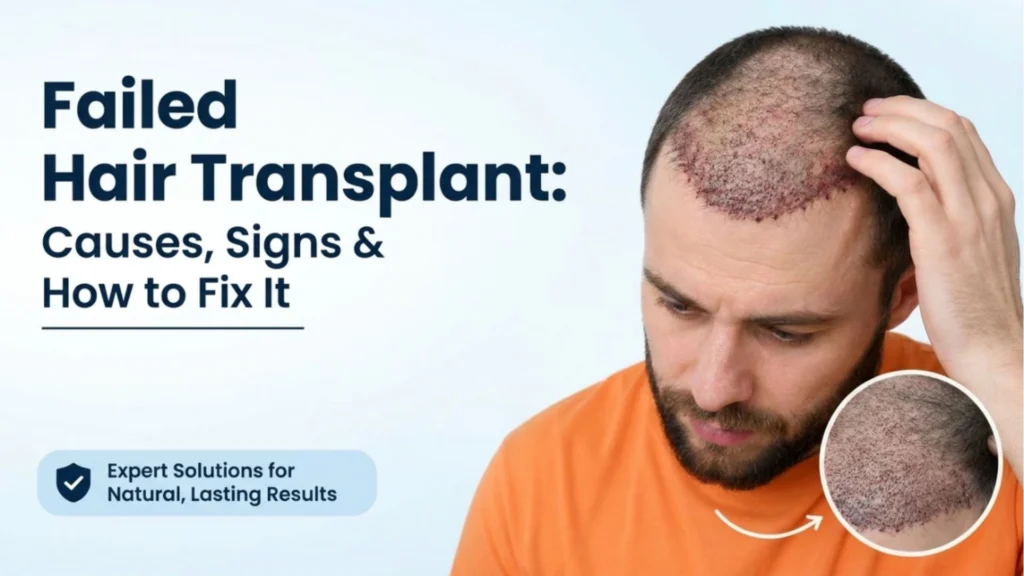
Failed Hair Transplant in Pune before and after hair transplant repair by expert surgeon
Hair Transplant

Failed Hair Transplant: Causes, Signs & How to Fix It

Failed Hair Transplant: Causes, Signs & How to Fix It Table of Contents Introduction A hair transplant can be a life-changing procedure, restoring both hair and confidence. However, not every hair transplant delivers the expected results. Some patients experience poor hair growth, unnatural hairlines, visible scarring, or patchy density, leading them to believe their hair transplant has failed. The good news is that many failed hair transplant in Pune can be corrected with modern hair restoration techniques. In this guide, we’ll discuss the common causes of hair transplant failure, warning signs to watch for, and available treatment options. Experiencing Poor Hair Design or Growth? If you are unhappy with a past procedure, don’t lose hope. Schedule a private evaluation with a certified hair restoration specialist in Pune today to explore your medical repair options. A hair transplant fails primarily due to poor graft handling, faulty clinical techniques, or inadequate post-operative care. Common signs include a patchy look, an unnatural hairline, or low hair density after 12 months. Specialists can repair these outcomes using a secondary Follicular Unit Extraction (FUE) procedure, corrective hair camouflage, or regenerative options like PRP therapy. What Is a Failed Hair Transplant? A hair transplant is considered unsuccessful when the final outcome does not meet medical or aesthetic expectations. This may include poor graft survival, inadequate density, unnatural appearance, excessive scarring, or complications that affect the overall result. While some patients worry too early, it’s important to remember that final hair transplant results typically take 12 to 18 months to fully develop. What Causes a Hair Transplant to Fail? Understanding the Causes of Hair Transplant to Fail can help patients avoid poor outcomes and choose the right treatment. Factors such as inexperienced surgeons, improper graft handling, infection, and poor aftercare can affect the success of a hair transplant. 1) Inexperienced Surgeon or Clinic The success of a hair transplant largely depends on the skill and experience of the surgeon. Poor planning, improper graft placement, and inadequate surgical techniques can result in unsatisfactory outcomes. 2) Poor Graft Handling Hair follicles are extremely delicate. If grafts are damaged during extraction, storage, or implantation, they may not survive and grow properly. 3) Improper Hairline Design A poorly designed hairline can make the transplant look unnatural. Hairline planning should consider facial proportions, age, and future hair loss patterns. 4) Infection and Poor Hygiene Although uncommon, infections can interfere with healing and damage newly implanted grafts. Maintaining proper scalp hygiene after surgery is essential. 5) Failure to Follow Aftercare Instructions Patients who scratch the scalp, expose it to excessive sunlight, smoke, drink alcohol, or engage in strenuous exercise too soon may compromise graft survival. 6) Smoking and Tobacco Use Smoking restricts blood flow and oxygen delivery to the scalp, affecting healing and reducing the chances of successful graft growth. 7) Medical Conditions Uncontrolled diabetes, thyroid disorders, autoimmune diseases, and nutritional deficiencies can impact wound healing and hair growth. 8) Overharvesting the Donor Area Removing too many grafts from the donor area can leave visible thinning and make future procedures more challenging. 9) Continued Hair Loss A hair transplant does not stop natural hair loss. If surrounding hair continues to thin, the transplanted area may appear uneven over time. 10) Unrealistic Expectations Some patients expect immediate or extremely dense results. Understanding realistic outcomes is important before undergoing the procedure. What Are the Signs of Failed Hair Transplant? Many patients wonder how they can tell if their hair transplant has failed. Recognizing the Signs of Failed Hair Transplant early, such as poor hair growth, low density, an unnatural hairline, or visible scarring, can help you seek corrective treatment and improve your results. Poor Hair Growth If little or no hair growth occurs after the expected recovery period, graft survival may have been compromised. Patchy or Uneven Density Areas with inconsistent hair growth can create an unnatural appearance. Unnatural or Pluggy Hairline Appearance A successful hair transplant should create a soft, natural-looking hairline that complements your facial features. Warning signs include a hairline that is too straight, poorly positioned, or made up of large multi-hair grafts at the front. This can create the classic “pluggy” or “doll’s hair” appearance, making the transplant look artificial and noticeable. Visible Scarring Excessive scarring in the donor or recipient area can affect aesthetics and limit future treatment options. Persistent Redness or Infection Long-term inflammation, discomfort, or signs of infection should be evaluated by a specialist. Overharvested Donor Area Visible thinning at the back or sides of the scalp may indicate excessive graft extraction. Talk To Our Hair Expert How Long Should You Wait Before Judging Results? Many patients mistakenly believe their transplant has failed within the first few months. A typical timeline includes: First 2–4 weeks: Shedding of transplanted hairs 3–4 months: Early regrowth begins 6–9 months: Significant improvement in density 12–18 months: Final results become visible Before concluding that your procedure has failed, it’s important to allow adequate time for hair growth. How Can Failed Hair Transplant Be Fixed? Hair Transplant Repair Surgery Corrective hair transplant procedures can improve density, repair hairlines, and address previous surgical errors. PRP Therapy Platelet-Rich Plasma (PRP) therapy may help stimulate hair growth and improve scalp health. Exosome Therapy Advanced regenerative treatments such as exosome therapy can support follicle health and enhance recovery. Scalp Micropigmentation (SMP) SMP can reduce the appearance of scars and create the illusion of greater density. Medical Hair Loss Treatments Medications and specialized treatments may help preserve existing hair and improve overall results. Hairline Reconstruction For patients with unnatural hairlines, a revision procedure can create a more natural appearance. Can a Failed Hair Transplant Be Prevented? Can Failed Hair Transplant Be Fixed? While no procedure is guaranteed, you can significantly reduce the risk of failure by choosing an experienced hair transplant surgeon, following proper aftercare instructions, maintaining good scalp health, and having realistic expectations about your results. Choosing an experienced hair transplant surgeon Verifying clinic credentials and patient reviews Following all post-operative instructions Avoiding smoking before and after

Hair loss treatment in Pune by Dr. Kiran Chotaliya for effective hair regrowth
Hair Loss

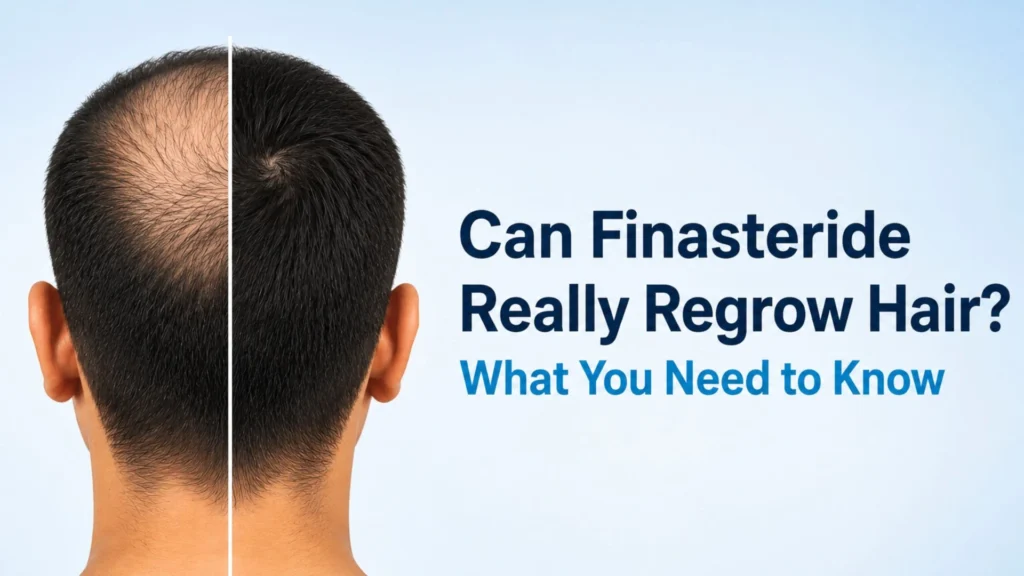
Can Finasteride Really Regrow Hair? What You Need to Know

Can Finasteride Really Regrow Hair? What You Need to Know Table of Contents Hair loss treatment in Pune includes effective options like Finasteride for hair loss. It helps reduce hair fall, slow male pattern baldness, and promote hair regrowth when used consistently under the guidance of a qualified hair specialist. Introduction Hair loss treatment in Pune is one of the most searched solutions by people experiencing hair thinning and male pattern baldness. Hair loss can affect confidence, appearance, and even mental well-being. Many men notice thinning hair, a receding hairline, or bald patches in their 20s and 30s. One of the most commonly prescribed medicines for male pattern baldness treatment is Finasteride for hair loss. But the biggest question people ask is— “Can Finasteride really regrow hair?” The answer is yes. In many cases, Finasteride hair regrowth treatment can help slow hair loss and even promote hair regrowth when used correctly and consistently. At Hairfree & Hairgrow Clinic, Dr. Kiran Chotaliya offers personalized hair loss treatment in Pune, combining medical therapies like Finasteride with advanced hair restoration solutions based on each patient’s condition. What Is Finasteride? Finasteride for hair loss is an oral prescription medicine mainly used to treat male pattern baldness (androgenetic alopecia). It works by reducing the levels of DHT (Dihydrotestosterone), a hormone linked to hair follicle shrinkage. When DHT levels increase in the scalp, hair follicles gradually become weak and produce thinner hair. Over time, this leads to noticeable hair thinning and baldness. How Does Finasteride Help Hair Regrowth? Finasteride hair regrowth treatment blocks the enzyme called 5-alpha reductase, which converts testosterone into DHT. Lower DHT levels help protect hair follicles from shrinking. This can lead to: Reduced hair fall Slower progression of baldness Improved hair thickness Better hair density Hair regrowth in some patients Finasteride works best in men with early to moderate hair loss. It is usually more effective at maintaining existing hair while also improving growth in thinning areas. How Long Does Finasteride Take to Show Results? Hair regrowth with Finasteride is gradual. Most people may notice: Reduced hair shedding within 3 to 4 months Visible improvement after 6 months Better hair density after 9 to 12 months Consistency is important. Stopping the medicine may reverse the results over time. Talk To Our Hair Expert Can Finasteride Completely Cure Baldness? Finasteride is not a permanent cure for baldness, but it is one of the most effective medical treatments available for male pattern baldness treatment. It helps manage the condition and preserve hair for longer. For advanced baldness, doctors may combine Finasteride with: Minoxidil PRP therapy GFC hair treatment Hair transplant procedures Scalp care treatments Combination treatments often provide better and faster results. Are There Any Side Effects? Like any medicine, Finasteride for hair loss may have side effects in some people. Common Finasteride side effects include: Reduced libido Erectile dysfunction Mood changes Reduced semen volume However, not everyone experiences side effects, and many patients tolerate the medicine well under proper medical supervision. This is why self-medication should be avoided. A qualified hair specialist can guide you about the right dosage and monitor your progress safely. Why Professional Hair Evaluation Matters Hair loss is not always caused by genetics alone. Stress, nutritional deficiencies, hormonal imbalance, scalp conditions, and lifestyle factors can also contribute. Before starting medication for hair loss treatment in Pune, it is important to identify the exact cause of hair fall. At Hairfree & Hairgrow Clinic Dr. Kiran Chotaliya offers personalized hair analysis to determine the most effective treatment plan. A customized treatment plan may include: Medical therapy PRP or GFC treatment Hair growth supplements Scalp treatments Lifestyle guidance Early diagnosis can significantly improve treatment success for patients seeking hair thinning treatment Pune. Final Thoughts If you’re considering hair loss treatment in Pune, Finasteride is one of the most effective options for managing male pattern baldness. It can help reduce hair fall, improve hair density, and support hair regrowth when started early and used consistently. Results vary from person to person, so consulting an experienced hair specialist is essential before beginning treatment. Dr. Kiran Chotaliya provides personalized treatment plans that combine Finasteride for hair loss with advanced hair restoration therapies to achieve the best possible outcomes. FAQ’s 1. Does Finasteride regrow lost hair? Yes, Finasteride can help regrow hair in thinning areas, especially in early-stage male pattern baldness. 2. How long should I take Finasteride? Most patients need long-term use to maintain results. Your doctor will guide you based on your hair condition. 3. Is Finasteride safe? Finasteride is generally safe when taken under medical supervision, though some people may experience side effects. 4. Can Finasteride work without Minoxidil? Yes, but combining Finasteride with Minoxidil or PRP may improve results. 5. Is Finasteride available in Pune? Yes, it is available by prescription after consultation with a qualified hair specialist. 6. Can Finasteride regrow hair? Yes, Finasteride can help regrow hair in men with early-stage male pattern baldness by reducing DHT levels and protecting hair follicles. Yes, Finasteride can help regrow hair in thinning areas, especially in early-stage male pattern baldness. Most patients need long-term use to maintain results. Your doctor will guide you based on your hair condition. Finasteride is generally safe when taken under medical supervision, though some people may experience side effects. Yes, but combining Finasteride with Minoxidil or PRP may improve results. Yes, it is available by prescription after consultation with a qualified hair specialist. Yes, Finasteride can help regrow hair in men with early-stage male pattern baldness by reducing DHT levels and protecting hair follicles. Dr. Kiran Chotaliya MD (Skin & VD) Dr. Kiran Chotaliya is a highly experienced hair transplant specialist. He provides expert guidance and care throughout the entire recovery process to ensure the best possible results. With a focus on the Hair Transplant Recovery Timeline, Dr. Kiran helps his patients achieve a smooth and successful recovery. Book Consultation Our Latest Video Hair Transplant Hair Loss Treatment Our Services Male Hair Transplant Female Hair Transplant Hairline

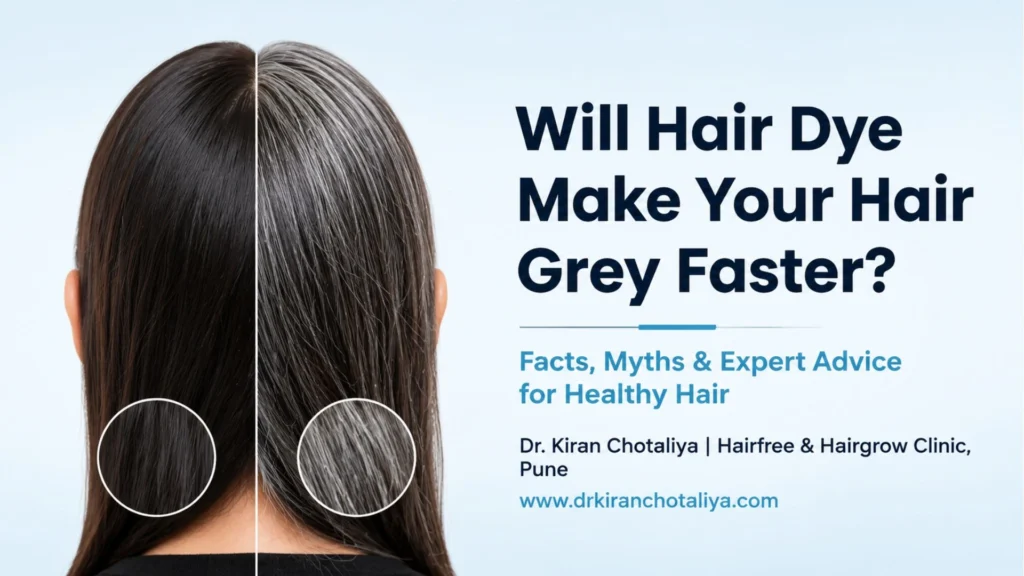
Grey hair treatment in Pune by Dr. Kiran Chotaliya for premature greying and healthy hair
Uncategorized

Does Hair Color Make Hair Grey? The Truth Behind Hair Coloring

Does Hair Color Make Hair Grey? The Truth Behind Hair Coloring Table of Contents Grey hair treatment in Pune: Hair color makes hair grey is a common myth. In reality, hair color does not directly cause grey hair. Premature greying is mainly linked to ageing, genetics, stress, and nutritional deficiencies, while harsh chemical hair colors may only damage hair and make grey strands more noticeable. Introduction Hair coloring has become a common part of personal grooming for both men and women. From covering grey strands to experimenting with stylish looks, millions of people use hair color regularly. But one question many people ask is: “Does hair color make hair grey?” Dr. Kiran  Chotaliya Hairfree & Hairgrow Clinic in Pune, many patients are concerned about premature greying after frequent hair coloring. The good news is that hair color does not make hair grey permanently. However, improper use of chemical-based hair colors and poor hair care habits may affect overall hair health. Let’s understand the real connection between hair color and grey hair. What Causes Hair to Turn Grey? Hair gets its natural color from a pigment called melanin. As we age, melanin production gradually decreases, leading to grey or white hair. While ageing is the most common reason, several other factors can cause premature greying, such as: Genetics Stress Nutritional deficiencies Smoking Hormonal imbalance Excessive heat styling Chemical exposure from harsh hair products In many cases, people notice greying in their 20s or 30s due to lifestyle-related reasons. Does Hair Color Make Hair Grey? The simple answer is No. Hair color does not make hair grey by stopping melanin production. Coloring your hair will not permanently change black hair into grey overnight. However, repeated use of harsh chemical hair colors may weaken the hair shaft and irritate the scalp. Some low-quality hair colors contain ammonia, peroxide, and other strong chemicals that can damage hair texture over time. Damaged hair may appear dry, dull, rough, and lighter in color, which sometimes creates the impression that hair color makes hair grey. Frequent coloring without proper hair care can also make existing grey hair more noticeable. Why Do People Think Hair Color Makes Hair Grey? There are several reasons behind this common belief: 1. Grey Roots Become More Visible Once colored hair starts growing out, natural grey roots become more noticeable against the colored hair. This often creates the illusion that hair color makes hair grey faster. 2. Hair Damage from Excessive Chemicals Over-processing your hair with bleach and strong hair colors may weaken hair quality and reduce shine, making hair look older and unhealthy. 3. Scalp Sensitivity Certain hair colors may irritate sensitive scalps, especially if used frequently without professional guidance. 4. Natural Ageing Continues Hair greying continues due to genetics and ageing regardless of hair coloring habits. Talk To Our Hair Expert Tips to Color Your Hair Safely If you enjoy coloring your hair, you do not necessarily have to stop. Following safe hair care practices can help maintain healthier hair. Choose Quality Hair Colors Use dermatologist-recommended or ammonia-free hair colors whenever possible. Avoid Frequent Chemical Treatments Repeated bleaching, straightening, and coloring together can increase hair damage. Maintain a Healthy Diet Iron, Vitamin B12, Vitamin D, and protein are important for healthy hair pigmentation. Use Mild Hair Care Products Choose sulfate-free shampoos and nourishing conditioners after coloring your hair. Protect Hair from Heat Limit excessive heat styling and use heat protection products. Consult a Hair Specialist If you notice sudden or excessive greying, it is best to consult a hair expert for proper evaluation. When Should You Seek Professional Help? Premature greying along with hair thinning, hair fall, or scalp irritation may indicate an underlying issue. At Hairfree & Hairgrow Clinic Dr. Kiran Chotaliya hair specialist in Pune, offers advanced hair analysis, helps identify the root cause of hair concerns and provides personalized treatment options. Depending on your condition, treatments may include: PRP therapy GFC hair treatment Scalp care solutions Nutritional guidance Medical treatment for hair loss Early diagnosis can help improve overall hair health and slow down further damage. Conclusion Many people wonder whether hair color makes hair grey, but the answer is no. Hair color itself does not directly make your hair grey faster. However, excessive use of harsh chemical hair colors without proper care can damage hair quality and make existing grey hair more noticeable. Choosing safe hair colors, maintaining scalp health, and following a healthy lifestyle are essential for strong, healthy hair. If you are experiencing premature greying, hair thinning, or hair damage, consult Dr. Kiran Chotaliya, an experienced hair specialist in Pune, for expert diagnosis and personalized treatment. FAQ’s 1. Does hair color make hair grey permanently? No. Hair color does not permanently make hair grey. Greying mainly occurs due to ageing, genetics, and lifestyle factors. 2. Which hair color is safer for regular use? Ammonia-free and dermatologist-recommended hair colors are generally considered safer for regular use. 3. Can stress cause premature grey hair? Yes. Chronic stress may contribute to premature greying in some individuals. 4. Is premature greying reversible? In some cases related to nutritional deficiencies or medical conditions, treatment may help slow down or improve premature greying. 5. Where can I get treatment for premature grey hair in Pune? You can consult Dr. Kiran Chotaliya for professional evaluation and advanced hair treatments in Pune. 6. Can hair color damage hair? Yes, frequent use of harsh chemical hair colors can damage the hair shaft, causing dryness, breakage, and dullness. Choosing ammonia-free hair colors and following a proper hair care routine can help minimize damage. No. Hair color does not permanently make hair grey. Greying mainly occurs due to ageing, genetics, and lifestyle factors. Ammonia-free and dermatologist-recommended hair colors are generally considered safer for regular use. Yes. Chronic stress may contribute to premature greying in some individuals. In some cases related to nutritional deficiencies or medical conditions, treatment may help slow down or improve premature greying. You can consult Dr. Kiran Chotaliya for professional evaluation and advanced

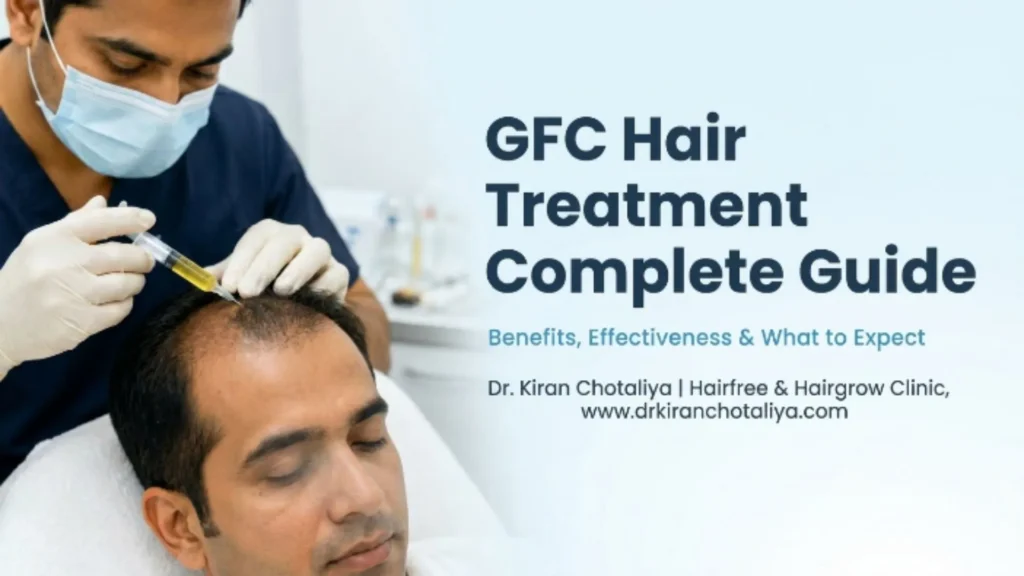
Specialist performing GFC hair treatment for hair thinning in Pune to strengthen hair follicles, reduce hair loss, and support natural hair growth.
Hair Transplant

GFC Hair Treatment Complete Guide

GFC Hair Treatment Complete Guide Table of Contents GFC Hair Treatment for Hair Thinning in Pune is an advanced, non-surgical hair restoration solution that helps strengthen weakened hair follicles and promote natural hair growth. Hair thinning is one of the most common concerns among both men and women today. Stress, hormonal imbalance, poor nutrition, genetics, and lifestyle habits can gradually reduce hair density and affect confidence. Many patients visiting our clinic often ask,  “Is GFC hair treatment good for hair thinning?”  The answer is yes — GFC treatment is considered one of the advanced non-surgical solutions for improving hair quality and reducing hair thinning naturally. As a hair restoration specialist in Pune, Dr Kiran Chotaliya believes patients should understand how the treatment works before choosing it. This blog explains everything in simple language. What Is Hair Thinning? Hair thinning refers to a gradual reduction in hair density where the hair becomes finer, weaker, and less voluminous over time. Unlike complete baldness, hair thinning develops slowly and may initially appear as excessive hair shedding or reduced hair thickness. Patients commonly notice: More hair fall while combing or washing Visible scalp near the crown or partition line Reduced ponytail thickness Weak and lifeless hair Receding hairline in men Hair thinning can affect confidence and emotional well-being if not treated early. Common Causes of Hair Thinning There are several reasons why hair thinning occurs. Identifying the cause helps in choosing the right treatment. Genetics Hereditary hair loss, also called androgenetic alopecia, is one of the most common causes of hair thinning in both men and women. Stress and Lifestyle Factors Physical or emotional stress can disturb the hair growth cycle and lead to excessive hair shedding. Hormonal Imbalance Conditions like thyroid disorders, PCOS, pregnancy-related hormonal changes, and menopause may contribute to hair thinning. Nutritional Deficiencies Low levels of iron, protein, vitamin D, and other nutrients can weaken hair roots. Medical Conditions Scalp infections, autoimmune conditions, and certain medications may also trigger hair thinning. Excessive Chemical Treatments Frequent hair coloring, straightening, and heat styling can damage hair follicles over time. What Is GFC Hair Treatment? GFC (Growth Factor Concentrate) hair treatment is an advanced non-surgical hair restoration procedure that uses growth factors extracted from the patient’s own blood to stimulate hair growth naturally. The treatment focuses on improving the health of weakened hair follicles and reducing hair thinning. GFC therapy is considered a modern and advanced alternative to traditional hair fall treatments because it contains highly concentrated growth factors that support scalp healing and hair regeneration. Is GFC Hair Treatment for Hair Thinning in Pune Good for Hair Thinning? Yes, GFC hair treatment for hair thinning can be highly effective, especially for patients in the early to moderate stages of hair loss. The treatment works by: Stimulating dormant hair follicles Improving blood circulation in the scalp Strengthening weak hair roots Reducing excessive hair fall Improving overall hair density and thickness Many patients choose GFC treatment because it is natural, minimally invasive, and requires minimal downtime. How Does GFC Hair Treatment Work? The procedure is simple and usually takes around 45–60 minutes. Step-by-Step Procedure: A small blood sample is collected from the patient. The blood is processed to isolate concentrated growth factors. The GFC solution is injected into areas affected by hair thinning. Growth factors stimulate natural hair repair and regeneration. Since the treatment uses the patient’s own blood components, the risk of allergy or major side effects is minimal. Talk To Our Hair Expert Benefits of GFC Hair Treatment for Hair Thinning Natural Hair Regrowth GFC therapy supports natural hair growth without surgery. Reduces Hair Fall Patients often notice reduced hair shedding after a few sessions. Improves Hair Thickness Hair appears healthier, denser, and stronger over time. Safe and Minimally Invasive No cuts, stitches, or scars are involved. Suitable for Men and Women GFC hair treatment in Pune can help both male and female patients experiencing hair thinning. How Many Sessions Are Needed? Most patients require: 3 to 4 sessions initially Sessions spaced about a month apart Maintenance sessions if needed Visible improvement may be noticed within 3–6 months depending on individual scalp condition. GFC Hair Treatment in Pune Patients looking for hair thinning treatment in Pune should consult an experienced hair specialist in Pune for proper scalp analysis and personalized treatment planning. Early treatment can help preserve existing hair and improve long-term hair quality. Final Thoughts Hair thinning is a common but treatable condition when addressed early. GFC hair treatment is one of the advanced non-surgical options that helps strengthen hair follicles, reduce hair fall, and improve hair density naturally. If you are noticing early signs of hair thinning, consulting a qualified hair specialist can help determine whether GFC treatment is the right option for you. FAQ’s 1. Is GFC hair treatment effective for hair thinning? Yes, GFC treatment is effective for reducing hair thinning and improving hair density in many patients. 2. Is GFC treatment painful? The procedure involves minimal discomfort and is generally well tolerated. 3. How soon can I see results after GFC treatment? Patients may start noticing improvement in hair quality and reduced hair fall within 2–3 months. 4. Can women undergo GFC hair treatment? Yes, GFC therapy is suitable for both men and women with hair thinning. 5. Is GFC better than PRP for hair loss? GFC is considered more advanced because it provides concentrated growth factors with less inflammation. Yes, GFC treatment is effective for reducing hair thinning and improving hair density in many patients. The procedure involves minimal discomfort and is generally well tolerated. Patients may start noticing improvement in hair quality and reduced hair fall within 2–3 months. Yes, GFC therapy is suitable for both men and women with hair thinning. GFC is considered more advanced because it provides concentrated growth factors with less inflammation. Dr. Kiran Chotaliya MD (Skin & VD) Dr. Kiran Chotaliya is a highly experienced hair transplant specialist. He provides expert guidance and care throughout the entire recovery process to

Monsoon hair care tips showing healthy hair routine, scalp care, hydration, balanced diet, and protection from hair fall during the rainy season.
Uncategorized

Monsoon Hair Care in Pune: Key Nutrients for Strong and Healthy Hair

Monsoon Hair Care Tips to Reduce Hair Fall and Improve Scalp Health Table of Contents Monsoon weather can increase hair fall, dandruff, scalp infections, and frizz due to high humidity, sweat buildup, and rainwater exposure. Following proper monsoon hair care tips such as keeping the scalp clean, avoiding prolonged wet hair, maintaining good scalp hygiene, staying hydrated, and eating a nutrient-rich diet can help reduce hair fall and improve scalp health. Consistent care during the rainy season can keep your hair stronger, healthier, and more manageable. Introduction The monsoon season can lead to hair fall, dandruff, scalp infections, and frizz due to increased humidity and rainwater exposure. If you’re wondering “how to maintain healthy hair during the rainy season”, following the right monsoon hair care tips can help keep your hair and scalp healthy. According to Dr. Kiran Chotaliya, hair transplant surgeon in Pune, seasonal changes can contribute to hair fall during monsoon and affect scalp health. Proper scalp care during monsoon, along with a healthy hair care routine, can help reduce seasonal hair concerns. Simple practices such as keeping the scalp clean, avoiding prolonged wet hair, staying hydrated, and eating a balanced diet can support healthy hair growth and act as an effective seasonal hair fall treatment. Why Hair Fall Increases During Monsoon? High humidity levels during the rainy season can create an ideal environment for scalp-related issues. Excess moisture and sweat may cause: Increased hair fall Oily scalp Dandruff and fungal infections Itchy scalp Frizzy and unmanageable hair Poor scalp hygiene can further worsen these problems, making it important to pay extra attention to hair care during monsoon. 7 Essential Monsoon Hair Care Tips 1. Keep Your Scalp Clean A clean scalp is the foundation of healthy hair. Sweat, dirt, and excess oil can accumulate more quickly during monsoon, increasing the risk of dandruff and scalp irritation. Tips: Wash your hair 2–3 times a week with a mild shampoo. Clean your scalp thoroughly after getting caught in the rain. Avoid product buildup by rinsing hair properly. 2. Avoid Keeping Hair Wet One of the most important monsoon hair care tips is to avoid leaving your hair wet for long periods. Wet hair is more fragile and prone to breakage. It also creates a favorable environment for fungal growth on the scalp. Tips: Dry your hair gently after washing. Avoid tying or covering wet hair. Use a soft towel instead of rubbing aggressively. 3. Maintain Proper Scalp Hygiene Good scalp care helps prevent dandruff, itching, and infections during humid weather. Tips: Keep the scalp dry whenever possible. Avoid excessive sweating on the scalp. Change pillow covers and hair towels regularly. 4. Eat a Nutrient-Rich Diet Healthy hair starts from within. Proper nutrition helps strengthen hair follicles and reduce seasonal hair fall. Important Nutrients for Hair Health: Protein for hair strength Biotin for healthy hair growth Iron to support hair follicles Omega-3 fatty acids for scalp health Vitamins C and E for hair protection A balanced diet can significantly improve hair quality and support healthy scalp function. Talk To Our Hair Expert 5. Avoid Excessive Oiling Heavy oiling during monsoon may attract dirt and increase scalp buildup. Tips: Use lightweight oils if needed. Avoid leaving oil on the scalp for extended periods. Wash thoroughly after oil application. 6. Control Frizz with Conditioner Humidity often causes hair to become rough and frizzy. Tips: Use a lightweight conditioner after shampooing. Focus on hair lengths rather than the scalp. Avoid overusing styling products. 7. Stay Hydrated Many people overlook hydration during the rainy season. Drinking enough water supports scalp health and overall hair growth. Benefits: Maintains scalp moisture balance Supports nutrient delivery to hair follicles Improves overall hair health Quick Monsoon Hair Care Routine To reduce hair fall and improve scalp health during monsoon: Wash your hair regularly with a mild shampoo to remove excess oil, sweat, and dirt. Keep your scalp clean and dry to prevent dandruff and scalp infections. Avoid tying or covering wet hair, as it can increase breakage and fungal growth. Eat a balanced diet rich in protein, biotin, iron, and vitamins to support healthy hair growth. Stay hydrated to maintain scalp health and nourish hair follicles. Use a lightweight conditioner to control frizz and improve hair manageability. Protect your hair from rainwater exposure and rinse it if it gets wet in the rain. Conclusion Monsoon weather can take a toll on your hair and scalp, leading to increased hair fall, dandruff, and irritation. However, following simple monsoon hair care tips such as maintaining scalp hygiene, avoiding prolonged wet hair, eating a nutrient-rich diet, and staying hydrated can help reduce hair fall and improve scalp health. Consistent care during the rainy season can keep your hair stronger, healthier, and more manageable. FAQ’s 1. Why does hair fall increase during monsoon? High humidity, sweat buildup, scalp infections, and excess oil production can weaken hair roots and contribute to increased hair fall. 2. How can I reduce hair fall during monsoon? Keeping the scalp clean, avoiding wet hair for long periods, eating a healthy diet, and following a proper hair care routine can help reduce seasonal hair fall. 3. How often should I wash my hair during monsoon? Washing your hair 2–3 times a week with a mild shampoo is generally recommended to maintain scalp hygiene. 4. Is oiling good during the monsoon? Moderate oiling can be beneficial, but excessive oil application may lead to scalp buildup and attract dirt during humid weather. 5. What foods help improve scalp health? Protein-rich foods, nuts, seeds, leafy vegetables, fruits, and foods rich in iron, biotin, and omega-3 fatty acids support healthy hair and scalp health. 6. How to Improve Scalp Health During Monsoon? To improve scalp health during monsoon, keep your scalp clean and dry, wash your hair regularly with a mild shampoo, avoid tying wet hair, maintain a balanced diet rich in nutrients, stay hydrated, and protect your hair from excessive rainwater exposure. These habits can help reduce dandruff, scalp infections,

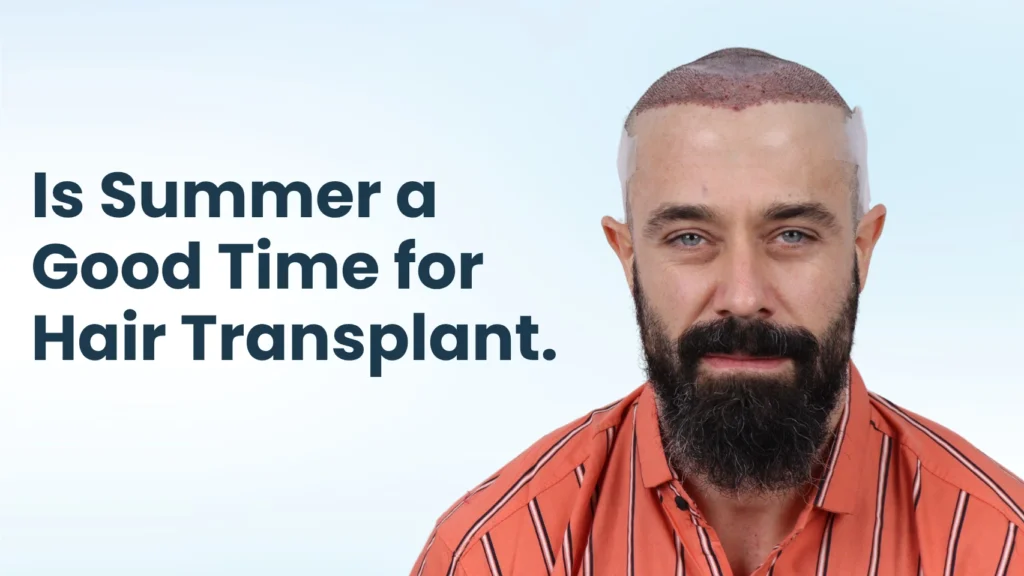
Best time for hair transplant in Pune showing a patient after hair transplant during summer recovery
Hair Transplant

Best Time for Hair Transplant in Pune: Is Summer a Good Choice?

Best Time for Hair Transplant in Pune: Is Summer a Good Choice? Table of Contents If you’re wondering about the best time for hair transplant in Pune, summer can be a safe and effective option when proper precautions are taken. Modern FUE hair transplant techniques can be performed successfully throughout the year, provided patients follow recommended aftercare, protect the scalp from excessive sun exposure, maintain good hygiene, and avoid excessive sweating during recovery. Ultimately, the best time for hair transplant in Pune depends more on proper post-operative care and expert guidance than on the season itself.  Introduction Hair loss can affect confidence and self-image, leading many people to consider a hair transplant as a long-term solution. One of the most common questions patients ask is:  “What is the best time for hair transplant in Pune?”  Many people are concerned that summer heat, sweating, and sun exposure might negatively affect the procedure or recovery process. The good news is that modern hair transplant techniques, especially FUE (Follicular Unit Extraction), can be safely performed throughout the year. With proper aftercare and guidance from an experienced surgeon, patients can achieve excellent results regardless of the season. This guide is written by Dr. Kiran Chotaliya, an M.D. Dermatologist, Hair Transplant Surgeon, and Trichologist with extensive experience in hair restoration treatments. Through this blog, he aims to help patients understand whether summer is a suitable time for a hair transplant and how proper aftercare can contribute to successful, natural-looking results. Is Summer the Best Time for Hair Transplant in Pune? Summer is often considered a convenient time for a hair transplant because many people have more flexibility in their schedules due to vacations or planned time off from work. The procedure itself is not affected by seasonal changes, and transplanted hair follicles can heal successfully when patients follow post-operative instructions carefully. Rather than focusing only on the weather, it is more important to choose a time when you can dedicate a few days to rest and recovery. Does Hot Weather Affect Hair Transplant Results? Heat alone does not damage newly transplanted hair grafts. However, excessive sweating, direct sunlight, and poor scalp hygiene may cause discomfort during the initial healing period. To support proper recovery, doctors generally recommend: Avoiding direct sunlight for the first few weeks Wearing a loose-fitting cap when outdoors Keeping the scalp clean and following washing instructions Avoiding swimming pools during early recovery Limiting intense workouts and activities that cause excessive sweating Following these Hair transplant precautions helps protect the scalp and promotes healthy healing. Important Factors to Consider Before a Summer Hair Transplant Understanding the right hair transplant precautions in summer can help protect newly transplanted grafts, support smooth healing, and improve overall recovery outcomes. Sun Exposure The scalp is more sensitive after a hair transplant. Prolonged exposure to direct sunlight may irritate the healing skin and increase discomfort. Patients should take precautions when spending time outdoors. Sweating and Heat Excessive sweating can make the scalp feel uncomfortable during the first few days after surgery. Avoiding strenuous physical activities helps reduce irritation and supports recovery. Scalp Hygiene Maintaining good scalp hygiene is essential after a hair transplant. Patients should follow the surgeon’s instructions regarding washing and scalp care to minimize the risk of infection. Hydration and Nutrition Proper hydration and a balanced diet can contribute to the healing process. Nutrients such as protein, vitamins, and minerals support healthy hair growth and recovery. Following Aftercare Instructions Every patient heals differently. Taking prescribed medications, attending follow-up appointments, and carefully following post-operative guidelines are important for achieving optimal results. Talk To Our Hair Expert Benefits of Getting a Hair Transplant During Summer The Benefits of Hair Transplant in Summer are explained below, highlighting how modern techniques and proper aftercare can support a smooth recovery and successful results. 1. Convenient Recovery Period Many people find it easier to schedule a hair transplant during summer holidays or vacation periods, allowing them to recover comfortably without disrupting their routine. 2. Better Time for Rest Summer often provides opportunities to spend more time indoors, making it easier to protect the scalp during the initial healing phase. 3. Easy Scalp Care Routine Regular bathing and maintaining cleanliness can be easier during warmer months, helping patients follow proper scalp hygiene practices. 4. Advanced FUE Technology Modern FUE hair transplant techniques involve minimal scarring and relatively quick recovery, making them suitable regardless of the season. Is Pune’s Climate Suitable for Hair Transplant Recovery? Pune generally has a manageable climate compared to highly humid regions. While temperatures can rise during summer, patients can recover comfortably by staying indoors, avoiding excessive heat exposure, and following recommended aftercare instructions. The success of a hair transplant depends far more on surgical expertise and post-treatment care than on seasonal weather conditions. Choosing the Right Hair Transplant Surgeon When considering the best time for hair transplant in Pune, selecting an experienced surgeon is just as important as choosing the right season. A qualified hair transplant surgeon in Pune can assess your hair loss pattern, recommend the most suitable technique, and provide detailed recovery guidance to help achieve natural-looking, long-lasting results. Final Thoughts If you are wondering about the best time for hair transplant in Pune, summer can be a suitable option when proper precautions are taken. Modern FUE techniques, good scalp hygiene, and careful post-operative care allow patients to undergo hair transplant surgery safely throughout the year. Ultimately, the best time for a hair transplant is when you can commit to the recovery process and follow your surgeon’s recommendations. With expert guidance from Dr. Kiran Chotaliya, one of Pune’s leading hair transplant surgeons, and proper aftercare, successful hair transplant results can be achieved in any season. FAQ’s 1. What is the best time for hair transplant in Pune? Hair transplants can be performed throughout the year. The best time is when you can follow the recommended recovery and aftercare instructions properly. 2. Can I get a hair transplant during summer in Pune? Yes. Summer is a suitable

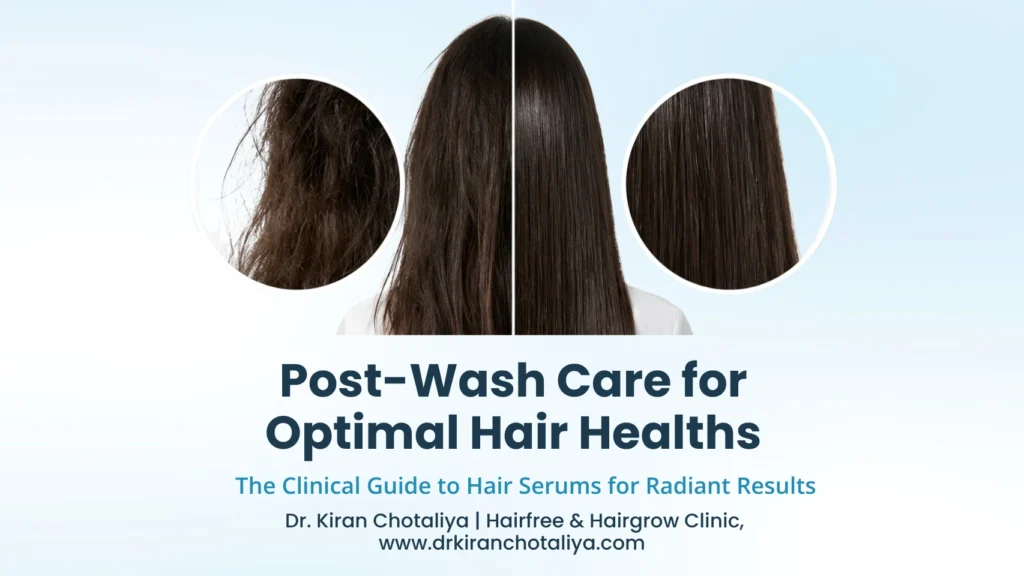
Hair serum benefits for smooth and shiny hair in Pune showing post-wash hair care routine for men and women
Uncategorized

Hair Serum Benefits: Types, Uses & Application Tips for Healthy Hair

Hair Serum Benefits: Types, Uses & Application Tips for Healthy Hair Table of Contents Hair serum benefits include reducing frizziness, improving smoothness, and making hair more manageable and shiny. They help control flyaways and protect hair from humidity and environmental damage. Unlike hair oils that nourish the scalp, hair serums work on the hair surface to give an instant smooth and polished look. But many people still wonder: “what is hair serum and how to use it correctly for best results?” At Hairfree and Hairgrow Clinic, Dr. Kiran Chotaliya, recognized as one of the best hair transplant surgeons in Pune, emphasizes the importance of proper post-wash hair care. Whether you have curly, straight, or chemically treated hair, using the right hair serum can significantly improve your hair’s appearance and manageability. What is a Hair Serum? A hair serum is a lightweight liquid treatment that forms a protective layer over the hair shaft. Unlike oils that nourish the hair internally, hair serums work externally to reduce frizz, add shine, protect against humidity, and minimize damage caused by heat styling and pollution. Key Hair Serum Benefits Using a quality hair serum as part of your hair care routine offers several hair serum benefits, including improved smoothness, reduced frizz, enhanced shine, and better protection against humidity and environmental damage. Controls Frizz and Flyaways Adds Instant Shine Protects Hair from Heat Damage Prevents Tangling and Breakage Improves Hair Manageability Protects Against Humidity and Pollution How to Choose the Best Hair Serum for Men and Women? Both men and women can benefit from hair serums, but choosing the right one depends on your hair type and concern. Use a lightweight serum for oily hair, a moisturizing serum for dry or frizzy hair, and a keratin or nourishing serum for damaged or chemically treated hair. Best Hair Serum for Men: Hair serums for men are often lightweight and designed to control frizz, manage coarse hair textures, and provide a natural, non-greasy finish. Best Hair Serum for Women:Hair serums for women typically focus on hydration, shine enhancement, split-end protection, and easier styling for medium to long hair. Talk To Our Hair Expert Choosing the Right Hair Serum for Your Hair Type To get the best results, you must choose a formula tailored to your specific needs: Hair Concern Recommended Serum Type Dry & Frizzy Hair Serums enriched with cream-based formulas or light oils like Argan. Split Ends Keratin-based serums that help strengthen the hair tip. Dull Hair Silicone-based serums for maximum light reflection and shine. Chemically Treated Lightweight, nutrient-rich serums with UV protection. How to Use Hair Serum Correctly? The correct use of hair serum can help control frizz, add shine, and protect your hair from heat and environmental damage without making it greasy. Apply to clean, towel-dried hair. Use only 1–2 drops initially. Rub the serum between your palms. Apply from mid-lengths to the ends. Avoid direct application on the scalp. Comb through for even distribution. Conclusion Hair serum is an excellent addition to any hair care routine, offering multiple hair serum benefits such as controlling frizz, adding shine, reducing tangles, and protecting hair from heat and environmental damage. By choosing the right serum for your hair type and applying it correctly, you can achieve smoother, healthier-looking, and more manageable hair. If you’re unsure which hair serum is best for your needs, consult Dr. Kiran Chotaliya at Hairfree and Hairgrow Clinic for personalized hair care guidance and expert recommendations. FAQ’s 1. Which is the best natural hair serum? Natural hair serums containing argan oil, jojoba oil, coconut oil, or aloe vera are popular choices for reducing frizz, improving shine, and protecting hair from damage. 2. What is the use of hair serum? Hair serum is used to control frizz, add shine, reduce tangles, protect hair from heat damage, and improve overall hair manageability. 3. Is hair serum good for frizzy hair? Yes, anti-frizz hair serums help smooth the hair cuticle, reducing frizz and making hair easier to manage. 4. Can hair serum repair damaged hair? Hair serums cannot permanently repair damaged hair, but they can improve its appearance, reduce breakage, and protect it from further damage. 5. Is hair serum good for daily use? Yes, hair serum can be used daily in small amounts to control frizz, add shine, and protect hair from environmental damage. However, excessive use may lead to product buildup, so it’s best applied as needed, especially after washing your hair. 6. Can I apply hair serum on dry hair? Yes, you can apply a small amount of hair serum to dry hair to tame frizz, control flyaways, and add shine. Be careful not to use too much, as it may make your hair look greasy. 7. Is hair oil or serum better? Hair oil and hair serum serve different purposes. Hair oil nourishes and moisturizes the hair from within, while hair serum coats the hair surface to reduce frizz, add shine, and protect against heat and environmental damage. 8. What are the disadvantages of hair serum? Overusing hair serum can make hair look oily, cause product buildup, and weigh down fine hair. Applying it directly to the scalp may also lead to greasiness. 9. How do I apply hair serum correctly? Apply 1–2 drops of hair serum to clean, towel-dried hair. Rub it between your palms and distribute it evenly through the mid-lengths and ends, avoiding the scalp. Comb through for even coverage. Natural hair serums containing argan oil, jojoba oil, coconut oil, or aloe vera are popular choices for reducing frizz, improving shine, and protecting hair from damage. Hair serum is used to control frizz, add shine, reduce tangles, protect hair from heat damage, and improve overall hair manageability. Yes, anti-frizz hair serums help smooth the hair cuticle, reducing frizz and making hair easier to manage. Hair serums cannot permanently repair damaged hair, but they can improve its appearance, reduce breakage, and protect it from further damage. Yes, hair serum can be used daily in small amounts to control frizz,

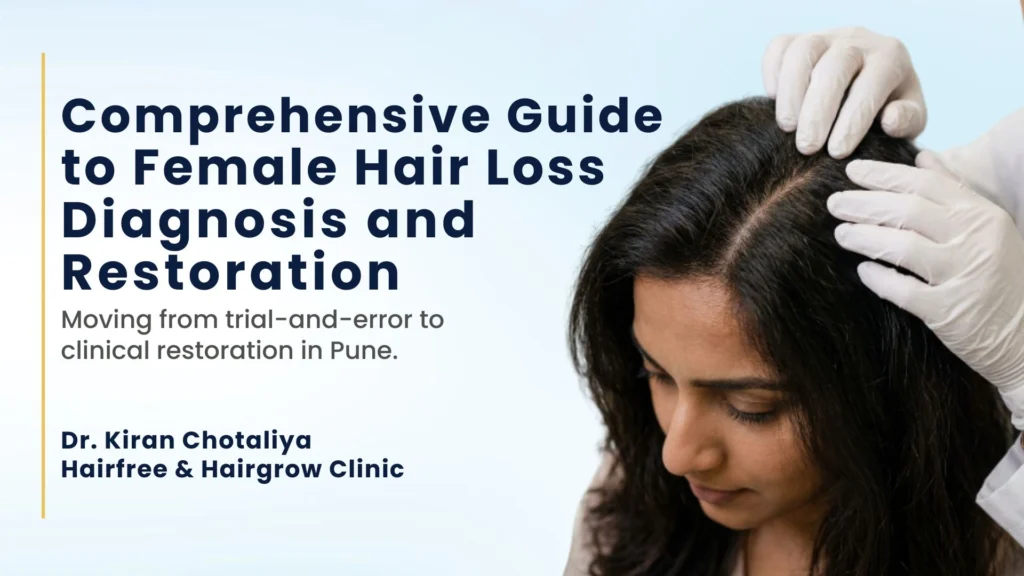
Women Hair Loss Treatment in Pune with scalp examination and hair loss diagnosis by Dr. Kiran Chotaliya
Hair Loss

Comprehensive Guide to Diagnosis and Women Hair Loss Treatment in Pune

Comprehensive Guide to Diagnosis and Women Hair Loss Treatment in Pune Table of Contents Experiencing hair thinning or shedding can be an emotionally taxing experience. However, unlike male pattern baldness, female hair loss is often highly treatable once the root cause is accurately identified.  If you are exploring options for women hair loss treatment in Pune, the first and most critical step is moving away from trial-and-error home remedies and seeking a proper clinical diagnosis. In this guide, Dr. Kiran Chotaliya hair specialist Hairfree and Hairgrow clinic breaks down how female hair loss is diagnosed, common causes, and the advanced treatments available to restore your hair’s volume and your confidence. Understanding Female Hair Loss: The Mirror Test Women often notice hair loss significantly earlier than it becomes visible to others. Because female hair loss typically presents as diffuse thinning rather than a receding hairline, you can perform a few simple self-checks at home: Decreased Ponytail Volume:  If your regular hair tie suddenly feels loose, you are likely experiencing an overall reduction in hair density. Widening Part Line:  A central part line that becomes increasingly visible or wider—sometimes following a “Christmas tree” pattern—is a hallmark sign of Female Pattern Hair Loss (FPHL). Transparent Scalp:  If your scalp is clearly visible under overhead lighting, you may be progressing through the stages of the Ludwig Scale, which clinicians use to measure female hair loss. The Ludwig Scale and Female Hair Loss Patterns To accurately diagnose and treat female pattern hair loss, specialists utilize the Ludwig Scale, which classifies the progression into three clinical stages. Ludwig Grade I (Mild): Subtle thinning at the mid-scalp. Patients typically notice a widening central part, while the frontal hairline remains preserved. The primary goal at this stage is stabilization using medical therapy. Ludwig Grade II (Moderate): Significant density reduction is evident. The scalp becomes clearly visible under overhead lighting. The treatment goal focuses on the restoration of mid-scalp volume. Ludwig Grade III (Advanced): This stage features transparent scalp coverage. There is near-complete hair loss at the crown, paired with a very thin hairline. Strategic surgical redistribution is typically required for treatment. Diagnosing the Root Cause Effective women hair loss treatment in Pune relies on a rigorous diagnostic workup to rule out systemic or reversible causes before any advanced procedures are considered. Women are disproportionately affected by nutritional and hormonal imbalances that can trigger or worsen shedding. To accurately identify the causes of female hair loss, your specialist will likely recommend a comprehensive blood panel, which should include: Iron Studies (Ferritin): Iron deficiency is the most common nutritional cause of hair loss in women. While standard labs have broad “normal” ranges, optimal hair growth requires ferritin levels above 70 ng/mL. Thyroid Function (TSH): Both an underactive and overactive thyroid can trigger diffuse, brittle hair shedding. Hormonal Panel: Evaluating hormones like free testosterone and DHEA-S helps identify conditions like Polycystic Ovary Syndrome (PCOS), a common driver of hair thinning. Vitamin D and B12: Essential for hair cycle regulation; deficiencies frequently lead to active shedding. Talk To Our Hair Expert Top Options for Women Hair Loss Treatment in Pune Once the cause is diagnosed, a customized treatment plan can be developed. Depending on the severity of the thinning, treatments range from medical management to advanced surgical restoration. 1. Medical and Non-Surgical Therapies For early-stage thinning (Ludwig Grade I) or temporary shedding (Telogen Effluvium), medical stabilization is the primary goal. Topical & Oral Medications: Treatments like Minoxidil or physician-guided antiandrogens can shorten the hair’s resting phase and slow down progressive thinning. Platelet-Rich Plasma (PRP): This therapy utilizes growth factors from your own blood to speed up the follicles’ re-entry into the growth phase and support tissue repair. 2. Female Hair Transplant in Pune For women facing permanent hair thinning, widening part lines, or traction alopecia, a Female Hair Transplant in Pune is a safe, effective, and permanent solution. How it Works: Healthy, DHT-resistant hair follicles are extracted from dense donor areas (usually the back of the head) and meticulously implanted into thinning areas to increase density and volume. Techniques (FUE vs. FUT): Specialists may use Follicular Unit Extraction (FUE), which involves minimal scarring and faster recovery, or Follicular Unit Transplantation (FUT), which is often preferred for women because it allows for a large number of grafts without requiring the donor area to be shaved. Natural Results: Top clinics, such as Dr. Kiran Chotaliya Clinic, focus on precise graft placement and natural hairline design to ensure the results look soft, well-balanced, and feminine. Conclusion Hair loss in women can occur due to multiple factors such as hormonal imbalances, nutritional deficiencies, stress, genetics, or underlying medical conditions. Proper diagnosis is essential for identifying the exact cause and selecting the most effective women hair loss treatment in Pune. From medical therapies and PRP to advanced female hair transplant in Pune, modern treatment options can effectively restore hair density, improve scalp health, and boost confidence. If you are noticing continuous thinning, widening of the part line, or excessive shedding, consulting an experienced hair specialist early can help prevent further progression. With personalized care and advanced techniques, hair loss treatment for women in Pune can provide safe, natural-looking, and long-lasting results. FAQ’s 1. What is the cost of a Female Hair Transplant in Pune? The cost varies depending on individual factors, such as the extent of hair loss, the number of grafts required for your desired density, and the technique used (like FUE or FUT). Pricing is highly customized based on your specific treatment plan. 2. Is a Female Hair Transplant permanent? Yes. The transplanted hair is genetically resistant to DHT (the hormone that causes hair miniaturization) and will continue to grow naturally for a lifetime. 3. Who is the best candidate for this treatment? Ideal candidates are women with permanent thinning, widening part lines, or receding hairlines (Ludwig Grade I–III) who possess a healthy and stable donor hair area at the back of the scalp. 4. How long does it take to see results? Hair

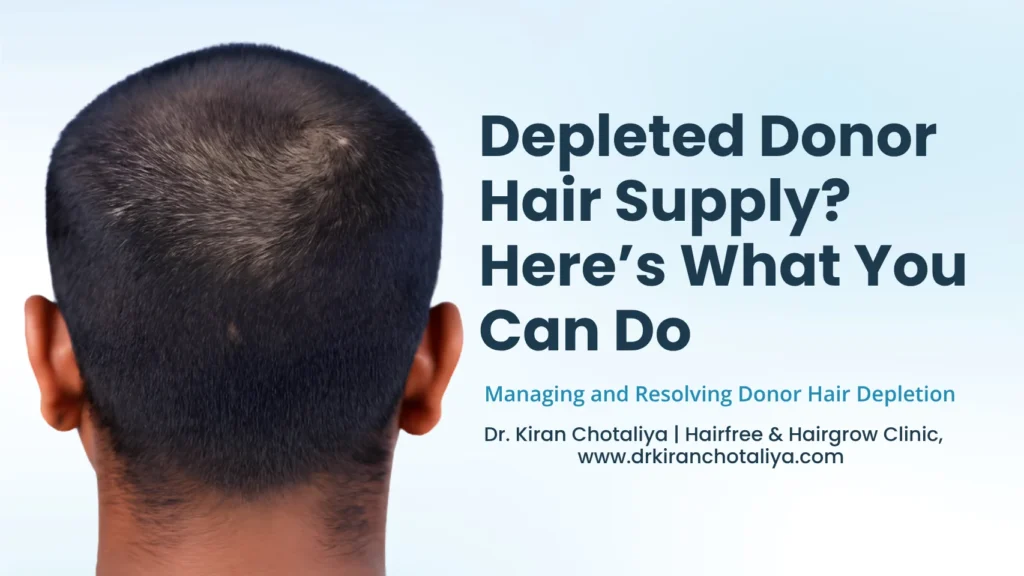
Donor Hair Restoration Treatment in Pune showing donor area assessment and advanced hair restoration solutions
Hair Transplant

What to Do About a Depleted Donor Hair Supply: Causes & Solutions

Donor Hair Restoration Treatment in Pune: Causes of Donor Hair Depletion & Solutions Donor hair restoration treatment in Pune helps individuals with depleted donor hair supply by maximizing available grafts to achieve better hair restoration results. Table of Contents Donor hair restoration treatment in Pune starts with understanding the importance of donor hair—the healthy, permanent hair located at the back and sides of the scalp that is typically resistant to balding. This donor area serves as the foundation for a successful hair transplant. However, what happens “when the available donor hair becomes limited?” A depleted donor hair supply occurs when there are not enough healthy follicles left to support additional hair restoration procedures. This can be a significant challenge for individuals looking to increase hair density, undergo corrective treatments, or address the results of previous transplants. At Hairfree & Hairgrow Clinic Dr. Kiran Chotaliya, offers Donor hair restoration treatment in Pune focuses on donor area management and advanced, personalized solutions to achieve natural-looking and long-lasting results. What Causes Donor Hair Depletion? Understanding why the donor area is thin is essential to preventing further damage. The most common causes include: Over-Harvesting: This is the leading cause. It occurs when too many grafts are taken from a concentrated area in a single session, leaving the scalp looking patchy or see-through. Poor Surgical Technique: Inexperienced handling can damage hair follicles during extraction. If the “transection rate” is high, follicles are wasted, depleting the donor zone without providing the desired coverage. Multiple Previous Surgeries: Every transplant session uses a portion of your lifetime donor supply. After 3 or 4 traditional sessions, the density naturally decreases. Natural Low Density: Some individuals are born with naturally thin donor hair, meaning they have a smaller “budget” for hair restoration from the start. Signs Your Donor Area is Depleted Visible Thinning: The back of your head looks sparse, especially under bright light. Noticeable Scarring: Significant “moth-eaten” tiny white scars (from FUE) or a wide linear scar (from FUT). Reduced Scalp Elasticity: The skin feels tight, making further extractions difficult. Advanced Solutions for Limited Donor Hair If you have been told you have a depleted donor area, do not lose hope. Advanced donor area thinning treatment options can help improve the appearance of the donor area and support successful hair restoration. Modern restorative medicine offers several “Plan B” options: 1. Body Hair Transplant (BHT) When the scalp cannot provide enough grafts, we look to other parts of the body. Beard hair is the most popular choice because it is thick, robust, and has a high survival rate. Chest or back hair can also be used to add “filler” density between existing hairs. 2. Scalp Micropigmentation (SMP) SMP is a medical-grade “tattoo” technique that places tiny pigment dots on the scalp to mimic the look of hair follicles. For a depleted donor area, SMP can camouflage scars and create the illusion of a much thicker hair density without needing a single extra graft. 3. Platelet-Rich Plasma (PRP) Therapy PRP involves using your own blood platelets to stimulate the scalp. While it doesn’t “grow back” a depleted donor area, it can strengthen the remaining hair and improve the overall health of the scalp, making it a vital supportive treatment. 4. Strategic Graft Placement Sometimes, the solution isn’t more hair, but better placement. By prioritizing the frontal hairline and using available grafts where they have the most visual impact, we can create a natural look even with a limited supply. The Importance of a Professional Evaluation The key to avoiding or managing donor depletion is a structured, evidence-based approach. Before any procedure, a thorough evaluation of your hair density, scalp laxity, and long-term hair loss progression is mandatory. At Hairfree & Hairgrow Clinic, we prioritize the “Donor Management” philosophy—ensuring that your donor area stays healthy for a lifetime, not just for one surgery. Are you concerned about your donor hair density?  Consult with us for a professional, medical-grade assessment of your hair restoration options. Talk To Our Hair Expert Conclusion A depleted donor hair supply can make hair restoration more challenging, but it does not mean your journey ends there. With advanced techniques like Body Hair Transplant (BHT), Scalp Micropigmentation (SMP), PRP therapy, and strategic graft planning, many patients can still achieve natural and satisfying results. Proper donor management, realistic expectations, and choosing an experienced hair transplant surgeon are the keys to long-term success. At  Hairfree and Hairgrow clinic is a Hair Transplant Clinic in Pune, every case is carefully evaluated to create a personalized treatment plan that protects your remaining donor area while maximizing visible coverage and density. FAQ’s of Depleted donor hair supply solution in Pune 1. Can a depleted donor area be fully restored? No, hair follicles removed from the donor area do not grow back. However, the appearance can be improved through SMP or by thickening remaining hair with PRP. 2. Is body hair as good as scalp hair for transplants? Beard hair is the most effective scalp hair substitute due to its thickness. Other body hair (chest/back) is typically used for filling density rather than defining a hairline. 3. How many grafts can safely be taken from the donor area? On average, a healthy scalp has about 6,000 to 8,000 donor grafts available over a lifetime. Exceeding this limit leads to visible thinning. 4. Does PRP help with donor area depletion? Donor Hair Restoration Treatment in Pune may include PRP therapy as a supportive procedure. While PRP cannot create new hair follicles, it can strengthen existing ones and improve scalp health, helping the remaining hair appear fuller and healthier. 5. What is “over-harvesting”? Over-harvesting is the extraction of too many follicles in one area, creating a “moth-eaten” or patchy look at the back of the head. No, hair follicles removed from the donor area do not grow back. However, the appearance can be improved through SMP or by thickening remaining hair with PRP. Beard hair is the most effective scalp hair substitute due to its thickness.

Hair Transplant in Pune

Dr. Kiran Chotaliya is a leading hair transplant surgeon in Pune, specializing in advanced techniques like FUE and FUT for natural, lasting results. His expertise and patient-centered care ensure successful hair restoration with exceptional outcomes.

Follow Us

GET IN TOUCH

© 2026 Developed & Handle By Dr. Kiran Chotaliya Clinic Team

Location

© 2026 Developed & Handle By Dr. Kiran Chotaliya Clinic Team

Scroll to Top