Author name: Dr Kiran Chotaliya

Hair specialist in Pune consulting a patient for hair loss diagnosis and personalized hair restoration treatment.
Hair Transplant

How to Choose the Right Hair Specialist in Pune

How to Choose the Right Hair Specialist in Pune Table of Contents Quick Summary Choosing the right hair specialist in Pune is essential for accurate diagnosis, effective treatment, and long-term hair restoration. This guide explains the key factors to consider, including qualifications, experience, treatment options, patient reviews, and clinic standards, helping you make an informed decision for healthy, natural-looking hair growth. Introduction Hair loss has become a common concern among both men and women due to stress, pollution, hormonal imbalance, poor lifestyle habits, and genetic factors. Many people try home remedies and over-the-counter products, but without proper diagnosis, hair problems often continue to worsen. Choosing the right hair specialist can make a huge difference in getting accurate treatment and long-term results. If you are searching for the best hair doctor in Pune, it is important to understand what factors you should consider before starting any treatment. Pune has many clinics offering hair treatments, but selecting an experienced and qualified expert ensures safer procedures and better outcomes. Understand Your Hair Concern First Before choosing a doctor, identify your hair problem clearly. Different hair conditions require different treatments. Common concerns include: Hair fall Male or female pattern baldness Alopecia Dandruff and scalp infections Thinning hair Receding hairline Hair damage due to chemical treatments An experienced hair specialist in Pune will first diagnose the root cause of the problem before recommending treatment options. Check the Doctor’s Qualification and Experience One of the most important factors is the qualification and expertise of the doctor. Hair restoration and scalp treatments require medical knowledge and clinical experience. Always choose a specialist who has experience in treating different types of hair loss conditions. You should also check: Years of experience Specialized training in hair restoration Expertise in advanced hair transplant techniques Patient reviews and testimonials Before-and-after treatment results A trusted best hair doctor in Pune will explain the treatment process honestly, evaluate your scalp condition, and recommend the most suitable solution for your hair goals. Whether you need advanced hair restoration or hair fall treatment in Pune, choosing an experienced specialist ensures safe, effective, and personalized care for long-lasting results. Look for Advanced Hair Treatment in Pune Modern hair clinics now offer advanced technologies that provide more effective and minimally invasive results. When selecting a clinic, check whether they provide updated treatment methods. Some popular treatments include: PRP Hair Treatment Hair Transplant Surgery GFC Therapy Mesotherapy Laser Hair Therapy Scalp Treatments The best hair doctor in Pune will customize the treatment plan based on your hair density, age, medical history, and severity of hair loss. Hygiene and Clinic Infrastructure Matter Hair treatments and hair transplant procedures require proper hygiene standards. Always visit the clinic before finalizing your treatment. A good clinic should maintain: Clean treatment rooms Sterile surgical equipment Advanced technology Trained medical staff Comfortable consultation environment A professional clinic setup reflects the quality and safety standards followed by the doctor. Talk To Our Hair Expert Read Patient Reviews and Testimonials Online reviews can help you understand the experience of previous patients. Search for genuine testimonials on: Google reviews Clinic website Social media platforms Positive feedback about treatment results, doctor behavior, and clinic support can help you make a better decision. However, avoid choosing a clinic based only on advertisements or unrealistic promises. Ask About Treatment Cost Transparently Hair treatments can vary depending on the type of procedure, sessions required, and severity of hair loss. A reliable hair specialist in Pune will always provide transparent pricing and explain all costs clearly before beginning the treatment. Be cautious of clinics offering extremely low-cost hair transplants or unrealistic guarantees. Quality treatment requires experienced professionals and proper medical care. Importance of Personalized Consultation Every individual has a different scalp condition and hair growth pattern. A good specialist will conduct a detailed consultation before recommending treatment. During consultation, the doctor should: Analyze your scalp Understand your medical history Discuss lifestyle habits Explain possible causes of hair fall Suggest realistic treatment expectations Avoid clinics that directly push surgery without proper examination. Hair Transplant Expertise is Important If you are considering hair transplant surgery, selecting an experienced surgeon becomes even more important. Techniques like FUE and FUT require precision and skill for natural-looking results. Ask the clinic about: Number of hair transplant procedures performed Success rate Recovery time Post-treatment support Natural hairline design approach Choosing a skilled hair specialist in Pune helps reduce complications and improves long-term hair growth results. Availability of Post-Treatment Care Hair treatments often require follow-up sessions and proper aftercare for the best results. A reputable clinic offering hair loss treatment in Pune provides continuous support even after the procedure. Regular monitoring helps track hair growth progress, manage recovery effectively, and ensure your treatment plan is adjusted to achieve long-lasting, natural-looking results. Post-treatment care may include: Scalp care guidance Medications PRP maintenance sessions Diet and lifestyle recommendations Long-term support improves treatment success and patient satisfaction. Why Pune is Becoming a Hub for Hair Treatments Pune has become one of the preferred cities for advanced hair restoration treatments due to: Availability of experienced specialists Modern clinics Affordable treatment costs Advanced technology Growing awareness about aesthetic treatments Many patients from nearby cities also visit Pune for professional hair treatments and hair transplant procedures. Final Thoughts Choosing the right hair specialist is an important step toward restoring healthy hair and confidence. Instead of selecting a clinic based only on pricing or advertisements, focus on doctor expertise, clinic hygiene, advanced technology, and patient care. The right hair specialist in Pune will guide you with accurate diagnosis, personalized treatment plans, and realistic expectations for long-term hair health. Early consultation and professional treatment can help control hair loss effectively and improve overall hair growth results. FAQ’s 1. When should I visit a hair specialist? You should consult a hair specialist if you experience excessive hair fall, thinning hair, bald patches, or scalp infections. 2. Which treatment is best for hair loss? The best treatment depends on the cause of hair loss. PRP therapy, medications, and
Best DHI hair transplant surgeon in Pune performing advanced Direct Hair Implantation for natural-looking hair restoration.
Hair Transplant

How to Choose the Best DHI Hair Transplant Surgeon in Pune

How to Choose the Best DHI Hair Transplant Surgeon in Pune Table of Contents Quick Summary Learn how to choose the best DHI hair transplant surgeon in Pune by evaluating qualifications, experience, clinic standards, patient results, and treatment costs to achieve safe, natural-looking, and long-lasting hair restoration. Introduction Hair loss can affect confidence, appearance, and self-esteem. Fortunately, modern hair restoration techniques like Direct Hair Implantation (DHI) offer a minimally invasive solution that delivers natural-looking, long-lasting results. However, the success of your procedure depends less on the technology itself and more on the experience and expertise of the surgeon performing it. If you’re searching for the best DHI hair transplant surgeon in Pune, this guide will help you understand what to look for before making your decision. From qualifications and experience to clinic standards and patient outcomes, every factor plays a vital role in achieving the best possible results. What Is DHI Hair Transplant? DHI (Direct Hair Implantation) is an advanced hair transplant technique where individual hair follicles are extracted from the donor area and implanted directly into thinning or bald areas using a specialized implantation pen. This allows the surgeon to precisely control the angle, depth, and direction of every graft, creating a more natural hairline and improved density. Unlike conventional techniques, DHI eliminates the need to create recipient incisions before implantation, reducing trauma to the scalp and supporting a smoother recovery. Why Choosing the Right Hair Transplant Surgeon Matters Many patients focus only on the clinic or the price. However, the surgeon’s expertise has the greatest influence on your final results. An experienced hair transplant surgeon in Pune can: Design a natural-looking hairline Preserve existing healthy hair Maximize graft survival Minimize scarring Reduce the risk of complications Deliver long-term aesthetic results A successful DHI procedure combines medical knowledge, artistic planning, and surgical precision. Talk To Our Hair Expert How to Choose the Best DHI Hair Transplant Surgeon in Pune 1. Verify Medical Qualifications Choose a qualified medical professional with specialized training in hair restoration. Dermatologists and cosmetic surgeons with extensive hair transplant experience generally possess a deeper understanding of scalp health, hair growth patterns, and patient suitability. Ask about: Medical qualifications Hair transplant certifications Specialized DHI training Years of experience Number of DHI procedures performed 2. Evaluate Practical Experience Experience matters more than simply offering DHI technology. Look for a DHI Hair Transplant Specialist in Pune who has successfully treated patients with: Male pattern baldness Female hair loss Receding hairline Crown baldness Beard and eyebrow restoration Hairline reconstruction A surgeon with diverse case experience can recommend the most appropriate treatment plan for your hair loss stage. 3. Review Before-and-After Results High-quality before-and-after photographs provide insight into the surgeon’s consistency and aesthetic approach. Pay attention to: Natural hairline design Hair density Crown coverage Symmetry Different stages of hair loss Long-term results after 9–12 months Consistent outcomes across multiple patients demonstrate expertise. 4. Choose a Well-Equipped DHI Hair Transplant Clinic in Pune Selecting the Best DHI Hair Transplant Clinic in Pune is equally important. Look for clinics that offer: Modern surgical facilities Advanced DHI implantation devices Sterile operating rooms High safety standards Experienced surgical assistants Comprehensive post-operative care A well-equipped clinic contributes to better graft survival and patient comfort. 5. Understand the Consultation Process A genuine specialist performs a detailed consultation before recommending surgery. The consultation should include: Hair loss assessment Donor area evaluation Scalp examination Medical history review Hair density analysis Expected results discussion Personalized treatment planning Avoid clinics that recommend surgery without thoroughly evaluating your condition. 6. Compare DHI Hair Transplant Cost in Pune While cost is important, it should never be the deciding factor. The DHI Hair Transplant Cost in Pune varies depending on: Number of grafts required Hair loss severity Surgeon’s experience Clinic infrastructure Technology used Complexity of the procedure Choosing a low-cost provider without considering quality may compromise your results. Instead, focus on long-term value, safety, and expertise. 7. Read Genuine Patient Reviews Patient reviews often reveal valuable insights into: Consultation experience Professionalism Staff support Surgery experience Recovery process Final results Look for consistent positive feedback rather than relying on a single testimonial. 8. Ask About Post-Procedure Care Successful hair transplantation doesn’t end after surgery. The clinic should provide: Recovery instructions Washing guidance Medication support Follow-up appointments Hair growth monitoring PRP or supportive treatments if required Proper aftercare significantly contributes to successful graft growth. Questions You Should Ask Before Choosing a Surgeon Before undergoing treatment, consider asking: How many DHI procedures have you performed? Will the surgeon perform the entire implantation? Am I a suitable candidate for DHI? How many grafts will I need? What results can I realistically expect? What are the possible risks? What does recovery involve? Can I see previous patient results? These questions help you make an informed decision. Red Flags to Avoid Be cautious if you notice: Unrealistic promises of instant results Extremely low treatment prices No consultation before surgery Lack of before-and-after photos Unqualified staff performing critical steps Poor clinic hygiene Pressure to book immediately Choosing quality over aggressive marketing can help prevent disappointing outcomes. Why Expertise Is More Important Than Technology DHI tools improve precision, but they cannot replace surgical expertise. The best outcomes depend on the surgeon’s ability to: Design an age-appropriate hairline Select healthy grafts Maintain graft viability Implant follicles at the correct angle Achieve natural density Preserve donor hair for future needs Technology supports the procedure, while the surgeon determines the final appearance. Final Thoughts Finding the Best DHI Hair Transplant Surgeon in Pune requires careful research rather than choosing the first clinic you find online. Evaluate qualifications, practical experience, clinic standards, patient outcomes, consultation quality, and aftercare support before making your decision. A skilled DHI hair transplant specialist in Pune will create a personalized treatment plan based on your hair loss pattern and long-term goals. By choosing an experienced Hair Transplant Surgeon in Pune, you improve your chances of achieving natural-looking, permanent hair restoration with a safe and comfortable treatment experience. FAQ’s 1. Who

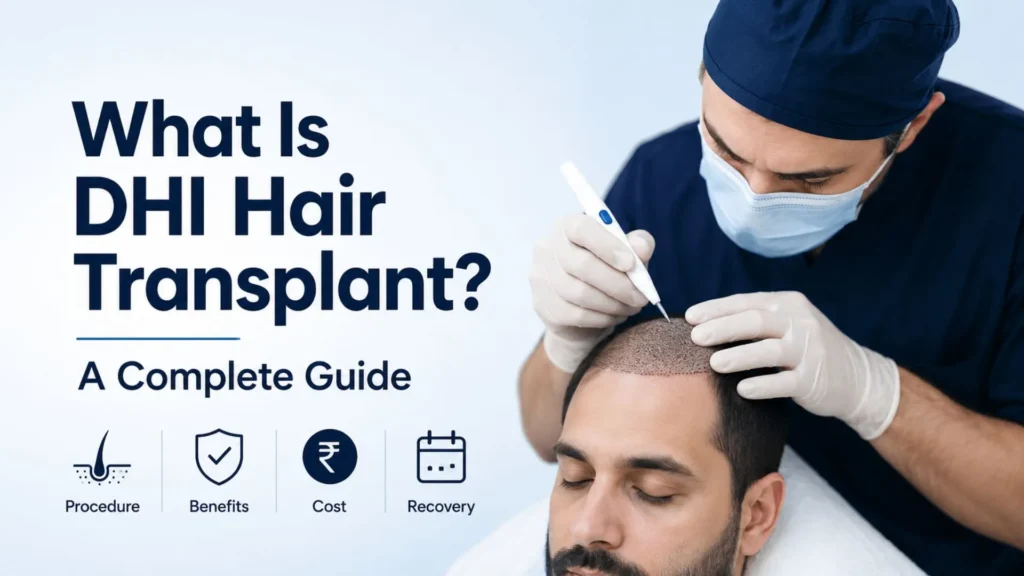
DHI Hair Transplant in Pune performed by an experienced hair transplant specialist for natural-looking hair restoration.
Hair Transplant

What Is DHI Hair Transplant in Pune? A Complete Guide

What Is DHI Hair Transplant in Pune? A Complete Guide Table of Contents Quick Summary DHI Hair Transplant in Pune is an advanced hair restoration procedure that implants individual hair follicles directly into the scalp using a specialized implantation pen. This technique offers precise graft placement, natural-looking hairlines, minimal scarring, and faster recovery compared to traditional methods. In this guide, you’ll learn how DHI works, its benefits, cost, recovery timeline, and how it compares with FUE to help you make an informed treatment decision. Introduction Hair loss affects millions of people and can have a significant impact on confidence and self-image. While medications and non-surgical treatments can help slow hair loss, they may not restore lost hair permanently. For individuals looking for a natural-looking, long-lasting solution, DHI Hair Transplant in Pune has become one of the most advanced hair restoration techniques available. Unlike conventional hair transplant methods, Direct Hair Implantation (DHI) focuses on precise implantation of individual hair follicles using specialized instruments. This approach allows experienced surgeons to create a natural hairline with improved density while minimizing trauma to the scalp. In this complete guide, you’ll learn what DHI hair transplant is, how it works, its benefits, recovery process, cost, and how it compares with FUE hair transplant. What Is DHI Hair Transplant in Pune? DHI (Direct Hair Implantation) is an advanced hair transplant technique where healthy hair follicles are extracted from the donor area—typically the back or sides of the scalp—and implanted directly into areas affected by hair loss using a specialized implantation pen. Unlike traditional techniques that require creating recipient incisions before implantation, DHI allows the surgeon to control the angle, direction, and depth of each graft during implantation. This precision helps achieve a more natural hairline and even hair distribution. Many patients choose DHI Hair Transplant in Pune because it offers natural-looking results with minimal scarring and a comfortable recovery when performed by an experienced hair transplant surgeon. How Does DHI Hair Transplant Work? The DHI procedure generally follows these steps: Initial Consultation The surgeon evaluates your scalp, hair loss pattern, donor hair quality, medical history, and expectations to determine whether DHI is the most suitable treatment. Donor Hair Extraction Healthy follicular units are carefully extracted using micro-punch instruments under local anesthesia. Direct Hair Implantation Each follicle is implanted individually using a specialized DHI implantation pen. This enables precise placement without creating recipient channels beforehand. Post-Procedure Care Patients receive detailed aftercare instructions, medications, and follow-up appointments to support healthy healing and optimal graft survival. The entire procedure usually takes several hours depending on the number of grafts required. Talk To Our Hair Expert Benefits of DHI Hair Transplant DHI offers several advantages for suitable candidates: Precise implantation of individual hair follicles Natural-looking hairline design Minimal scarring Better control over hair angle and direction Reduced handling of grafts Faster recovery compared to many conventional techniques Suitable for treating smaller or cosmetically important areas such as the hairline, beard, eyebrows, and crown Results depend on factors such as the surgeon’s expertise, donor hair quality, and adherence to post-operative care. Who Is a Good Candidate for DHI Hair Transplant? You may be a suitable candidate if you: Have male or female pattern hair loss Possess adequate donor hair density Are in good general health Have realistic expectations Want natural-looking hair restoration A detailed consultation with a qualified hair transplant surgeon is essential to determine whether DHI is appropriate for your condition. DHI Hair Transplant Cost in Pune One of the most common questions patients ask is about the DHI Hair Transplant Cost in Pune. The cost varies depending on several factors, including: Number of grafts required Degree of hair loss Surgeon’s experience Technology and equipment used Clinic infrastructure Complexity of the procedure Rather than selecting a clinic based solely on price, patients should focus on the surgeon’s qualifications, experience, safety protocols, and consistently documented patient outcomes. DHI vs FUE Hair Transplant in Pune A common comparison patients make is DHI vs FUE Hair Transplant in Pune. DHI Hair Transplant FUE Hair Transplant Direct implantation using a specialized implantation pen Follicles implanted after recipient sites are created Greater control over angle and direction Excellent for larger coverage areas Ideal for precise hairline design Efficient for extensive baldness Often preferred for high-density implantation Widely performed and versatile Both techniques involve follicular unit extraction and can produce excellent outcomes when performed by an experienced surgeon. The best option depends on your hair loss pattern, donor availability, and treatment goals. Recovery After DHI Hair Transplant Recovery is generally straightforward. First Week Mild redness and swelling may occur. Tiny scabs form around implanted follicles. Follow your surgeon’s washing instructions carefully. Weeks 2–4 Temporary shedding of transplanted hairs (shock loss) is common and expected. Months 3–4 New hair growth begins gradually. Months 6–9 Noticeable improvements in hair density become visible. Months 12–15 Final results are typically achieved with fuller, natural-looking hair growth. Following your surgeon’s aftercare instructions plays an important role in achieving the best possible outcome. How to Choose the Best DHI Hair Transplant Surgeon in Pune Selecting the Best DHI Hair Transplant surgeon in Pune is one of the most important decisions you’ll make. Before choosing a clinic, consider: Relevant qualifications and training Experience performing DHI procedures Before-and-after patient results Transparent consultation process Personalized treatment planning Modern surgical facilities Sterile operating environment Genuine patient reviews Comprehensive follow-up care A reputable surgeon will explain the procedure honestly, discuss expected outcomes, and recommend treatment based on your individual needs rather than making unrealistic promises. Final Thoughts DHI hair transplant in Pune is an advanced hair restoration solution that offers precise follicle implantation, natural-looking hairlines, and long-term results for suitable candidates. However, successful outcomes depend not only on the technique but also on proper patient selection, careful surgical planning, and the expertise of the treating surgeon. If you are considering a hair transplant, schedule a detailed consultation with an experienced hair transplant specialist to understand your options and receive a personalized treatment plan. FAQ’s 1. What

PRP treatment for hair regrowth in Pune performed by a hair restoration specialist
Hair Loss

PRP Treatment for Hair Regrowth in Pune: How It Helps Restore Thinning Hair

PRP Treatment for Hair Regrowth in Pune: How It Helps Restore Thinning Hair Table of Contents Quick Summary PRP treatment for hair regrowth in Pune is a minimally invasive procedure that uses the growth factors from your own blood to stimulate weakened hair follicles. It is most effective for early-stage hair thinning, helping reduce hair fall, improve hair density, and support healthier hair growth. With minimal downtime and a personalized treatment plan, PRP has become a trusted option for both men and women seeking non-surgical hair restoration. Introduction Hair thinning affects both men and women and can result from genetics, hormonal changes, stress, nutritional deficiencies, or aging. If you’re looking for a safe, non-surgical solution, PRP hair treatment in Pune has become a popular option for stimulating natural hair growth using your body’s own healing properties. PRP (Platelet-Rich Plasma) therapy uses growth factors from your own blood to strengthen weakened hair follicles, reduce hair fall, and improve hair density with minimal downtime. In this guide, you’ll learn how PRP treatment works, its benefits, who can benefit from it, what results to expect, and answers to common questions about the procedure. Dr. Kiran Chotaliya, MD (Skin & VD), is a best hair transplant doctor in Pune who provides personalized PRP treatment for hair loss. Each treatment plan is tailored to the patient’s hair condition and scalp health, using evidence-based techniques to support natural hair regrowth. What Is PRP Treatment for Hair Regrowth? Platelet-Rich Plasma (PRP) treatment is a regenerative therapy that uses your own blood to encourage healthier hair follicles. Blood is drawn from your arm and processed in a centrifuge to separate platelet-rich plasma, which contains concentrated growth factors. The PRP is then injected into areas experiencing hair thinning. These natural growth factors help improve blood circulation around hair follicles, reduce inflammation, and stimulate dormant follicles to produce thicker, healthier hair. Because PRP uses your own blood, the treatment has a low risk of allergic reactions or rejection. How Does PRP Hair Treatment in Pune Work? The success of PRP treatment for hair regrowth in Pune lies in its ability to activate the body’s natural healing process. The treatment typically follows these steps: A small sample of blood is collected. The blood is processed to isolate platelet-rich plasma. The scalp is cleaned, and local anesthesia may be applied if needed. PRP is carefully injected into areas affected by thinning hair. Patients can usually return to normal activities shortly after the procedure. The entire session generally takes around 45 to 60 minutes. Talk To Our Hair Expert Benefits of PRP Treatment for Hair Regrowth Many patients choose hair regrowth treatment Pune because it offers several advantages over surgical options. Natural Hair Stimulation PRP encourages existing follicles to produce stronger, healthier hair instead of relying on artificial implants. Minimally Invasive The treatment requires no stitches, no major incisions, and minimal downtime. Reduced Hair Fall Many patients notice decreased hair shedding after a few treatment sessions. Improved Hair Thickness PRP can improve hair density and strengthen weak or miniaturized hair follicles. Safe Procedure Since PRP uses your own blood, it is generally considered a safe non-surgical hair loss treatment when performed by an experienced dermatologist. Who Is a Good Candidate for PRP Therapy? PRP therapy for hair loss in Pune is often recommended for people who have: Early-stage hair thinning Male pattern baldness Female pattern hair loss Stress-related hair shedding Hair thinning after pregnancy Weak hair following medical treatments Patients with completely inactive or scarred hair follicles may require alternative treatments such as hair transplantation. How Many PRP Sessions Are Needed? The number of sessions depends on the severity of hair loss and individual response. A common treatment plan includes: 3–4 sessions performed every 4–6 weeks initially Maintenance sessions every 6–12 months, depending on your dermatologist’s advice Visible improvements are often noticed within 3 to 6 months, although results vary from person to person. What Results Can You Expect? After completing the recommended sessions of PRP treatment for hair regrowth in Pune, many patients experience: Reduced daily hair fall Increased hair density Stronger hair shafts Improved scalp health Healthier-looking hair over time PRP works best when started during the early stages of hair thinning and combined with a personalized treatment plan. Tips to Maximize PRP Results To get the best outcome from Platelet Rich Plasma treatment in Pune, following the right aftercare instructions after PRP treatment can help support the healing process, protect the treated scalp, and maximize your hair growth results over the following months. Follow your dermatologist’s aftercare instructions. Eat a protein-rich, balanced diet. Manage stress through regular exercise or relaxation techniques. Avoid smoking, as it may affect healing. Continue prescribed medications if recommended. Attend maintenance sessions to support long-term results. Is PRP Better Than a Hair Transplant? PRP and hair transplantation serve different purposes. PRP is generally recommended for individuals with thinning hair who still have active hair follicles. Hair transplantation is more suitable for people with advanced baldness where follicles are no longer functioning. In many cases, PRP is also used after a hair transplant to support healing and improve graft survival. Conclusion If you’re experiencing early hair thinning, PRP hair treatment in Pune offers a scientifically supported, minimally invasive option to strengthen existing hair and improve overall scalp health. While results vary depending on the cause and stage of hair loss, early treatment and proper follow-up can significantly improve outcomes. Consulting an experienced dermatologist can help determine whether PRP is the right treatment for your specific hair restoration goals. FAQ’s 1. Is PRP treatment effective for hair regrowth? PRP has shown promising results in improving hair thickness and reducing hair fall, particularly in people with early-stage hair loss. 2. How long does PRP treatment take? A typical PRP session takes about 45–60 minutes, including blood collection, processing, and scalp injections. 3. When will I see results from PRP hair treatment? Many patients begin noticing reduced hair fall within a few months, while visible improvement in hair density may

Natural DHT Blockers for Hair Loss in Pune using herbal ingredients and expert hair restoration treatments for men and women
Hair Loss

Natural DHT Blockers for Hair Loss in Pune: A Complete Guide for Men and Women

Natural DHT Blockers for Hair Loss in Pune: A Complete Guide for Men and Women Table of Contents Quick Summary Natural DHT blockers for hair loss in Pune may help reduce DHT-related hair thinning and support healthier hair growth in both men and women. Learn about the benefits of natural ingredients like Saw Palmetto, rosemary oil, pumpkin seed oil, and green tea, along with expert hair restoration options available in Pune. Consult Dr. Kiran Chotaliya for a personalized treatment plan based on your hair loss condition. Introduction Hair loss is one of the most common concerns affecting both men and women today. Factors such as stress, hormonal imbalance, genetics, pollution, and unhealthy lifestyle habits can all contribute to thinning hair and baldness. One of the primary causes of pattern hair loss is DHT (Dihydrotestosterone), a hormone that gradually weakens hair follicles over time. Many people now prefer natural DHT blockers and natural hair regrowth treatment options before considering medications or surgery. Herbal ingredients that may help reduce DHT activity can slow hair fall and support healthier hair growth. If you are looking for natural DHT Blockers for Hair Loss in Pune or effective hair loss treatment in Pune, consulting a qualified hair specialist early can help prevent further hair loss. At Hairfree Hairgrow Clinic, Dr. Kiran Chotaliya, a leading hair transplant surgeon in Pune, provides personalized hair regrowth for men and women through advanced scalp analysis, evidence-based hair restoration treatments, and customized treatment plans. What is DHT and Why Does It Cause Hair Loss? DHT is a hormone derived from testosterone through the action of an enzyme called 5-alpha reductase. In people with genetic sensitivity, DHT attaches to hair follicles and gradually shrinks them. This process weakens the follicles and causes thinner hair growth, eventually leading to bald patches or receding hairlines. Common signs of DHT-related hair loss include: Receding hairline Crown thinning Excessive hair shedding Weak and thin hair Pattern baldness in men and women Best Natural DHT Blockers for Hair Loss and Hair Regrowth 1. Saw Palmetto Saw Palmetto is one of the most popular DHT blockers for hair loss and is commonly included in supplements designed to support natural hair regrowth treatment in Pune.  Benefits: Helps reduce hair thinning Supports healthier hair growth Improves hair density Suitable for men and women Saw Palmetto is commonly included in supplements used for natural DHT blocker treatments.  2. Pumpkin Seed Oil Pumpkin seed oil is often recommended as part of a natural hair regrowth treatment in Pune plan for individuals experiencing early-stage hair thinning.  Benefits: Nourishes hair roots Supports thicker hair growth Helps reduce excessive shedding Rich in antioxidants and zinc 3. Rosemary Oil Rosemary oil is a popular natural ingredient used for improving scalp circulation and promoting healthier hair growth. Benefits: Stimulates scalp blood flow Supports hair thickness Reduces hair breakage Helps improve scalp health 4. Green Tea Green tea contains antioxidants and natural compounds that may help reduce scalp inflammation and DHT activity. Benefits: Supports healthy hair follicles Reduces oxidative stress Helps control hair fall Improves overall scalp condition 5. Nettle Root Nettle root is another herbal ingredient commonly used in natural hair loss treatments. Benefits: Supports hormonal balance Helps manage hair thinning Provides essential nutrients May improve hair strength Talk To Our Hair Expert Do Natural DHT Blockers Really Work? Natural DHT blockers for hair loss may help slow hair thinning in people with early-stage hair loss. Their effectiveness depends on several factors, including genetics, hormonal balance, scalp health, diet, and consistency of use. While they can support healthier hair growth, they work best when combined with professional hair loss treatment in Pune whenever needed.  Genetics Hormonal imbalance Diet and nutrition Scalp condition Consistency of treatment While natural remedies can support hair regrowth, severe hair loss may require advanced procedures like PRP therapy, GFC treatment, or hair transplant surgery.  Patients looking for long-term results often combine medical therapies with Natural DHT Blockers for Hair Loss in Pune under specialist guidance. Tips to Improve Hair Growth Naturally These healthy lifestyle habits can improve the effectiveness of natural DHT blockers and support long-term hair regrowth for men and women.  Eat a protein-rich diet Include iron and biotin in meals Reduce stress levels Avoid smoking and alcohol excess Maintain proper scalp hygiene Avoid excessive heat styling Sleep properly every night Healthy lifestyle changes can improve the effectiveness of Natural DHT Blockers for hair loss. Natural DHT Blockers for Hair Loss in Pune If you are experiencing continuous hair fall, seeking expert advice early can help prevent permanent hair loss. At Hairfree Hairgrow Clinic, Dr. Kiran Chotaliya offers advanced best hair loss treatment in Pune with personalized solutions for hair regrowth for men and women. Depending on your scalp condition and stage of hair loss, treatment may include natural hair regrowth treatment, PRP therapy, GFC therapy, or hair transplant surgery.  Available treatments include: PRP Hair Treatment GFC Hair Therapy Hair Transplant Scalp Analysis Hair Regrowth Treatments Customized Hair Care Plans The clinic provides personalized solutions depending on scalp condition, hair loss stage, and overall health. Conclusion Natural ingredients such as Saw Palmetto, rosemary oil, pumpkin seed oil, green tea, and nettle root may help reduce DHT-related hair thinning and support healthier hair growth. Although natural DHT blockers can be beneficial during the early stages of hair loss, combining them with professional care often provides better long-term results. If you are looking for natural DHT blockers for hair loss in Pune, consult Dr. Kiran Chotaliya for a personalized evaluation. A customized plan that combines natural hair regrowth treatment in Pune, advanced hair loss treatment in Pune, and lifestyle modifications can help achieve healthier hair and lasting hair regrowth for men and women. FAQ’s 1. What are the best Natural DHT Blockers for Hair Loss in Pune? Natural DHT blocker treatments often include herbal supplements, scalp therapies, PRP treatment, and customized hair regrowth plans. 2. Are natural DHT blockers safe for women? Yes, most natural DHT blockers are considered safe for both

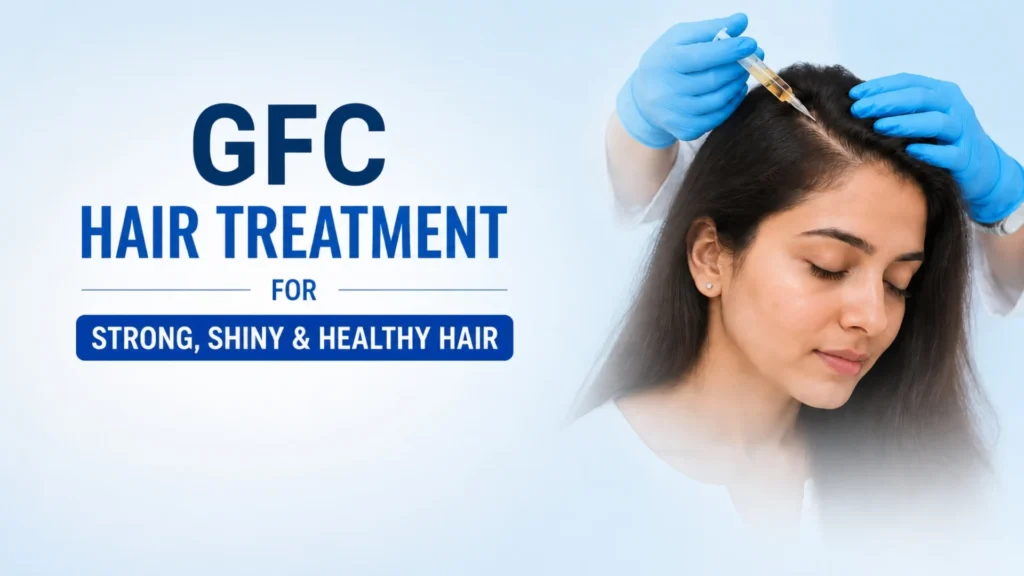
Best GFC Hair Treatment in Pune using advanced GFC therapy for hair fall and natural hair regrowth by Dr. Kiran Chotaliya
Hair Loss

Best GFC Hair Treatment in Pune: A Non-Surgical Solution for Hair Fall & Hair Regrowth

Best GFC Hair Treatment in Pune: A Non-Surgical Solution for Hair Fall & Hair Regrowth Table of Contents Quick Summary Best GFC hair treatment in Pune is an advanced non-surgical hair treatment that uses concentrated growth factors from your own blood to reduce hair fall, strengthen weak hair follicles, and promote natural hair regrowth. It is a safe, minimally invasive solution for individuals experiencing hair thinning or hair loss. At Dr. Kiran Chotaliya Hairfree & Hairgrow Clinic, personalized GFC treatment plans help improve scalp health, increase hair density, and support long-lasting hair restoration. Introduction Hair fall, thinning hair, and weak hair roots are common concerns affecting both men and women today. Factors such as stress, pollution, hormonal imbalances, poor nutrition, genetics, and aging can gradually reduce hair density and impact scalp health. If you’re searching for the Best GFC Hair Treatment in Pune, choosing an advanced regenerative treatment can help restore stronger, healthier hair without surgery. At Dr. Kiran Chotaliya Hairfree & Hairgrow Clinic, we offer advanced GFC treatment for hair loss to reduce hair fall, strengthen hair follicles, and stimulate natural hair growth. This non-surgical hair treatment uses your body’s own growth factors to improve scalp health and promote long-term hair regrowth safely and effectively. What is GFC Hair Treatment? Growth Factor Concentrate (GFC) Hair Treatment is an advanced non-surgical hair treatment that uses highly concentrated growth factors extracted from your own blood to stimulate dormant hair follicles and improve scalp health. Unlike conventional therapies, GFC contains purified growth factors without unnecessary blood components, making it one of the most advanced regenerative treatments for hair restoration. This innovative GFC treatment for hair loss helps: Stimulate inactive hair follicles Strengthen weak hair roots Improve blood circulation to the scalp Reduce excessive hair fall Promote healthier, thicker hair growth Enhance hair density and texture Since the treatment uses your own biological material, it is considered safe, natural, and minimally invasive. How Does GFC Hair Treatment Work? The procedure begins with collecting a small sample of your blood. Using advanced processing technology, highly concentrated growth factors are separated and prepared for treatment. These purified growth factors are then injected into areas of the scalp experiencing hair thinning or hair loss. Once injected, they help: Activate dormant hair follicles Repair damaged hair roots Improve scalp nourishment Enhance natural hair growth Reduce ongoing hair shedding Over the next few months, many patients notice: Reduced hair fall Stronger hair roots Improved hair thickness Better hair quality Healthier and shinier hair Depending on your scalp condition, multiple sessions may be recommended for optimal results. Benefits of the Best GFC Hair Treatment in Pune Choosing the best GFC hair treatment in Pune offers several advantages for individuals looking for safe and effective hair regrowth treatment in Pune. Non-Surgical Hair Treatment No cuts, stitches, or surgery are involved, allowing patients to return to their daily routine soon after the procedure. Natural & Safe Since the treatment uses growth factors from your own blood, the risk of allergic reactions or rejection is extremely low. Reduces Hair Fall GFC strengthens weakened follicles and helps minimize excessive hair shedding. Promotes Hair Regrowth The treatment stimulates dormant follicles, encouraging healthier and thicker hair growth over time. Improves Hair Density Regular sessions can enhance hair volume, density, and overall scalp health. Minimal Downtime The procedure is quick, comfortable, and requires little to no recovery period. Talk To Our Hair Expert Who is the Right Candidate for GFC Hair Treatment? The best GFC hair treatment in Pune may be suitable for: Men experiencing early-stage hair loss Women with diffuse hair thinning Individuals with excessive hair fall Patients with weak hair roots People looking for hair fall treatment in Pune Individuals seeking hair regrowth treatment in Pune Patients who prefer a non-surgical hair treatment Individuals wanting to improve hair density naturally A detailed scalp examination and hair analysis are essential before starting treatment. At Dr. Kiran Chotaliya’s clinic, every patient receives a personalized treatment plan based on the cause and severity of hair loss. Why Choose Dr. Kiran Chotaliya for the Best GFC Hair Treatment in Pune? Selecting an experienced hair restoration specialist is essential for achieving optimal results. Patients choose Dr. Kiran Chotaliya because of: Personalized hair restoration plans Advanced scalp and hair analysis Modern GFC technology Safe and hygienic treatment protocols Expertise in GFC treatment for hair loss Comprehensive hair fall treatment in Pune Focus on long-term scalp health and natural hair regrowth Our goal is not only to reduce hair fall but also to restore stronger, healthier hair through evidence-based regenerative treatments. Results of GFC Hair Treatment Results vary depending on the individual’s hair condition, genetics, lifestyle, and stage of hair loss. Most patients begin to notice: Less hair shedding within a few weeks Stronger hair roots Improved scalp health Better hair texture Increased hair density over the following months For the best outcomes, patients are advised to: Eat a balanced, protein-rich diet Maintain proper scalp hygiene Reduce stress levels Follow prescribed medications and hair care products Complete the recommended treatment sessions Early intervention often provides better long-term results. Conclusion If you’re searching for the best GFC hair treatment in Pune, GFC therapy offers an advanced, safe, and effective solution for reducing hair fall and promoting natural hair growth without surgery. By using your body’s own concentrated growth factors, this innovative treatment strengthens hair follicles, improves scalp health, and enhances hair density over time. Whether you’re experiencing early hair thinning or looking for a reliable hair regrowth treatment in Pune, Dr. Kiran Chotaliya provides personalized treatment plans designed to deliver natural-looking and long-lasting results. Book a consultation today to discover whether GFC treatment for hair loss is the right solution for your hair restoration journey. FAQ’s 1. Is GFC Hair Treatment better than PRP for hair loss? GFC treatment contains highly purified growth factors, making it a more advanced regenerative therapy than conventional PRP. The right treatment depends on your hair condition and your dermatologist’s assessment. 2. How many GFC sessions

Finasteride for hair regrowth treatment for male pattern baldness
Hair Loss

Is Finasteride Safe for Hair Regrowth? Complete Guide for Patients

Is Finasteride Safe for Hair Regrowth? Complete Guide for Patients Table of Contents Quick Summary Finasteride for hair regrowth is a widely prescribed treatment for male pattern baldness. This guide explains how it works, its safety, benefits, possible side effects, who should use it, and what results to expect, helping you make an informed treatment decision. Introduction Hair loss is one of the most common concerns among men, especially in urban cities like Pune due to stress, lifestyle changes, and hormonal imbalance. One of the most widely prescribed treatments for male pattern baldness is Finasteride for hair regrowth. But a common question patients ask at dermatology clinics in Pune is:  “Is Finasteride safe for long-term use?” In this guide, Dr. Kiran Chotaliya, the best hair specialist in Pune explains everything you need to know about Finasteride, including its safety, benefits, results, and precautions. What is Finasteride? Finasteride is an FDA-approved oral medication used to treat male pattern baldness (androgenetic alopecia). It works by blocking the conversion of testosterone into DHT (dihydrotestosterone), the hormone responsible for hair follicle shrinkage and hair thinning. By reducing DHT levels, Finasteride helps in: Slowing hair loss progression Improving hair thickness Promoting gradual hair regrowth This makes it one of the most effective medical treatments for hair loss in Pune. Is Finasteride Safe for Hair Regrowth? Yes, Finasteride is generally considered safe when taken under medical supervision. Dermatologists prescribe it after evaluating the patient’s hair loss stage, medical history, and hormonal profile. However, like all medications, its safety depends on: Correct dosage (usually 1 mg daily for hair loss) Duration of treatment Patient’s health condition Regular follow-up with a specialist Benefits of Finasteride for Hair Regrowth Finasteride for hair regrowth offers several proven benefits: 1. Reduces Hair Fall It slows down genetic hair loss by blocking DHT production. 2. Promotes Hair Regrowth Many patients notice improvement in hair density after 3–6 months. 3. Prevents Further Baldness It helps maintain existing hair and prevents further follicle damage. 4. Clinically Approved Treatment Finasteride is globally approved and widely used in dermatology practice. Talk To Our Hair Expert Possible Side Effects of Finasteride While Finasteride is safe for most patients, some may experience mild side effects such as: Reduced libido (low sexual drive) Erectile dysfunction (rare cases) Mild mood changes Breast tenderness (very uncommon) These side effects are usually reversible after stopping or adjusting the medication. This is why medical supervision is essential during Finasteride treatment. Precautions Before Taking Finasteride Patients in Pune considering Finasteride should follow these precautions: Do not self-medicate Avoid use in women and children Inform your doctor about existing medical conditions Regular follow-ups are importantAvoid crushed or broken tablets handling (especially for pregnant women) A dermatologist will decide whether Finasteride is suitable based on your hair loss stage. How Long Does Finasteride Take to Work? Finasteride is not an instant solution. Most patients observe: Reduced hair fall: 1–3 months Visible regrowth: 3–6 months Best results: 9–12 months Consistency is key for long-term success. Finasteride Treatment in Pune If you are experiencing male pattern baldness treatment in Pune, early treatment gives the best results. At Hairfree & Hairgrow Clinic, Dr. Kiran Chotaliya, a hair restoration expert in Pune, often combines Finasteride with other advanced treatments, such as:  PRP therapy GFC treatment Hair strengthening protocols This combination improves hair regrowth results and overall scalp health. Conclusion So, is Finasteride safe for hair regrowth?Yes—when prescribed and monitored by a qualified dermatologist, Finasteride is a safe and effective treatment for male pattern baldness. However, self-medication is not recommended. A proper diagnosis ensures better results and minimizes side effects. For patients in Pune, consulting an experienced hair specialist like Dr. Kiran Chotaliya is the safest way to begin Finasteride treatment. FAQ’s 1. Is Finasteride safe for long-term use? Yes, it is generally safe when taken under medical supervision with regular monitoring. 2. Can Finasteride regrow lost hair? It helps regrow thinning hair but works best in early stages of hair loss. 3. What happens if I stop taking Finasteride? Hair loss may gradually return after stopping the medication. 4. Is Finasteride effective for all types of hair loss? No, it mainly works for male pattern baldness (androgenetic alopecia). 5. Can I take Finasteride without a doctor? No, it should always be taken under dermatologist guidance. 6. Can women use Finasteride for hair regrowth? Finasteride is generally not recommended for women, especially during pregnancy. Women experiencing hair loss should consult a hair specialist for suitable treatment options. Yes, it is generally safe when taken under medical supervision with regular monitoring. It helps regrow thinning hair but works best in early stages of hair loss. Hair loss may gradually return after stopping the medication. No, it mainly works for male pattern baldness (androgenetic alopecia). No, it should always be taken under dermatologist guidance. Finasteride is generally not recommended for women, especially during pregnancy. Women experiencing hair loss should consult a hair specialist for suitable treatment options. Dr. Kiran Chotaliya MD (Skin & VD) Dr. Kiran Chotaliya is a highly experienced hair transplant specialist. He provides expert guidance and care throughout the entire recovery process to ensure the best possible results. With a focus on the Hair Transplant Recovery Timeline, Dr. Kiran helps his patients achieve a smooth and successful recovery. Book Consultation Our Latest Video Hair Transplant Hair Loss Treatment Our Services Male Hair Transplant Female Hair Transplant Hairline Reconstruction Eyebrow Hair Transplant Moustache Hair Transplant Body Hair Transplant Failed Hair Transplant View More Results Latest Hair Transplant Results Thinking about Hair Transplant? Read this First. A free experts curated guide that clears all your doubtsabout Costs, Results, Pain, Recovery and much more.

Rosemary Oil and Minoxidil 5% hair growth treatment showing a dropper of rosemary oil, Minoxidil bottle, and healthy hair follicles.
Hair Loss

Rosemary Oil and Minoxidil 5%: Is It Safe and Effective for Hair Growth?

Rosemary Oil and Minoxidil 5%: Is It Safe and Effective for Hair Growth? Table of Contents Quick Summary Rosemary Oil and Minoxidil 5% can work together to support hair growth when used correctly. Minoxidil is a clinically proven treatment, while rosemary oil helps improve scalp health naturally. Used as directed, this combination may reduce hair thinning, promote healthier hair, and improve hair density. Introduction Rosemary Oil and Minoxidil 5% have become two of the most popular hair growth solutions, with many people wondering whether they can be used together for faster and healthier hair regrowth. While Minoxidil 5% is a clinically proven treatment, rosemary oil is a natural remedy known for supporting scalp health and stimulating hair follicles.  Hair loss is becoming a common concern among both men and women. Stress, genetics, hormonal imbalance, poor nutrition, and pollution can all contribute to thinning hair and baldness. Because of this, many people look for effective hair growth treatments that are both safe and easy to use at home. Two popular options are rosemary oil and Minoxidil 5%. Many patients now ask whether these treatments can be used together for better hair growth results. At Hairfree & Hairgrow Clinic Dr Kiran Chotaliya hair specialist in Pune, patients often seek guidance about combining natural remedies with medical hair loss treatments in Pune. What is Minoxidil 5%? Minoxidil 5% is an FDA-approved topical treatment commonly used for male and female pattern hair loss. It works by improving blood circulation to the hair follicles and extending the hair growth phase. Regular use may help reduce hair fall and stimulate new hair growth. Doctors usually recommend applying Minoxidil directly to the scalp twice daily for visible results over a few months. What is Rosemary Oil? Rosemary oil is a natural essential oil extracted from the rosemary plant. It has gained popularity because of its potential benefits for scalp health and hair growth. Some studies suggest rosemary oil may help: Improve scalp circulation Reduce inflammation Strengthen hair roots Support healthier hair growth Research also indicates that rosemary oil hair growth benefits are similar to Minoxidil in some individuals, although more studies are still needed. Can You Use Rosemary Oil and Minoxidil 5% Together? Yes, many people use rosemary oil for hair growth and Minoxidil 5% for hair regrowth together safely. There is currently no strong evidence showing harmful interactions between the two when used properly. However, proper usage is important because both products can sometimes irritate the scalp. Safe Ways to Use Both Together Dermatologists usually suggest: Apply Minoxidil on a clean, dry scalpWait for Minoxidil to absorb completelyUse diluted rosemary oil separately, preferably at night or before washing hairAvoid mixing both products directly in the same bottlePerform a patch test before regular use This approach may help reduce scalp irritation while supporting healthier hair growth. Talk To Our Hair Expert Safety Considerations Always do a patch test before regular use Dilute rosemary oil with a carrier oil before applying Avoid overusing Minoxidil 5% Apply rosemary oil and Minoxidil separately Keep the scalp clean and dry Stop use if severe irritation occurs Consult a hair specialist for proper guidance At our clinic, patients receive safe and personalized hair loss treatment guidance. Benefits of Combining Rosemary Oil with Minoxidil Using both treatments carefully may offer additional scalp support. Possible Benefits Include: Better scalp nourishment Improved blood circulation Reduced scalp dryness Healthier hair texture Additional support for hair regrowth Some users also report that rosemary oil helps reduce scalp itching caused by Minoxidil. Are There Any Side Effects? Both Minoxidil and rosemary oil are generally safe when used correctly. However, some people may experience below rosemary oil and minoxidil side effects: Scalp irritation Itching Dryness Redness Allergic reactions Undiluted rosemary oil may cause irritation in sensitive skin. Similarly, excessive Minoxidil use may lead to dryness or flaking. If irritation becomes severe, stop using the product and consult a hair specialist. How Long Does It Take to See Results? Hair growth treatments require patience. Most people may notice visible improvement after: 3 to 6 months of regular Minoxidil use Several weeks to months with rosemary oil Consistency is the key to achieving better results. When Should You Consult a Hair Specialist? If your hair loss is severe, sudden, or worsening rapidly, it is best to consult a qualified hair restoration expert. Sometimes hair fall may be linked to: Hormonal imbalance Nutritional deficiencies Scalp infections Medical conditions Professional diagnosis helps identify the actual cause and suitable treatment. Conclusion Rosemary oil and Minoxidil 5% can be used together safely in many cases when applied correctly. While Minoxidil remains a medically approved hair loss treatment, rosemary oil may provide additional scalp and hair health benefits. For best results, always follow proper application methods and seek expert guidance before starting any new hair loss treatment routine. At our clinic, patients receive personalized hair loss evaluation and advanced treatment options for long-term hair restoration. FAQ’s 1. Can rosemary oil replace Minoxidil 5%? Rosemary oil may support hair growth naturally, but Minoxidil has stronger medical evidence for treating pattern hair loss. 2. Is it safe to apply rosemary oil daily? Yes, but it should usually be diluted with a carrier oil to avoid scalp irritation. 3. Can Minoxidil and rosemary oil be mixed together? It is better to use them separately instead of mixing them directly. 4. Does rosemary oil reduce Minoxidil side effects? Some users report reduced scalp dryness and itching, but results may vary. 5. How long should I use Minoxidil for hair growth? Most people need continuous use for several months to maintain results. Rosemary oil may support hair growth naturally, but Minoxidil has stronger medical evidence for treating pattern hair loss. Yes, but it should usually be diluted with a carrier oil to avoid scalp irritation. It is better to use them separately instead of mixing them directly. Some users report reduced scalp dryness and itching, but results may vary. Most people need continuous use for several months to maintain results.

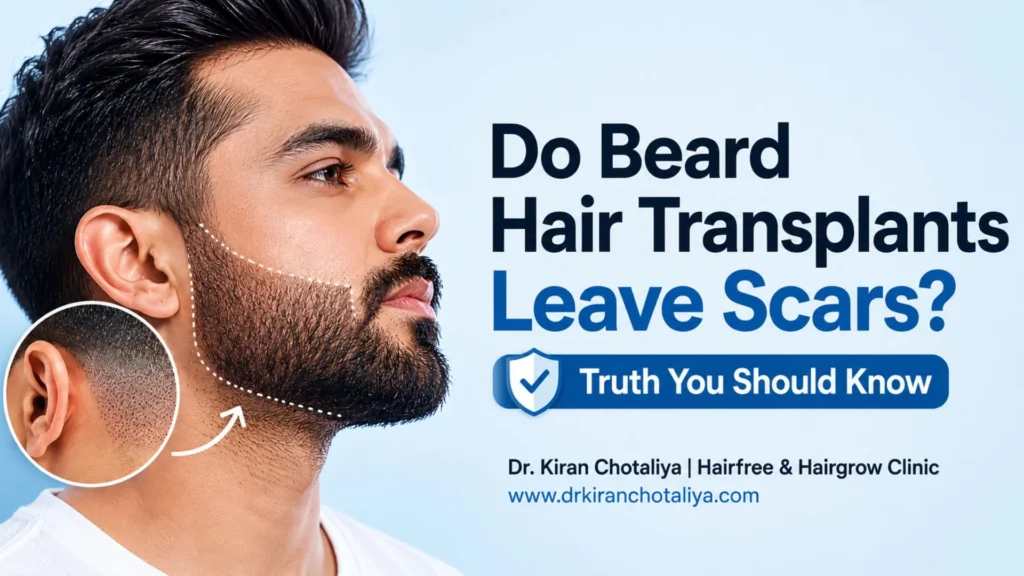
Beard Hair Transplant Treatment in Pune using advanced FUE technique
Hair Transplant

Beard Hair Transplant Treatment in Pune: Does It Leave Scars?

Beard Hair Transplant Treatment in Pune: Does It Leave Scars? Table of Contents Quick Summary Beard hair transplant treatment in Pune is performed using advanced FUE technology. Do beard hair transplants leave scars? Yes, but the scars are tiny and usually become nearly invisible after healing. FUE beard transplant scars are minimal compared to older hair transplant methods. Proper aftercare supports faster beard transplant recovery and reduces visible scarring. Complete facial hair transplant healing and natural beard growth are typically achieved within 9–12 months. Choosing an experienced specialist helps ensure natural-looking results with minimal scarring. Introduction A beard hair transplant treatment in Pune has become one of the most popular cosmetic procedures for men who want a fuller, thicker, and well-defined beard. However, one of the most common questions patients ask before undergoing the procedure is,  “Do beard hair transplants leave scars?” At Hairfree & Hairgrow clinic Dr. Kiran Chotaliya, many patients are concerned about safety, healing, and whether beard hair transplant scars will be visible after the procedure. The good news is that modern FUE (Follicular Unit Extraction) technology has made beard transplantation minimally invasive, with tiny scars that are usually almost invisible once healed. Let’s understand the truth about beard hair transplant treatment in Pune, the healing process, and what you can expect after the procedure. How Does Beard Hair Transplant Treatment in Pune Work? Modern beard hair transplant treatment in Pune is usually performed using the advanced FUE (Follicular Unit Extraction) technique. This minimally invasive procedure restores facial hair by transplanting healthy hair follicles from a donor area to the beard. During the procedure: Individual hair follicles are carefully extracted from the donor area, usually the back of the scalp or under the chin. Tiny micro-incisions are created in the beard area. Hair grafts are implanted at the correct angle and direction to achieve natural beard density and shape. Because FUE uses ultra-fine punches instead of large surgical cuts, FUE beard transplant scars are extremely small and heal much faster than traditional methods. Does Beard Hair Transplant Treatment in Pune Leave Scars? The simple answer is yes—but only tiny micro-scars that are usually not visible after healing. Many people searching “do beard hair transplants leave scars“ are relieved to know that modern FUE technology minimizes visible scarring. Scarring may occur in two areas: Will the Donor Area Have Beard Hair Transplant Scars? The donor area is where healthy follicles are extracted. With the FUE technique: Tiny dot-like scars are created. Each mark measures approximately 0.7–1 mm. The surrounding hair naturally conceals these marks. Once healing is complete, the scars become barely noticeable. Will the Beard Area Show Any Scars? The recipient area also experiences minimal healing marks because: Small micro-incisions are made for graft placement. These heal into tiny pinpoint marks. Most patients experience complete or near-complete fading over time. Once the beard grows, any remaining marks become naturally hidden. Although beard hair transplant scars technically occur, they are rarely noticeable in everyday life after complete healing. Why Does FUE Beard Hair Transplant Treatment in Pune Leave Minimal Scars? Modern beard hair transplant treatment in Pune is designed to minimize scarring while providing natural-looking results. The reasons include: Ultra-fine FUE punches Precise follicle extraction Controlled implantation angle and depth Proper spacing between grafts Advanced surgical planning Experienced transplant techniques These advancements significantly reduce FUE beard transplant scars, allowing patients to enjoy a natural beard without visible signs of surgery. Talk To Our Hair Expert What Is the Beard Transplant Recovery Timeline After Beard Hair Transplant Treatment in Pune? Understanding beard transplant recovery helps patients know what to expect after the procedure. First 3–5 Days Mild redness Tiny scabs around transplanted follicles Slight swelling in some patients 1–2 Weeks Scabs naturally fall off. Skin continues healing. Redness gradually subsides. 1–3 Months This stage is an important part of facial hair transplant healing. Transplanted hairs may temporarily shed. New follicles remain healthy beneath the skin. The donor area appears much clearer. 6–12 Months Permanent beard growth becomes visible. Hair becomes thicker and denser. Beard hair transplant scars continue to fade and become almost impossible to notice. Complete beard transplant recovery and final cosmetic results are usually achieved within 9–12 months. What Factors Affect Beard Hair Transplant Scars? Although most patients heal exceptionally well, the visibility of beard hair transplant scars depends on several factors: Skin type Individual healing ability Surgeon’s experience Number of grafts transplanted Proper post-operative care Rare tendency to develop keloid scars Choosing an experienced hair restoration specialist greatly reduces the risk of noticeable scarring. How Can You Reduce Beard Hair Transplant Scars and Improve Beard Transplant Recovery? Following your surgeon’s instructions is the best way to support beard transplant recovery and reduce beard hair transplant scars. Patients should: Avoid touching or scratching the treated area. Keep the donor and recipient areas clean. Follow prescribed medications and aftercare instructions. Avoid strenuous exercise for several days. Protect the treated area from direct sunlight during healing. Attend all follow-up appointments. Proper aftercare promotes faster facial hair transplant healing and helps ensure that scars remain virtually invisible. Why Choose Dr. Kiran Chotaliya for Beard Hair Transplant Treatment in Pune? Dr. Kiran Chotaliya offers advanced beard hair transplant treatment in Pune using the latest FUE technology to deliver natural-looking results with minimal scarring. Patients benefit from: Advanced FUE hair transplant techniques Natural beard design and density Minimal FUE beard transplant scars Personalized treatment plans High standards of safety and hygiene Comprehensive aftercare support Every procedure is carefully planned to provide long-lasting, aesthetically pleasing results. Is Beard Hair Transplant Treatment in Pune Worth It? If you are wondering “do beard hair transplants leave scars,” the answer is yes—but only tiny micro-scars that are usually invisible after healing. Thanks to modern beard hair transplant treatment in Pune using advanced FUE technology, patients can achieve a fuller, natural-looking beard with minimal signs of surgery. At Dr. Kiran Chotaliya’s clinic, every procedure is performed with precision to maximize beard density, ensure natural hair direction,

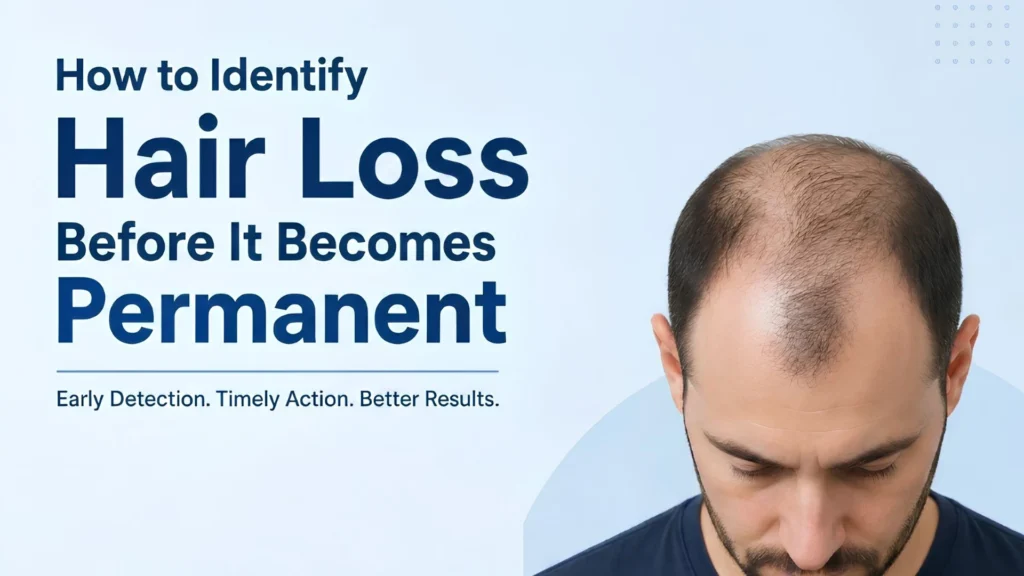
Early signs of hair loss including hair thinning and receding hairline
Hair Loss

How to Identify Hair Loss Before It Becomes Permanent

How to Identify Hair Loss Before It Becomes Permanent Table of Contents Quick Summary Early signs of hair loss are often easy to miss, but identifying them early can help prevent permanent thinning or baldness. Common warning signs include excessive hair shedding, a receding hairline, gradual thinning, widening of the hair part, and increased scalp visibility. With timely diagnosis, proper hair care, and professional treatment, you can slow hair loss, improve scalp health, and maintain healthy hair growth. Introduction Hair loss is a gradual process that often starts silently. Many people do not recognize the early signs of hair loss until the condition becomes visible and more difficult to manage. The key to preventing long-term or permanent baldness is identifying these warning signs early and taking timely action. Understanding the early signs of hair loss allows you to intervene before hair follicles become inactive. Once follicles stop producing hair for a long period, regrowth becomes challenging. However, in the early stages, proper care, lifestyle changes, and medical treatment can significantly improve hair density and scalp health. This guide explains the early signs of hair loss, common causes, prevention strategies, and when you should seek professional help. Understanding How Hair Loss Begins Each hair strand grows from a follicle that goes through a natural cycle: Growth phase (Anagen) Resting phase (Telogen) Shedding phase (Exogen) When this cycle is disrupted due to genetics, stress, hormones, nutrition, or scalp issues, hair starts shedding more than it regrows. Initially, this imbalance is mild—but over time, it leads to visible thinning and bald patches. 1. Noticeable Increase in Daily Hair Shedding One of the earliest early signs of hair loss is increased shedding during routine activities such as combing, washing, or sleeping. While losing 50–100 hairs per day is normal, excessive shedding over several weeks may indicate an underlying issue. If you consistently notice large amounts of hair on your pillow, shower drain, or comb, it is important to monitor the pattern. Persistent shedding can eventually lead to visible thinning if left untreated. 2. Gradual Hair Thinning on the Scalp Gradual thinning is among the most common hair thinning symptoms experienced by both men and women. Hair may slowly lose its volume and appear less dense over time. In men, thinning usually begins around the crown or frontal scalp. In women, it commonly appears as a widening part or reduced overall hair volume. Identifying these early signs of hair loss can improve the success of hair loss prevention treatments in Pune. 3. Receding Hairline A receding hairline is one of the most noticeable early baldness signs, particularly in men. It generally starts at the temples and gradually forms an “M”-shaped hairline. Because this change happens slowly, many people overlook it. Early diagnosis and treatment can help slow progression and preserve existing hair. 4. Widening Hair Part in Women Women often experience hair loss differently than men. A widening parting line is one of the earliest hair thinning symptoms and may indicate the beginning of female pattern hair loss. Hormonal changes, nutritional deficiencies, stress, and genetics are common contributing factors. Addressing these issues early can help maintain healthy hair growth. 5. Increased Hair Breakage and Weak Strands Hair that becomes dry, brittle, or breaks easily may indicate poor hair health. Although breakage differs from follicle-related hair loss, it contributes to reduced hair volume. Strengthening weak hair through proper nutrition and hair care is an important part of hair loss prevention. Talk To Our Hair Expert 6. Visible Scalp in Certain Areas As hair density decreases, your scalp may become more visible under normal lighting. This commonly occurs around the crown, frontal hairline, or parting line. Visible scalp is one of the significant early signs of hair loss and suggests that hair follicles are gradually weakening. 7. Persistent Scalp Problems A healthy scalp supports healthy hair growth. Ongoing dandruff, itching, inflammation, or irritation can weaken hair roots and increase shedding. Treating scalp conditions promptly can improve scalp health and reduce the progression of early signs of hair loss. 8. Slower Hair Growth If your hair appears to grow more slowly than before or stops gaining length, shrinking hair follicles may be responsible. Although subtle, slower hair growth is another important warning sign that should not be ignored. Why Identifying the Early Signs of Hair Loss Matters Recognizing the early signs of hair loss allows timely treatment while hair follicles remain active. Early intervention generally delivers better results than treating advanced hair loss. Benefits of early diagnosis include: Slowing hair loss progression Strengthening existing hair Improving scalp health Increasing the effectiveness of treatment Reducing the risk of permanent hair loss Hair Loss Prevention Tips Following healthy hair care habits can reduce the risk of worsening hair loss: Eat a balanced diet rich in protein, iron, zinc, and vitamins. Avoid excessive heat styling and harsh chemical treatments. Manage stress through regular exercise, yoga, or meditation. Use dermatologist-recommended hair care products. Avoid tight hairstyles that strain the hair roots. Stay hydrated and maintain overall health. These habits support effective hair loss prevention and promote healthier hair growth. When to Consult a Hair Specialist in Pune If you notice multiple early signs of hair loss, such as persistent shedding, hair thinning, or a receding hairline lasting more than four to six weeks, consult a specialist without delay. An experienced doctor can identify the cause of your hair loss and recommend suitable treatment options. Seeking hair fall treatment in Pune at an early stage often provides better outcomes and may help prevent permanent hair loss. Conclusion Recognizing the early signs of hair loss is the first step toward protecting your hair and preventing permanent baldness. Changes such as excessive shedding, thinning hair, a receding hairline, or visible scalp should never be ignored. With early diagnosis, proper care, and expert guidance, you can improve hair health and achieve better long-term results. If you are experiencing persistent hair loss, consulting a specialist for hair fall treatment in Pune can help you receive the

Hair Transplant in Pune

Dr. Kiran Chotaliya is a leading hair transplant surgeon in Pune, specializing in advanced techniques like FUE and FUT for natural, lasting results. His expertise and patient-centered care ensure successful hair restoration with exceptional outcomes.

Follow Us

GET IN TOUCH

© 2026 Developed & Handle By Dr. Kiran Chotaliya Clinic Team

Location

© 2026 Developed & Handle By Dr. Kiran Chotaliya Clinic Team

Scroll to Top