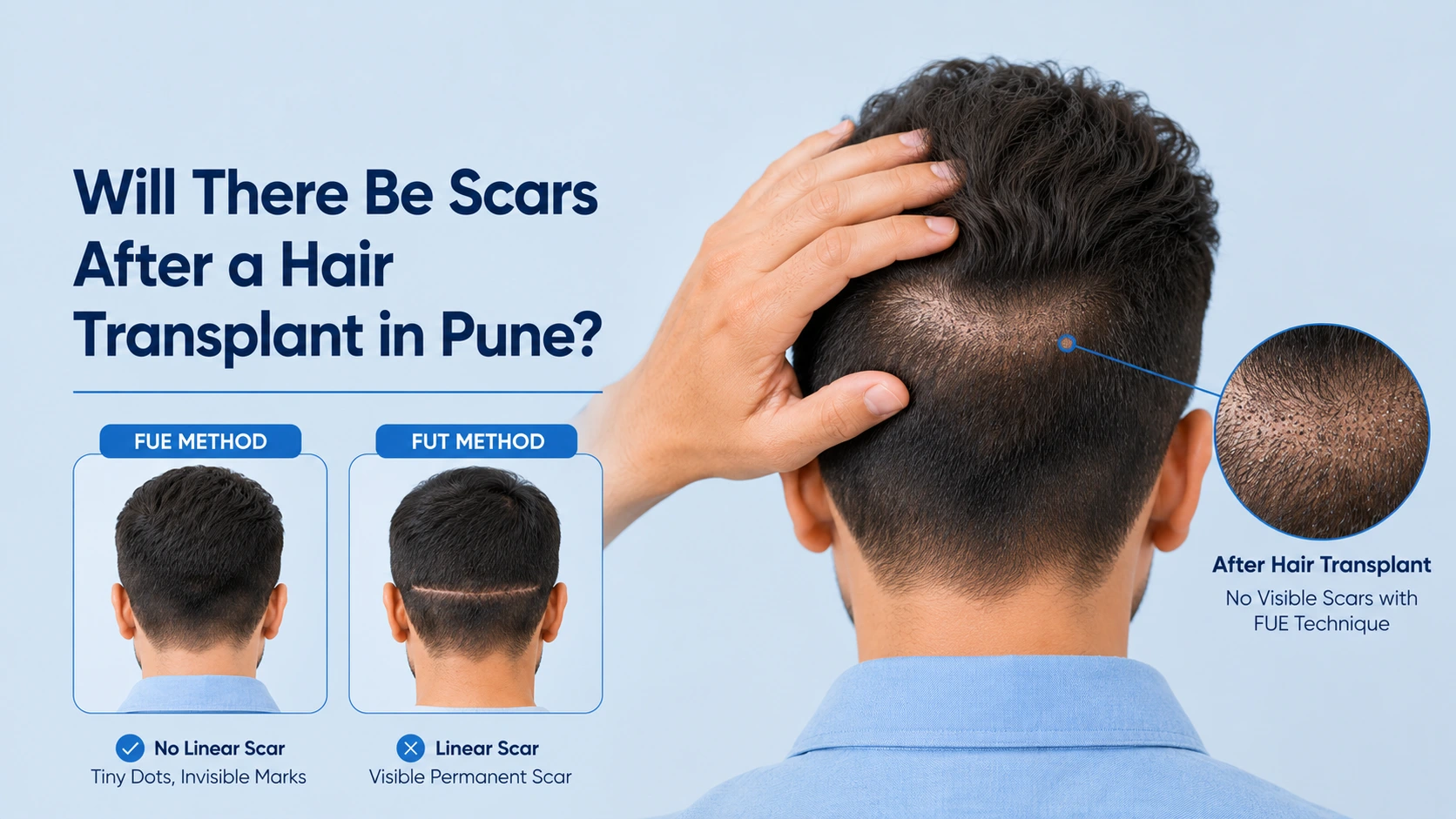

Hair transplantation is more than simply moving hair from one area of the scalp to another. It is a highly specialized procedure that combines medical expertise, precision, and artistic planning to achieve natural-looking results. Among the various stages of a hair transplant, the recipient area preparation and implantation phase play a crucial role in determining the final outcome.
If you are considering natural hair restoration in Pune, understanding these important phases can help you appreciate how modern hair transplant techniques create fuller, denser, and natural-looking hair.
Is Hair Transplant Permanent, Hair transplant growth after surgery, Hair Transplant In Pune, dr. kiran chotaliya clinic, Is Hair Transplant Permanent, Hair transplant growth after surgery, Hair Transplant In Pune, dr. kiran chotaliya clinic,Is Hair Transplant Permanent, Hair transplant growth after surgery, Hair Transplant In Pune, dr. kiran chotaliya clinic
The recipient area is the section of the scalp where hair follicles are implanted during a hair transplant procedure. This area may include a receding hairline, thinning crown, bald patches, or areas affected by pattern hair loss.
Before the procedure begins, the hair restoration specialist carefully evaluates:
This assessment helps create a personalized treatment plan that supports successful and long-lasting natural hair restoration in Pune.
Many people focus on graft extraction, but the recipient area is where the true artistry of hair transplantation takes place. Proper planning ensures that transplanted hair grows naturally and blends seamlessly with existing hair.
A well-planned recipient area helps achieve:
Without careful recipient area design, even healthy grafts may fail to produce the desired cosmetic outcome.
The hairline is one of the most visible aspects of a hair transplant. Creating a natural-looking hairline requires careful consideration of the patient’s age, facial features, and future hair loss progression.
Experienced specialists avoid creating an unnaturally straight or low hairline. Instead, they design subtle irregularities that mimic the way natural hair grows.
For patients seeking natural hair restoration in Pune, hairline design is a critical step that significantly impacts the overall appearance of the transplant.
Once the treatment plan is finalized, tiny recipient sites are created in the target area. These sites determine where each graft will be placed and how the transplanted hair will grow.
Several factors are considered during this stage:
Hair Growth Direction
Natural hair grows in specific directions across different regions of the scalp. The surgeon carefully recreates these patterns to ensure a realistic appearance.
Hair Growth Angle
The angle at which hair emerges from the scalp varies across the head. Proper angulation helps transplanted hair blend naturally with existing hair.
Hair Density
Recipient sites are strategically distributed to create the appearance of fuller hair while making efficient use of available donor grafts.
Protection of Existing Hair
In patients with partial hair loss, recipient sites are created carefully to preserve surrounding healthy hair follicles.
Temporary treatments often require ongoing maintenance and may not always produce lasting results. If you are seeking a long-term solution for hair loss, a hair transplant may be the right option.
Modern hair transplant techniques can provide:
A specialist can explain the available techniques and help you choose the most appropriate treatment based on your goals.
After preparing the recipient area, the implantation phase begins. During this stage, harvested hair follicles are carefully placed into the recipient sites.
Every graft is handled with precision to maximize survival and ensure natural growth after transplantation.
The implantation process typically involves:
This detailed approach is one of the reasons why modern natural hair restoration Pune can deliver highly realistic and aesthetically pleasing results.
The quality of implantation directly affects the final appearance of the transplant.
Natural Results
Proper placement ensures transplanted hair follows natural growth patterns and blends seamlessly with existing hair.
Higher Graft Survival
Gentle handling during implantation reduces trauma to the follicles and increases graft survival rates.
Better Density
Strategic placement creates fuller coverage while maintaining a natural look.
Long-Term Success
Well-planned implantation helps ensure that the results remain attractive and balanced as the patient ages.
Modern clinics use advanced technologies to improve precision and patient outcomes.
FUE Hair Transplant
Follicular Unit Extraction (FUE) involves harvesting individual hair follicles and implanting them into recipient sites with minimal scarring and downtime.
Direct Hair Implantation (DHI)
DHI utilizes specialized implantation tools that provide greater control over graft placement and angulation.
Sapphire Blade Technology
Sapphire blades create precise recipient sites with minimal tissue trauma, supporting faster healing and improved graft placement.
These advanced techniques have contributed significantly to the success of natural hair restoration in Pune
Proper aftercare is essential for achieving optimal results.
Patients are generally advised to:
Following post-operative guidelines supports healing and helps maximize graft survival.
The recipient area and implantation phase are the foundation of a successful hair transplant. These stages determine the hairline design, density, direction, and overall natural appearance of the final result. While graft extraction is important, it is the precision of implantation that transforms a hair transplant into a truly successful restoration procedure.
For individuals considering natural hair restoration in Pune, choosing an experienced hair restoration specialist who understands both the science and artistry of implantation can make a significant difference in achieving natural, long-lasting, and confidence-boosting results.
The recipient area is the part of the scalp where transplanted hair follicles are implanted. Proper planning of this area is essential for achieving natural-looking hair growth and optimal density.
The implantation phase determines the angle, direction, and placement of each graft. Precise implantation helps create natural hair growth patterns and improves the overall success of natural hair restoration.
No. The procedure is performed under local anesthesia, so patients generally experience minimal discomfort during the implantation process. Mild soreness may occur after the procedure and usually subsides within a few days.
Most patients notice new hair growth within 3 to 4 months. Significant improvements are typically visible by 6 to 9 months, while full results may take 12 to 18 months to develop.
An experienced hair restoration specialist understands how to design a natural hairline, create precise recipient sites, and implant grafts correctly. This expertise helps ensure natural-looking, long-lasting results and high graft survival rates.

A free experts curated guide that clears all your doubts
about Costs, Results, Pain, Recovery and much more.
Dr. Kiran Chotaliya is a leading hair transplant surgeon in Pune, specializing in advanced techniques like FUE and FUT for natural, lasting results. His expertise and patient-centered care ensure successful hair restoration with exceptional outcomes.
© 2026 Developed & Handle By Dr. Kiran Chotaliya Clinic Team
© 2026 Developed & Handle By Dr. Kiran Chotaliya Clinic Team