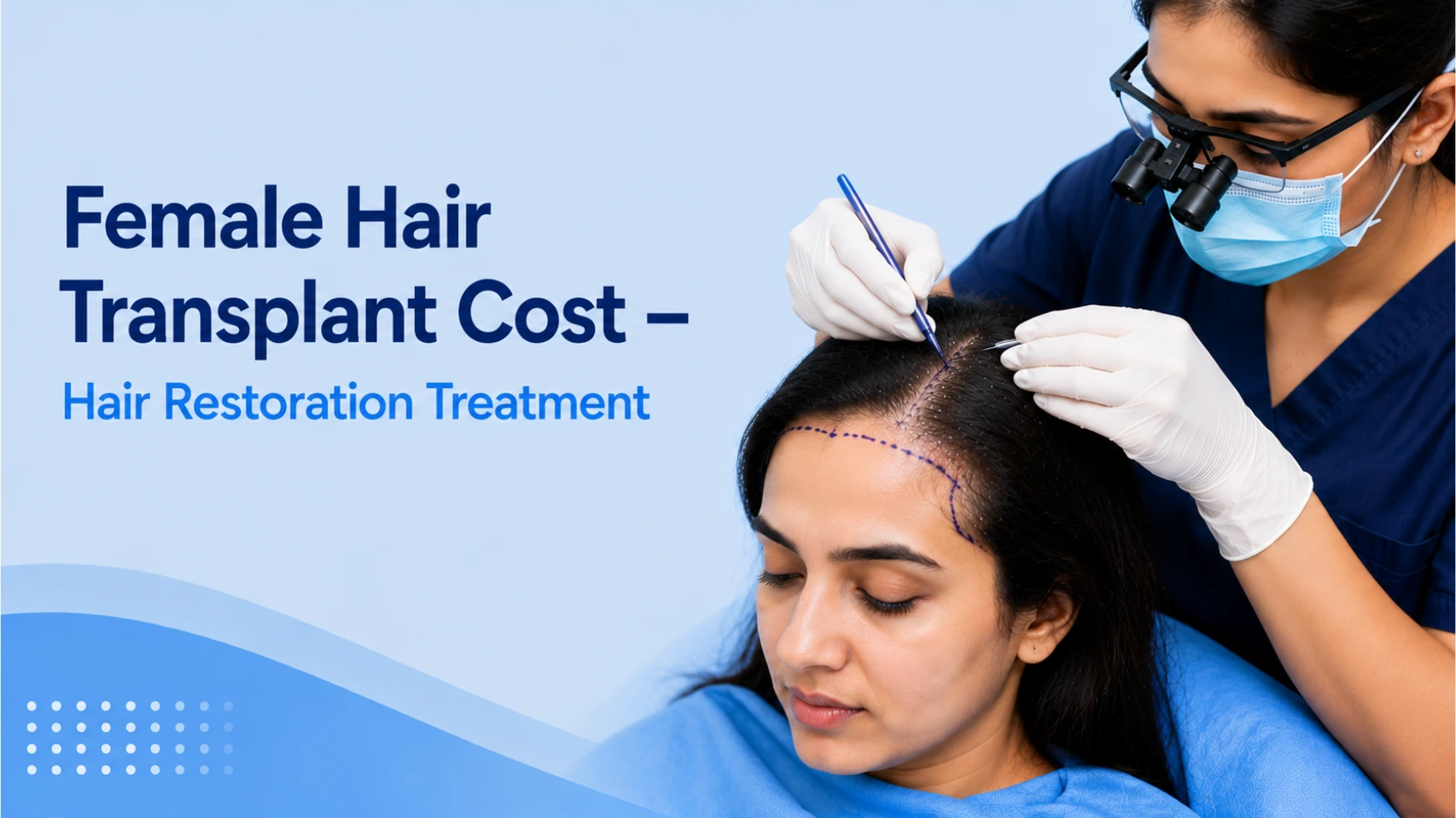
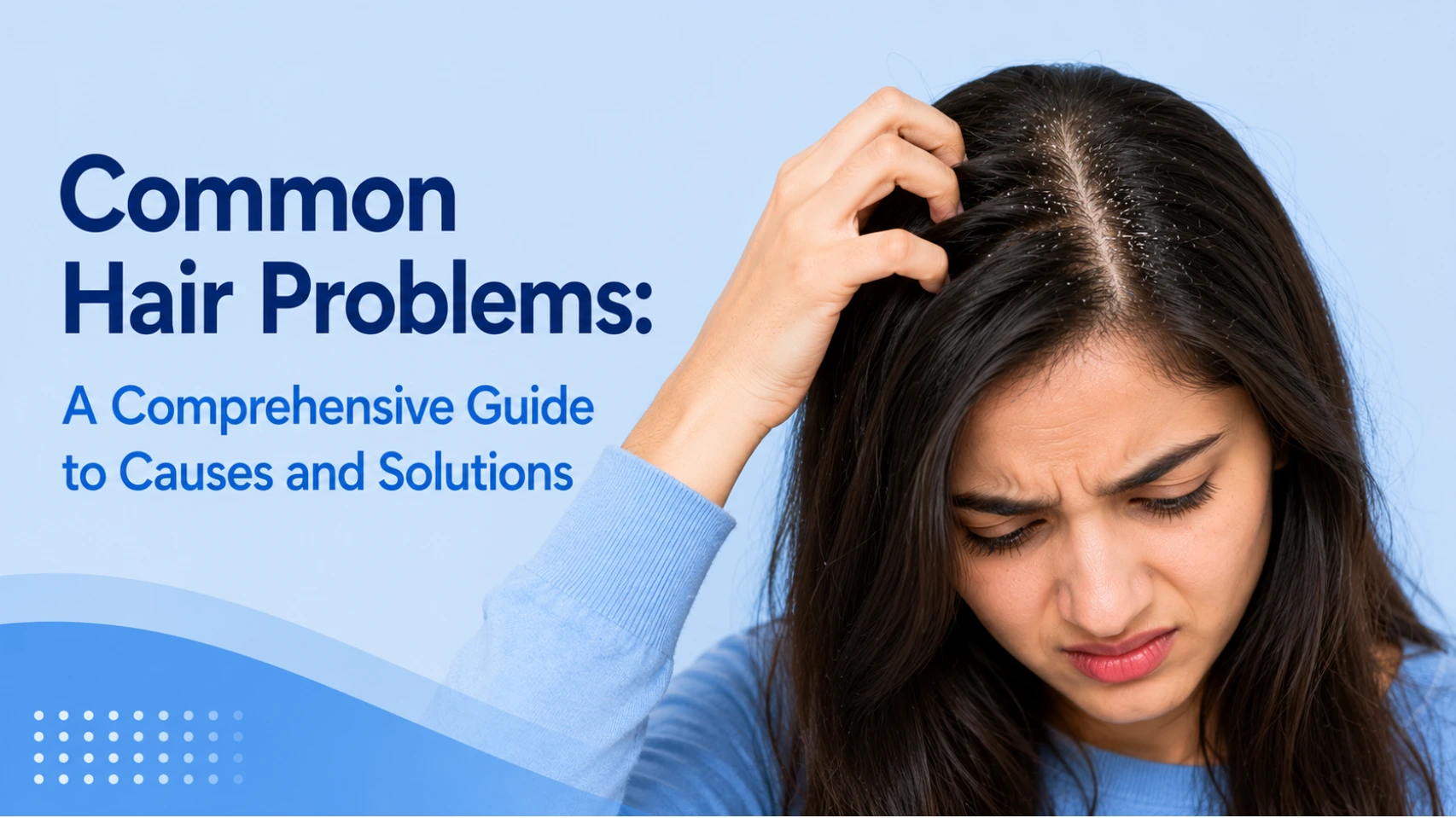
Hair Problems Treatment in Pune starts with identifying the root cause of your hair concerns, whether it’s hair fall, dandruff, thinning hair, scalp infections, or excessive breakage. This guide explains the most common hair problems, their causes, effective treatment options, and preventive hair care tips. With the right diagnosis and expert care, you can restore healthy, strong, and naturally beautiful hair.
Hair Problems Treatment in Pune begins with identifying the underlying cause of your hair and scalp concerns rather than simply treating the symptoms. If you’re wondering, “what are the most common hair problems?”, they include hair fall, dandruff, thinning hair, scalp infections, and premature greying. Early diagnosis and personalized treatment can help prevent further hair damage and restore healthy, strong hair growth.
Common hair problems in Pune are becoming increasingly prevalent due to factors such as the city’s changing climate, pollution, hard water in certain areas, stress, nutritional deficiencies, and modern lifestyle habits. These factors can negatively impact scalp health and hair quality, leading to concerns such as hair fall, dandruff, thinning hair, premature greying, and scalp infections. While some hair shedding is a normal part of the hair growth cycle, persistent hair fall, itching, dandruff, thinning, or patchy hair loss may indicate an underlying condition that requires professional attention.
According to Dr. Kiran Chotaliya, hair transplant surgeon in Pune, early diagnosis and treatment of Common Hair Problems in Pune can help identify reversible causes such as dandruff, nutritional deficiencies, scalp inflammation, hormonal imbalances, or stress-related hair shedding before they progress into significant hair loss. Seeking timely expert guidance can improve scalp health and support long-term hair growth.
Is Hair Transplant Permanent, Hair transplant growth after surgery, Hair Transplant In Pune, dr. kiran chotaliya clinic, Is Hair Transplant Permanent, Hair transplant growth after surgery, Hair Transplant In Pune, dr. kiran chotaliya clinic,Is Hair Transplant Permanent, Hair transplant growth after surgery, Hair Transplant In Pune, dr. kiran chotaliya clinic
The most common hair problems in Pune include hair fall, dandruff, thinning hair, premature greying, scalp infections, and hair breakage. These issues are often caused by pollution, hard water, stress, nutritional deficiencies, hormonal changes, and unhealthy lifestyle habits.
Problem | Typical Signs |
Hair fall / excessive shedding | More hair on pillow, comb, shower drain, or floor than usual |
Dandruff / flaky scalp | White or yellow flakes, itching, scalp irritation |
Hair thinning / reduced density | Wider part line, less volume, visible scalp |
Male or female pattern hair loss | Receding hairline, crown thinning, progressive density loss |
Premature greying | Grey hairs appearing earlier than expected |
Scalp infections / folliculitis | Painful bumps, redness, pus-filled lesions, itching |
Dry, frizzy, or damaged hair | Rough texture, breakage, split ends |
Patchy hair loss (alopecia areata) | Round or oval bald patches |
Understanding the root cause is the first step in learning how to treat common hair problems effectively. Factors such as genetics, poor scalp hygiene, hormonal imbalance, medical conditions, environmental pollution, and improper hair care can all contribute to ongoing hair concerns.
Seek professional evaluation if you notice:
Seek prompt medical care if you have painful scalp swelling, fever, rapidly spreading redness, extensive patchy hair loss, or sudden shedding after a major illness or medication change.
Knowing how to treat common hair problems depends on an accurate diagnosis and personalized treatment plan. Depending on the condition, treatment may include medications, PRP therapy, scalp treatments, lifestyle modifications, nutritional support, or advanced hair restoration procedures.
Problem | Common Treatment Approach |
Dandruff / seborrheic dermatitis | Medicated anti-dandruff shampoos, anti-inflammatory scalp care, and trigger control |
Telogen effluvium (stress-related shedding) | Identify and correct triggers, optimize nutrition, manage stress, and monitor regrowth |
Pattern hair loss | Evidence-based medical therapy; hair transplantation may be considered in suitable candidates with stable loss |
Patchy alopecia areata | Dermatologic evaluation and targeted medical treatment |
Folliculitis / scalp infection | Diagnosis of infectious vs inflammatory cause and appropriate medication |
Dry, damaged hair | Reduce heat and chemical exposure, use conditioning care, and protect hair from friction and sun |
Many hair concerns improve when scalp inflammation, nutritional gaps, stress, and damaging hair practices are addressed early.
No. Supplements are most useful when a deficiency is documented or strongly suspected. Unnecessary supplementation can add cost and may not improve hair growth. If you are considering hair restoration treatment in Pune, a clinician may recommend blood tests based on your medical history and symptoms to identify any underlying nutritional deficiencies before starting treatment.
No. A hair transplant is primarily a surgical option for suitable candidates with established pattern hair loss and adequate donor hair. It is not a treatment for active dandruff, scalp infections, sudden stress-related shedding, nutritional deficiency, or many inflammatory scalp disorders. These conditions should be diagnosed and managed first.
Clinical note for Pune readers:
For persistent hair fall, dandruff, thinning, or scalp symptoms, consult a qualified dermatologist or hair restoration specialist. In Pune, Dr. Kiran Chotaliya evaluates common causes such as pattern hair loss, dandruff-related inflammation, nutritional issues, and other scalp conditions before recommending medical treatment or hair transplantation when appropriate.
Hair-related concerns can develop due to several factors, including genetics, stress, poor nutrition, hormonal changes, pollution, and scalp conditions. While issues such as hair fall, dandruff, hair thinning, and premature greying are common, ignoring them may lead to worsening symptoms and reduced hair density over time. Early diagnosis and appropriate treatment are essential for maintaining healthy hair and preventing long-term damage.
If you are experiencing persistent hair concerns, consulting an experienced specialist can help determine the underlying cause and provide the most effective treatment approach. Dr. Kiran Chotaliya, hair transplant surgeon in Pune, offers personalized solutions for various hair and scalp conditions, helping patients restore healthy hair growth and confidence. With proper care, lifestyle modifications, and expert guidance, Common Hair Problems in Pune can be effectively managed, supporting stronger and healthier hair in the long run.
Following the right monsoon hair care tips can help reduce seasonal hair fall, control frizz, and maintain a healthy scalp during the rainy season. If hair fall persists, consult a qualified dermatologist for proper diagnosis and effective treatment.
Some people notice seasonal increases in shedding, but significant or prolonged hair fall should not be dismissed without evaluation.
Follow product instructions or your clinician’s advice; overuse can sometimes increase dryness or irritation.
Hard water is more commonly associated with dryness, roughness, and breakage rather than true follicle loss, but it may worsen existing hair-quality issues.
If density is clearly decreasing, the part line is widening, or thinning is progressing over months, seek assessment from a dermatologist or hair specialist.
Yes. Female pattern hair loss is common and often presents as diffuse thinning over the crown with preservation of the frontal hairline.
The best Hair Problems Treatment in Pune depends on the underlying cause. After a detailed scalp and hair assessment, your doctor may recommend medications, PRP therapy, scalp treatments, or hair restoration procedures.

A free experts curated guide that clears all your doubts
about Costs, Results, Pain, Recovery and much more.
Dr. Kiran Chotaliya is a leading hair transplant surgeon in Pune, specializing in advanced techniques like FUE and FUT for natural, lasting results. His expertise and patient-centered care ensure successful hair restoration with exceptional outcomes.
© 2026 Developed & Handle By Dr. Kiran Chotaliya Clinic Team
© 2026 Developed & Handle By Dr. Kiran Chotaliya Clinic Team