


Hair Transplant Case Study – Grade 2–3 Hair Loss | I FUE with 2,960 Grafts

Hair Transplant Case Study – Grade 2–3 Hair Loss | I FUE with 2,960 Grafts

Written by: Dr. Kiran Chotaliya Editorial Team  ·  Reviewed by: Dr. Kiran Chotaliya, M.D. Dermatologist & Chief Hair transplant Surgeon  ·  Hairfree & Hairgrow Clinics, India  ·  Updated Oct 2026

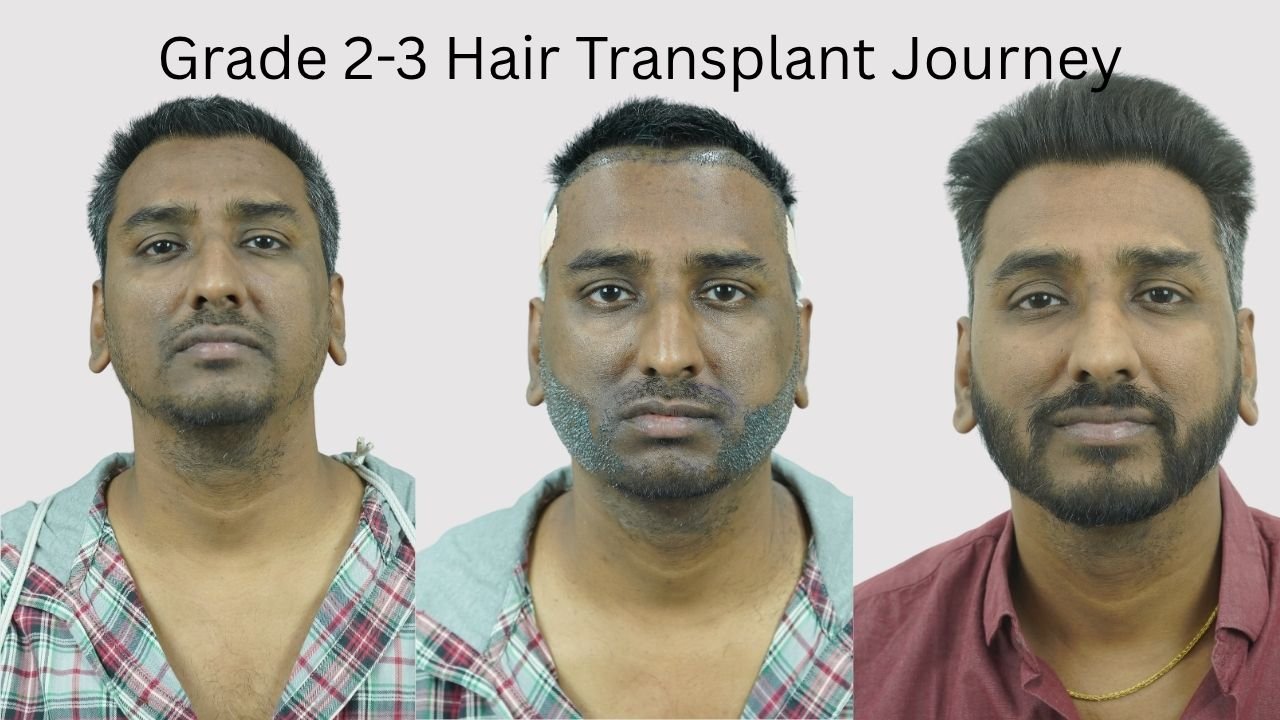
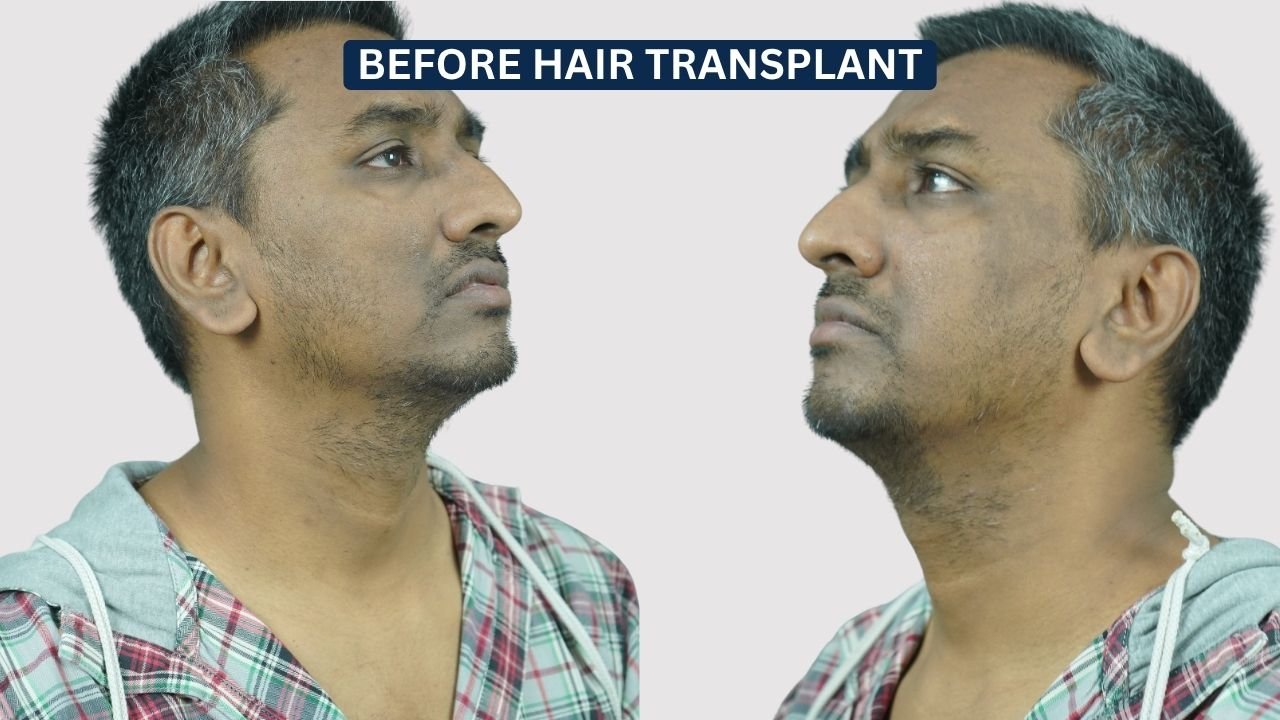
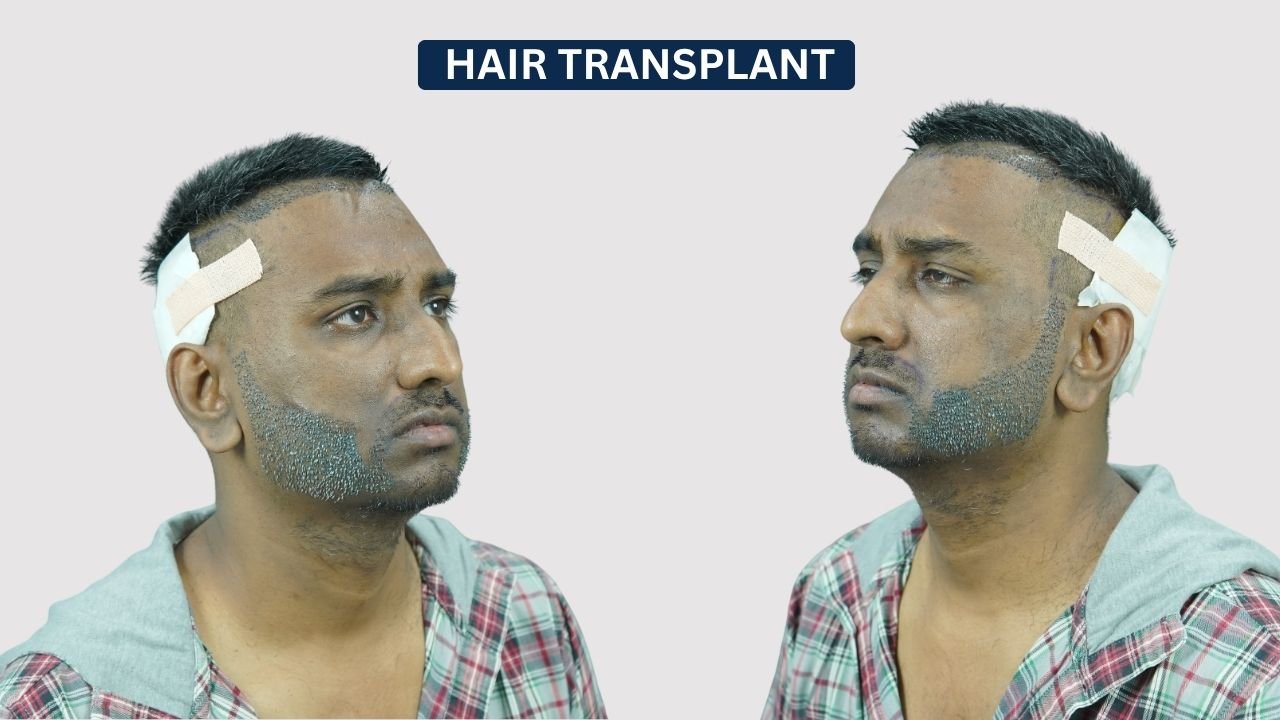
This case study documents a male hair transplant case for Grade 2–3 hair loss treated using the I FUE technique. The initial treatment plan estimated approximately 2,200 grafts with a planned 1–2 day treatment session.

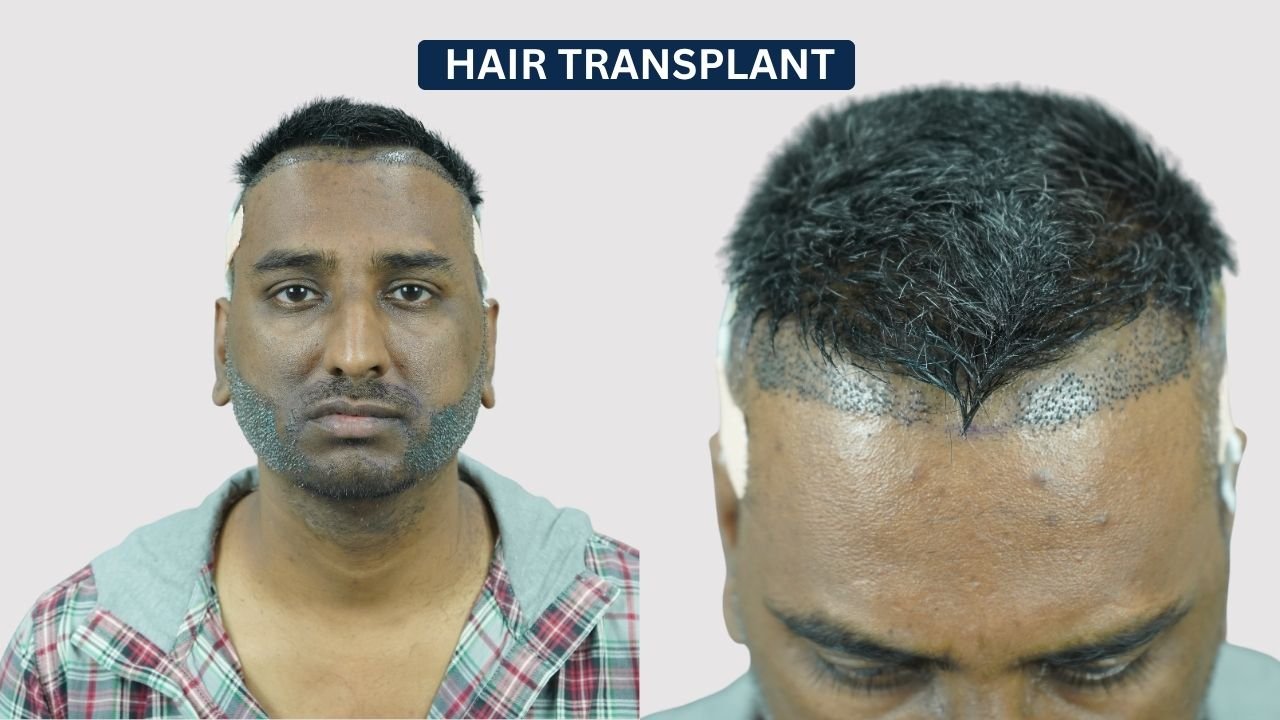
According to the final treatment record, 2,960 grafts were transplanted, and the graft hair quality was documented as good. Supportive post-transplant care included hair vitamins, Minoxidil, and PRP as advised.

Note: The uploaded records describe a scalp hair transplant, not a beard transplant. Therefore, the headings below have been adjusted to match the documented treatment.

Patient Consent Notice

This case study has been published with the patient’s informed consent for educational and informational purposes. Appropriate measures should be followed to maintain patient privacy while presenting clinical details, treatment planning, and documented progress.

Individual hair transplant outcomes may vary depending on donor hair quality, number of grafts, graft survival, degree of hair loss, scalp characteristics, healing response, aftercare, and individual biological factors. Results from this case should not be considered a guarantee of the same outcome for every patient.

Patient Case Overview

Patient Details

Information

Gender

Male

Grade of Hair Loss

Grade 2–3

Treatment

Hair Transplant

Technique

I FUE

Initially Planned Grafts

Approximately 2,200 grafts

Documented Grafts Done

2,960 grafts

Graft Hair Quality

Good

Planned Session Duration

1–2 day session

Supportive Care

Hair vitamins + Minoxidil + PRP

Age

Not specified in provided records

Duration of Hair Loss

Not specified

Medical History

Not specified

SURYA PACHIGOLA

Case Overview

Age, City

47 Years,
Pune, India

Hair Loss Duration

12–15 Years

Baldness Grade

Norwood
Grade 4–5

Areas Affected

Hairline,
Mid Scalp,
Crown Thinning

Techniques

Big FUE

Grafts

3220+

Patient Concerns

The patient’s treatment plan documents Grade 2–3 hair loss, indicating that hair restoration was planned to address areas of thinning or recession and improve overall scalp coverage.

The main treatment goals would include:

  • Improving hair coverage in areas affected by Grade 2–3 hair loss
  • Restoring a more defined frontal appearance
  • Improving visible hair density
  • Reducing the appearance of thinning
  • Creating a natural-looking transition between existing and transplanted hair

Specific details about the patient’s age, duration of hair loss, or previous treatments were not included in the supplied records.

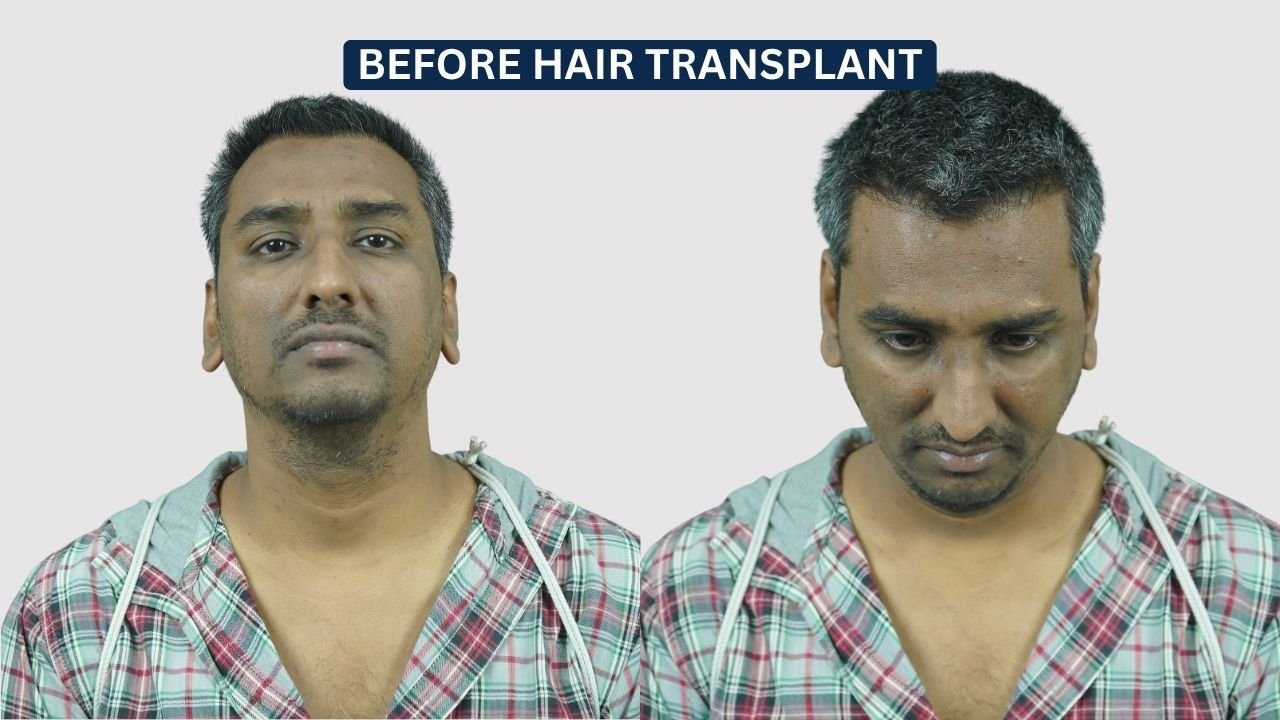
Initial Hair & Scalp Condition

Before treatment, the patient was documented as having Grade 2–3 hair loss. The transplant plan was therefore prepared according to the extent of thinning and the amount of coverage required.

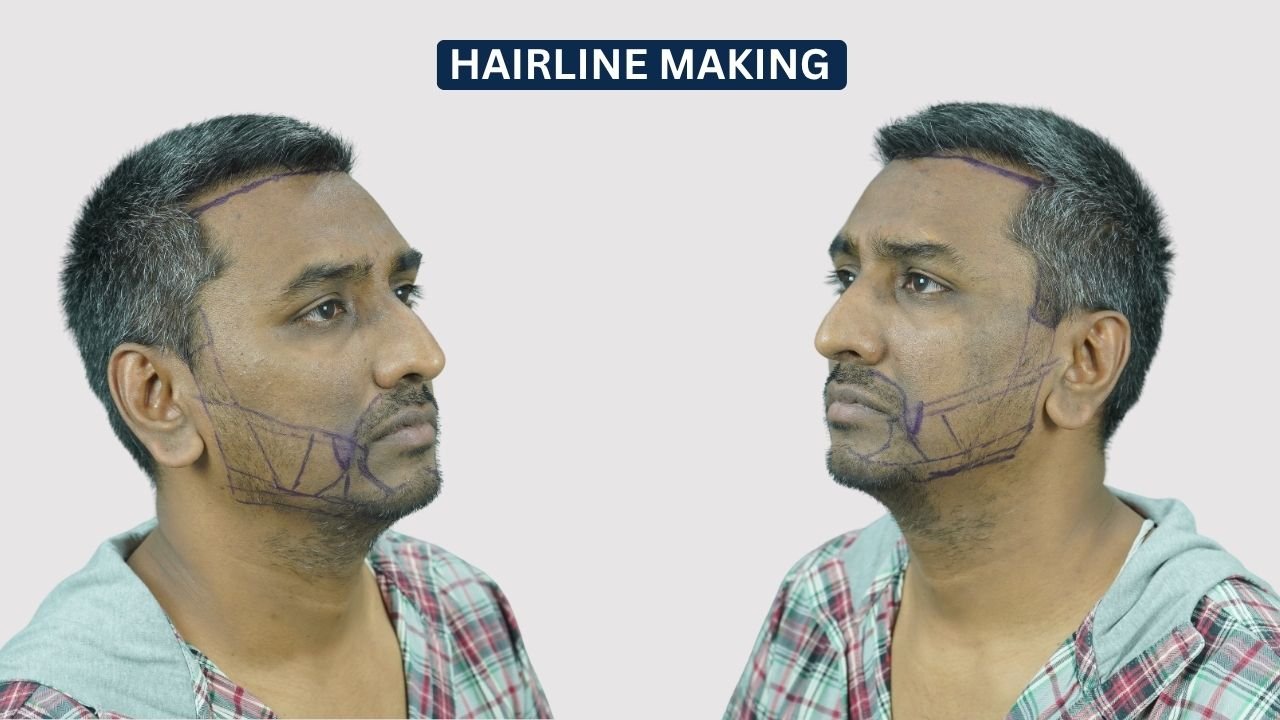
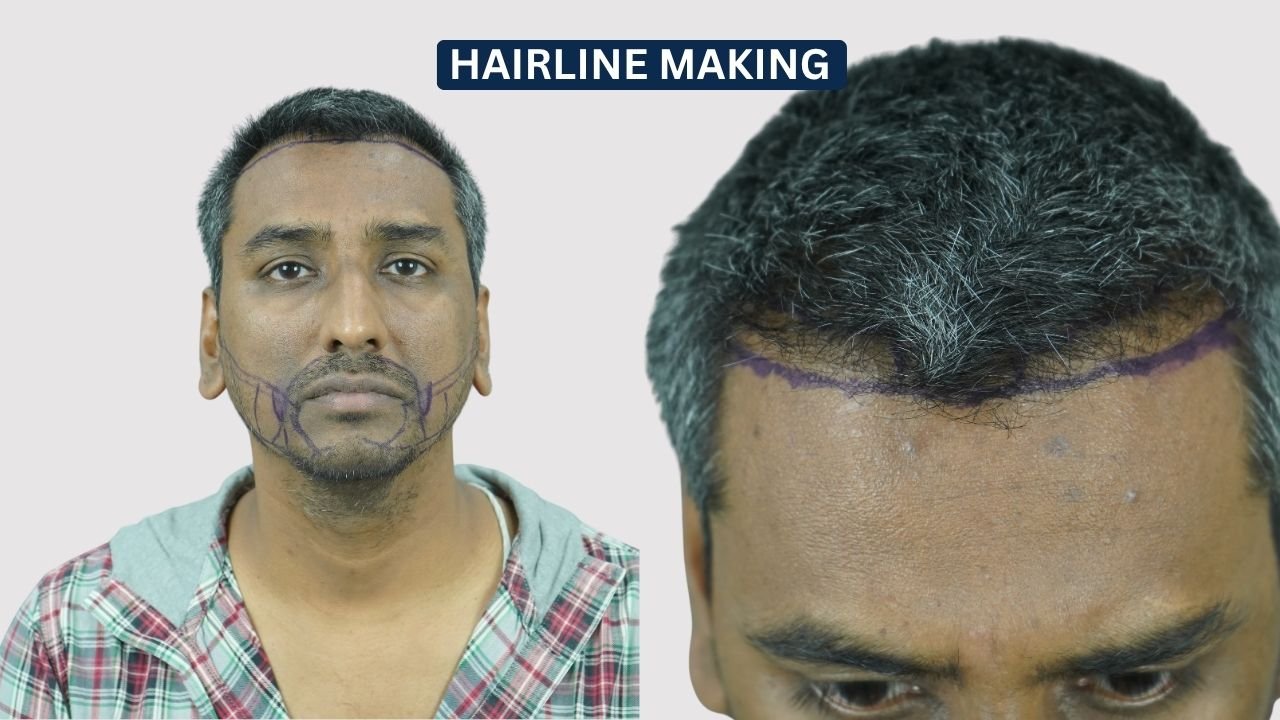
The initial planning record estimated approximately 2,200 grafts. During hair transplant planning, factors such as the existing hairline, thinning pattern, donor-area quality, available grafts, hair calibre, and desired density are considered before deciding the final graft requirement.

Beard Hair Treatment Plan

The initial treatment plan included:

  • Grade of hair loss: Grade 2–3
  • Technique: I FUE
  • Estimated graft requirement: Approximately 2,200 grafts
  • Planned treatment duration: 1–2 day session

The final treatment documentation recorded:

  • Technique performed: I FUE
  • Grafts transplanted: 2,960 grafts
  • Graft hair quality: Good
  • Supportive care: Hair vitamins + Minoxidil + PRP

The difference between the initial estimate of 2,200 grafts and the 2,960 grafts actually documented as transplanted may reflect the final intra-procedure assessment and coverage requirements. Both figures are retained as documented.

Detailed Graft Breakdown for NW3 Restoration

Single Hair Grafts
530
For Natural Hairline
Multi Hair Grafts
2480
Mid Scalp Coverage
Total Grafts Done
3010
Total Grafts Transplanted: (add case specific number)
Parameter
No. of Grafts
Details
Single hair grafts
530
For natural hairline
Multi hair grafts
2480
Mid scalp coverage
Total grafts done
3010

Hair Transplant Procedure Overview

The hair transplant was performed using the I FUE technique. Follicular units were harvested from the selected donor area and prepared for implantation into the recipient areas affected by hair loss.

Careful graft distribution would be used to support appropriate coverage and maintain a natural-looking hair growth pattern. The final treatment record documents 2,960 grafts, with the graft hair quality described as good.

Supportive treatments, including hair vitamins, Minoxidil, and PRP, were advised as part of the patient’s post-treatment maintenance plan.

Session-Wise Hair Treatment Progress

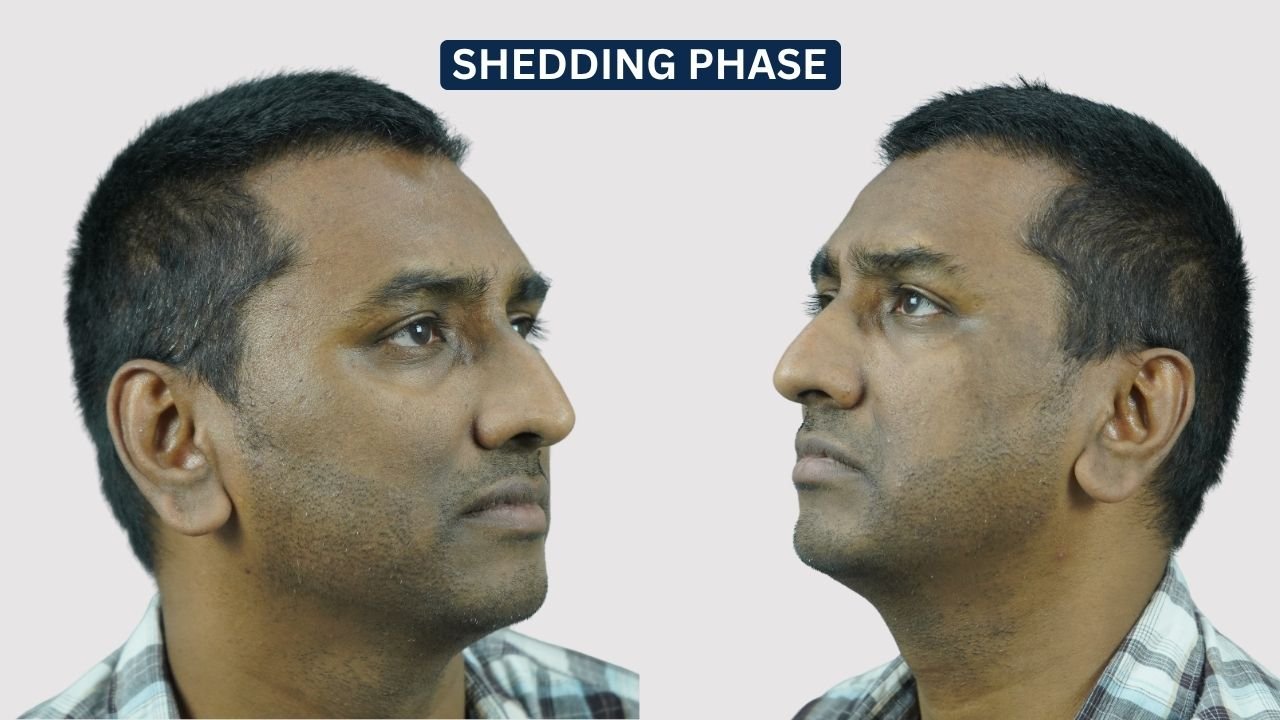
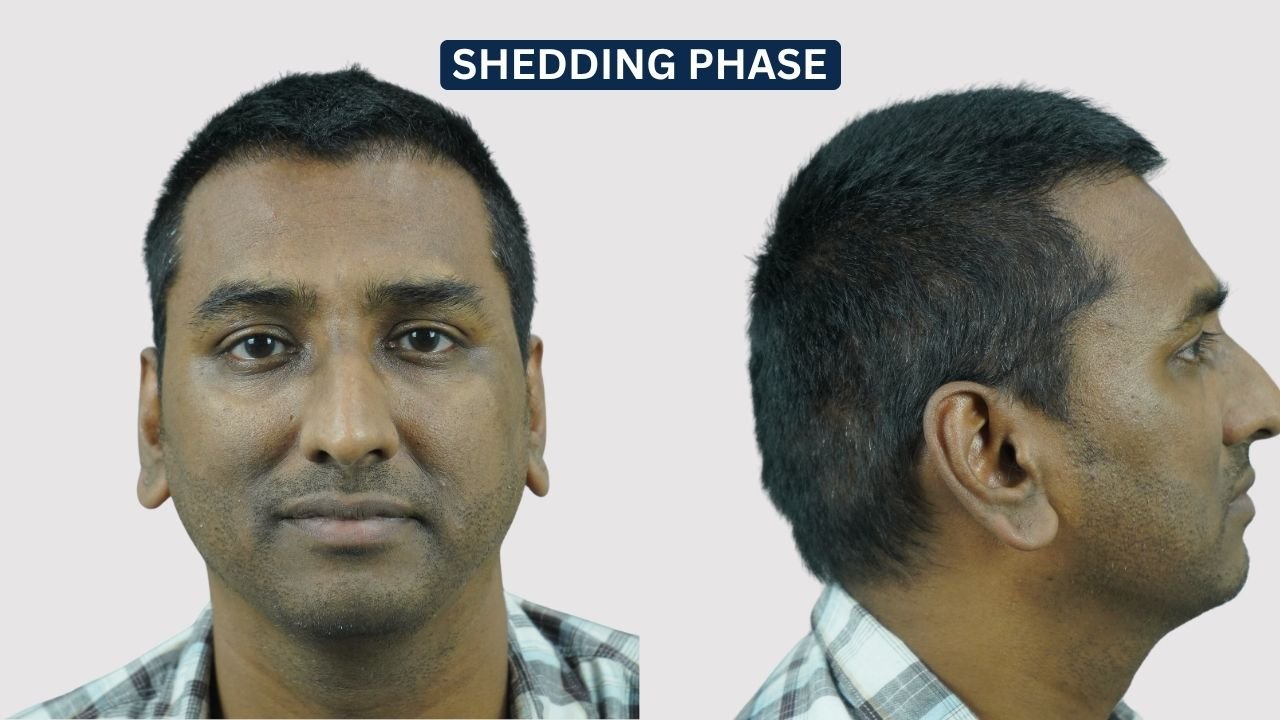
The available documentation confirms the initial transplant procedure and subsequent maintenance recommendations. The supplied information does not include detailed photographic descriptions of each follow-up stage, so the progression below is kept within what can reasonably be stated from the records.

1st Session Hair Transplant – Baseline / Initial Treatment

During the initial treatment phase:

  • Grade 2–3 hair loss was documented.
  • The treatment area and graft requirement were assessed.
  • Approximately 2,200 grafts were initially planned.
  • The I FUE technique was selected.
  • The final procedure documentation records 2,960 grafts transplanted.
  • Graft hair quality was documented as good.
  • Post-operative medications and care instructions were advised.
  • Hair vitamins, Minoxidil, and PRP were included as supportive care.

After transplantation, the patient entered the normal healing and hair-growth cycle.

2nd Session – Early Treatment Progress

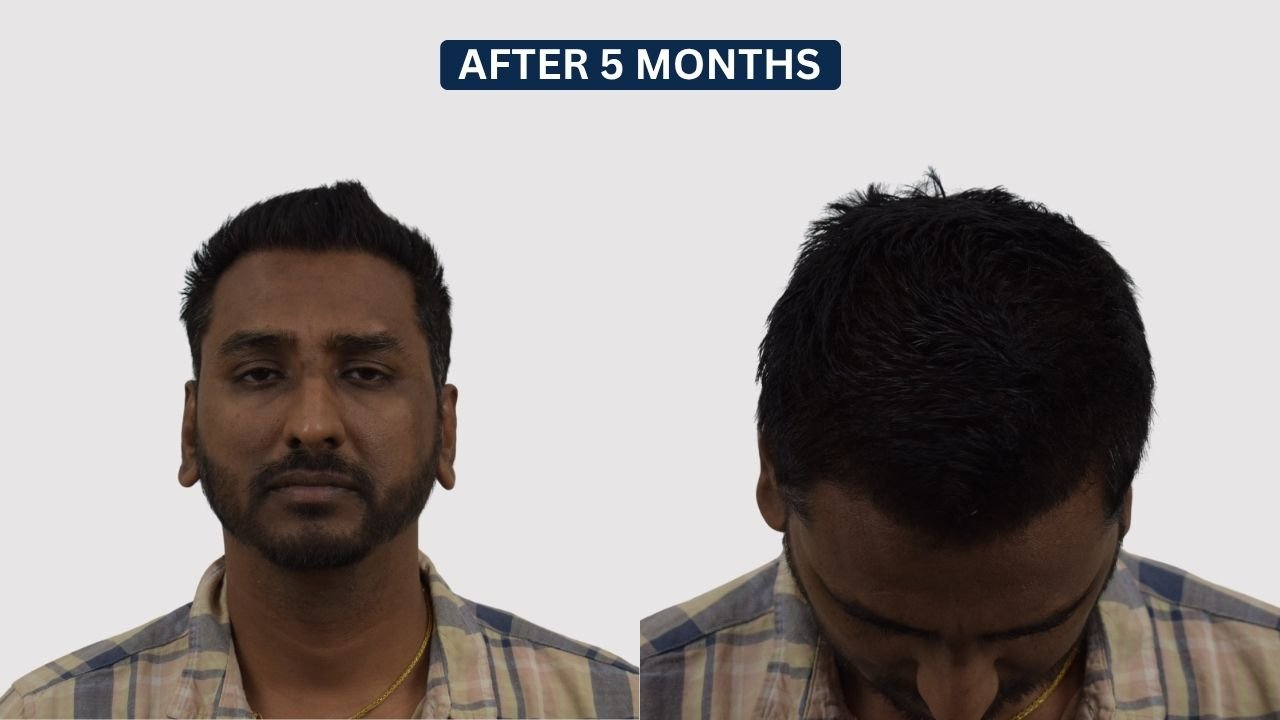
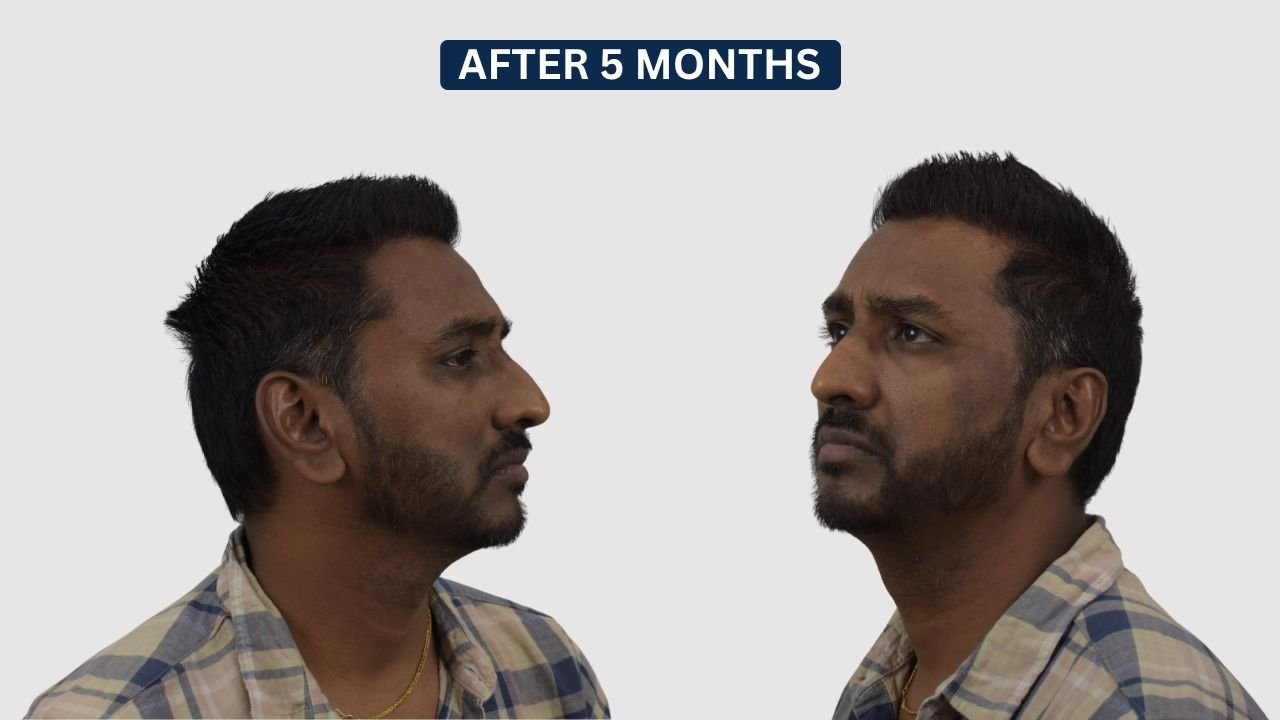
Five Months After Final Documented Treatment

At approximately five months after the final documented beard transplant, the case should be regarded as being in an intermediate growth stage rather than the final result.

At this stage, transplanted facial hairs may be developing progressively, with continued maturation expected over subsequent months. Because detailed five-month clinical or photographic findings were not included in the supplied records, specific claims about the amount of density improvement should not be made without the corresponding follow-up photographs.

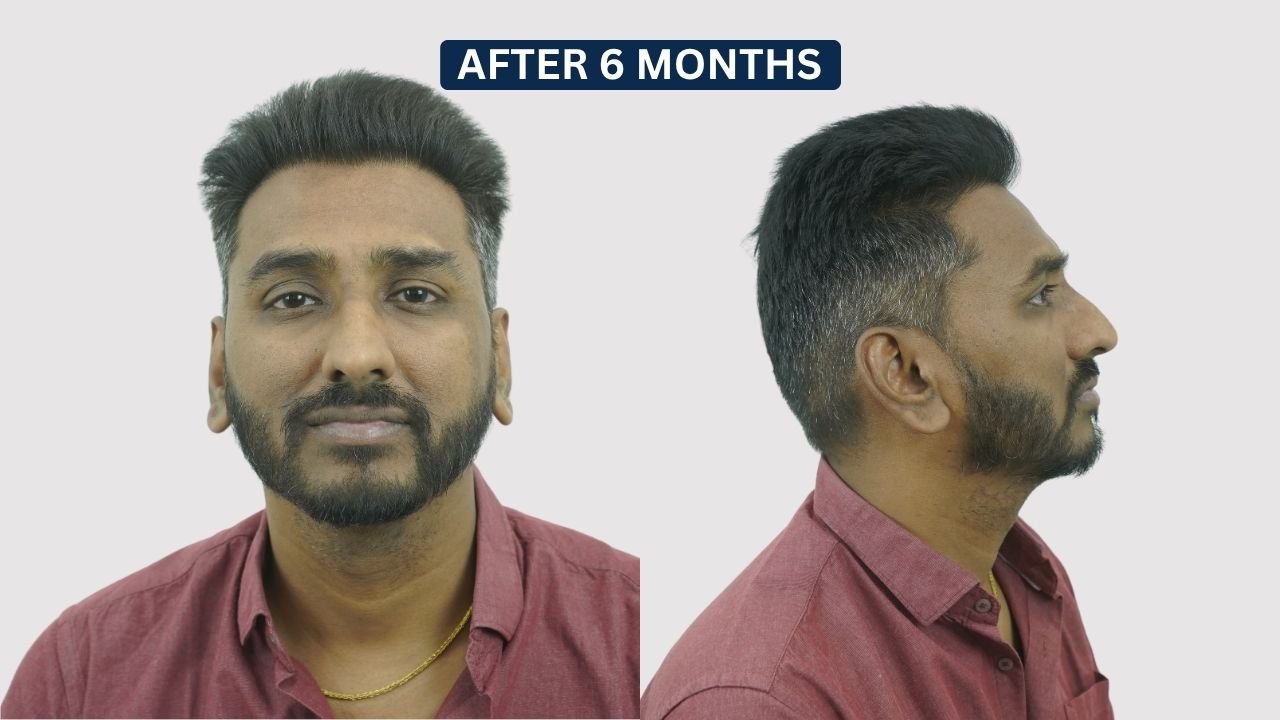
Final Results

A true final beard transplant result cannot be confirmed from the supplied records alone.

The documentation confirms completion of 800 grafts using I FUE, with good graft hair quality and an ongoing maintenance plan. If the available follow-up is at approximately five months, the result should be presented as an intermediate-stage outcome rather than a fully matured final result.

Further beard growth, thickening, and maturation may continue over time.

Patient Outcome & Observation

The patient proceeded with beard restoration using the I FUE technique, and the available treatment record confirms 800 grafts with good graft quality.

Continued follow-up is important for monitoring:

  • Growth of transplanted beard hairs
  • Developing density
  • Hair direction and integration
  • Skin and donor-area recovery
  • Need for additional supportive treatment
  • Long-term beard maintenance

A definitive clinical assessment of the final cosmetic outcome would require later follow-up documentation.

Aftercare & Maintenance

According to the supplied post-treatment instructions, the patient was advised to:

  • Complete prescribed post-hair-transplant medicines for approximately 5–7 days.
  • Begin washing from around the 7th day, according to the doctor’s instructions.
  • Maintain normal sleep and a healthy diet.
  • Avoid excessive sunlight and strenuous exercise for approximately 10–15 days.
  • Use a loose cap when going outside for approximately one month, where appropriate.
  • Maintain a healthy hair-supportive diet.
  • Follow a good lifestyle.
  • Use Minoxidil or maintenance serum when advised.
  • Continue hair vitamins when prescribed.
  • PRP may be used as supportive treatment when clinically advised.
  • Consult the clinic or doctor if increased hair fall or any other concerns develop.

For a beard transplant specifically, facial washing and grooming instructions should follow the treating doctor’s individual recommendations.

The Change: A New Beginning

For this patient, the Beard BIG-FUE hair transplant journey focused on improving patchy beard growth and enhancing overall facial hair density.

The procedure involved carefully extracting healthy hair follicles from the donor area and transplanting them into the beard region to create a more natural and balanced appearance. The grafts were strategically placed according to the desired beard shape, existing facial hair pattern, and individual growth needs.

Throughout the recovery period, the patient followed the recommended post-transplant care and attended regular follow-ups to monitor healing and beard growth. Over time, the transplanted hair developed naturally, helping improve beard coverage, definition, and overall facial appearance.

What Our Patients Says

Why Choose Dr. Kiran Chotaliya for PRP Hair Treatment

  • Expert Beard Restoration Care: Dr. Kiran Chotaliya provides personalized BIG FUE beard transplant plans based on the patient’s beard pattern, patchy areas, donor hair quality, facial structure, and desired beard shape.
  • Customized Beard Transplant Planning: The number of grafts, beard design, treatment area, and session plan are decided according to existing facial hair density and individual restoration goals.
  • Precise BIG FUE Graft Placement: Hair follicles are carefully extracted and implanted into targeted beard areas while maintaining the natural angle and direction of facial hair growth.
  • Focus on Natural Beard Density: Treatment is planned to improve patchy or sparse beard areas while creating balanced coverage and a natural-looking beard outline.
  • Supportive Post-Transplant Care: When required, beard transplant care may include doctor-advised medicines, vitamins, Minoxidil or maintenance products, and PRP as supportive treatment.
  • Regular Follow-Up & Maintenance: Follow-up assessments help monitor graft healing, beard growth, density development, and overall maturation, with aftercare adjusted according to the patient’s progress.
drkiranchotaliya

FAQ'S

1. How many grafts were transplanted in this case?

The initial treatment plan estimated approximately 2,200 grafts, while the final procedure record documents 2,960 grafts transplanted.

The documented technique used in this case was I FUE.

The patient’s treatment plan records Grade 2–3 hair loss.

No. A five-month follow-up is generally considered an intermediate stage. Hair density, thickness, and overall maturation may continue to improve over the following months.

The documented maintenance plan included a healthy diet and lifestyle, hair vitamins, Minoxidil or maintenance serum, and PRP when advised, along with regular follow-up if increased hair fall or other concerns occur.

Hair Transplant in Pune

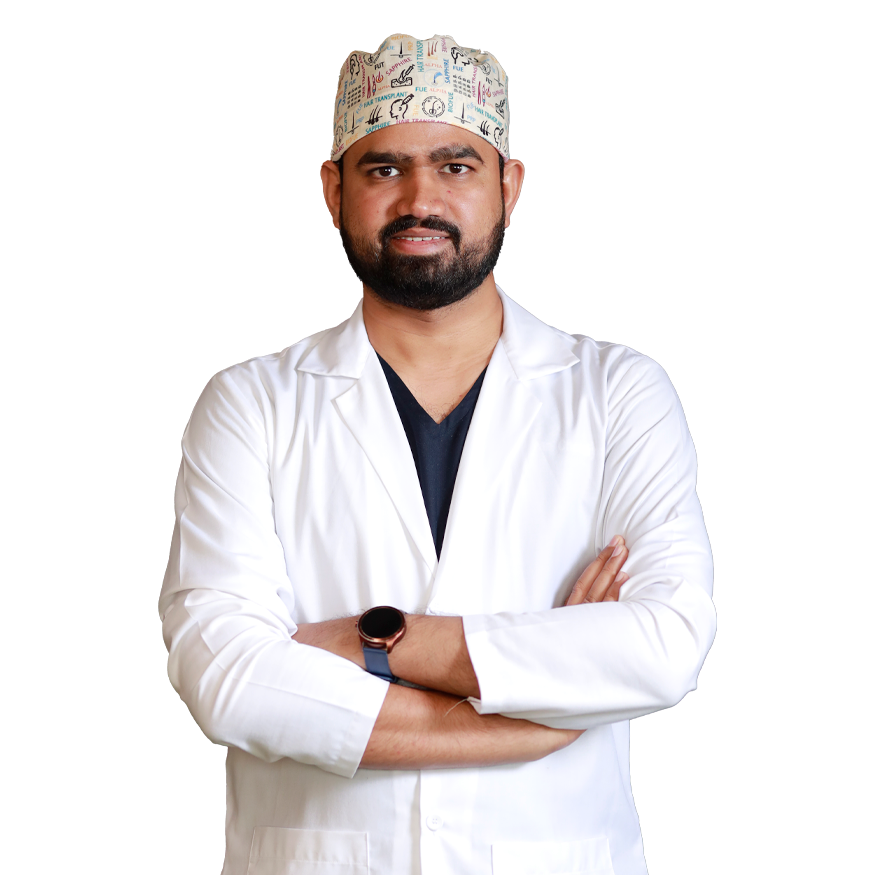
Dr. Kiran Chotaliya is a leading hair transplant surgeon in Pune, specializing in advanced techniques like FUE and FUT for natural, lasting results. His expertise and patient-centered care ensure successful hair restoration with exceptional outcomes.

Follow Us

GET IN TOUCH

© 2026 Developed & Handle By Dr. Kiran Chotaliya Clinic Team

Location

© 2026 Developed & Handle By Dr. Kiran Chotaliya Clinic Team

Scroll to Top