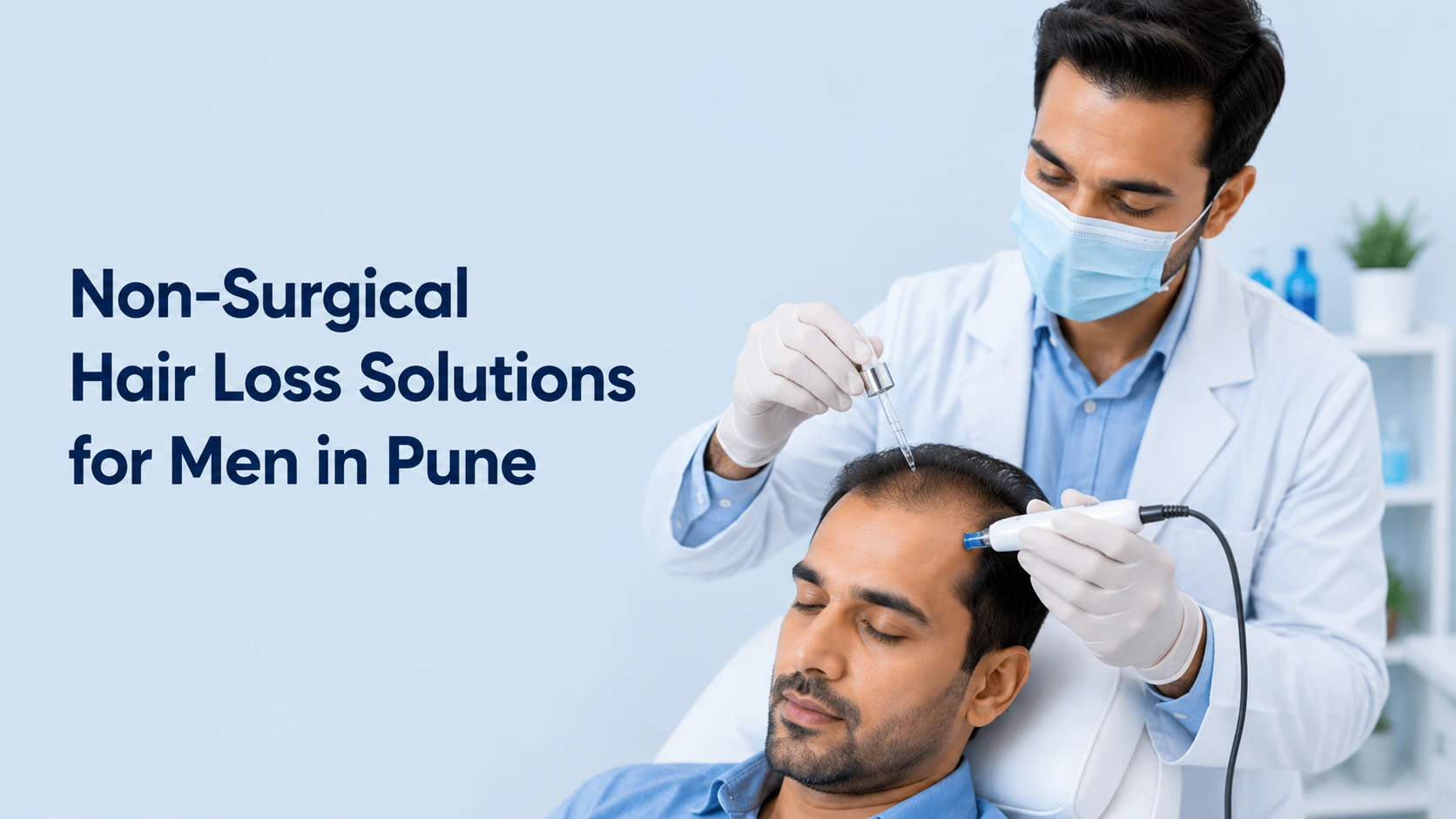
Hair transplant surgery has become one of the most trusted and effective solutions for hair loss. Modern techniques like FUE (Follicular Unit Extraction) offer natural-looking results with minimal downtime. However, many people still ask an important question — “can hair transplant surgery be dangerous?”
The simple answer is that hair transplant procedures are generally safe when performed by an experienced and qualified surgeon. Serious complications are extremely rare, but like any medical procedure, there are certain risks patients should understand before undergoing treatment.
If you are considering a Hair Transplant in Pune, knowing the possible risks, side effects, and safety measures can help you make an informed decision.
Hair transplant surgery is considered a minimally invasive cosmetic procedure. In most cases, patients recover smoothly and resume normal activities within a few days.
Modern FUE hair transplant procedures are performed under local anesthesia, which significantly reduces major surgical risks. Clinics that follow proper sterilization protocols and medical guidelines maintain a very high safety record.
The biggest factor affecting safety is choosing a qualified hair transplant surgeon and a well-equipped clinic.
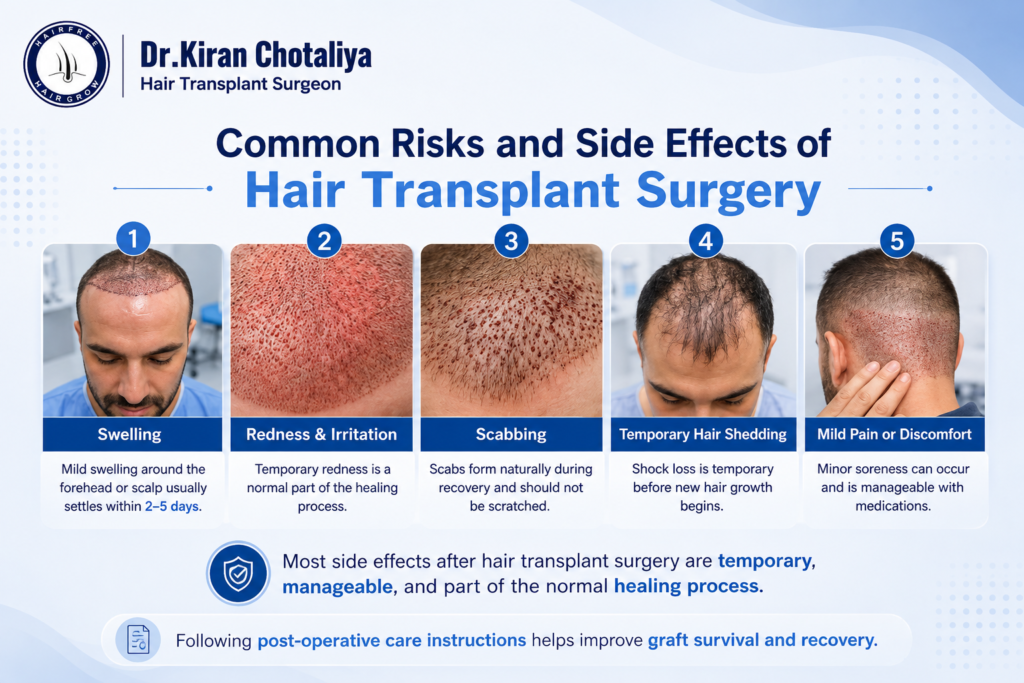
Most side effects after a hair transplant are temporary and manageable. These include:
Mild swelling around the forehead or scalp is common after surgery. It usually disappears within 2 to 5 days.
The transplanted area may appear slightly red for a few days after the procedure. This is part of the natural healing process.
Tiny scabs form around implanted grafts during healing. Patients should avoid scratching the scalp to protect graft survival.
Many patients experience “shock loss,” where transplanted hair sheds before new growth begins. This is temporary and expected.
Some patients feel mild soreness in the donor or recipient area, which can be controlled with prescribed medications.
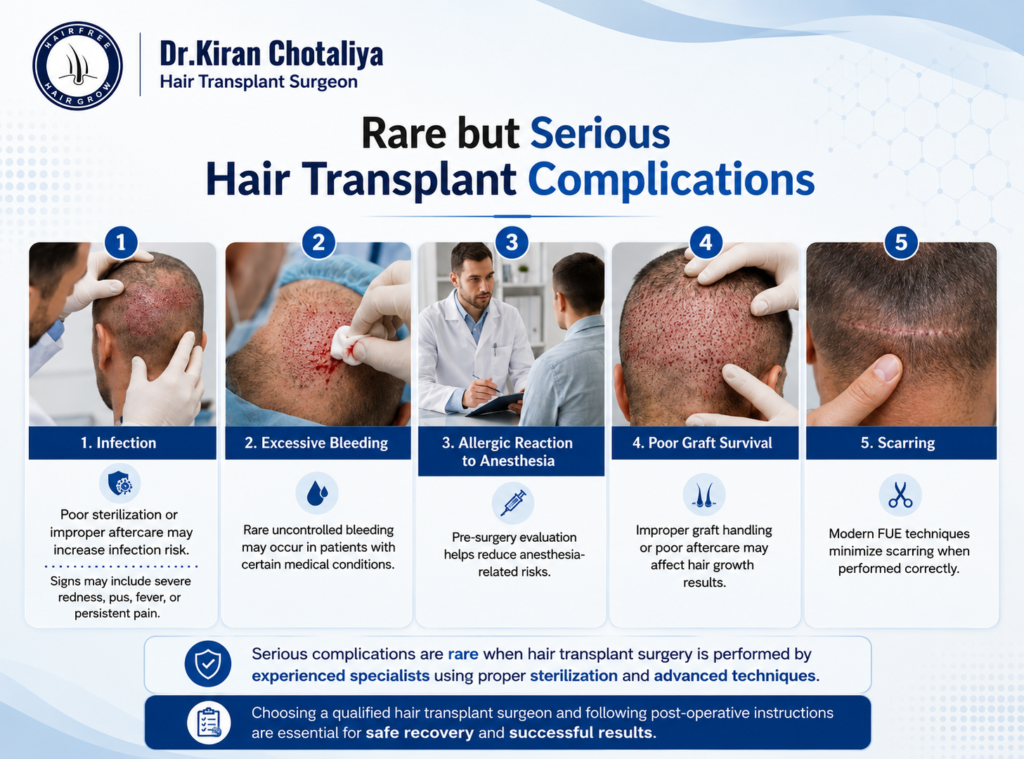
Although uncommon, serious complications may occur if the procedure is performed improperly or in unhygienic conditions.
Poor sterilization or improper aftercare can increase infection risk. Signs may include severe redness, pus, fever, or persistent pain.
Minor bleeding is normal during surgery, but uncontrolled bleeding may occur in rare cases, especially in patients with medical conditions or blood-thinning medications.
Local anesthesia is generally safe, but some individuals may experience allergic reactions. This is why pre-surgery medical evaluation is important.
If grafts are handled incorrectly or the patient does not follow post-operative instructions, hair growth results may be affected.
Modern FUE hair transplant techniques minimize scarring, but inexperienced procedures may leave visible marks.
Deaths directly caused by hair transplant surgery are extremely rare worldwide. In most reported cases, complications were linked to:
Hair transplant surgery itself is not considered a life-threatening procedure when performed in a certified medical facility under expert supervision.
This is why selecting an experienced hair transplant specialist in Pune is essential for both safety and successful results.
Patients can greatly improve safety by following a few important precautions.
Always verify:
Inform your doctor about:
Proper aftercare plays a major role in healing and graft survival.
Patients should:
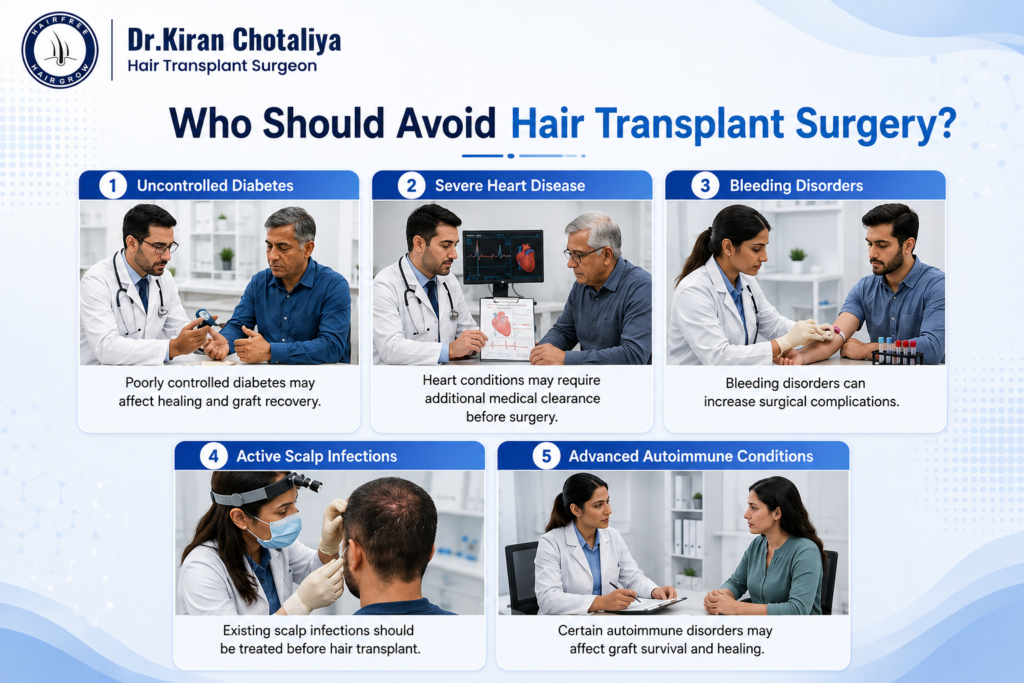
Hair transplant may not be suitable for everyone. Patients with certain medical conditions may require additional evaluation before surgery.
These include:
A proper consultation helps determine whether you are a safe candidate for treatment.
Hair transplant surgery is generally a safe and effective solution for hair loss when performed by an experienced specialist using advanced techniques. While temporary side effects are common, serious complications are rare in professional medical settings.
Choosing a trusted clinic, following aftercare instructions, and undergoing proper medical evaluation are the best ways to ensure safe and successful results.
If you are planning a Hair Transplant in Pune, consulting an experienced hair restoration expert can help you understand the procedure, risks, and expected outcomes in detail.
Hair transplant surgery is generally safe when performed by a qualified and experienced surgeon in a certified clinic.
Yes, poor graft handling, infections, or improper aftercare may affect results. Choosing an experienced surgeon reduces this risk.
The most common risks are infection, swelling, temporary shedding, and poor graft survival if proper care is not followed.
FUE is considered less invasive and usually involves faster healing with minimal scarring compared to FUT.
Most patients recover within 7 to 14 days, while full hair growth results may take several months.
Dr. Kiran Chotaliya is a leading hair transplant surgeon in Pune, specializing in advanced techniques like FUE and FUT for natural, lasting results. His expertise and patient-centered care ensure successful hair restoration with exceptional outcomes.
© 2026 Developed & Handle By Dr. Kiran Chotaliya Clinic Team
© 2026 Developed & Handle By Dr. Kiran Chotaliya Clinic Team