
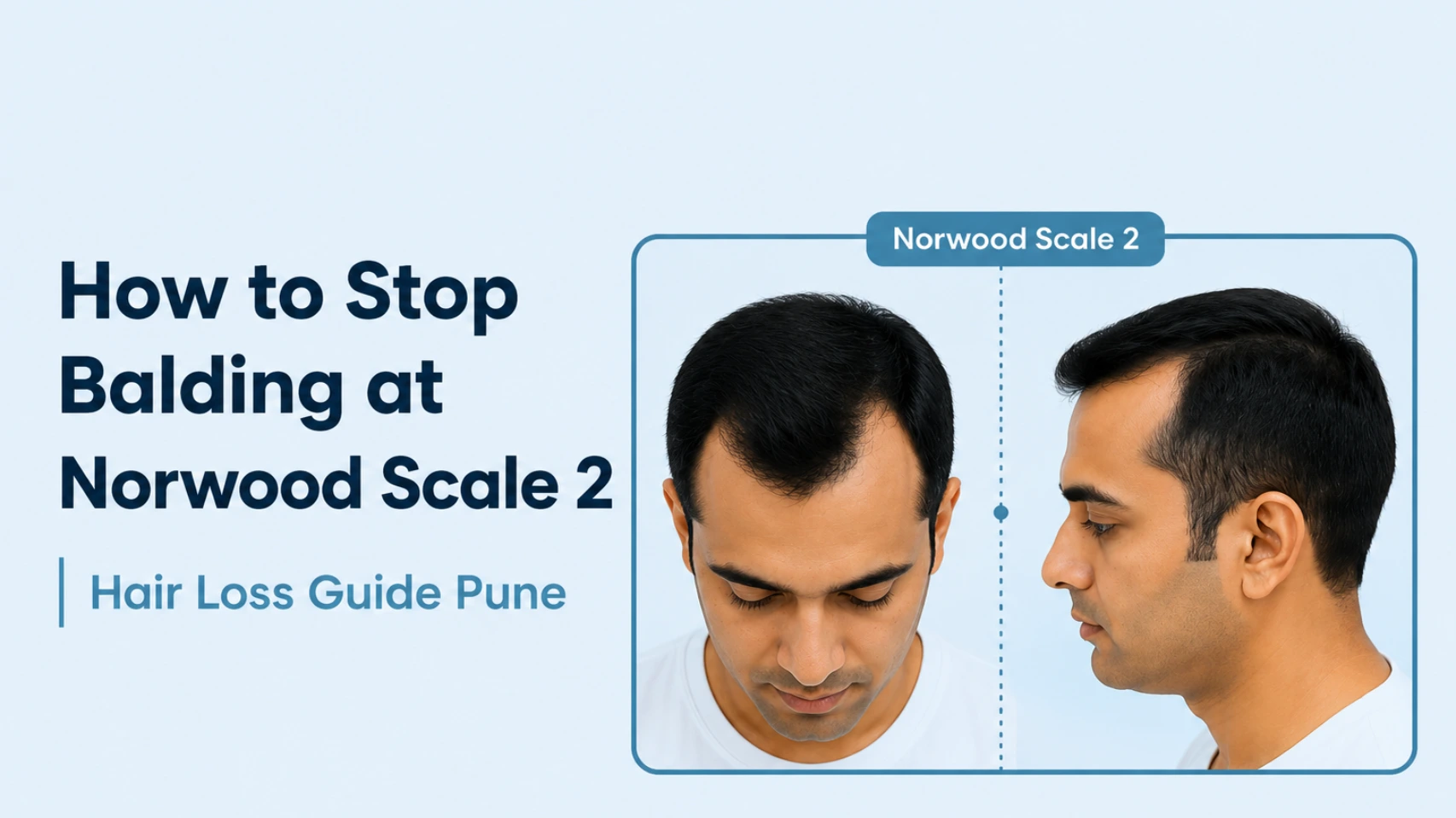
Hair loss often starts subtly. A slightly receding hairline, thinning around the temples, or a change in your hair’s density may seem insignificant at first. However, these early signs can indicate the beginning of male pattern baldness. If you’ve noticed these changes, understanding Norwood Scale 2 is essential for taking action before hair loss progresses further.
This hair loss guide Pune explains what Norwood Scale 2 means, how to recognize the signs, and the treatment options available to help preserve your hair and confidence.
Is Hair Transplant Permanent, Hair transplant growth after surgery, Hair Transplant In Pune, dr. kiran chotaliya clinic, Is Hair Transplant Permanent, Hair transplant growth after surgery, Hair Transplant In Pune, dr. kiran chotaliya clinic,Is Hair Transplant Permanent, Hair transplant growth after surgery, Hair Transplant In Pune, dr. kiran chotaliya clinic
The Norwood Scale is the most widely used classification system for male pattern baldness. It measures the progression of hair loss from mild recession to advanced baldness.
At Norwood Scale 2, the hairline begins to recede slightly around the temples, creating a subtle M-shaped appearance. While some men naturally develop a mature hairline as they age, noticeable temple recession may indicate the early stages of androgenetic alopecia, commonly known as male pattern baldness.
According to this Hair Loss Guide Pune, Norwood Scale 2 is one of the best stages to begin treatment because hair follicles are still active and responsive to medical interventions.
Recognizing hair loss early can make a significant difference in treatment outcomes. Common signs include:
Many men dismiss these signs as normal aging. However, this Hair Loss Guide Pune recommends consulting a hair restoration specialist if you notice progressive changes over several months.
Hair follicles gradually shrink during the balding process. Once a follicle becomes inactive, regrowing hair becomes much more difficult.
Treating Norwood Scale 2 early offers several advantages:
The earlier you seek professional advice, the better your chances of preserving your natural hairline. Norwood Scale 2 hair loss treatment in Pune focuses on early intervention, helping slow hair loss progression and maintain healthy hair growth with personalized treatment options.
Several factors can contribute to early hairline recession:
Genetics
Hereditary factors are the most common cause of male pattern baldness. If close family members experienced hair loss, your risk may be higher.
Hormonal Changes
Dihydrotestosterone (DHT), a hormone derived from testosterone, can shrink susceptible hair follicles and shorten the hair growth cycle.
Stress
Chronic stress can accelerate hair shedding and worsen existing hair loss conditions.
Lifestyle Factors
Poor nutrition, smoking, inadequate sleep, and certain medical conditions may contribute to hair thinning.
This Hair Loss Guide Pune emphasizes the importance of identifying the underlying cause before beginning treatment.
Several treatment options can help stop balding at Norwood Scale 2, slowing hair loss progression and effectively managing hair thinning during the early stages.
Medical Therapy
Dermatologists may recommend clinically proven medications that help reduce hair loss and support hair growth. These treatments are often most effective when started early.
PRP Therapy
Platelet-Rich Plasma (PRP) therapy uses growth factors from your own blood to stimulate hair follicles and improve hair density.
Growth Factor Concentrate (GFC) Therapy
GFC treatment is an advanced regenerative procedure that delivers concentrated growth factors directly to the scalp to support healthier hair growth.
Lifestyle Modifications
Improving nutrition, managing stress, and maintaining a healthy lifestyle can support overall scalp and hair health.
According to this hair loss guide Pune, combining medical treatments with healthy lifestyle habits often produces the best results.
Most patients at Norwood Scale 2 do not immediately require a hair transplant. Since hair loss is still in its early stages, doctors typically focus on preserving existing hair through medical and regenerative treatments.
However, individuals with significant temple recession or specific cosmetic concerns may be evaluated for hair restoration procedures after a thorough consultation.
A personalized assessment is essential to determine the most suitable Norwood Scale 2 hair loss treatment in Pune, ensuring a customized approach based on your hair loss pattern and long-term restoration goals.
You should consider seeking professional advice if:
This Hair Loss Guide Pune recommends consulting an experienced hair restoration specialist as soon as you notice early signs of hairline recession. Seeking Norwood Scale 2 hair loss treatment in Pune at an early stage can help slow hair loss progression and preserve your natural hairline.
Norwood Scale 2 represents one of the earliest stages of male pattern baldness, making it the ideal time to take preventive action. Early diagnosis and treatment can help preserve existing hair, slow progression, and improve long-term outcomes.
Norwood Scale 2 hair loss treatment in Pune focuses on early intervention to slow hair loss progression and preserve your existing hair. With timely diagnosis and a personalized treatment plan, many individuals can maintain a natural hairline and reduce the need for more extensive procedures in the future.
If you are noticing the signs of male pattern baldness Stage 2, seeking early stage hair loss treatment in Pune can make a significant difference in preserving your hair. Consulting an experienced hair restoration specialist allows you to receive customized treatment recommendations that support healthier hair growth and long-term results.
Norwood Scale 2 refers to the earliest noticeable stage of male pattern baldness, where a mild recession occurs at the temples, forming a subtle “M” or “V” shape hairline.
Yes, early intervention with medications (like DHT blockers and topical solutions), PRP therapy, or lifestyle changes can slow, halt, or even partially reverse hair loss at this stage.
Not always. Many people manage successfully with medical treatments. A hair transplant may be considered if temple recession is more visible or if you want a stronger, permanent hairline definition.
Yes, maintaining a healthy diet, managing stress, avoiding smoking, and ensuring proper scalp care can all support better hair health, although they won’t fully stop genetic balding.

A free experts curated guide that clears all your doubts
about Costs, Results, Pain, Recovery and much more.
Dr. Kiran Chotaliya is a leading hair transplant surgeon in Pune, specializing in advanced techniques like FUE and FUT for natural, lasting results. His expertise and patient-centered care ensure successful hair restoration with exceptional outcomes.
© 2026 Developed & Handle By Dr. Kiran Chotaliya Clinic Team
© 2026 Developed & Handle By Dr. Kiran Chotaliya Clinic Team