
Best Hair Transplant in Pune: NW3 Baldness Result with BIG-FUE Technique

Best Hair Transplant in Pune: NW3 Baldness Result with BIG-FUE Technique

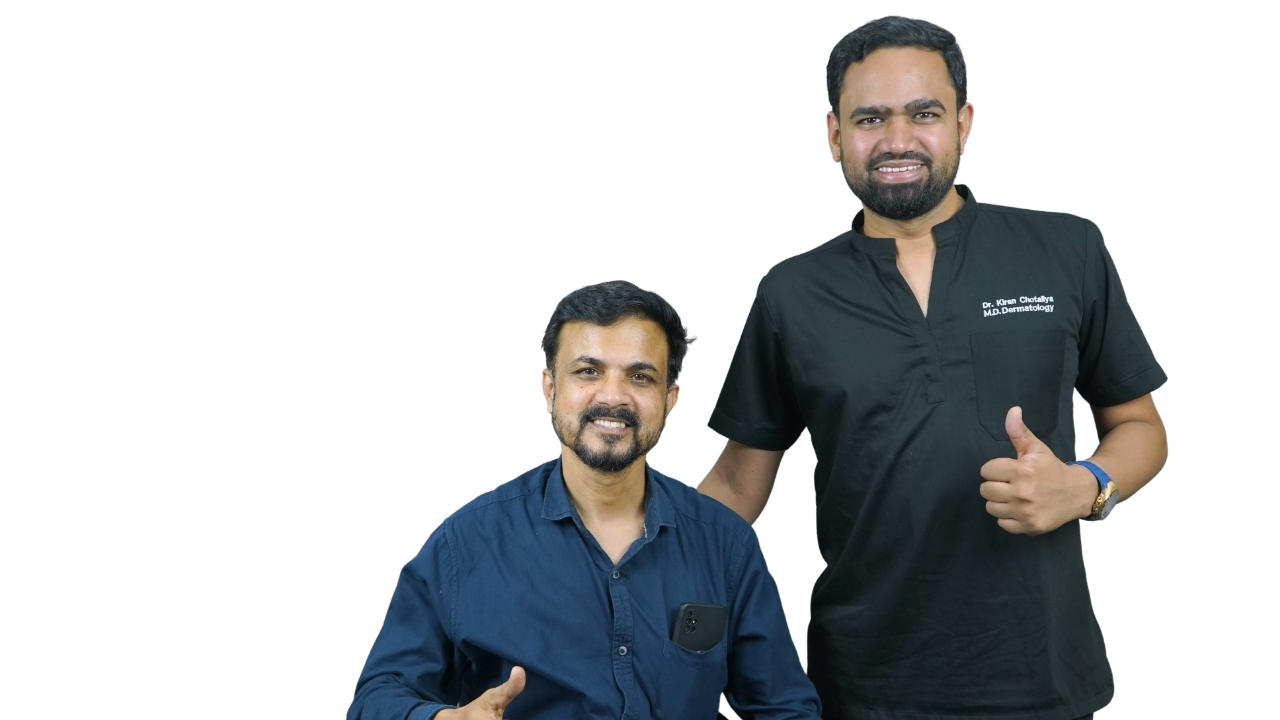
Written by: Dr. Kiran Chotaliya Editorial Team  ·  Reviewed by: Dr. Kiran Chotaliya, M.D. Dermatologist & Chief Hair transplant Surgeon  ·  Hairfree & Hairgrow Clinics, India  ·  Updated June 2026

A failed hair transplant can be emotionally and financially exhausting. However, with the right diagnosis, advanced surgical planning, and an experienced hair transplant surgeon, many patients can still achieve natural-looking results.

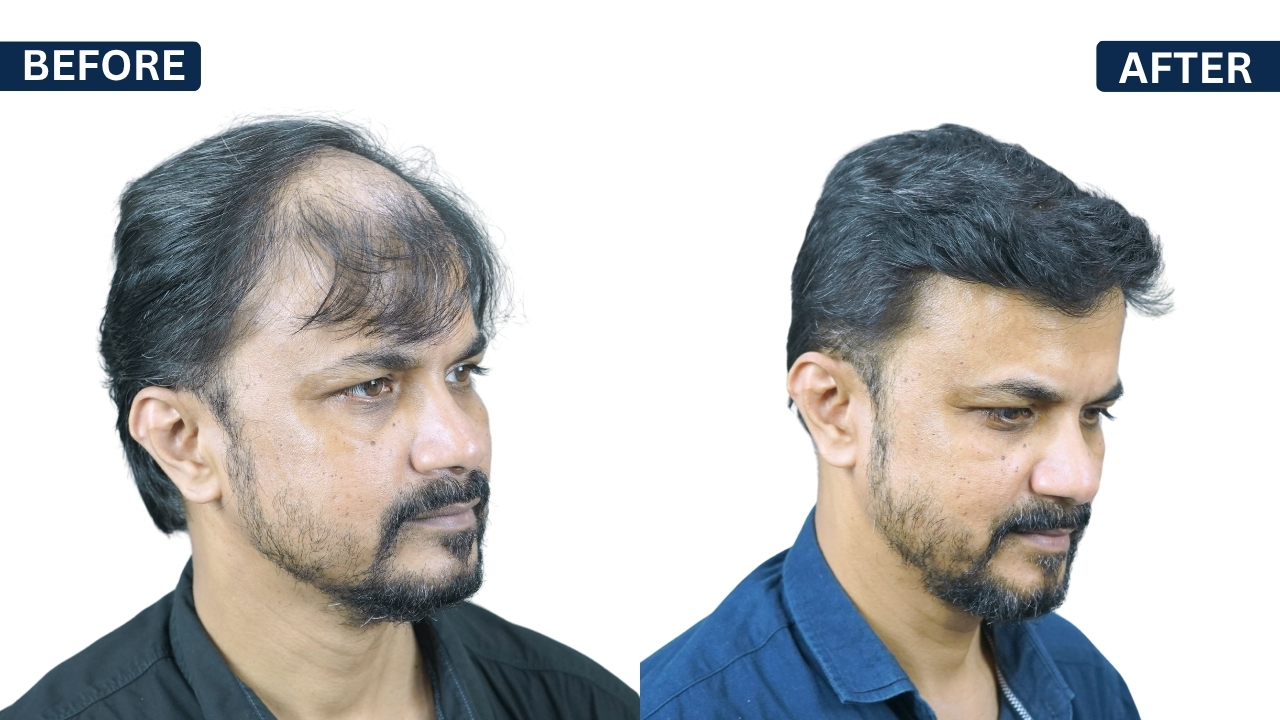
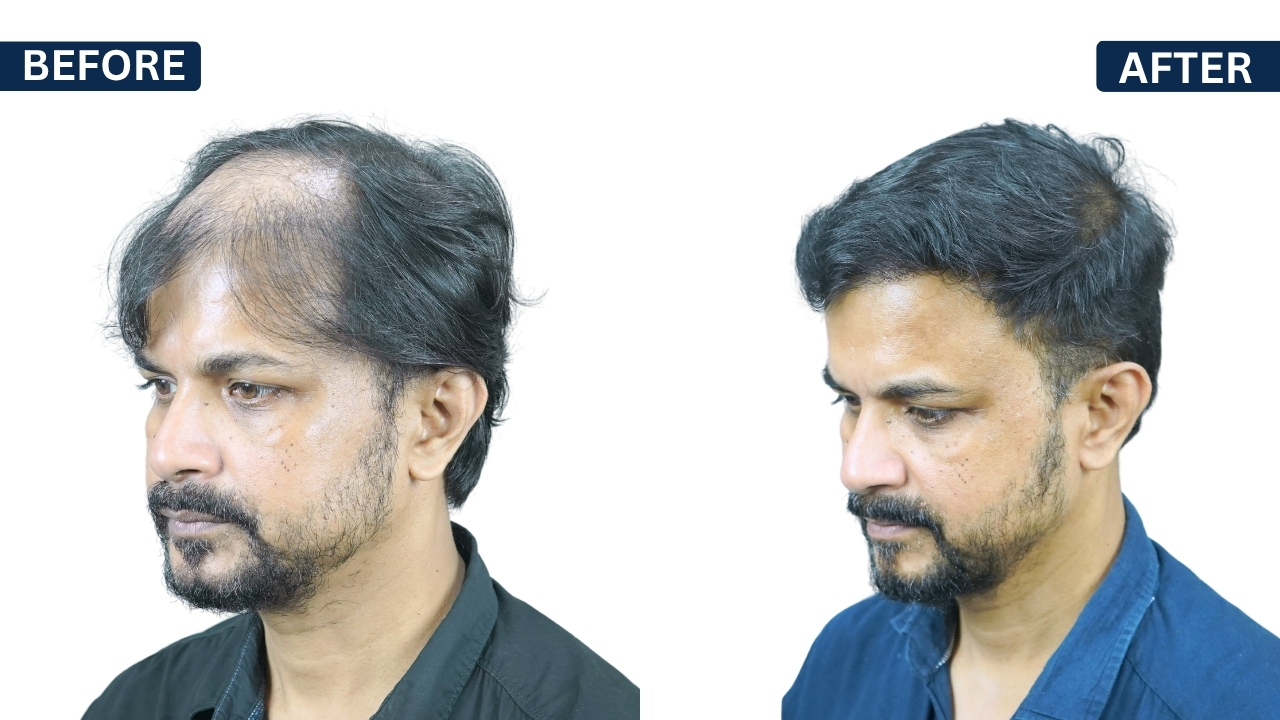
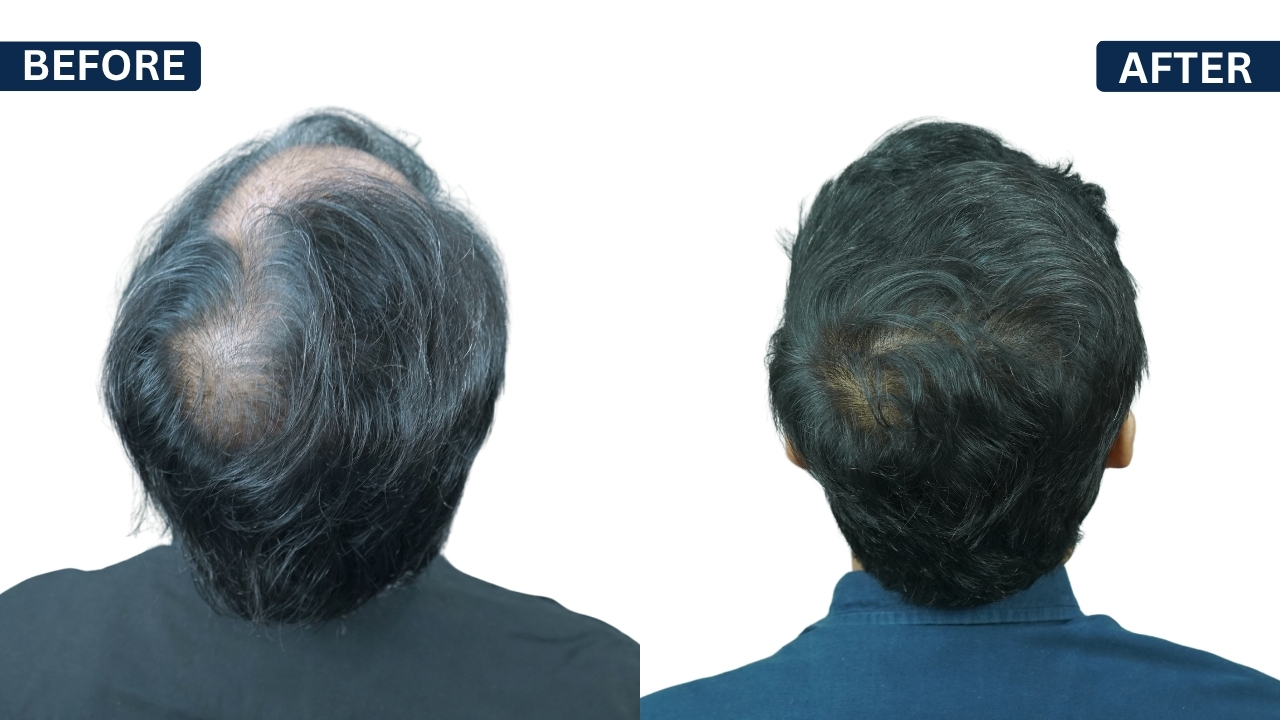
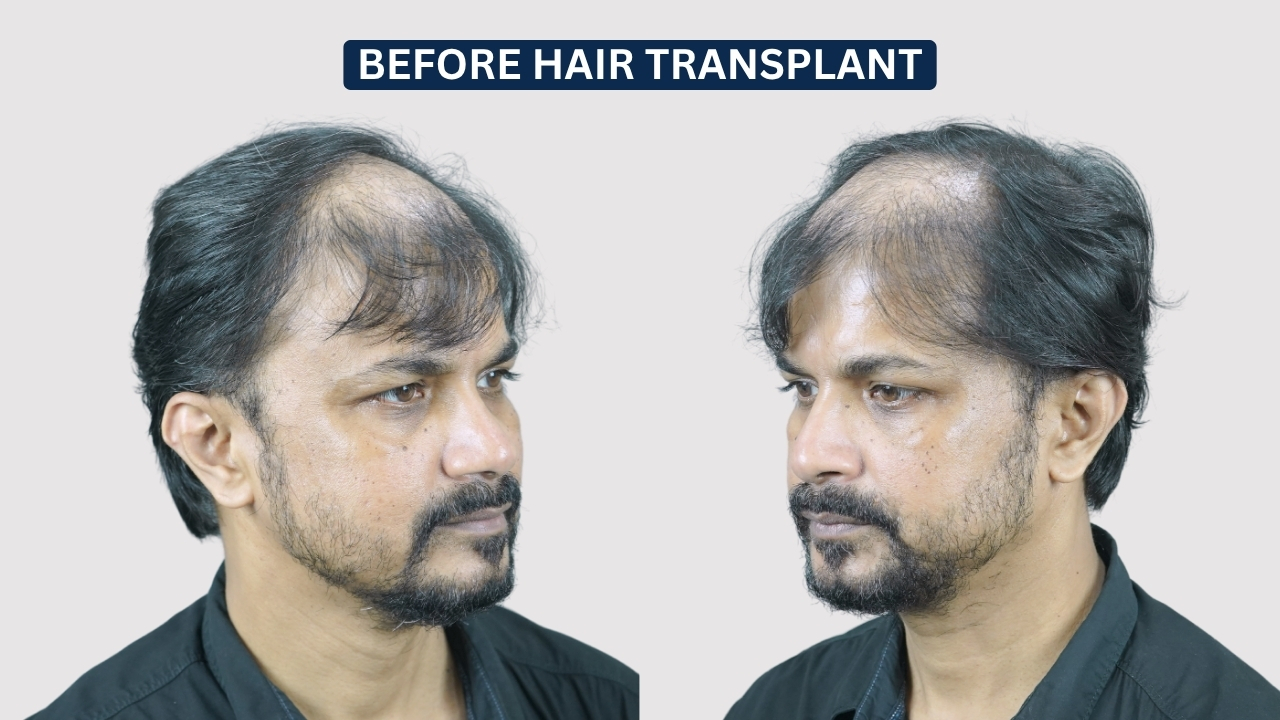
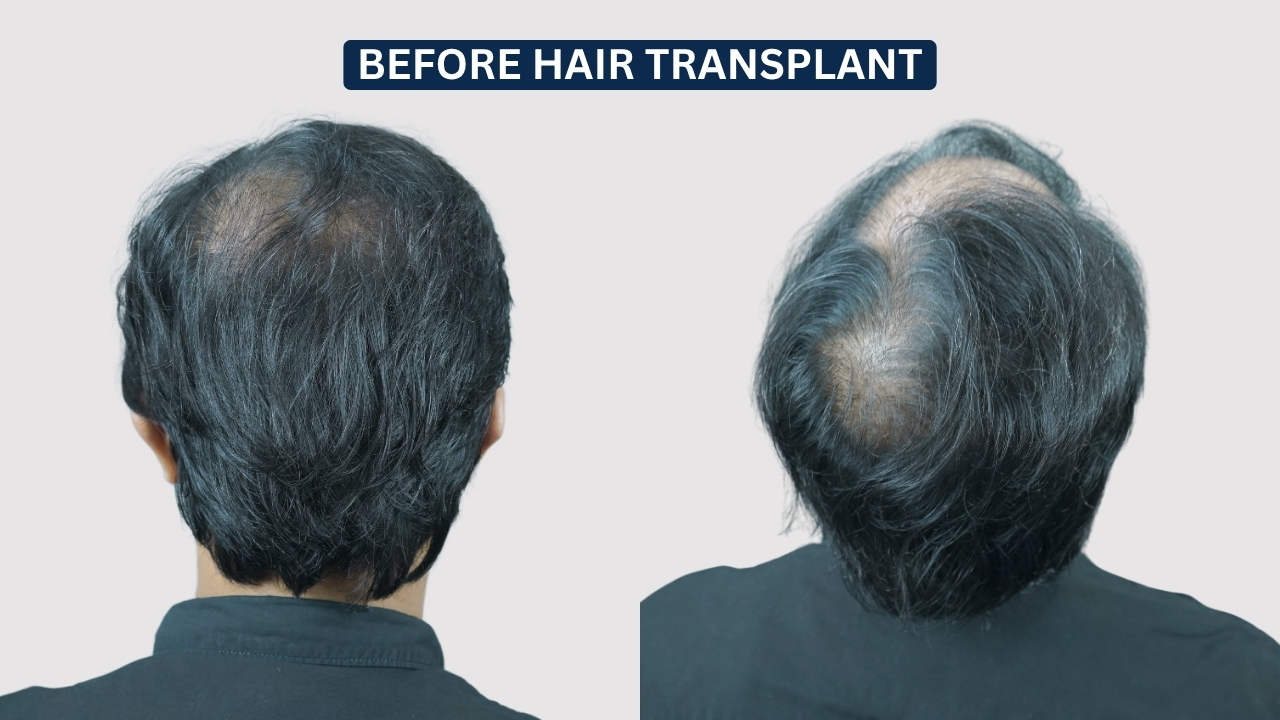
This case study highlights the successful correction of a 47-year-old patient who underwent two previous unsuccessful hair transplant procedures (FUT and FUE) before visiting Hairfree & Hairgrow Clinic in Pune. Using the BIG-FUE technique, Dr. Kiran Chotaliya successfully restored natural hair density and improved the patient’s appearance.

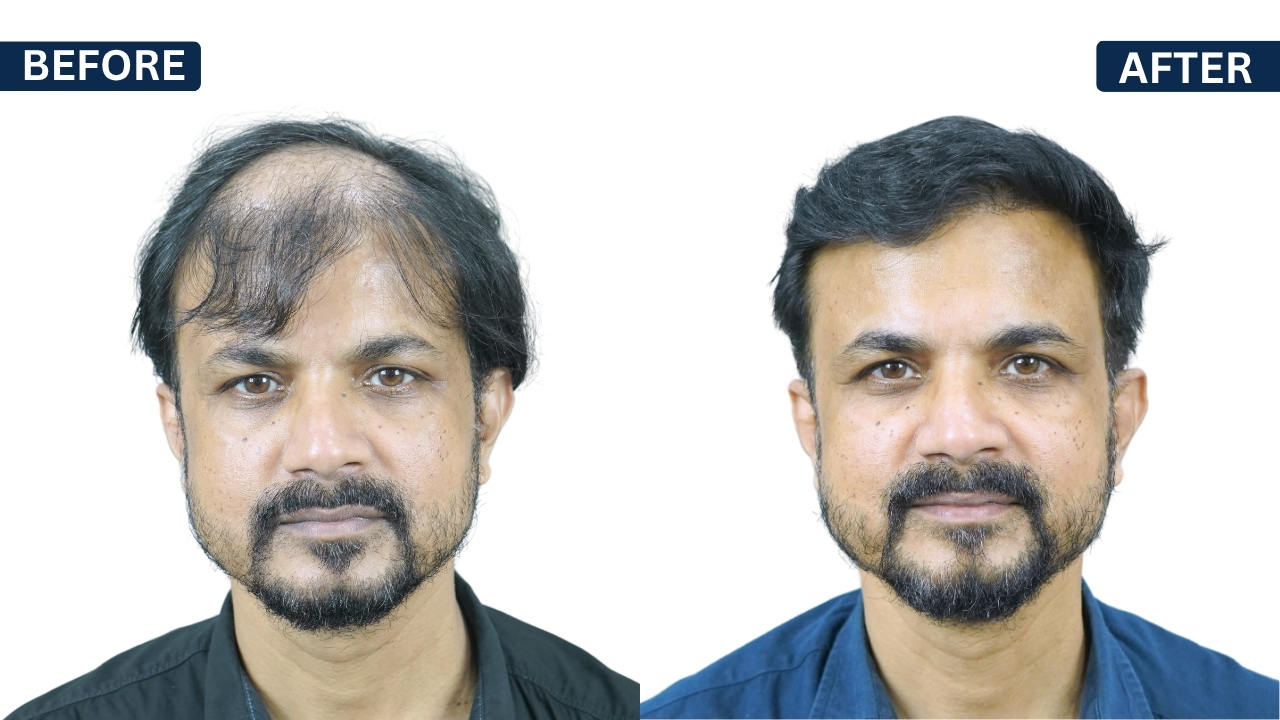
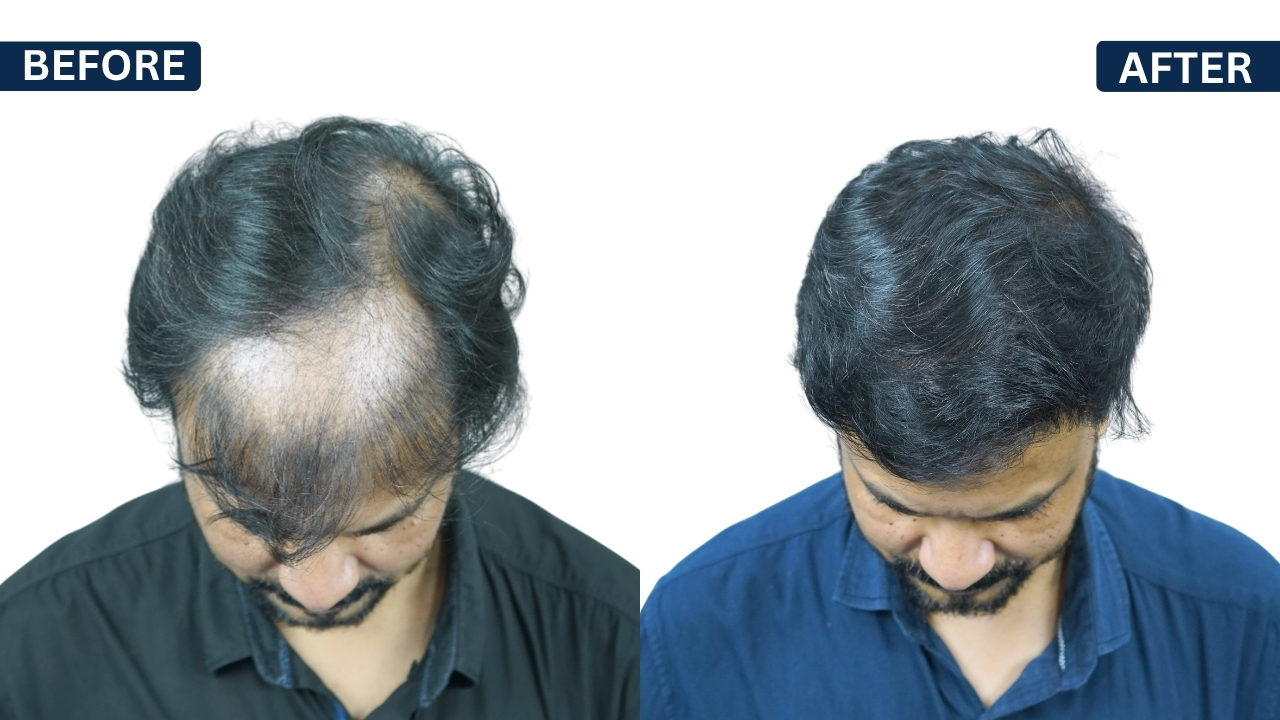
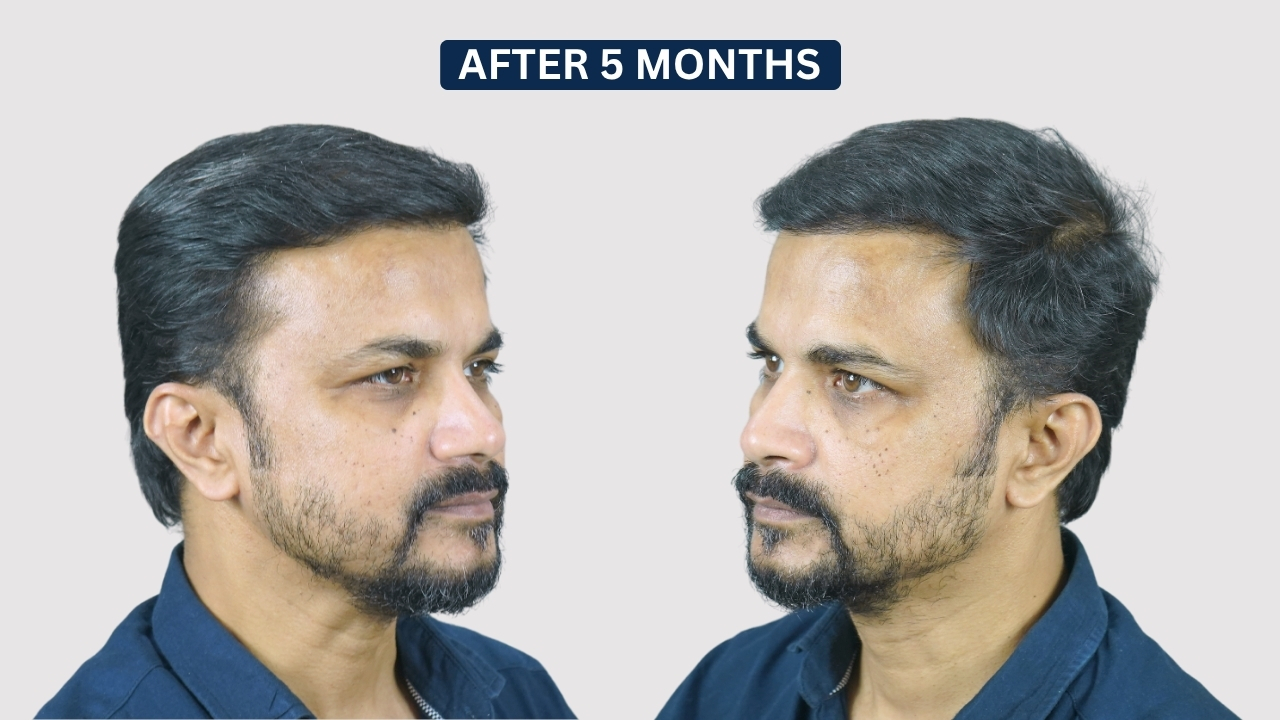
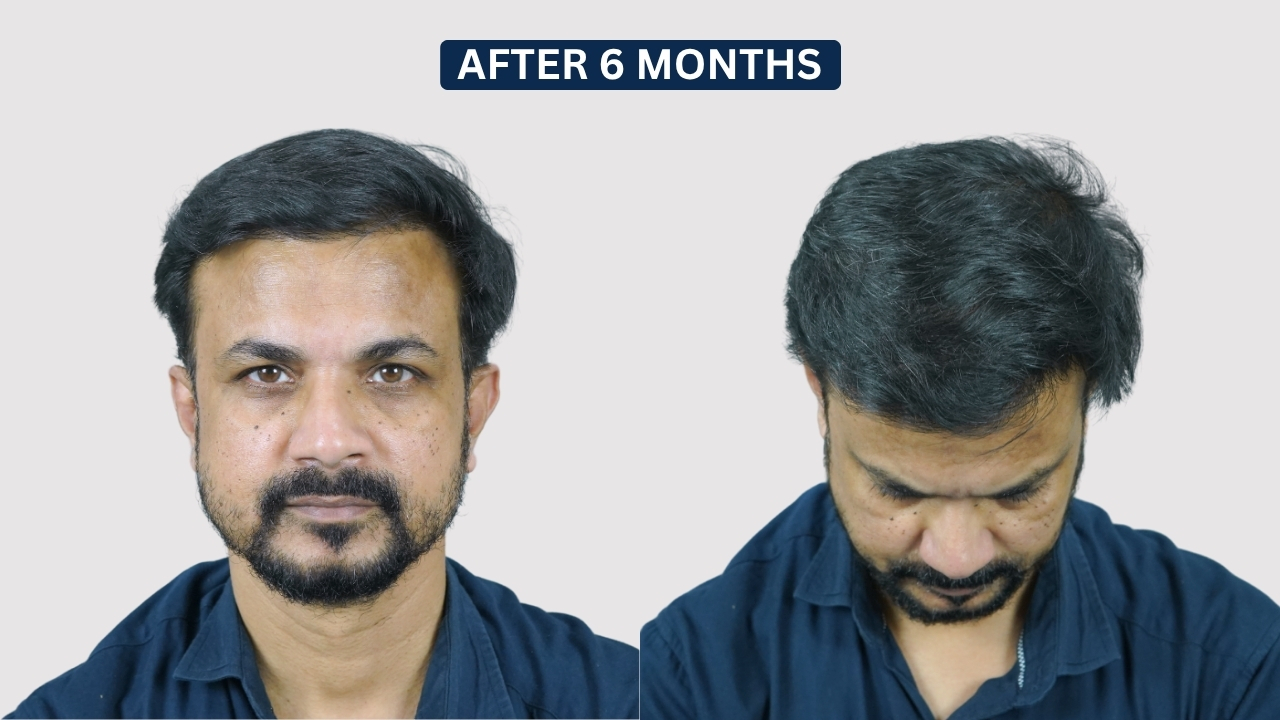
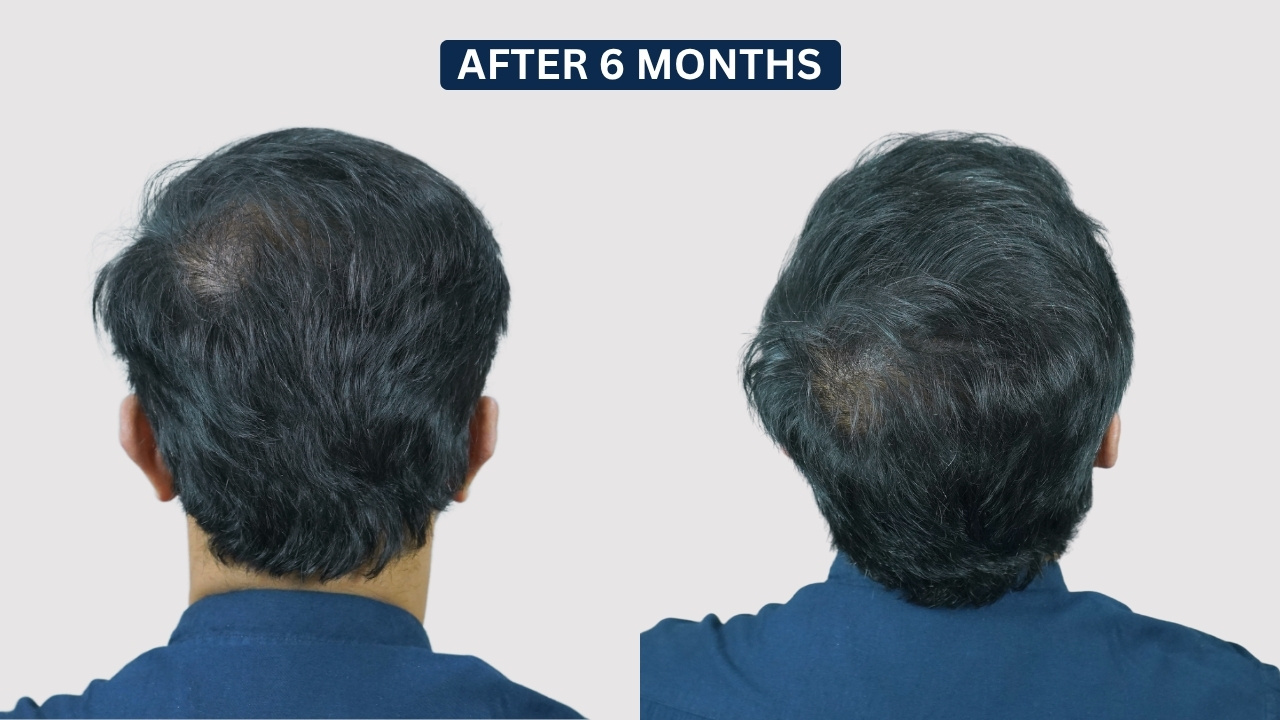
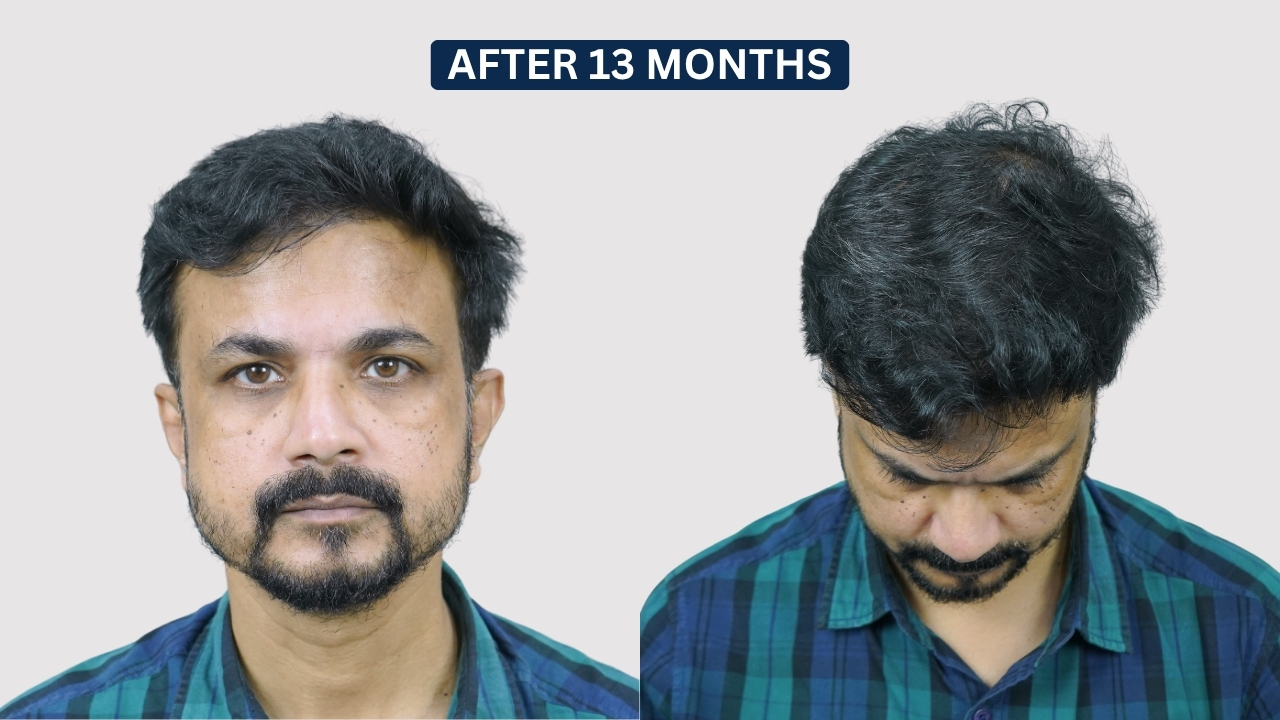
See a real corrective hair transplant result performed using BIG-FUE by Dr. Kiran Chotaliya at Hairfree & Hairgrow Clinic, Pune.

Patient Consent Notice

This case study has been published with the patient’s informed consent. Individual outcomes vary depending on the degree of baldness, donor hair quality, previous surgeries, scalp condition, healing response, and adherence to post-operative care. Results shown here may not represent every patient’s outcome. Consultation with a qualified hair transplant surgeon is recommended before planning treatment.

Patient Profile & Diagnosis

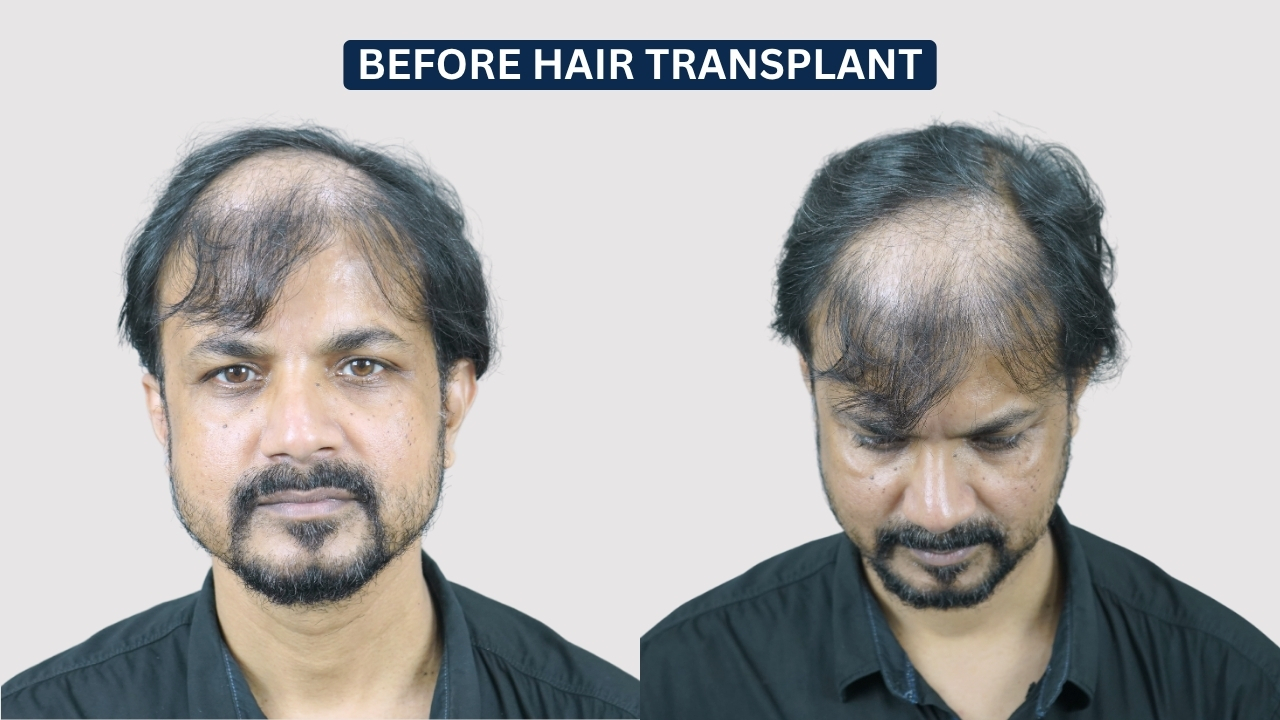
The patient, a 47-year-old businessman, had been experiencing progressive hair loss for nearly 15 years. In an attempt to restore his hair, he had already undergone two separate hair transplant procedures—one using the FUT technique and another using FUE.

Unfortunately, neither procedure produced satisfactory density or a natural-looking result.

After years of disappointment, he visited Hairfree & Hairgrow Clinic seeking a permanent corrective solution.

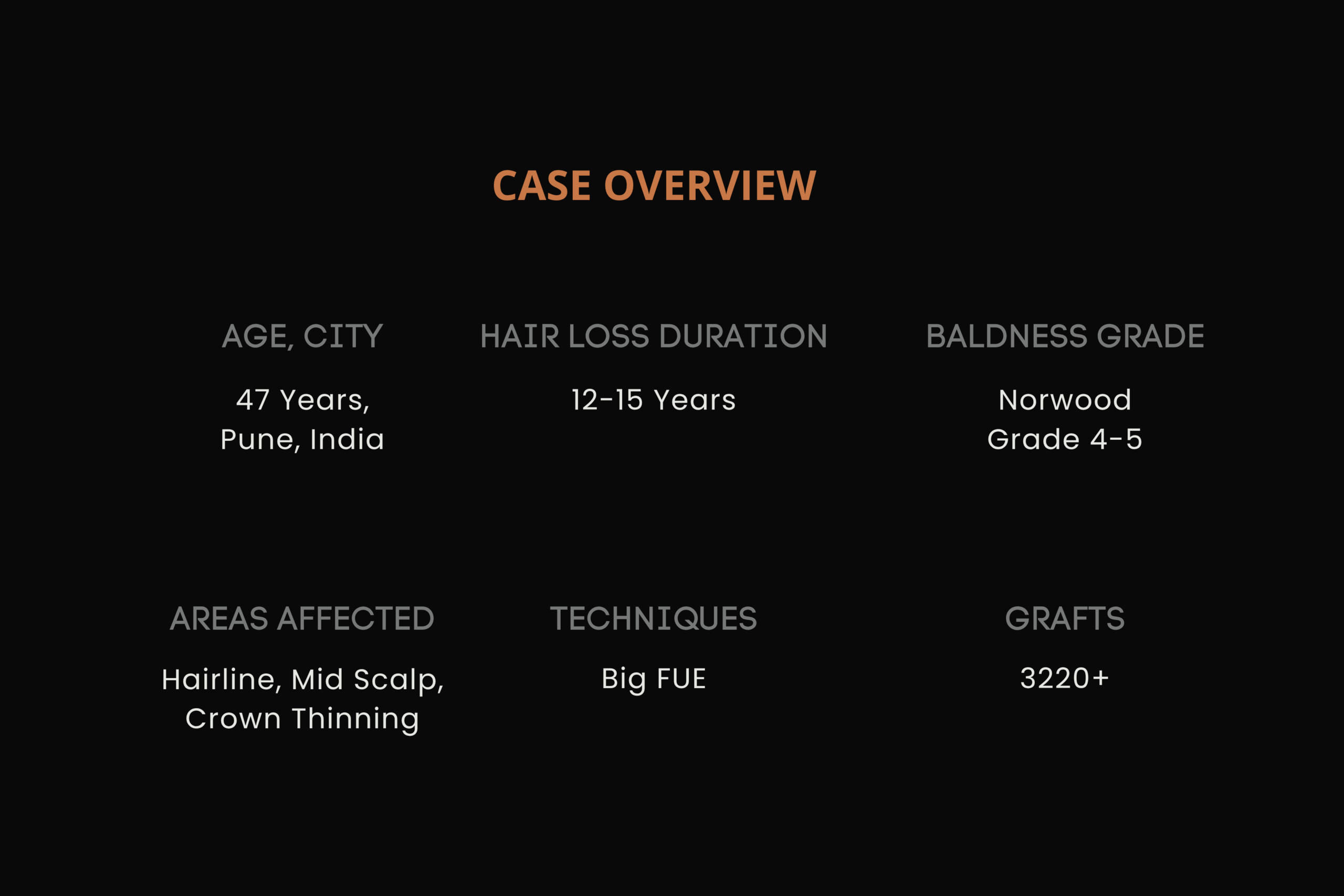
Case Overview

Age, City

47 Years,
Pune, India

Hair Loss Duration

12–15 Years

Baldness Grade

Norwood
Grade 4–5

Areas Affected

Hairline,
Mid Scalp,
Crown Thinning

Techniques

Big FUE

Grafts

3220+

Primary Hair Loss Concerns & Expectations

The patient had already invested significant time, money, and emotional energy into two previous hair transplant surgeries. Despite these efforts, he continued to experience sparse density in the frontal scalp, an unnatural appearance, and poor cosmetic satisfaction.

His primary concerns included:

  • Unsatisfactory results after two hair transplants
  • Low hair density in the frontal and mid-scalp regions
  • Poorly designed hairline
  • Lack of confidence in his appearance
  • Fear of undergoing another unsuccessful procedure

More than simply increasing hair volume, he wanted a natural hairline, improved scalp coverage, and a long-lasting result that would restore his confidence.

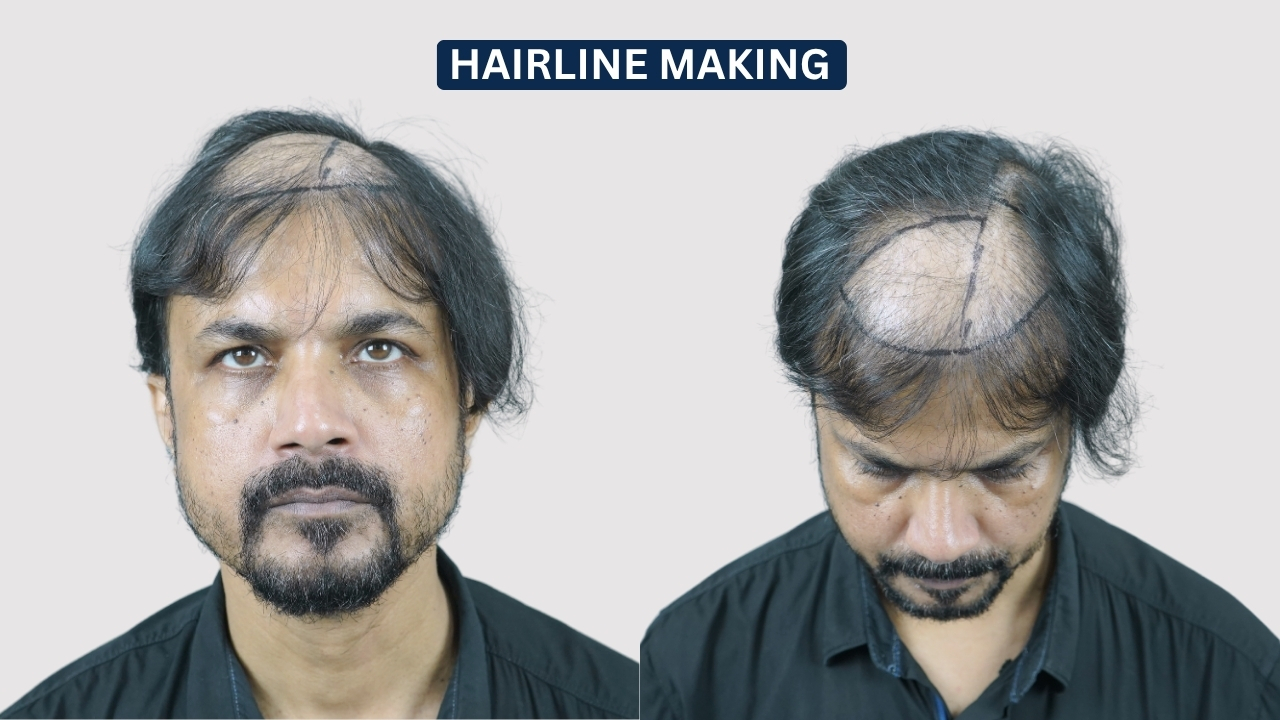
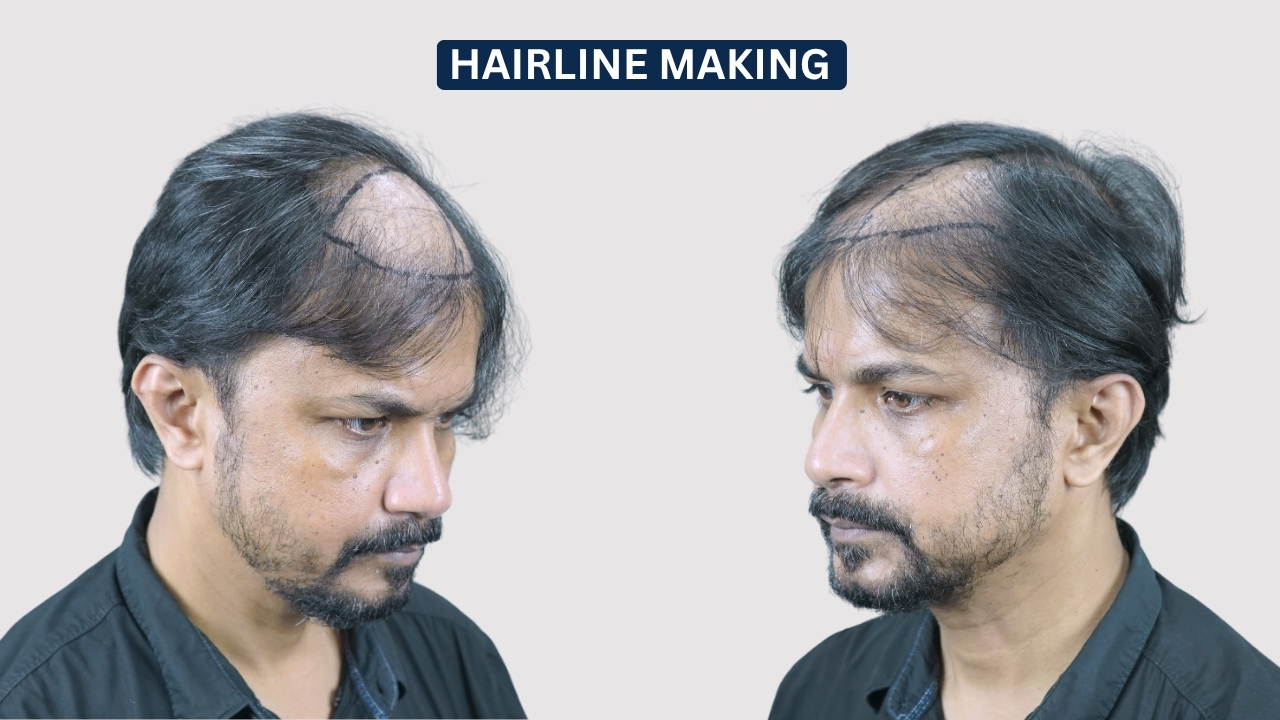
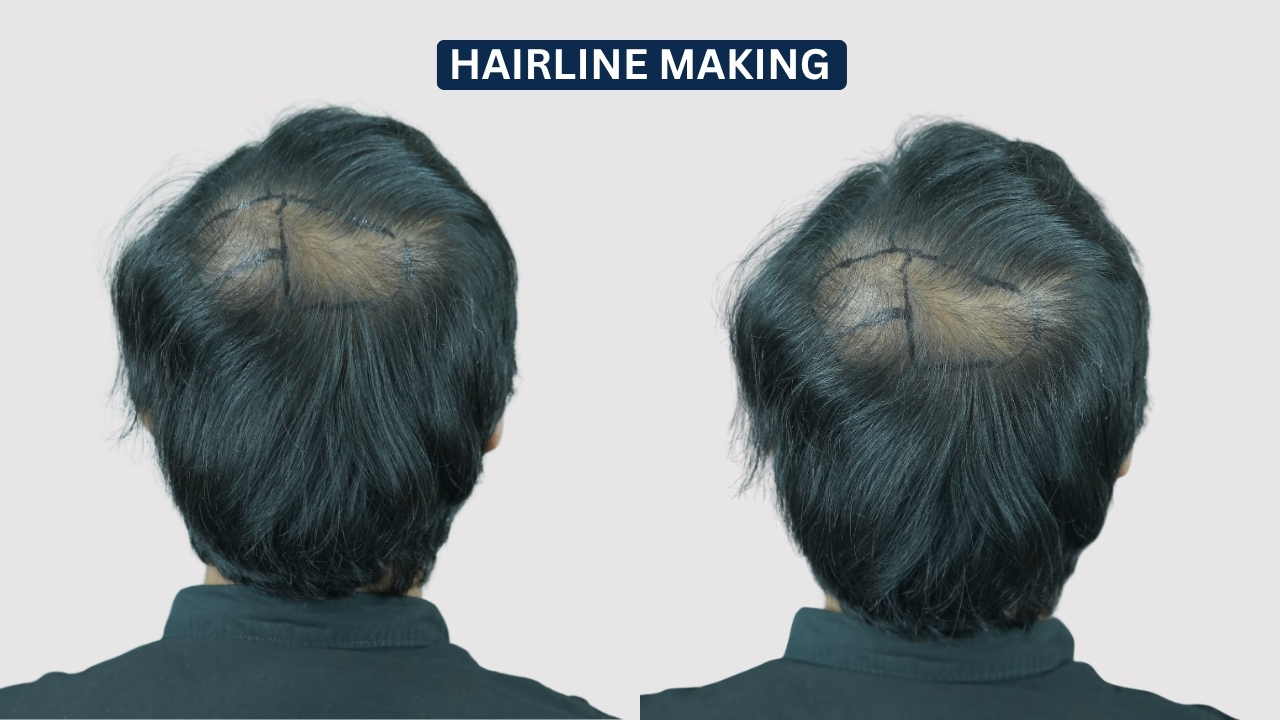
Clinical Assessment & Hairline Designing

Dr. Kiran Chotaliya performed a detailed clinical examination to determine whether corrective surgery was feasible.

The evaluation included:

  • Complete medical and surgical history
  • Scalp examination
  • Donor area assessment
  • Hair shaft thickness analysis
  • Previous graft placement evaluation
  • Hairline design planning

Clinical Findings

  • Previous graft placement lacked adequate density.
  • Existing hairline appeared unnatural.
  • Frontal and mid-scalp coverage was insufficient.
  • Donor area still contained healthy follicular units suitable for corrective surgery.
  • Hair quality was good, making the patient an ideal candidate for BIG-FUE.

A customized surgical plan was developed to maximize available donor hair while creating a soft, age-appropriate, and natural-looking hairline.

Personalized Treatment Plan

Considering the patient’s previous surgeries and donor availability, a customized corrective hair restoration plan was prepared.

Surgical Technique

BIG-FUE Hair Transplant

Treatment Strategy:

  • Correct previous transplant deficiencies
  • Restore frontal hairline
  • Improve mid-scalp density
  • Maximize donor graft utilization
  • Preserve donor area aesthetics

Planned Procedure:

  • BIG-FUE Technique
  • Approximately 3000 grafts
  • Single-day surgery
  • Long-term hair preservation plan

Surgical Procedure

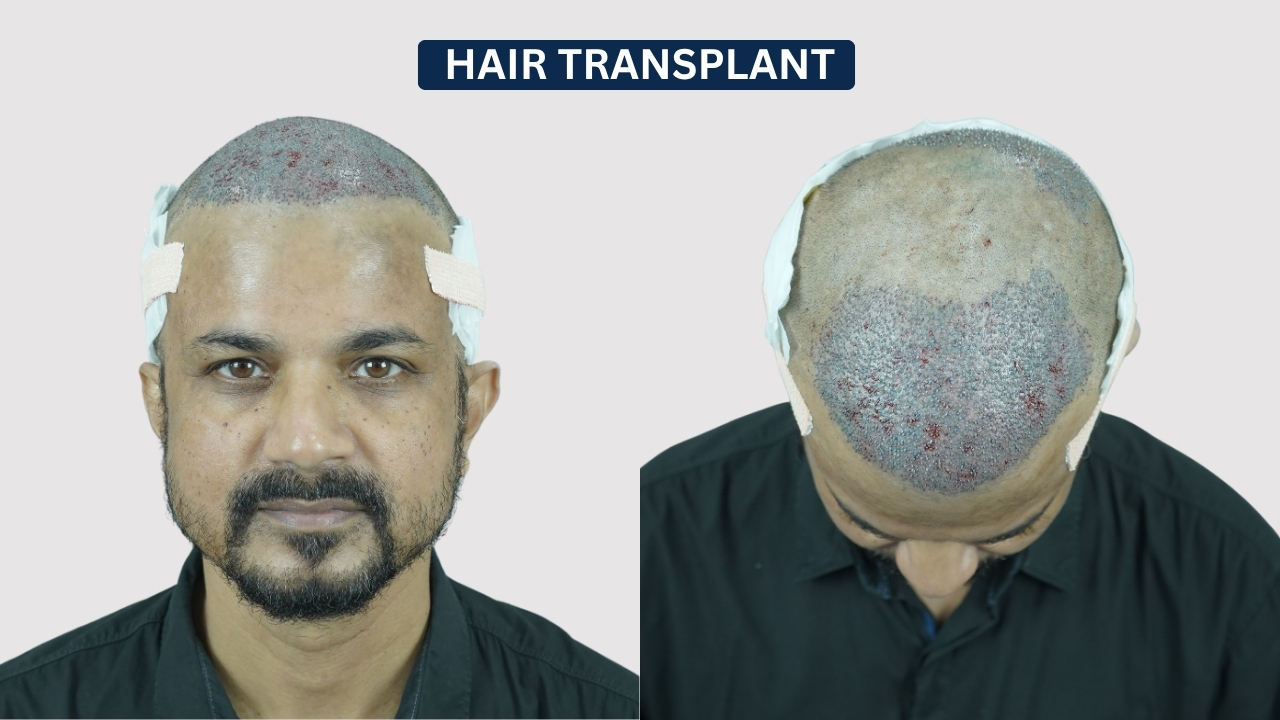
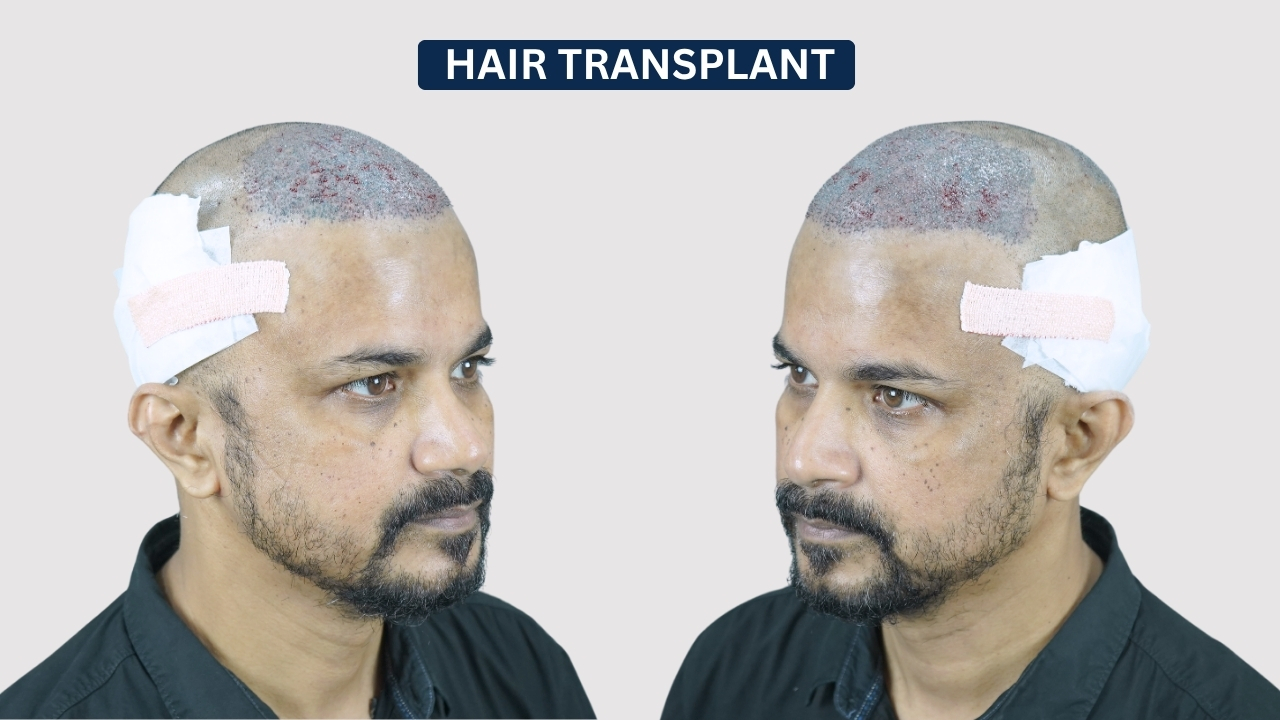
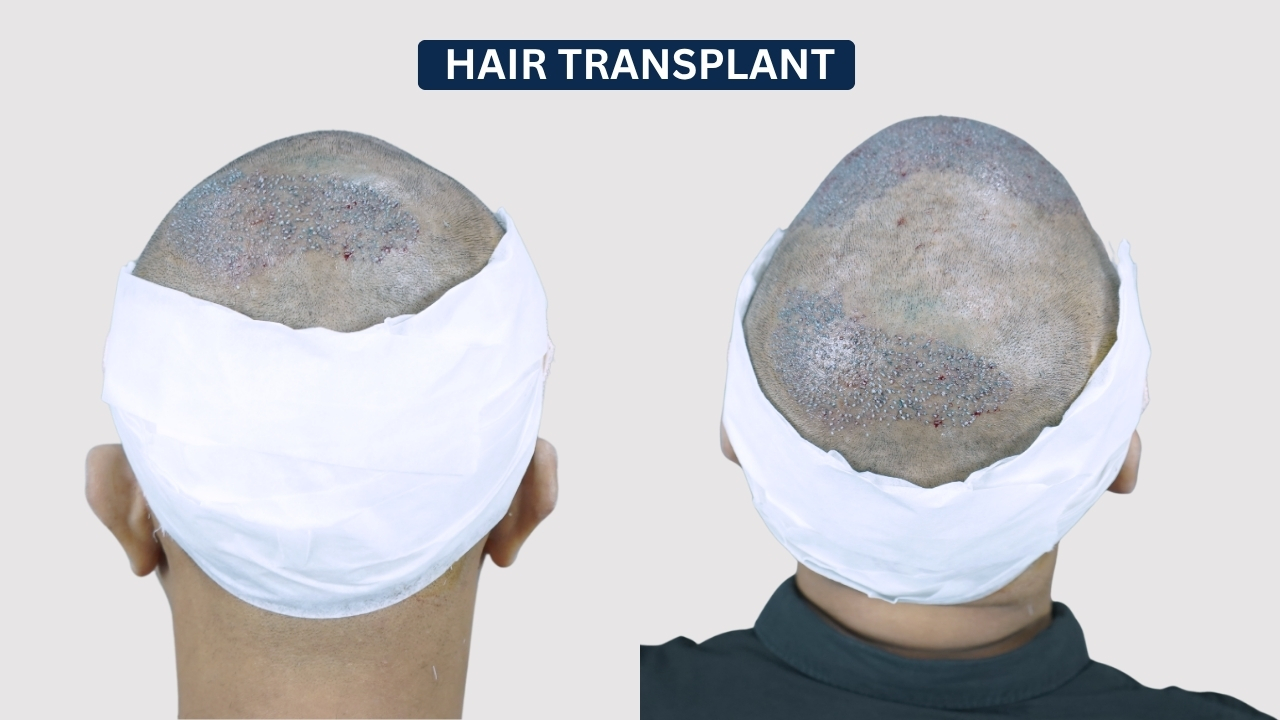
The corrective procedure was performed by Dr. Kiran Chotaliya using advanced BIG-FUE technology.

Procedure Highlights

Technique:
BIG-FUE

Total Grafts Implanted:
3220

Hair Quality:
Good

Duration:
Two-day surgical session

Every graft was implanted following the patient’s natural hair direction, angle, and density to achieve a seamless, natural appearance while correcting the shortcomings of the previous procedures.

Post-Operative Care

The patient received comprehensive post-operative instructions designed to maximize graft survival and support healthy healing.

The aftercare protocol included:

  • Prescribed medications for 5–7 days
  • Gentle head washing from Day 7 using baby shampoo
  • Avoiding strenuous exercise for 10–15 days
  • Protection from direct sunlight
  • Wearing a loose cap outdoors for one month
  • Regular follow-up appointments

Proper post-operative care played an essential role in ensuring successful graft growth.

Detailed Graft Breakdown for NW3 Restoration

Single Hair Grafts
530
For Natural Hairline
Multi Hair Grafts
2480
Mid Scalp Coverage
Total Grafts Done
3010
Total Grafts Transplanted: (add case specific number)
Parameter
No. of Grafts
Details
Single hair grafts
530
For natural hairline
Multi hair grafts
2480
Mid scalp coverage
Total grafts done
3010

Long-Term Hair Maintenance Plan

Hair transplantation restores lost hair, but maintaining existing hair is equally important.

The patient was advised to continue:

  • Hair vitamins
  • Minoxidil (as prescribed)
  • PRP therapy
  • Healthy diet
  • Good lifestyle habits
  • Routine clinical follow-ups

This comprehensive maintenance protocol helps protect both transplanted and existing hair over the long term.

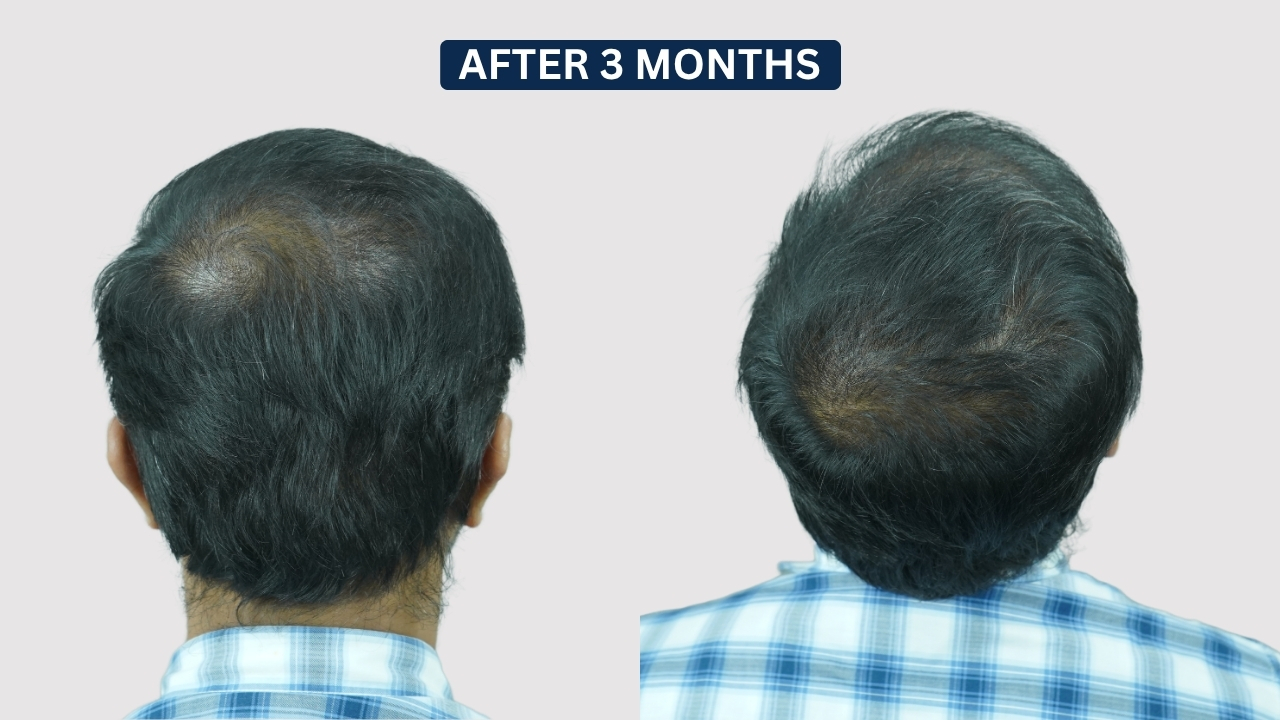
Month-by-Month Hair Transplant Growth Timeline

Week 1–2: Initial Healing

The transplanted grafts settled successfully, and the donor area healed without complications. Mild redness and scabbing resolved gradually during this period.

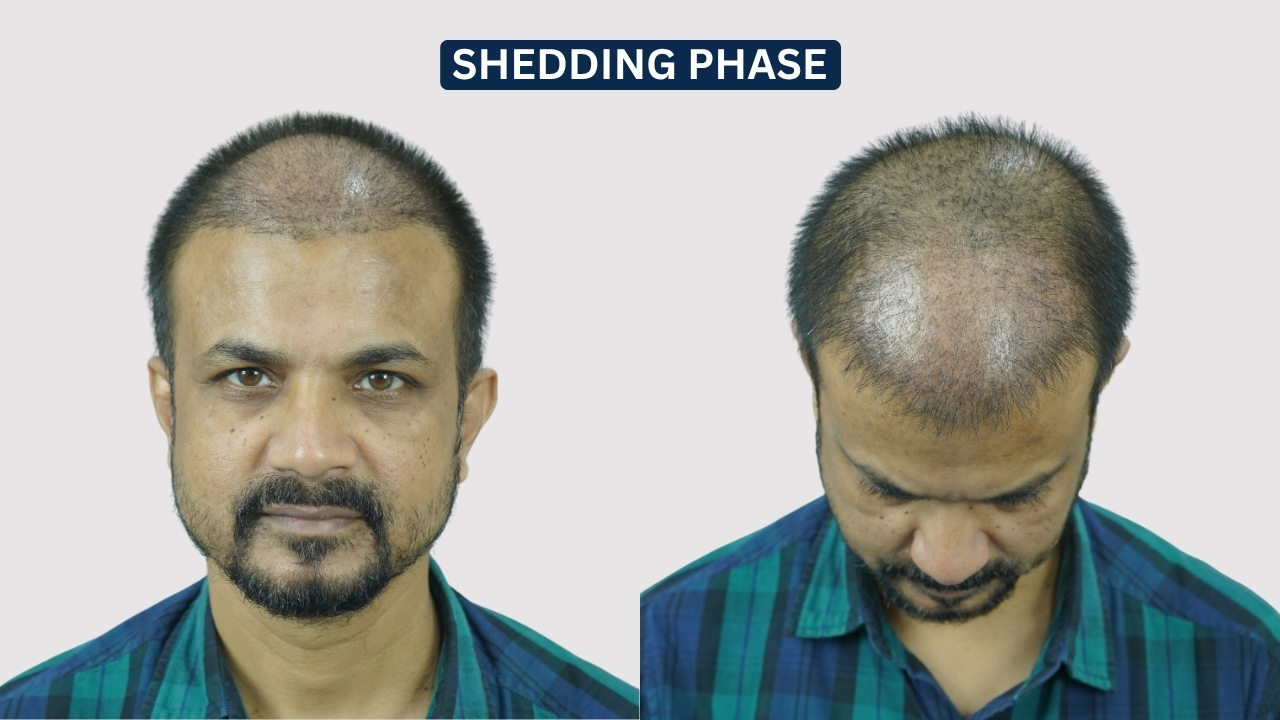
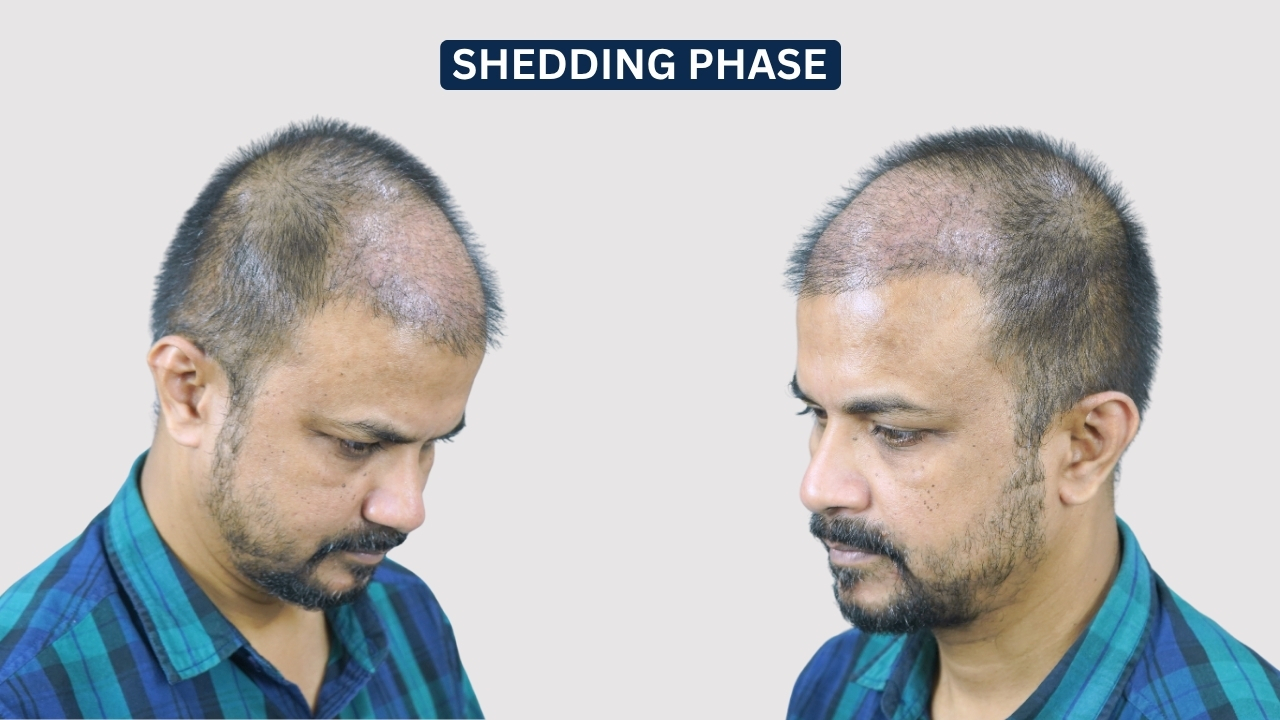
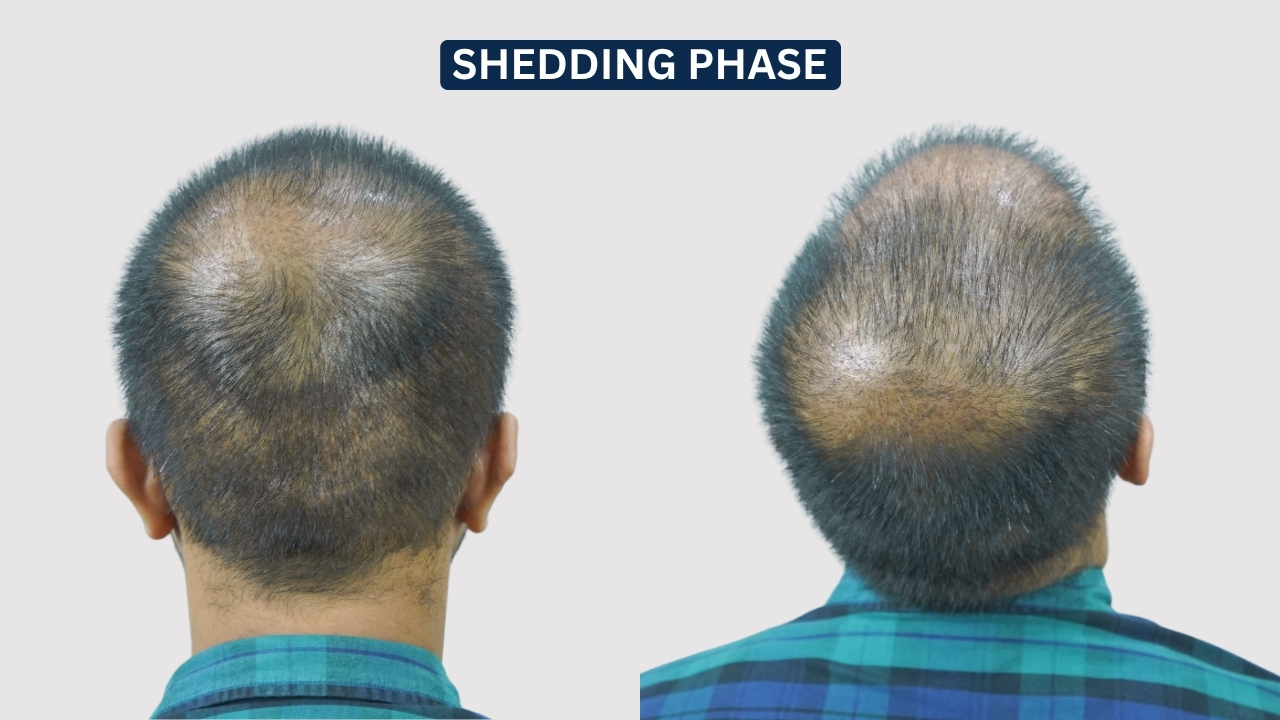
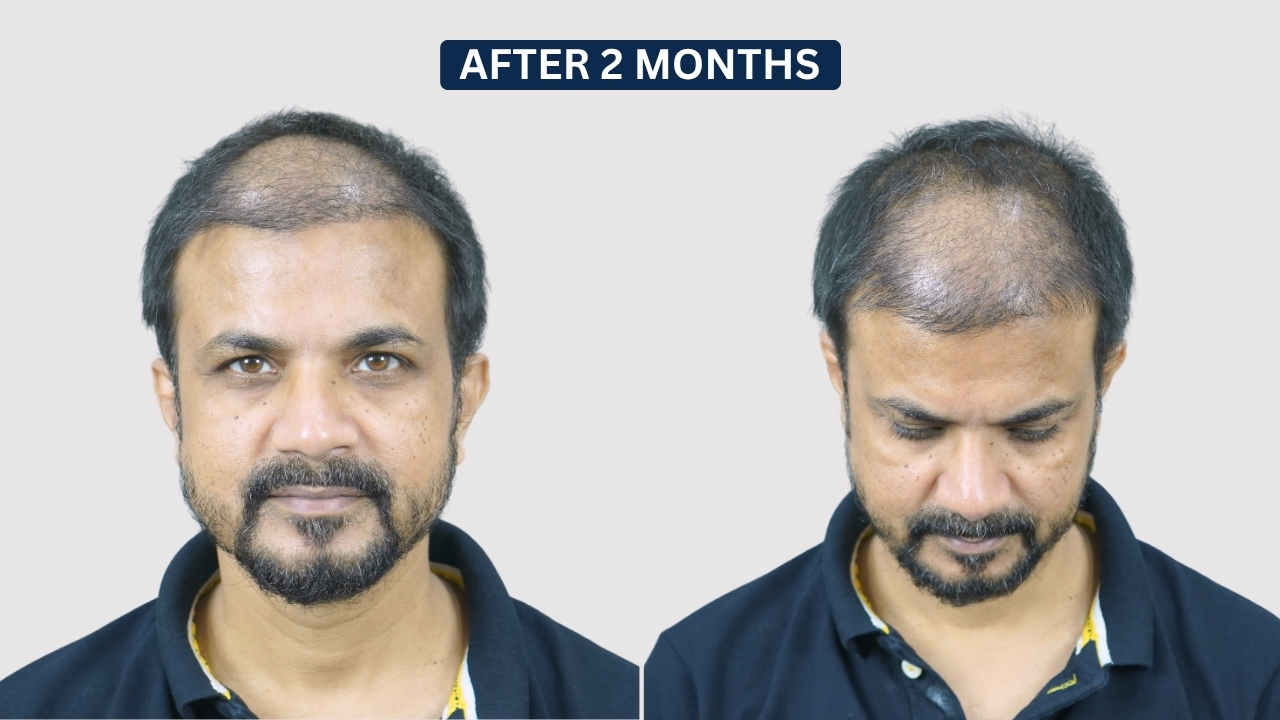
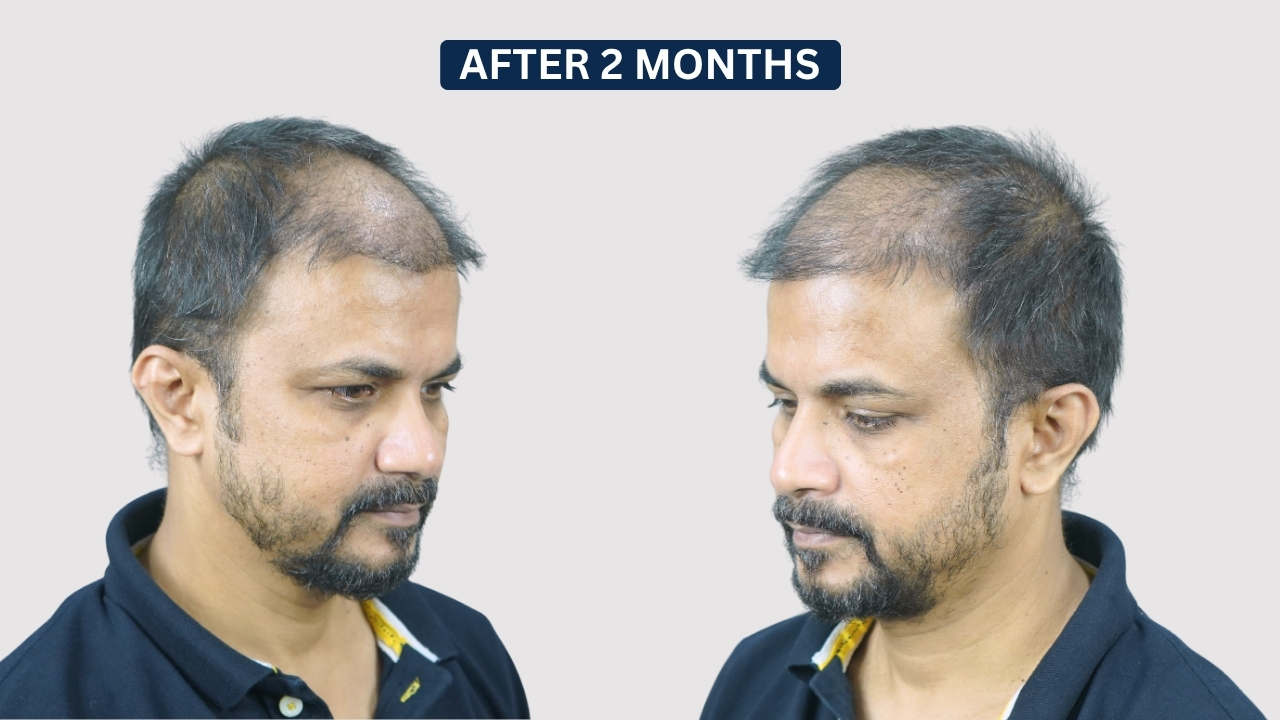
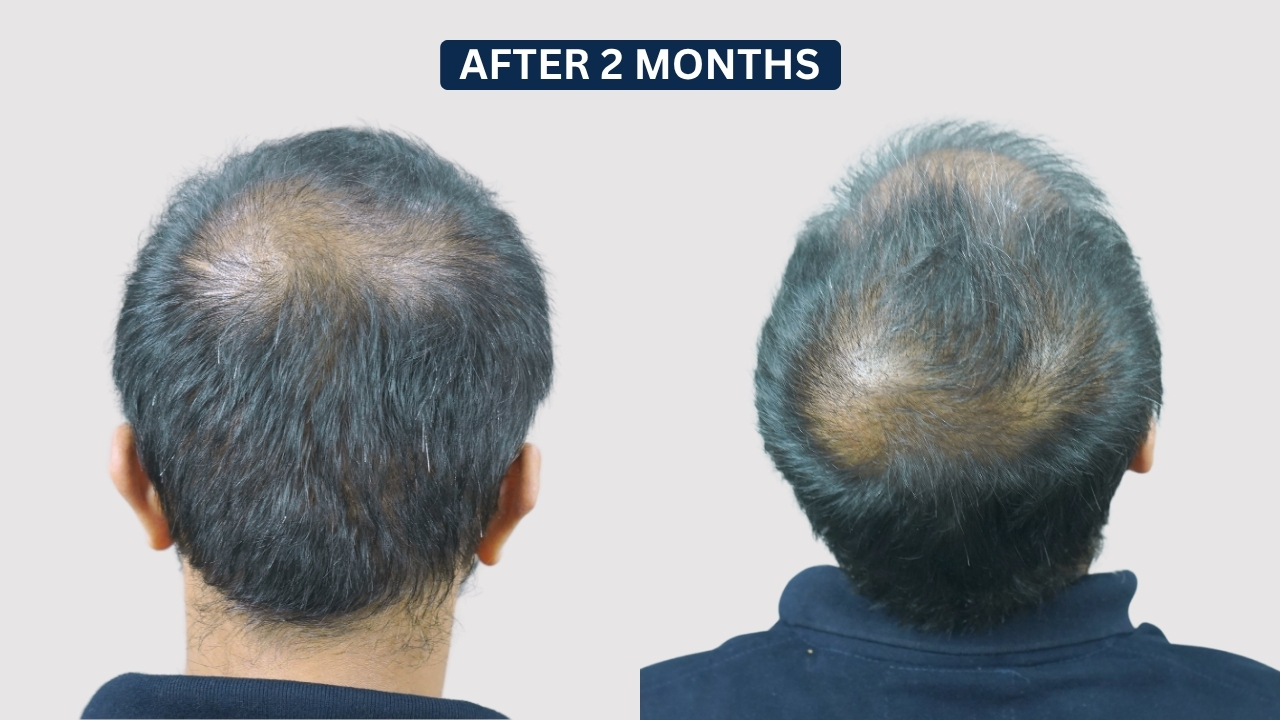
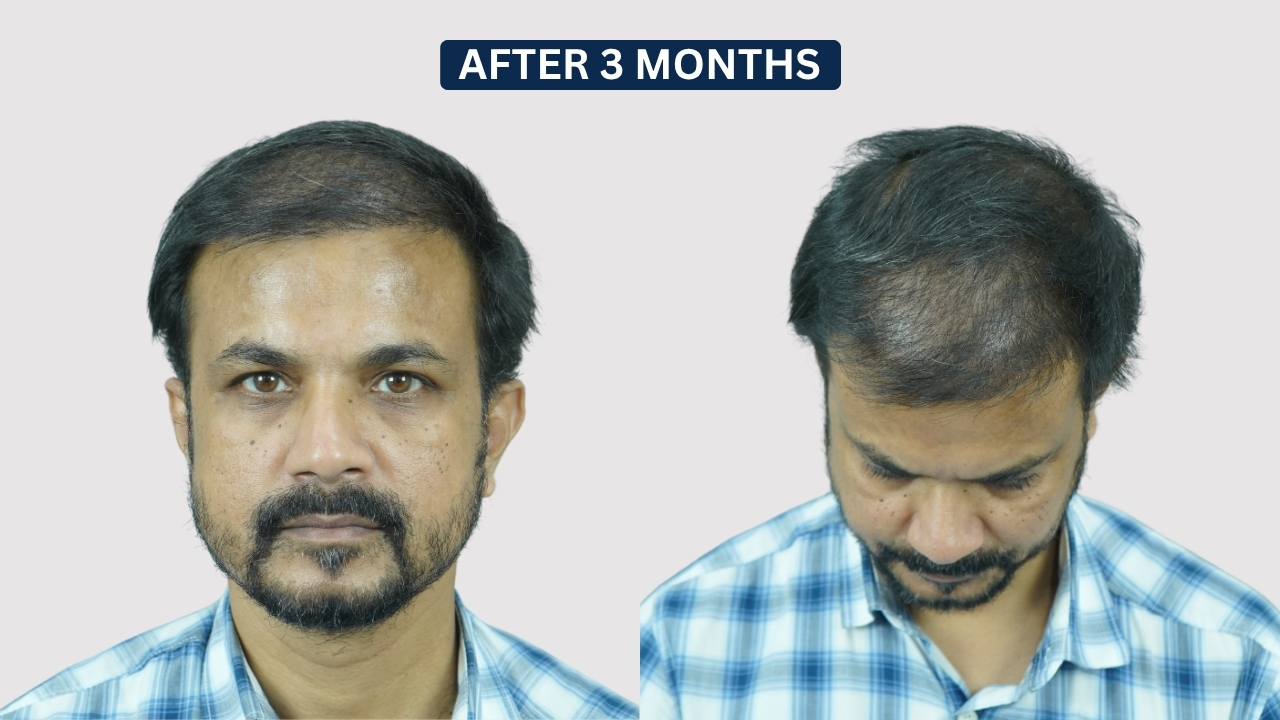
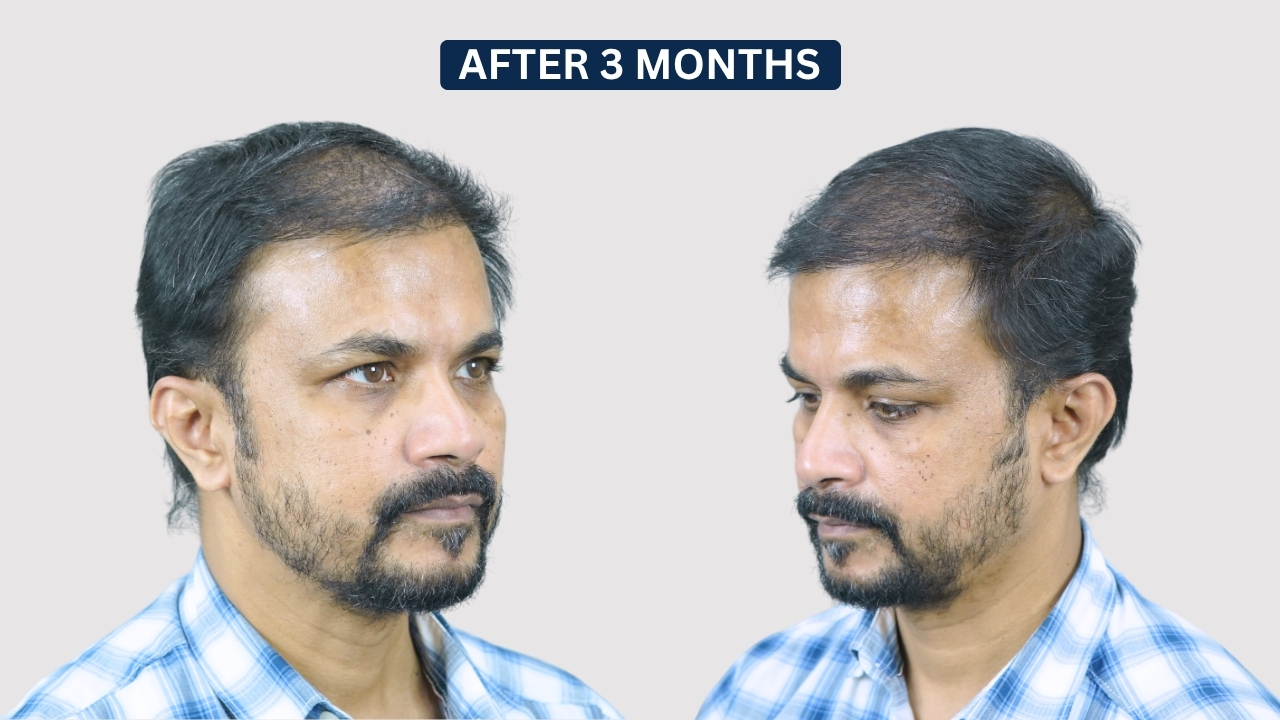
Month 1–3: Shedding Phase

As expected, the transplanted hairs entered the temporary shedding phase. The patient was reassured that this is a normal part of the hair growth cycle, while the follicles remained healthy beneath the scalp.

Supportive medical therapy and PRP sessions were initiated during this phase.

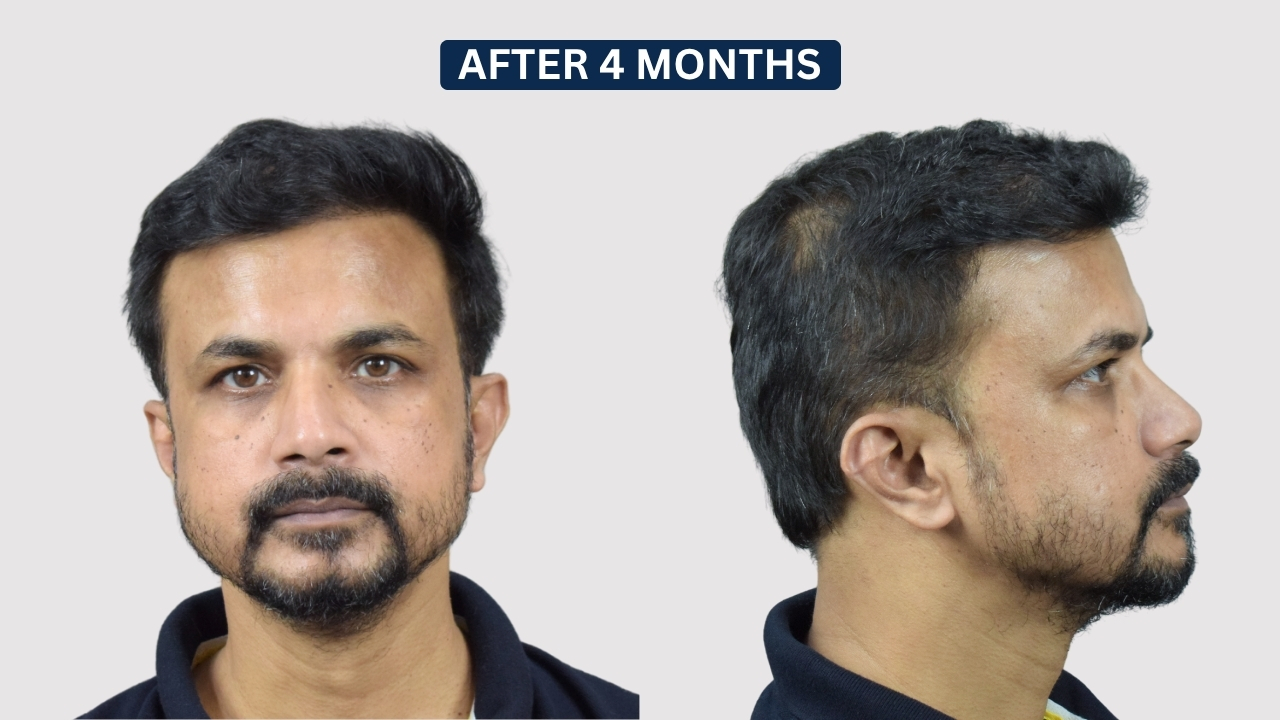
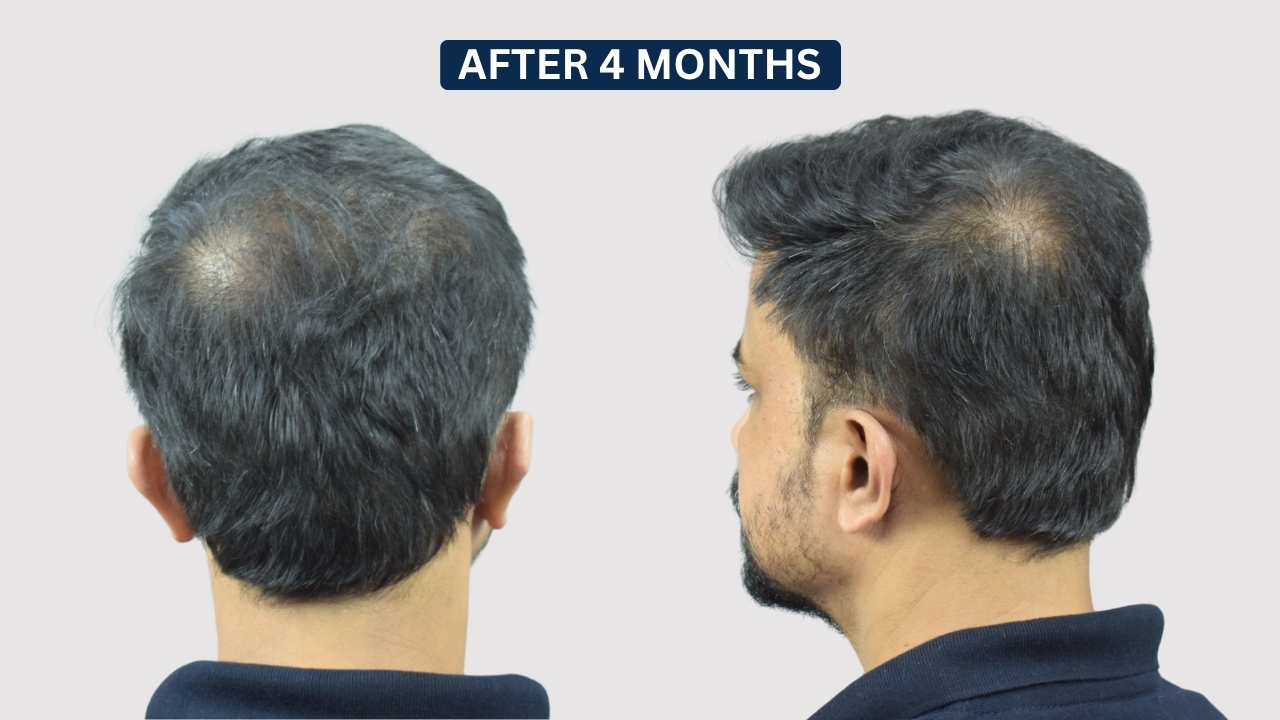
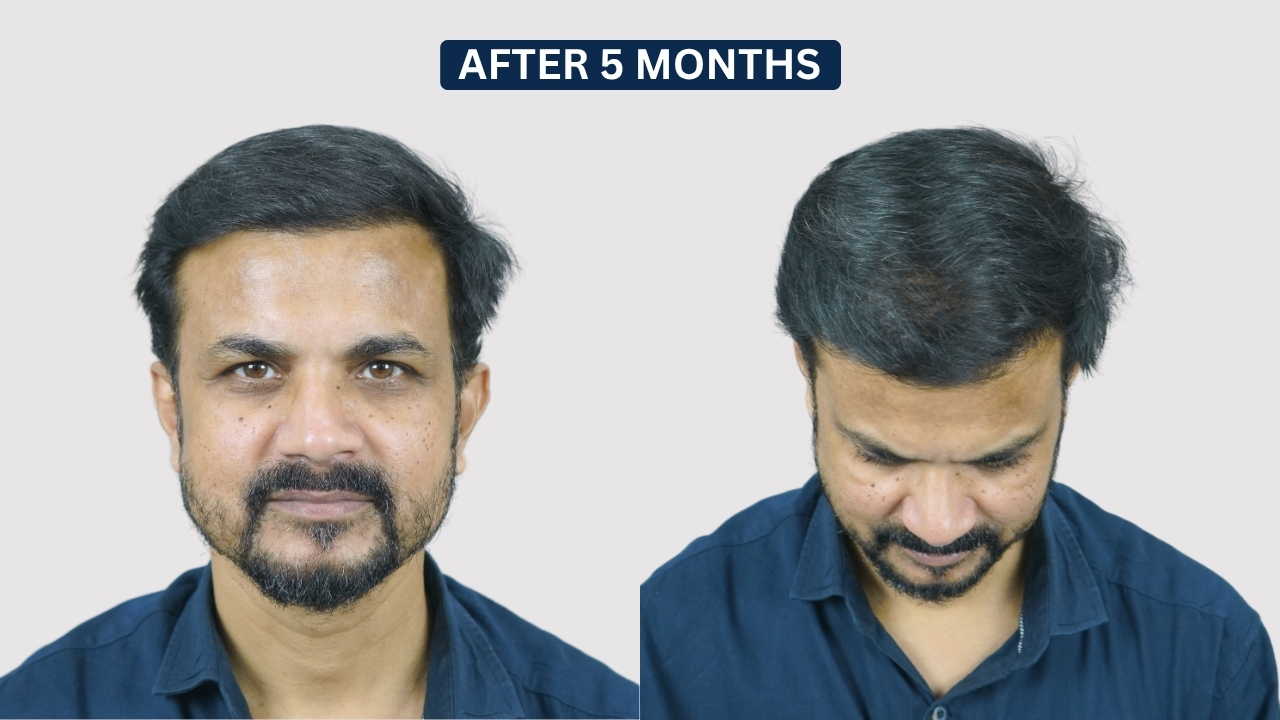
Month 4–6: Early Growth

New hair follicles gradually emerged, particularly in the frontal region.

The patient noticed:

  • Improved density
  • Better hairline definition
  • Visible cosmetic improvement

Hair texture also continued to mature during this period.

Month 9-13: Significant Density Improvement

The transplanted hair became thicker and more uniform.

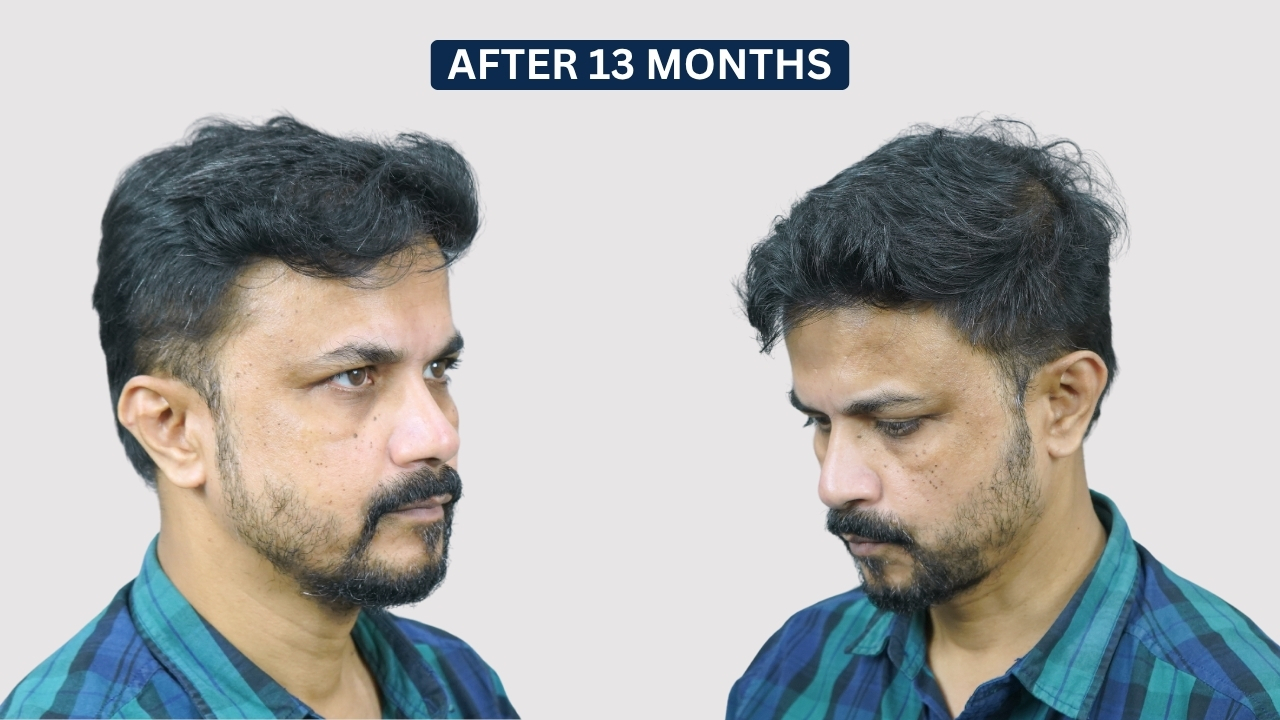
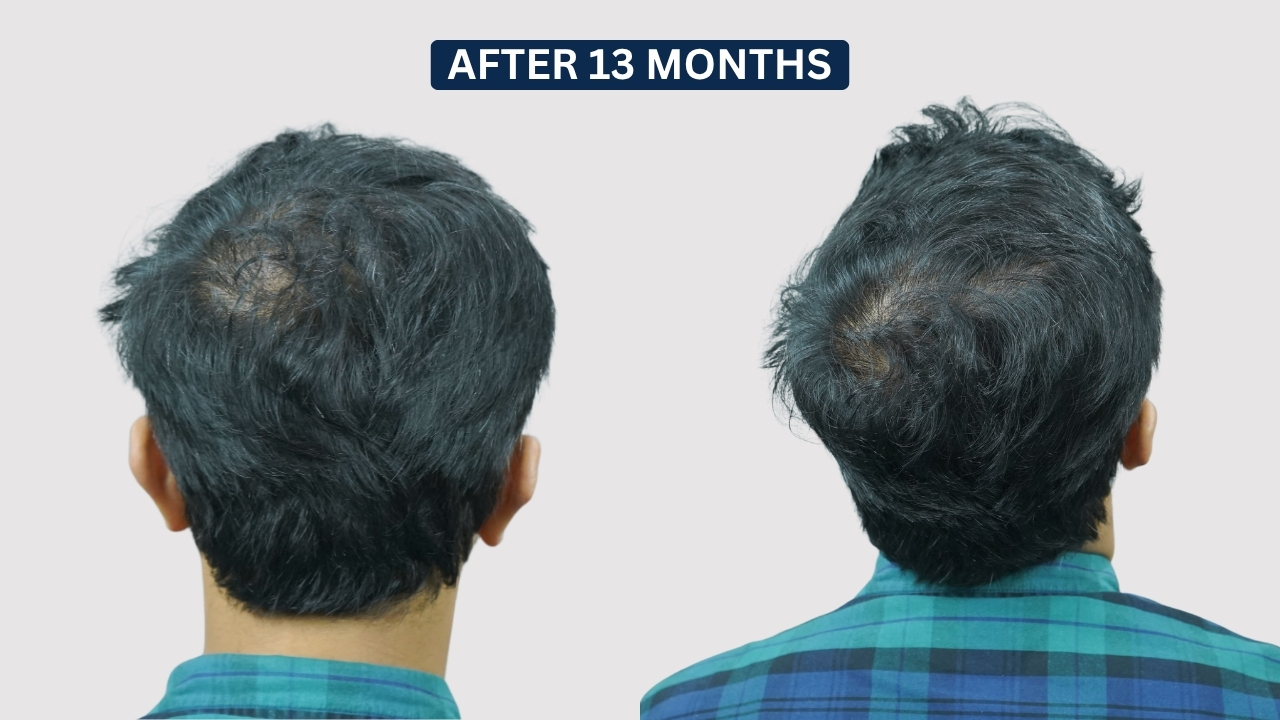
Coverage across the frontal and mid-scalp areas improved substantially, giving the patient a fuller and more natural appearance.

Male Hair Transplant Before & After Results

The Change: A New Beginning

For this patient, the journey was about much more than regaining hair—it was about rebuilding confidence after years of disappointment.

After living with unsuccessful FUT and FUE procedures, the BIG-FUE corrective hair transplant provided a natural, fuller appearance that complemented his facial features and age.

Today, he feels more confident in both professional and personal settings, with results that reflect careful planning, surgical precision, and long-term hair management.

What Our Patients Says

Why Choose Dr. Kiran Chotaliya for Your Hair Restoration

  • Expert Surgical Leadership: Dr. Kiran Chotaliya is a premier hair transplant surgeon in Pune, specializing in complex NW3 to NW7 cases with a focus on surgical artistry.
  • Superior BIG-FUE Advantage: Our signature technique ensures maximum graft survival and high-density results without the downtime of traditional methods.
  • Natural Hairline Aesthetics: We utilize ultra-refined single-hair grafts to create soft, undetectable hairlines that match your natural growth pattern perfectly.
  • Strict Safety & Handling: Our clinic follows international protocols for graft storage and handling, ensuring every follicle has the best chance of flourishing.
  • Holistic Preservation Plan: We provide a lifetime hair management strategy, including PRP and medical support, to prevent future hair loss beyond the transplanted area.

FAQ'S

1. Can a failed hair transplant be corrected?

Yes. In many cases, a failed hair transplant can be successfully corrected after a detailed evaluation of the scalp, donor area, and previous surgical work. Corrective procedures focus on improving hair density, redesigning an unnatural hairline, and making the overall appearance more natural. However, the treatment plan depends on the availability of healthy donor hair and the extent of the previous transplant.

Hair transplant outcomes can be affected by several factors, including poor surgical planning, inadequate graft placement, low graft survival, improper hairline design, limited donor management, or progression of ongoing hair loss. Every case is unique, which is why a comprehensive consultation is essential before recommending corrective surgery.

The BIG-FUE technique was selected because it allowed careful harvesting of healthy grafts from the remaining donor area while maximizing scalp coverage. Since the patient had already undergone two previous hair transplants, preserving donor hair was a priority. BIG-FUE helped achieve improved density and a more natural-looking hairline with minimal additional scarring.

A total of 3220 grafts were transplanted during a single-day BIG-FUE procedure. The grafts were strategically placed to reconstruct the frontal hairline, increase density in the mid-scalp, and improve the overall cosmetic appearance while maintaining a natural hair growth pattern.

Hair growth occurs gradually after a hair transplant. Temporary shedding usually occurs within the first few weeks, followed by new hair growth from the third or fourth month. Significant improvement is generally visible between 6 and 9 months, while the final results are typically achieved within 10 to 12 months, depending on individual healing, graft survival, and adherence to post-operative care.

An educational hair care book written by MD Dermatologist Dr. Kiran Chotaliya, offering expert medical guidance on preventing hair loss and maintaining scalp health.

Thinking about Hair Transplant?
Read this First.

Hair Transplant in Pune

Dr. Kiran Chotaliya is a leading hair transplant surgeon in Pune, specializing in advanced techniques like FUE and FUT for natural, lasting results. His expertise and patient-centered care ensure successful hair restoration with exceptional outcomes.

Follow Us

GET IN TOUCH

© 2026 Developed & Handle By Dr. Kiran Chotaliya Clinic Team

Location

© 2026 Developed & Handle By Dr. Kiran Chotaliya Clinic Team

Scroll to Top