Best Hair Transplant in Pune: Grade 4 Baldness Result with 3,300 BIG-FUE Grafts

Best Hair Transplant in Pune: Grade 4 Baldness Result with 3,300 BIG-FUE Grafts

Written by: Dr. Kiran Chotaliya Editorial Team  ·  Reviewed by: Dr. Kiran Chotaliya, M.D. Dermatologist & Chief Hair transplant Surgeon  ·  Hairfree & Hairgrow Clinics, India  ·  Updated September 2026

A hair transplant at a younger age needs careful planning because the goal is not only to restore the areas that have already thinned, but also to create a hairline that continues to look natural as the patient gets older.

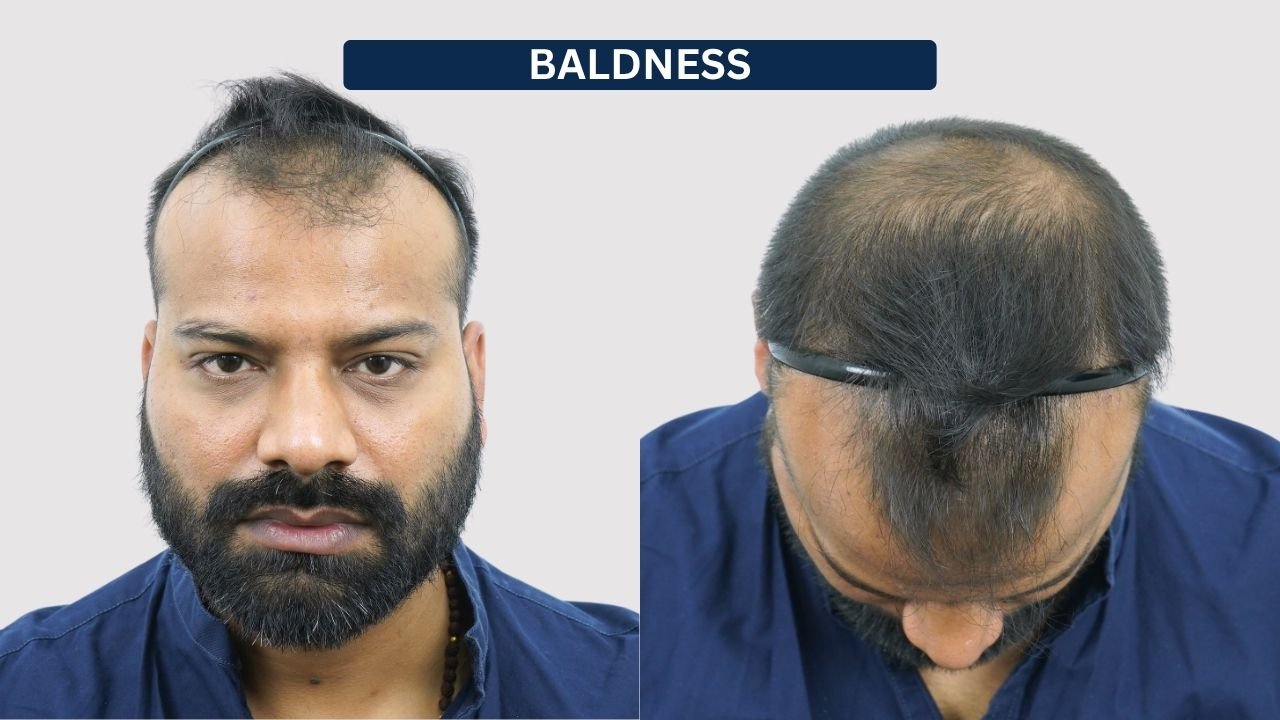
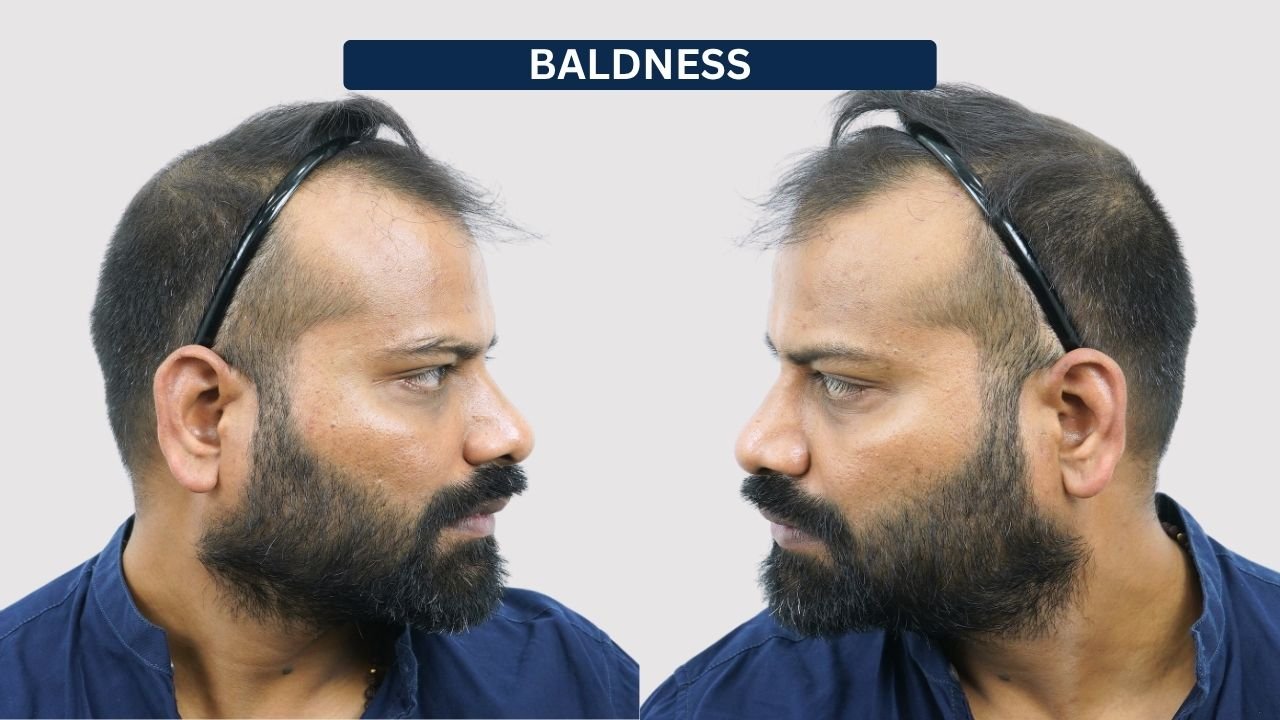
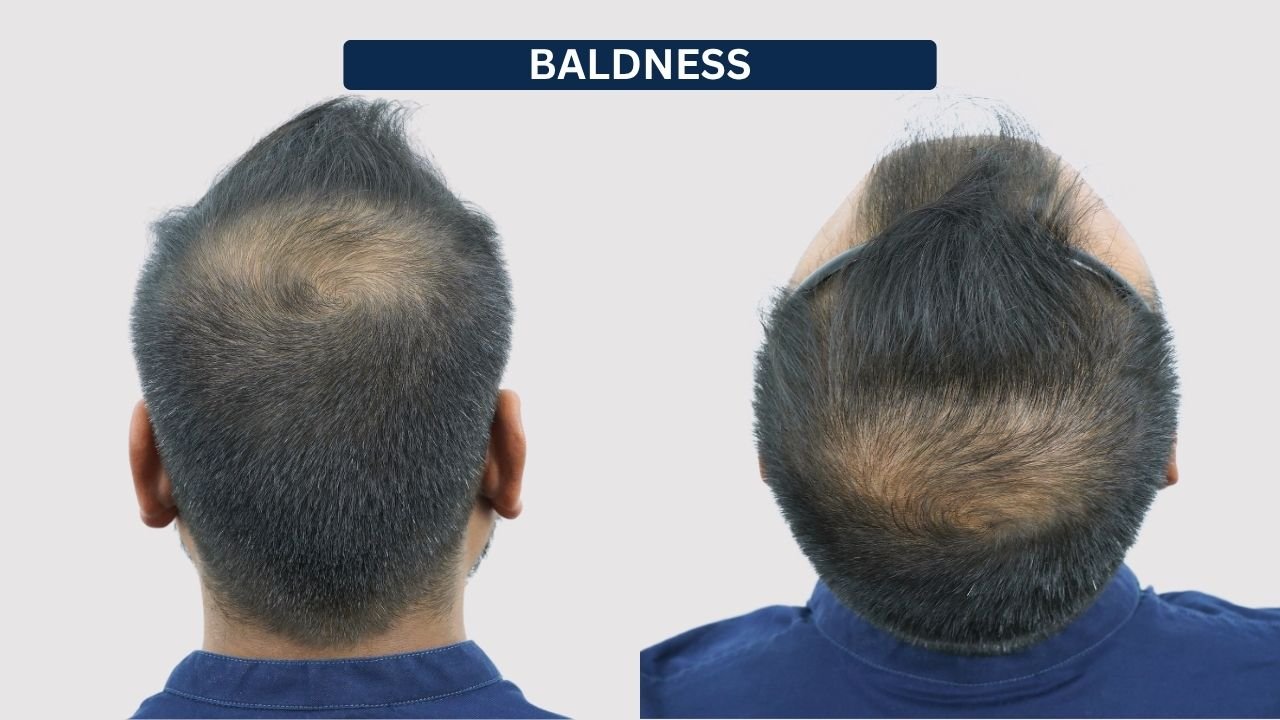
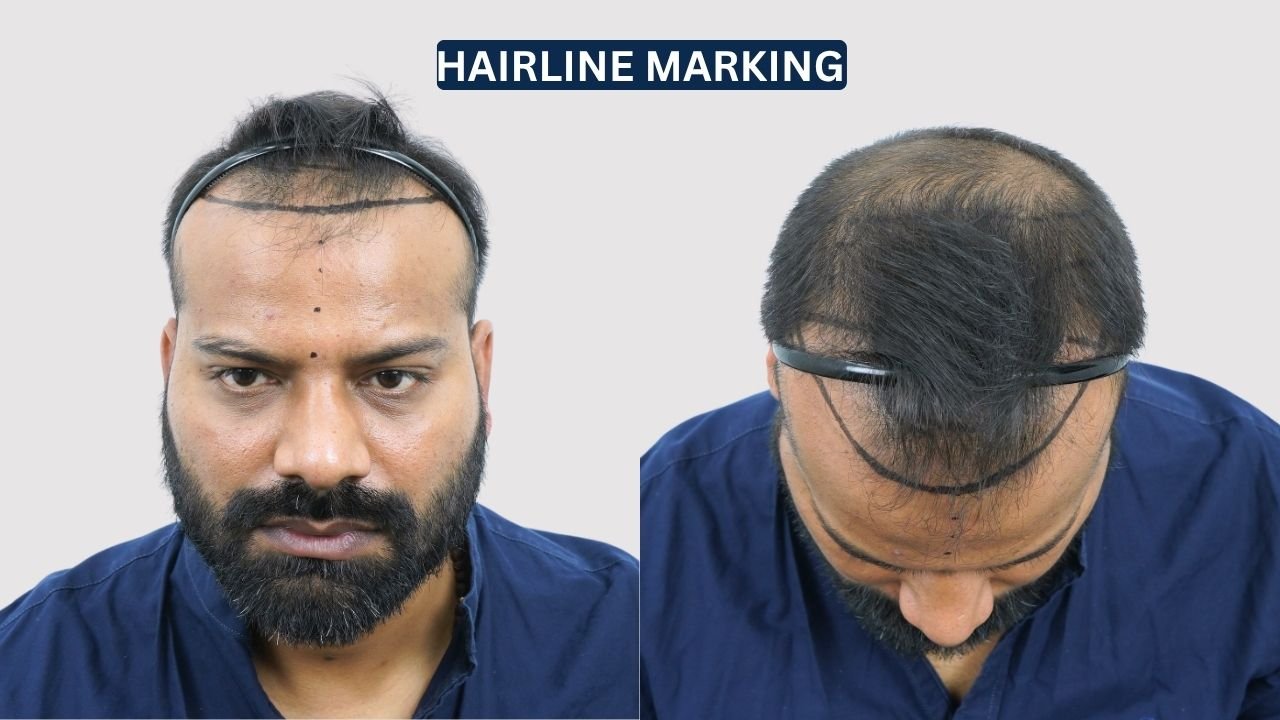
This case study follows the hair transplant journey of a 30-year-old patient who had been experiencing progressive hair loss for approximately 5 years. His hair loss had reached Grade 4 baldness, with noticeable recession and reduced density across the frontal and mid-scalp areas.

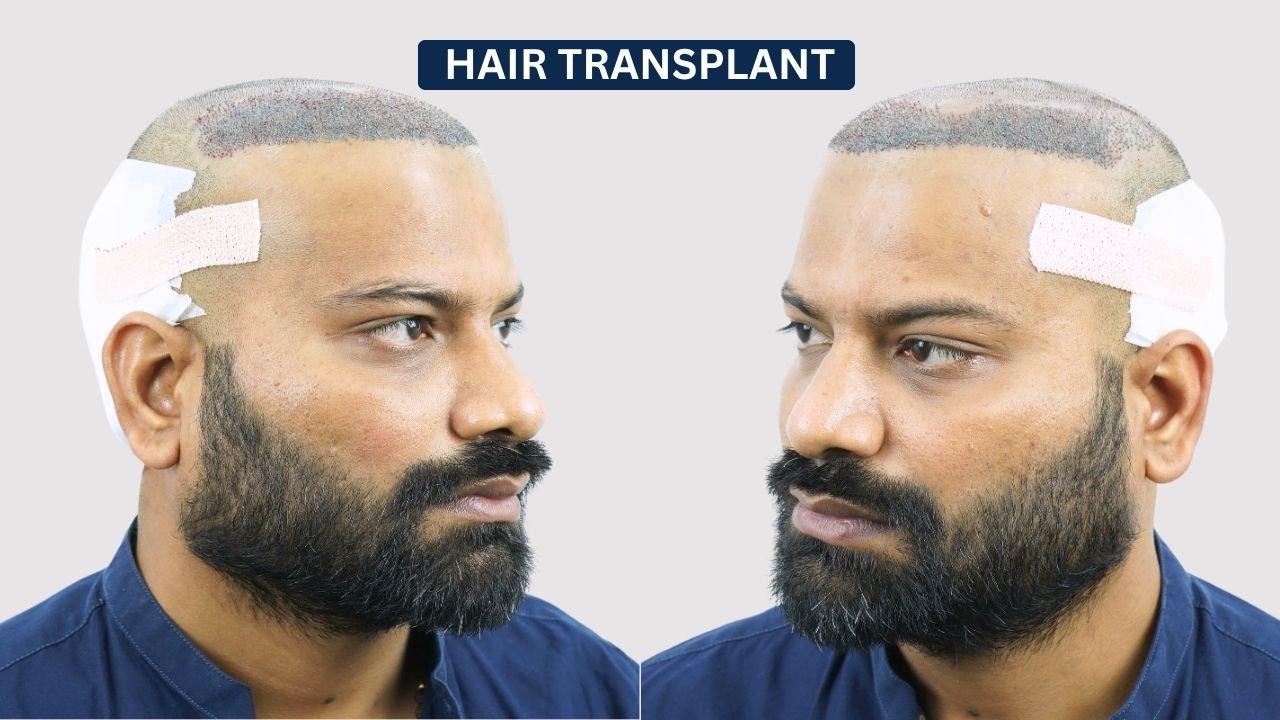
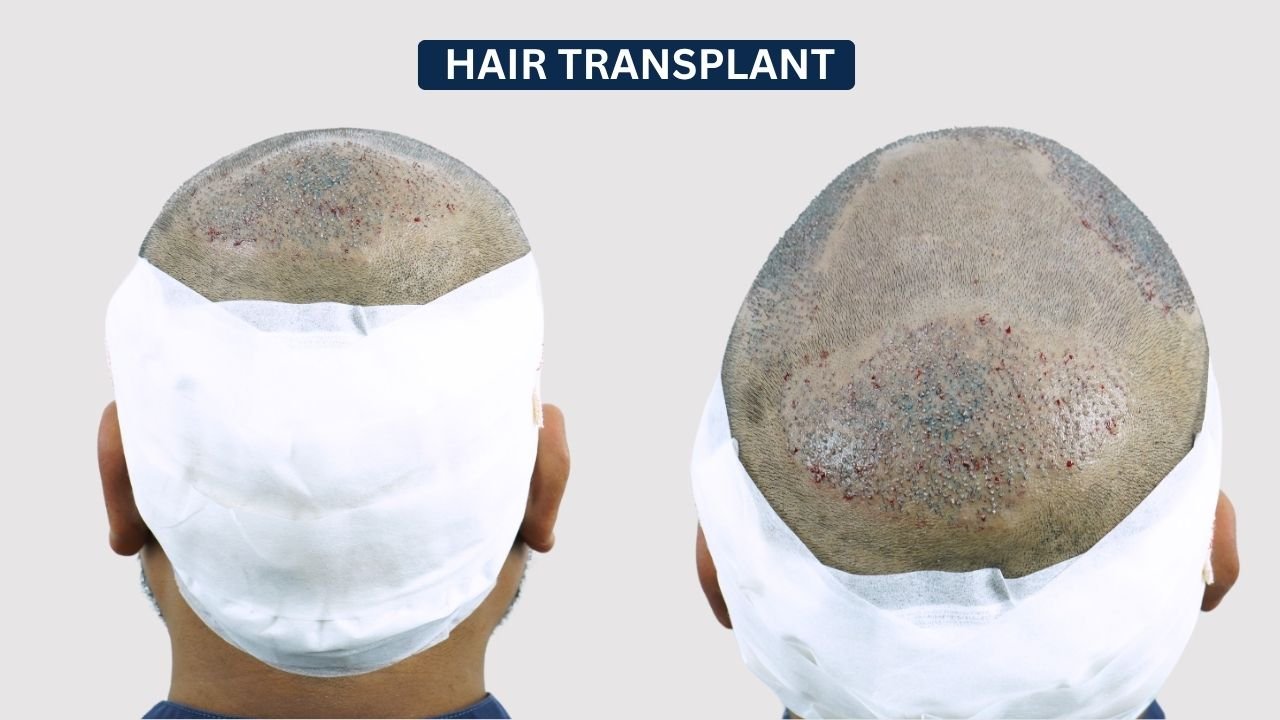
After evaluating his scalp, hair-loss pattern, donor area, and future hair-loss risk, Dr. Kiran Chotaliya planned a customized BIG-FUE hair transplant at Hairfree & Hairgrow Clinic, Pune. Approximately 3,300 grafts were planned for the procedure, which was scheduled as a single-day session.

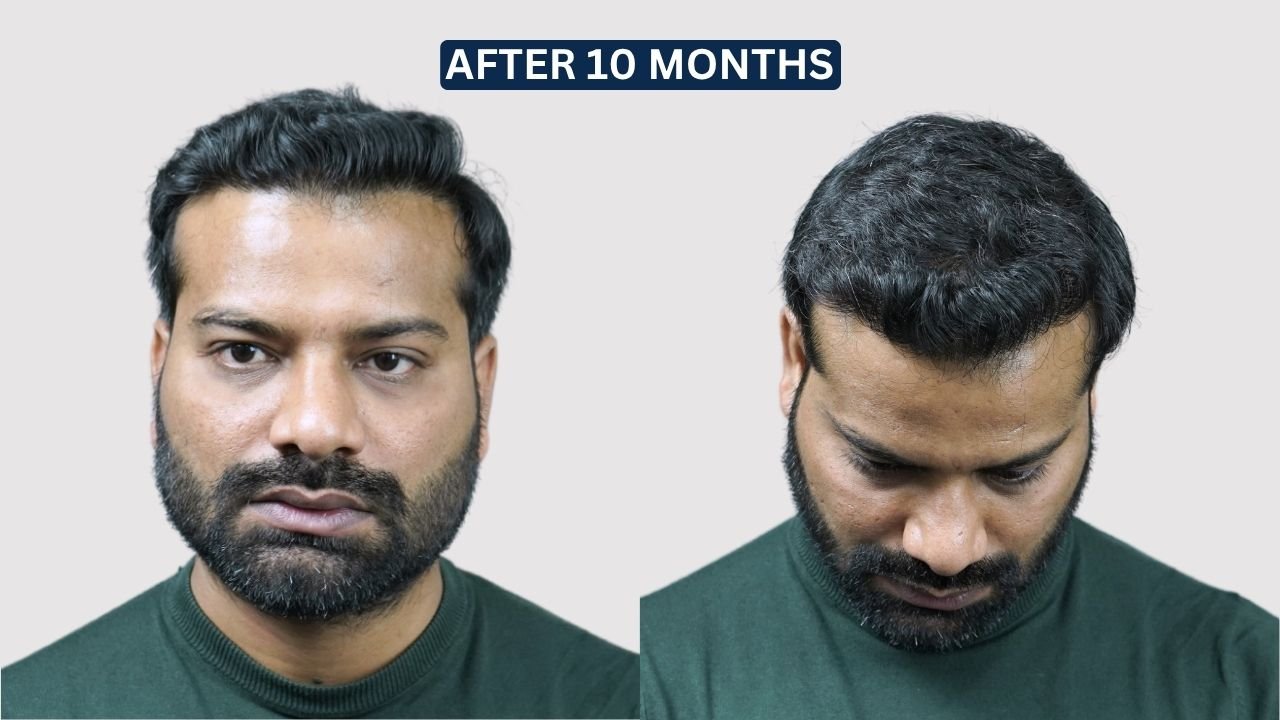
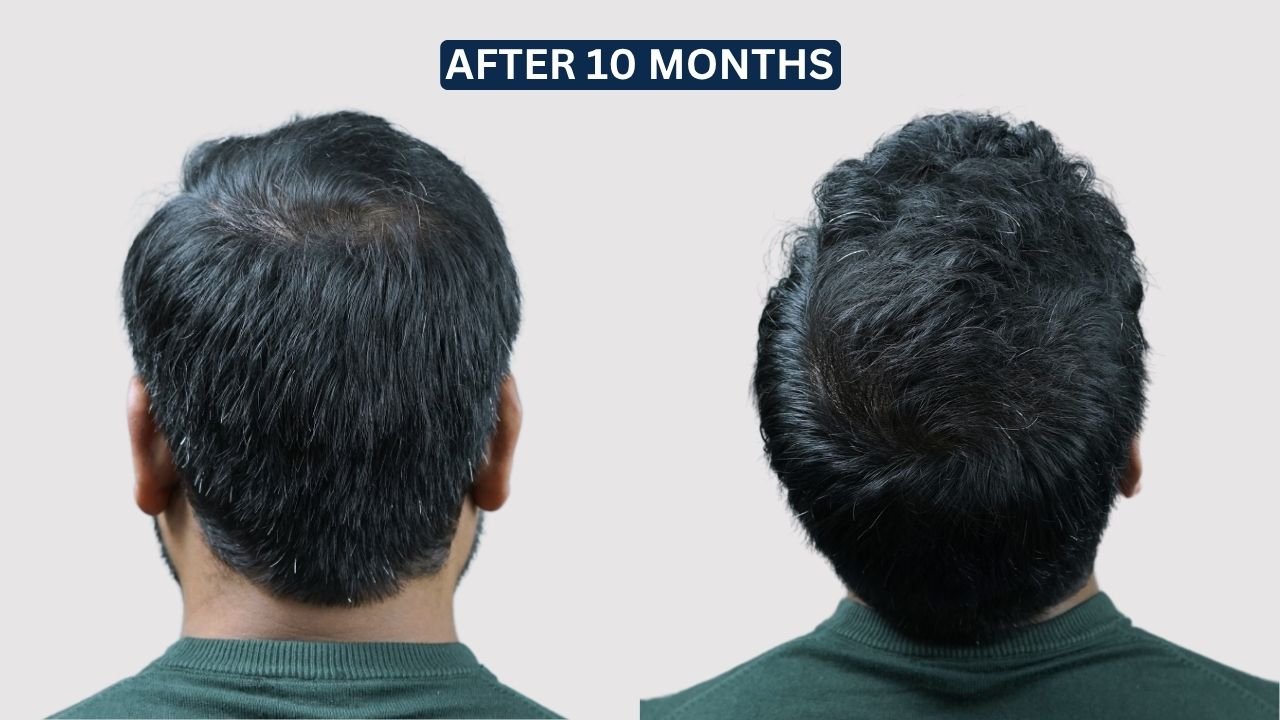
The patient has now completed approximately 10 months of his hair transplant journey, showing the gradual progression expected after a hair restoration procedure.

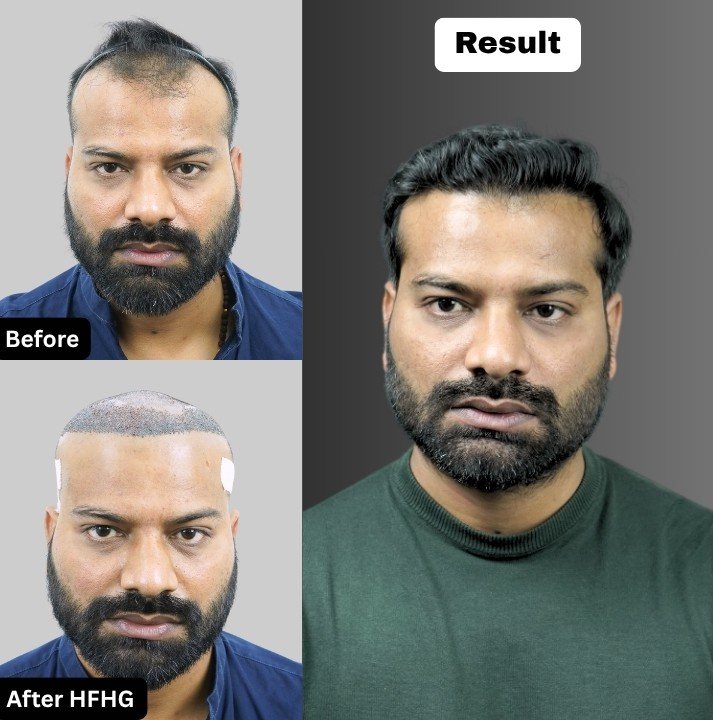
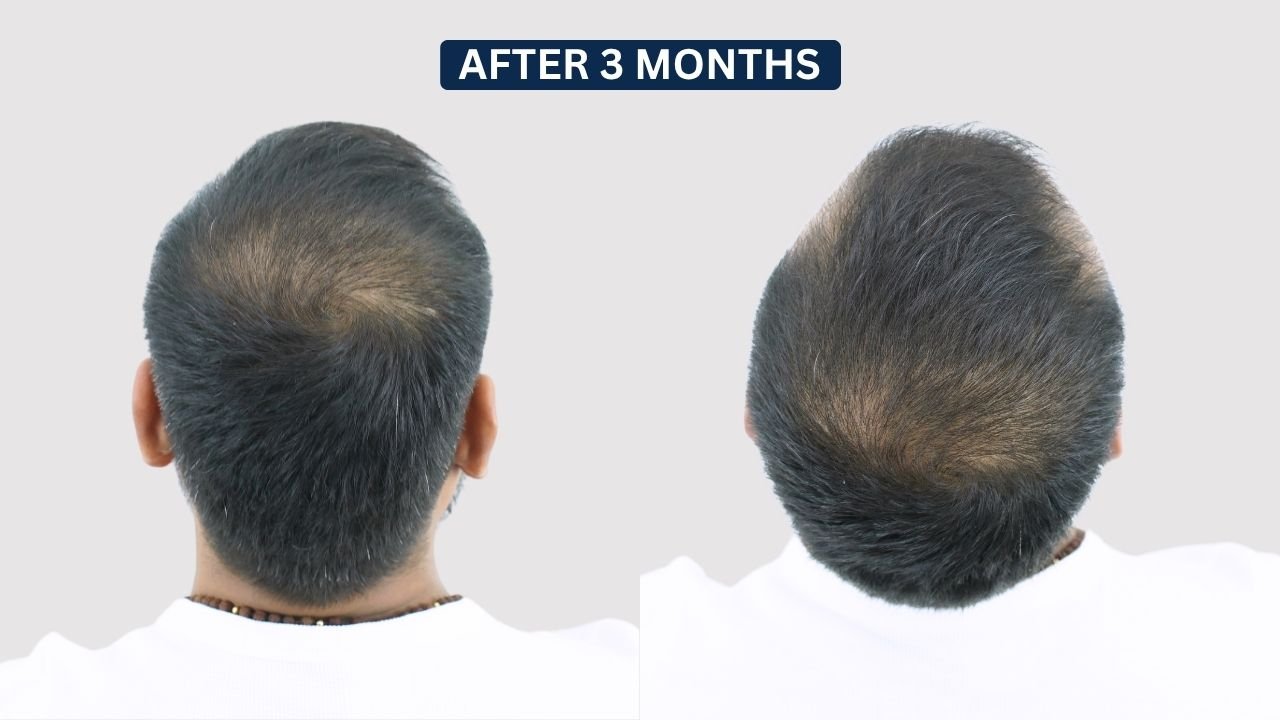
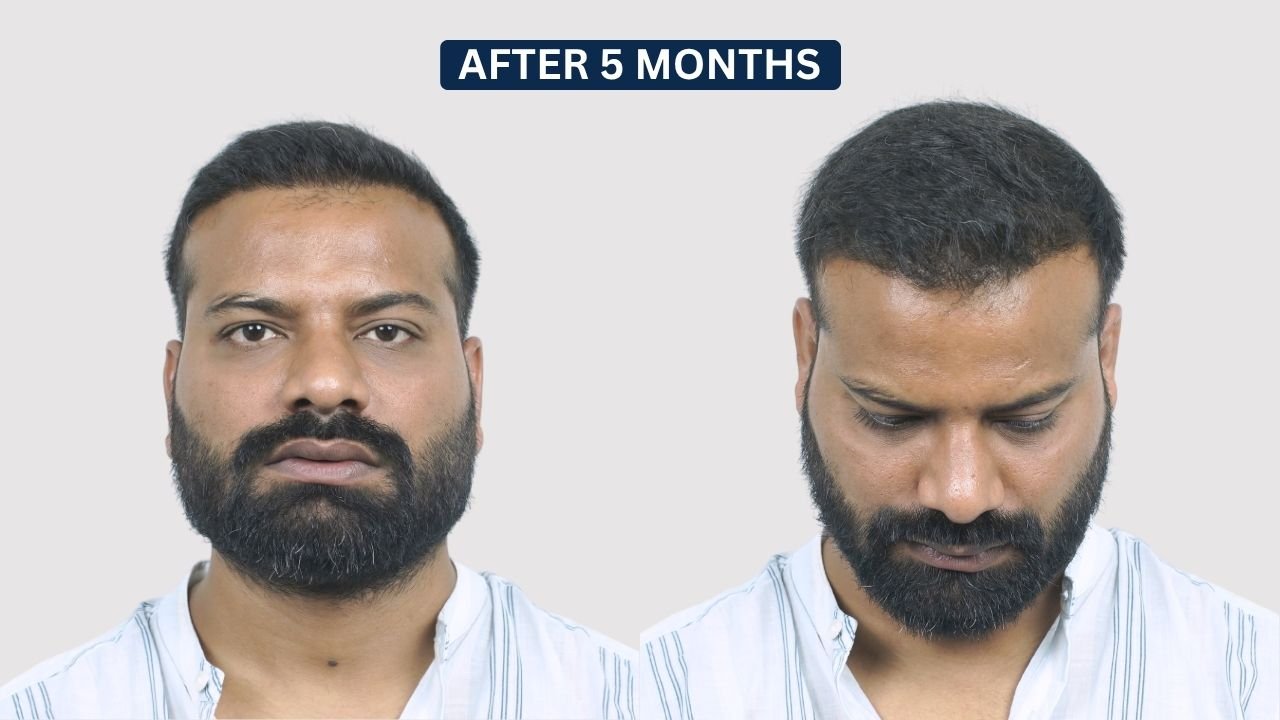
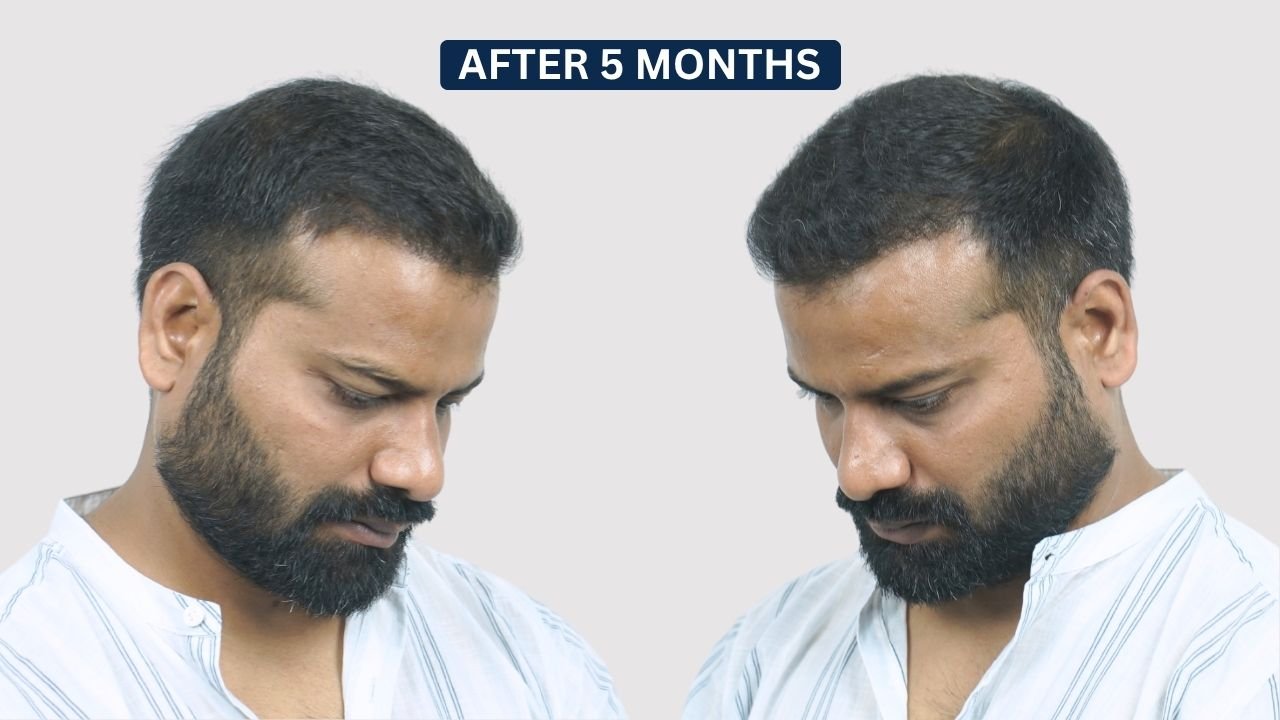
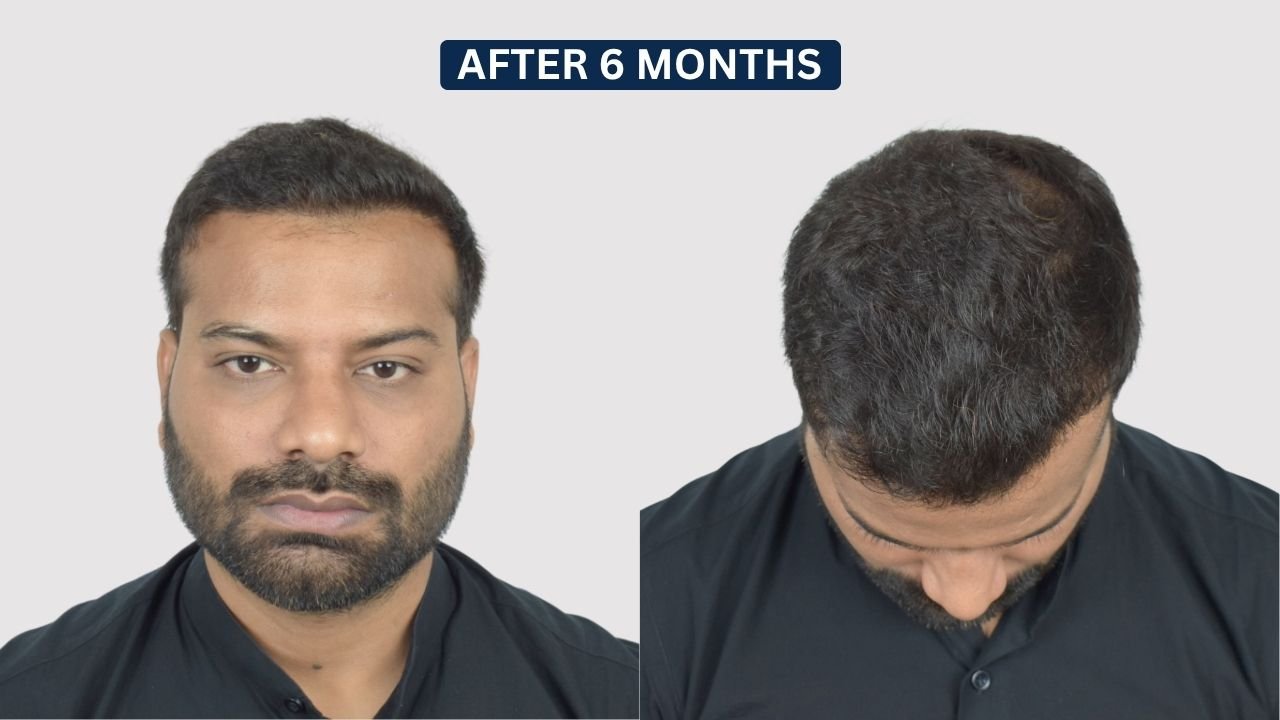
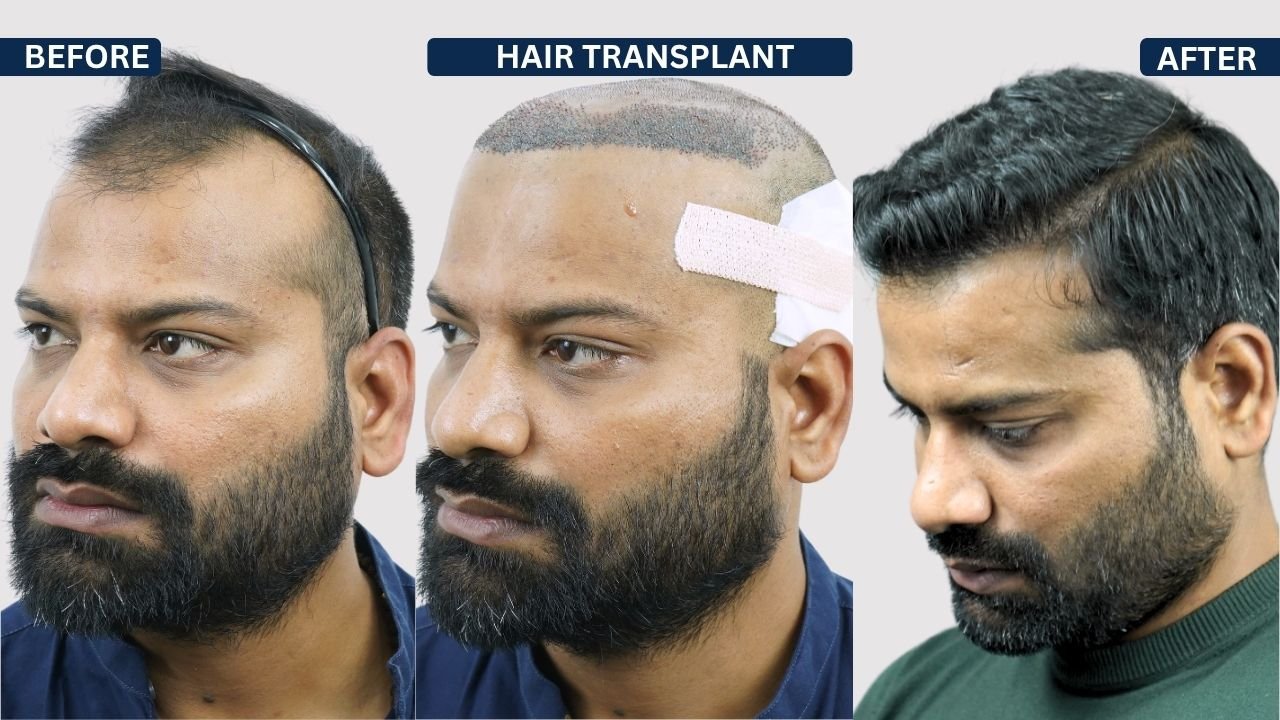
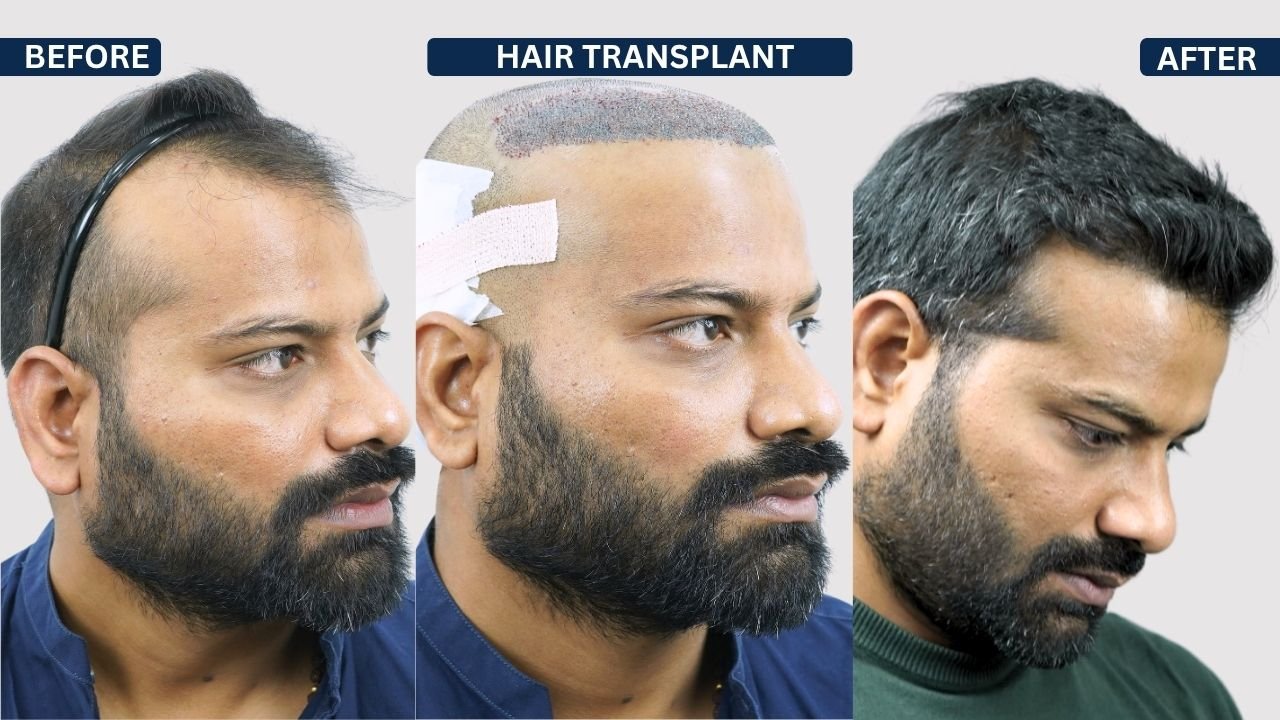
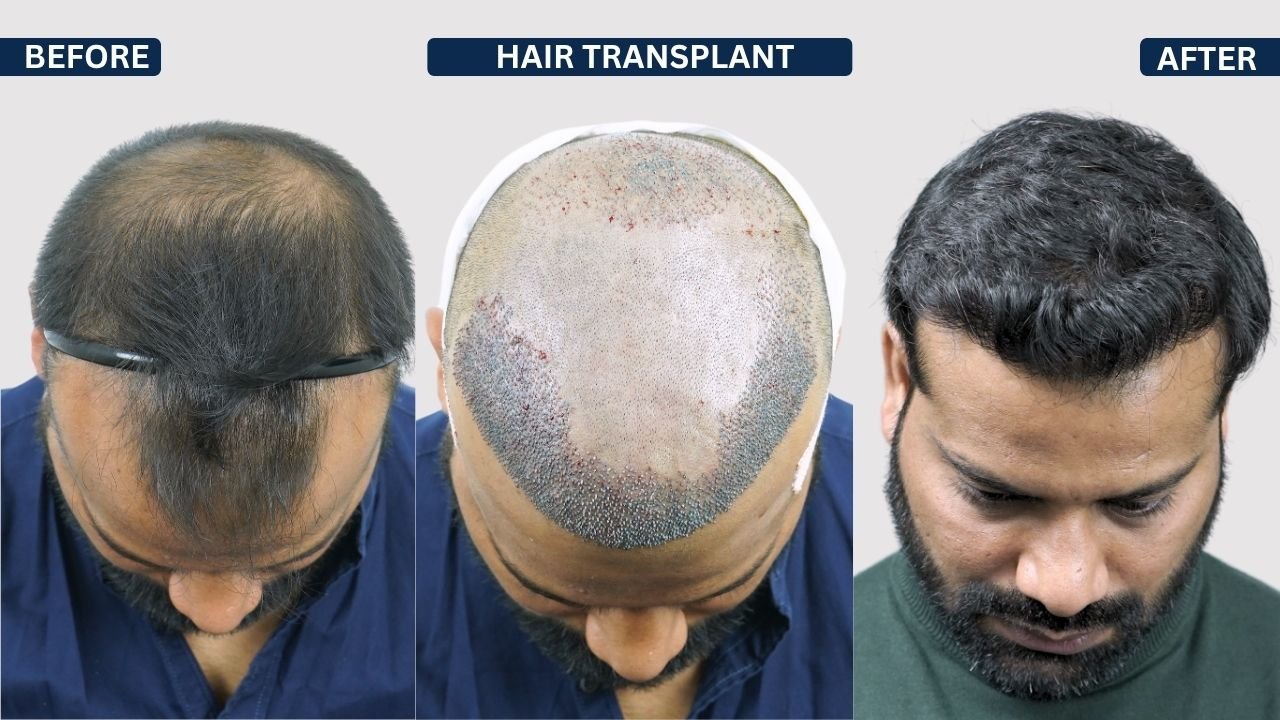
See the 10-month BIG-FUE hair transplant journey of a 30-year-old patient with Grade 4 baldness treated by Dr. Kiran Chotaliya at Hairfree & Hairgrow Clinic, Pune

Patient Consent Notice

This case study is shared with the patient’s informed consent.

Hair transplant results vary from person to person depending on factors such as the degree of baldness, donor hair availability, hair thickness, scalp condition, age, progression of existing hair loss, healing response, medical treatment, and adherence to post-operative care.

The results shown in this patient’s journey should not be considered a guarantee that every patient will achieve the same outcome. A detailed consultation with a qualified hair transplant surgeon is recommended before deciding on treatment.

Patient Profile & Diagnosis

The patient was a 30-year-old male who had been dealing with progressive hair loss for approximately 5 years.

Over time, the recession became increasingly noticeable around the frontal hairline, while the density behind the hairline also started reducing.

His hair-loss pattern was clinically assessed as Grade 4 baldness.

Because he had not undergone any previous surgical or medical hair restoration procedure, the treatment could be planned according to his existing hair-loss pattern and available donor resources.

His main goal was to regain a natural-looking frontal hairline and improve the overall appearance of thinning across the front and central scalp

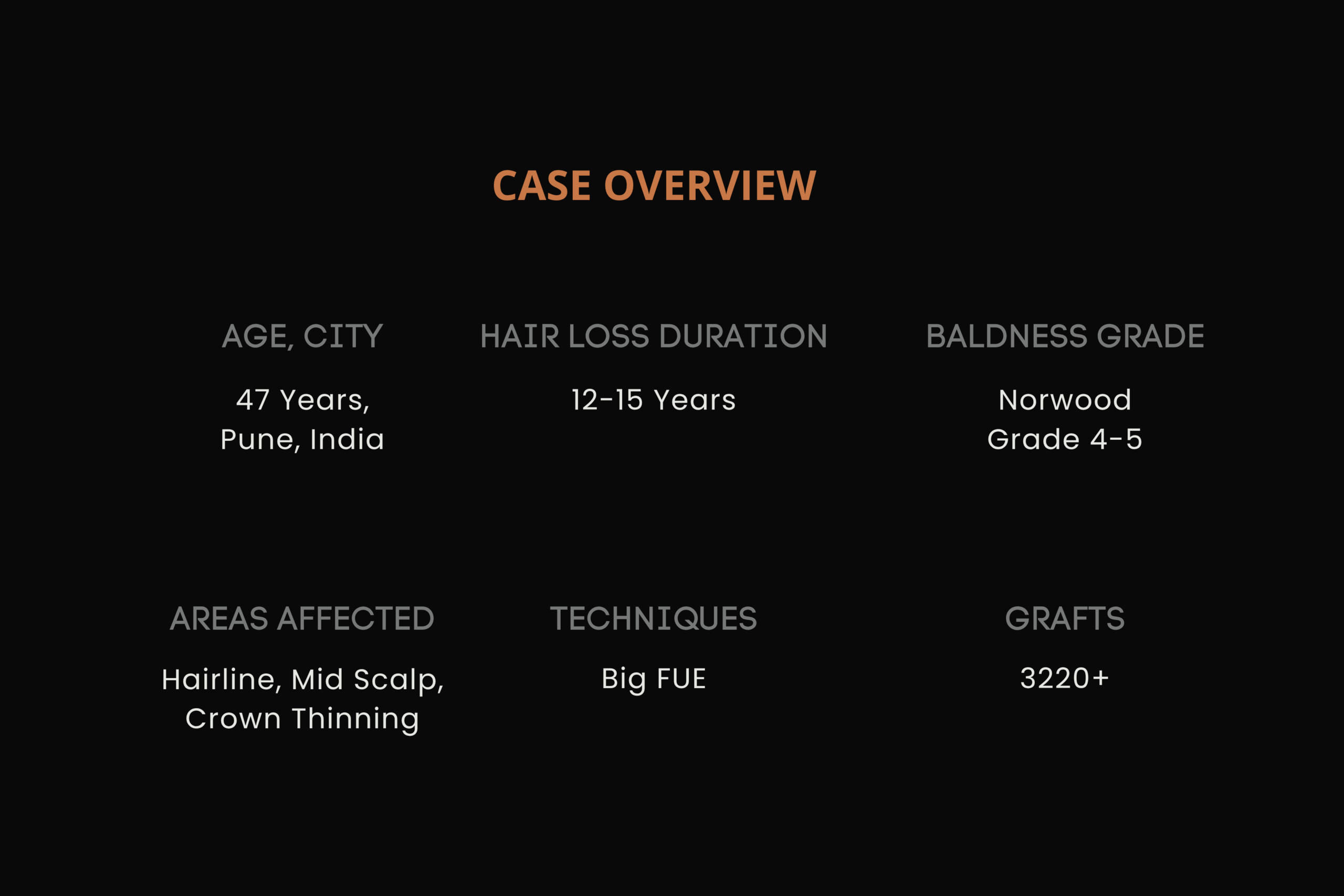
Case Overview

Age, City

47 Years,
Pune, India

Hair Loss Duration

12–15 Years

Baldness Grade

Norwood
Grade 4–5

Areas Affected

Hairline,
Mid Scalp,
Crown Thinning

Techniques

Big FUE

Grafts

3220+

Primary Hair Loss Concerns & Expectations

At 30 years of age, the patient was concerned that his hair loss had progressed considerably within a relatively short period.

The visible recession of the frontal hairline and thinning behind it made the scalp increasingly noticeable, particularly when styling his hair.

His primary concerns included:

  • Progressive hair loss for approximately 5 years
  • Receding frontal hairline
  • Reduced density in the frontal scalp
  • Thinning extending towards the mid-scalp
  • Increased scalp visibility
  • Difficulty maintaining his preferred hairstyle
  • Concern about further progression of hair loss

The patient wanted a result that looked natural for his age rather than an unusually low or overly dense hairline.

His expectation was to achieve better frontal coverage, improved density, and a natural-looking hairline that blended well with his existing hair.

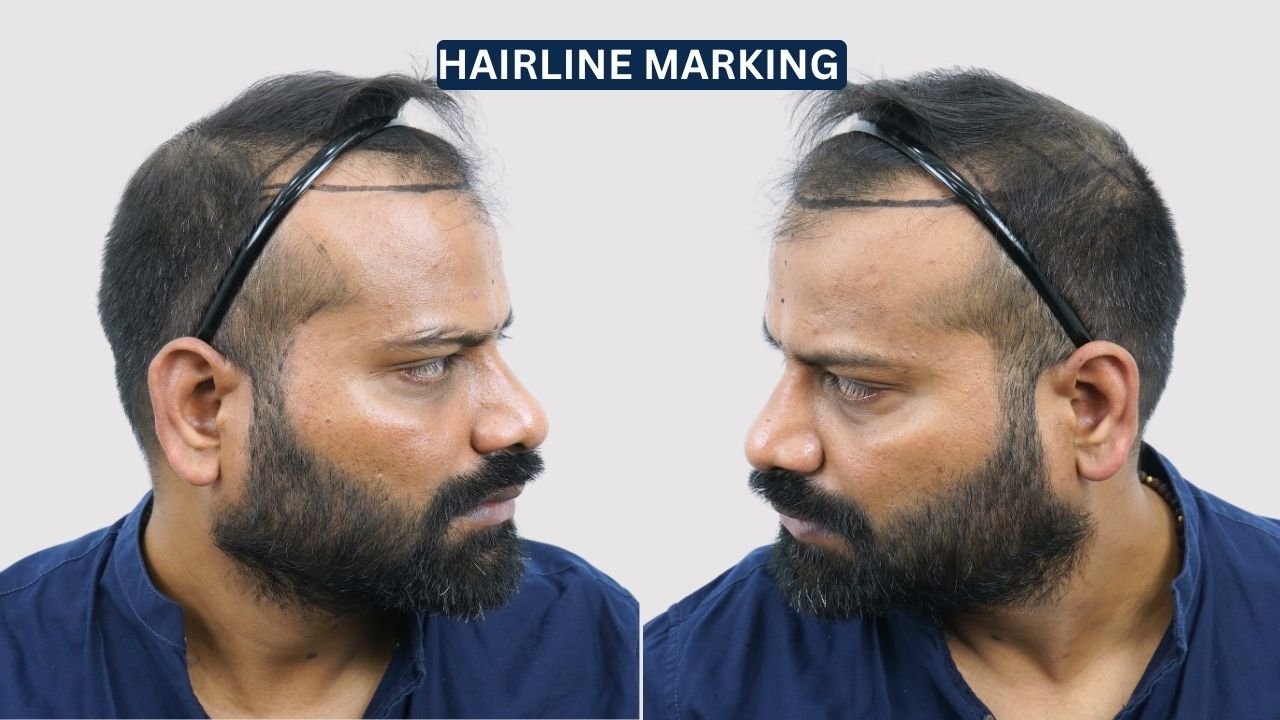
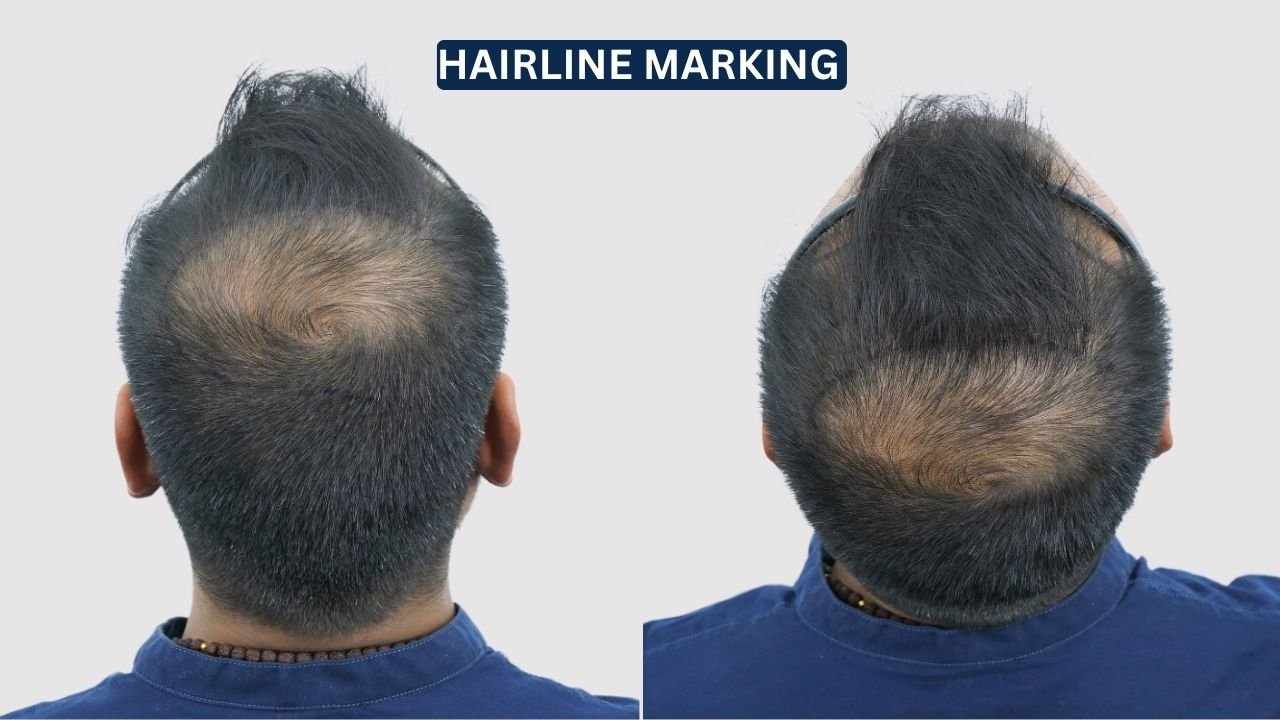
Clinical Assessment & Hairline Designing

Before planning surgery, Dr. Kiran Chotaliya performed a detailed assessment of the patient’s scalp and donor area.

The evaluation included:

  • Detailed hair-loss history
  • Scalp examination
  • Assessment of the pattern and grade of baldness
  • Frontal hairline evaluation
  • Donor-area assessment
  • Hair thickness and quality evaluation
  • Estimation of graft requirements
  • Assessment of existing hair density
  • Planning for future progression of hair loss

Clinical Findings

  • The patient had Grade 4 baldness.
  • The frontal hairline had significantly receded.
  • Frontal scalp density had reduced.
  • Thinning was extending into the mid-scalp.
  • Hairline reconstruction was required.
  • The donor area was assessed for sufficient graft availability.
  • Approximately 3,300 grafts were considered appropriate for the planned coverage.

Since the patient was only 30 years old, long-term planning was particularly important.

Rather than designing an excessively low hairline, the objective was to create an age-appropriate and sustainable frontal hairline while preserving donor resources for the future if additional hair loss occurred.

Personalized Treatment Plan

Considering the patient’s Grade 4 baldness, age, scalp condition, and available donor supply, an individualized treatment plan was prepared.

Surgical Technique

BIG-FUE Hair Transplant

Treatment Strategy:

  • Reconstruct the frontal hairline
  • Restore density in the frontal scalp
  • Improve coverage towards the mid-scalp
  • Reduce visible scalp appearance
  • Use available donor grafts efficiently
  • Maintain natural hair direction and angulation
  • Preserve the donor area for long-term needs
  • Support existing hair with maintenance treatment

Planned Procedure:

  • BIG-FUE Technique
  • Approximately 3,300 grafts
  • Single-day surgical session
  • Post-transplant Minoxidil, PRP and hair vitamins as advised
  • Long-term hair maintenance plan

Surgical Procedure

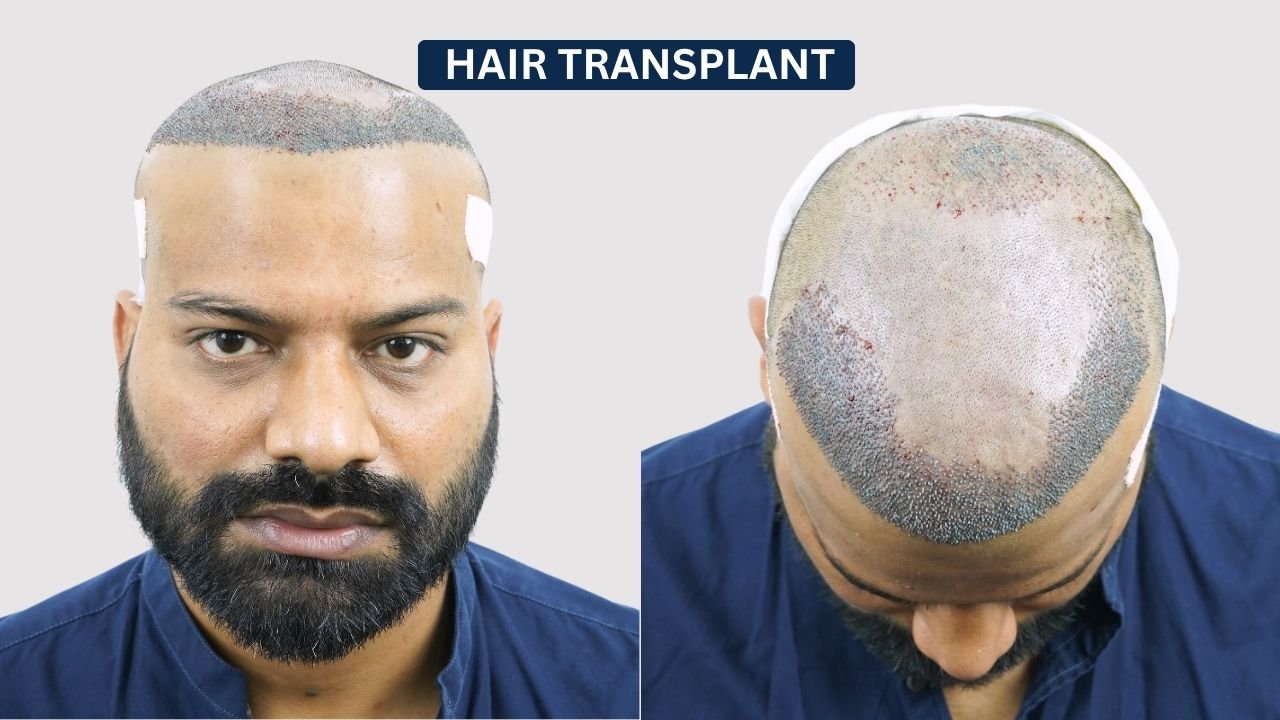
The patient’s hair transplant was planned using the BIG-FUE technique under the guidance of Dr. Kiran Chotaliya.

Follicular units were harvested from the donor area and strategically placed in the areas requiring improved coverage.

Procedure Highlights

Technique:
BIG-FUE

Grafts Planned:
Approximately 3,300

Grade of Baldness:
Grade 4

Duration:
Single-day surgical session

The graft distribution was planned according to the patient’s facial proportions, existing hair, hair-loss pattern, and long-term requirements.

Special attention was given to the frontal hairline because this area has a major influence on the overall appearance of a hair transplant.

The placement of follicular units was planned to follow the patient’s natural direction and angle of hair growth, helping the transplanted area blend more naturally with the surrounding hair.

Post-Operative Care

After the procedure, the patient was given detailed post-operative instructions to protect the transplanted grafts and support proper healing.

The aftercare protocol included:

  • Taking all prescribed post-hair-transplant medicines as advised
  • Sleeping according to the recommended post-operative instructions
  • Maintaining a healthy diet
  • Avoiding strenuous exercise for approximately 10–15 days
  • Protecting the transplanted area from excessive sunlight
  • Wearing a loose-fitting cap outdoors when advised
  • Starting gentle head washing from approximately Day 7 with a mild or recommended shampoo
  • Avoiding scratching or rubbing the transplanted area
  • Attending scheduled follow-up appointments

Following the recommended post-operative care is particularly important during the first few days because the newly implanted follicular units need time to settle securely.

Detailed Graft Breakdown for NW3 Restoration

Single Hair Grafts
530
For Natural Hairline
Multi Hair Grafts
2480
Mid Scalp Coverage
Total Grafts Done
3010
Total Grafts Transplanted: (add case specific number)
Parameter
No. of Grafts
Details
Single hair grafts
530
For natural hairline
Multi hair grafts
2480
Mid scalp coverage
Total grafts done
3010

Long-Term Hair Maintenance Plan

A hair transplant restores follicles in areas where hair has already been lost, but it does not completely prevent the patient’s existing non-transplanted hair from thinning in the future.

This is especially important in a 30-year-old patient, where further progression of pattern hair loss may still occur.

The patient was therefore advised to continue:

  • Healthy hair-supportive diet
  • Good lifestyle habits
  • Minoxidil when prescribed
  • Maintenance serum when advised
  • PRP sessions when recommended
  • Hair vitamins if clinically advised
  • Regular monitoring of existing hair
  • Follow-up consultation if increased hair fall develops

Long-term maintenance helps support existing native hair while allowing the transplanted hair to mature gradually.

Month-by-Month Hair Transplant Growth Timeline

Week 1–2: Initial Healing

During the first two weeks, the main focus was protecting the newly transplanted grafts and allowing the scalp to heal.

Mild redness, crusting, or small scabs can appear during this stage as part of the normal healing process.

The patient followed the advised washing and post-operative care instructions while avoiding unnecessary pressure or friction over the transplanted area.

As the days progressed, the scalp gradually settled and the initial post-procedure changes reduced.

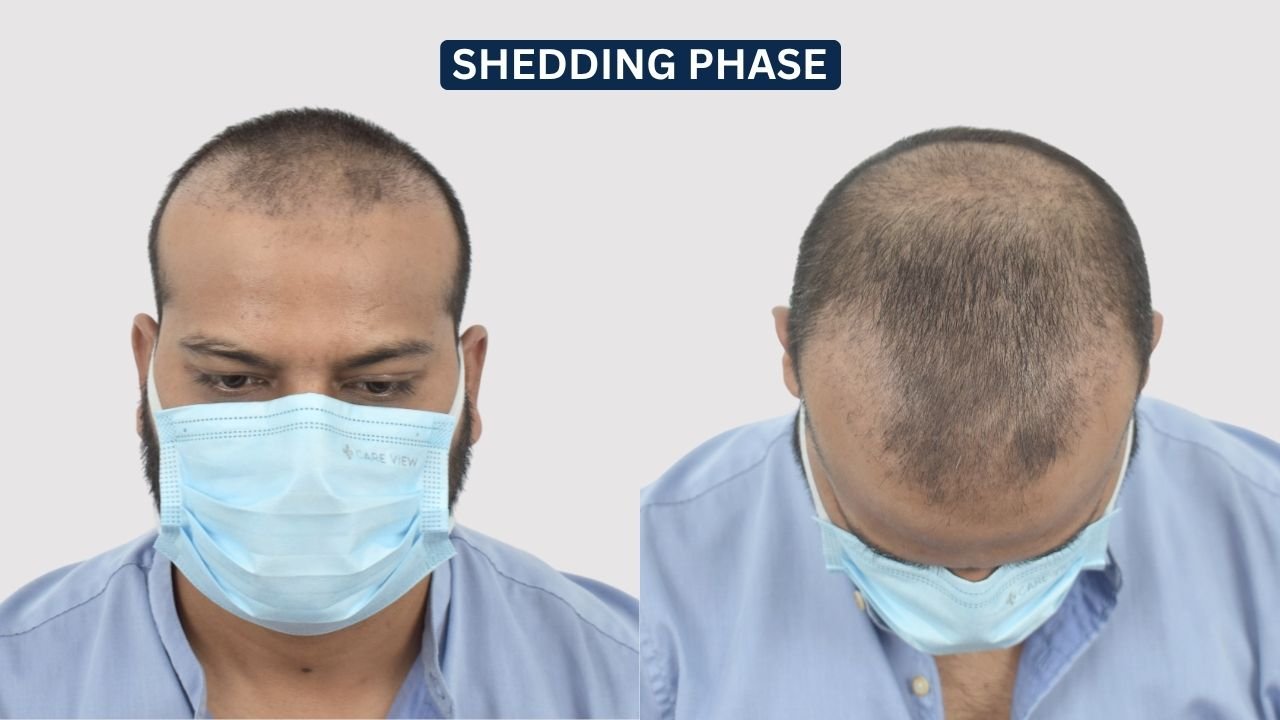
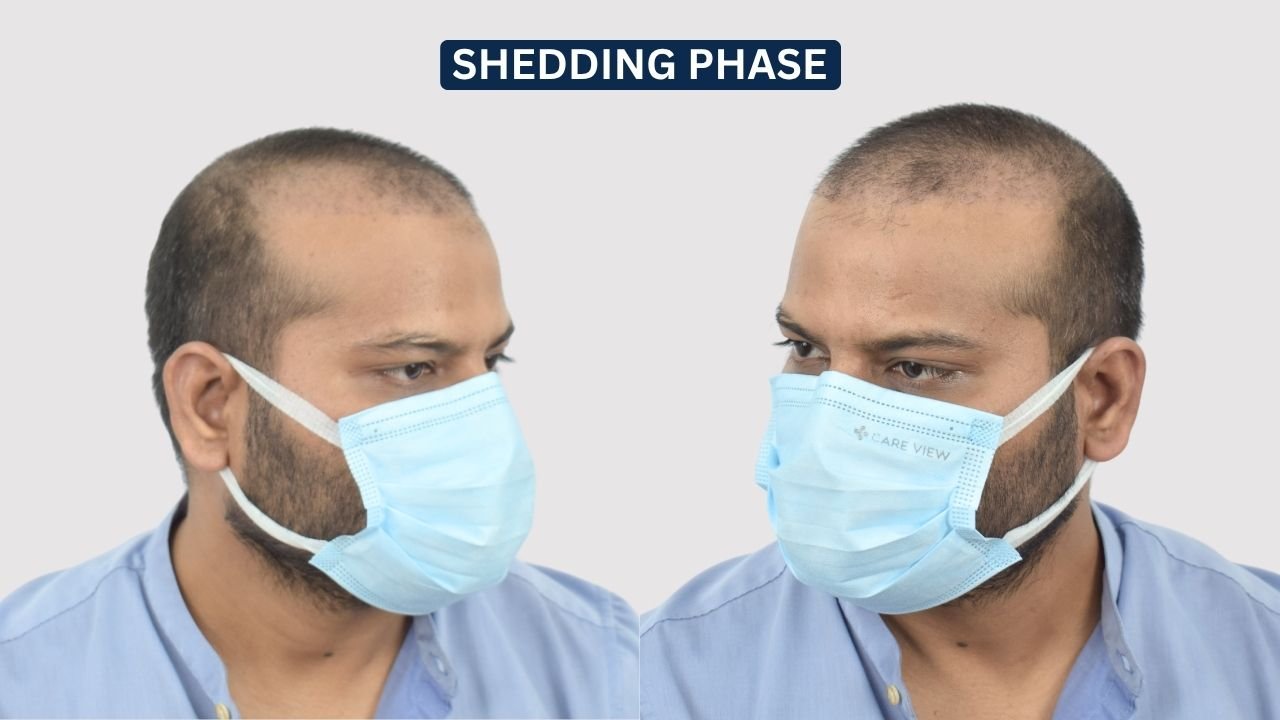
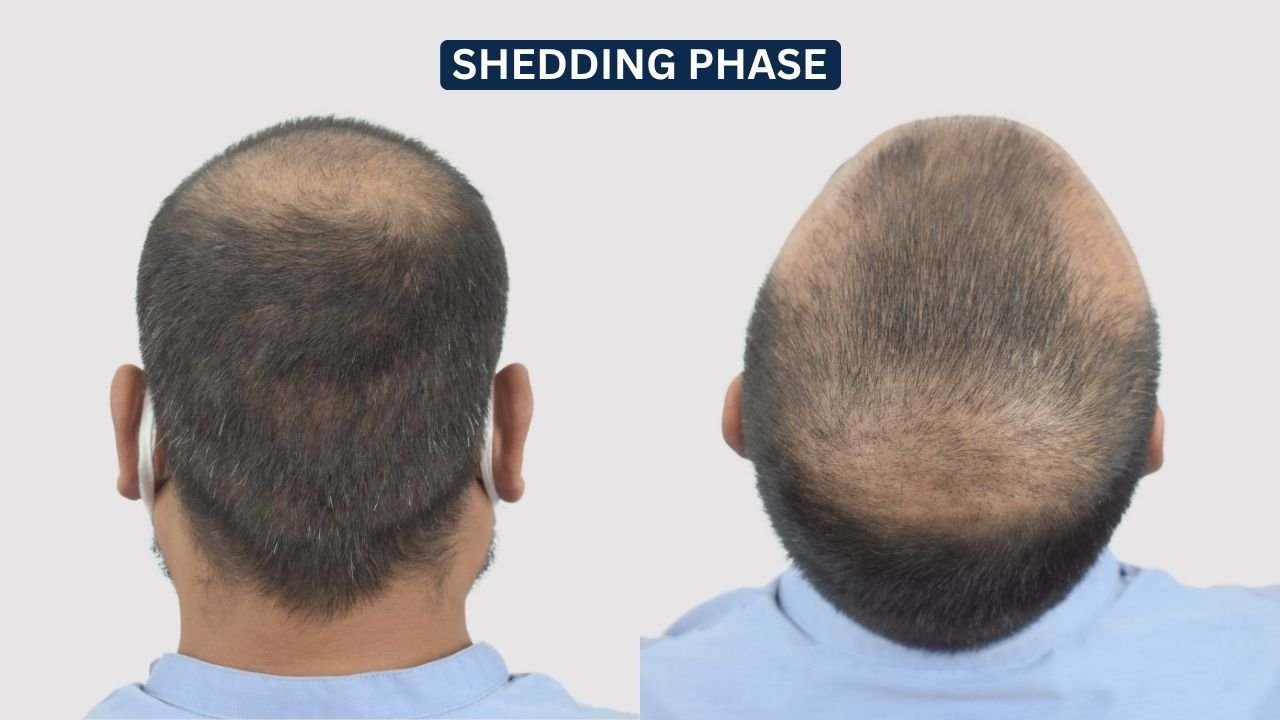
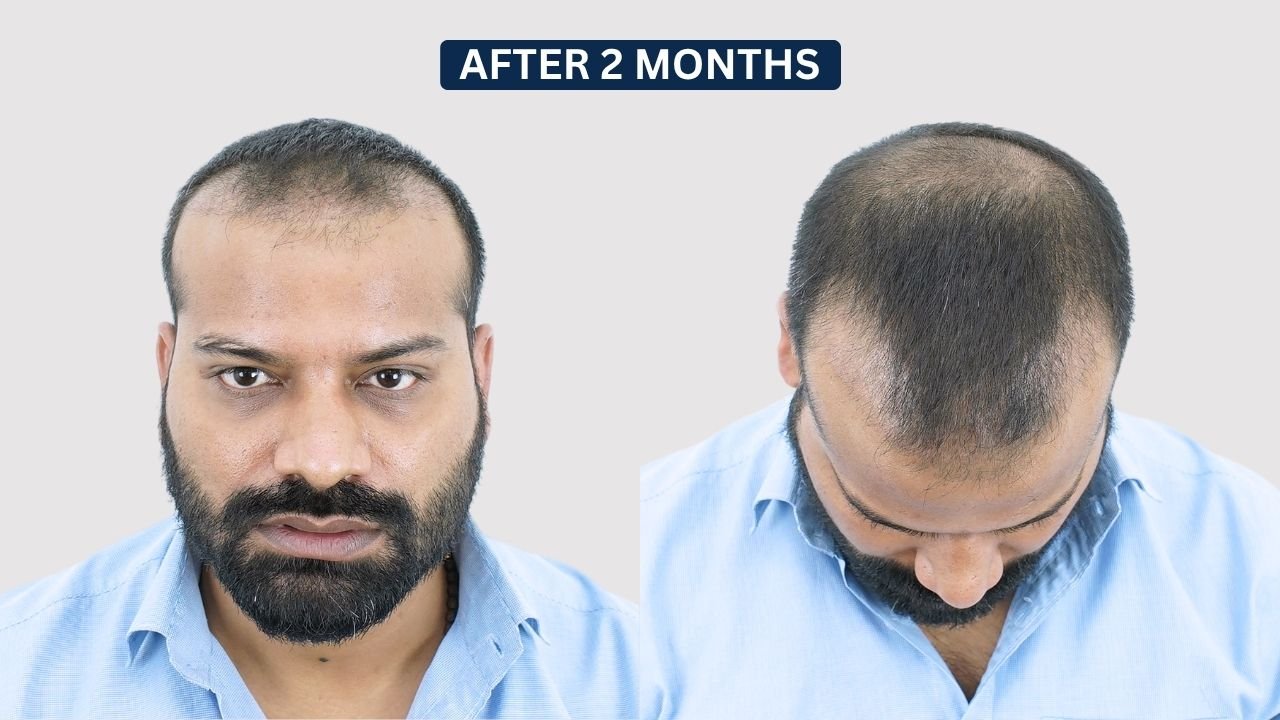
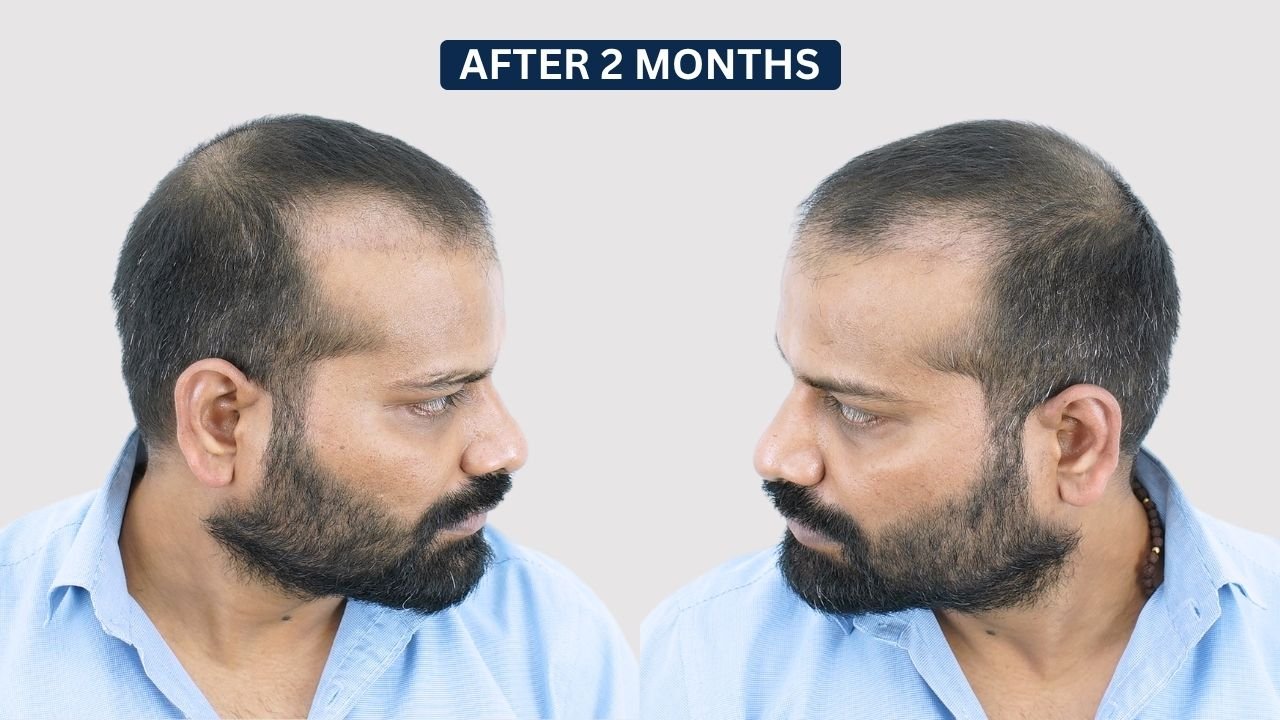
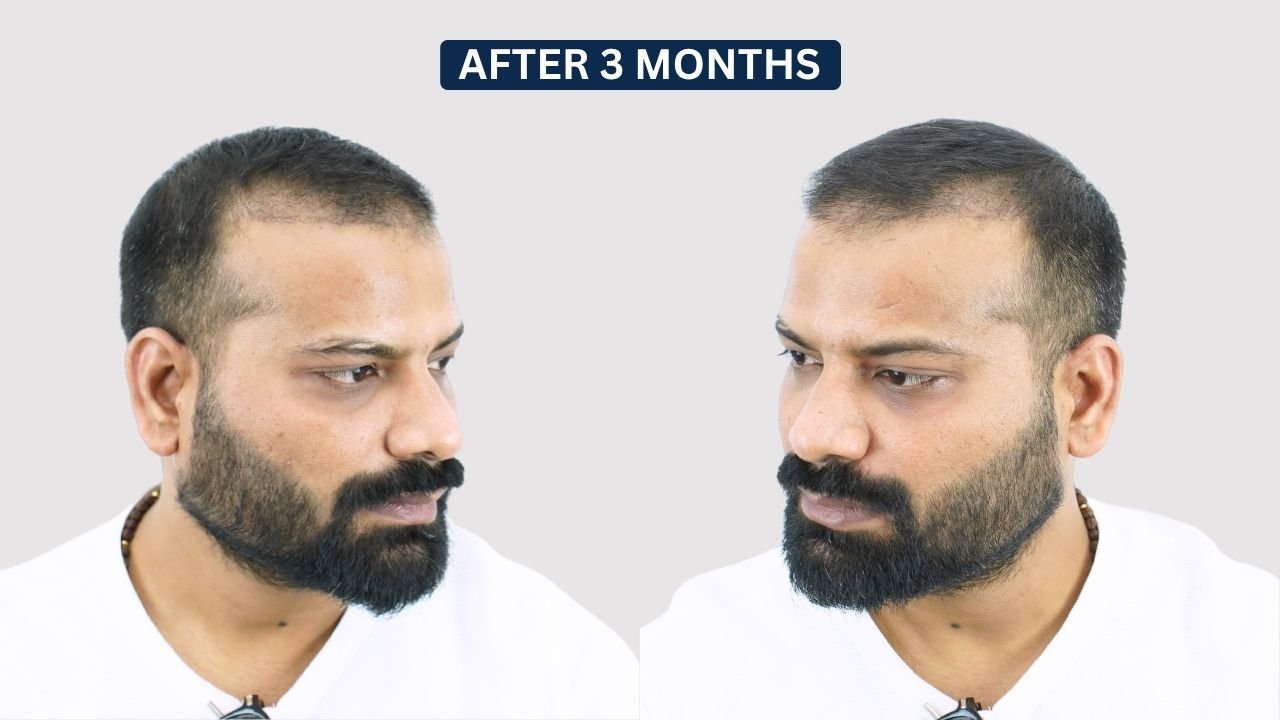
Month 1–3: Shedding Phase

During the first few months, some of the transplanted hair entered the temporary shedding phase.

Although this can initially concern patients, temporary shedding of transplanted hair shafts is commonly seen during the early part of the hair transplant growth cycle.

The follicles remain beneath the scalp and gradually prepare to produce new hair.

During this period, supportive treatments such as Minoxidil, PRP, or hair vitamins may be continued when recommended by the treating doctor.

Visible density during these months should not be considered the final result.

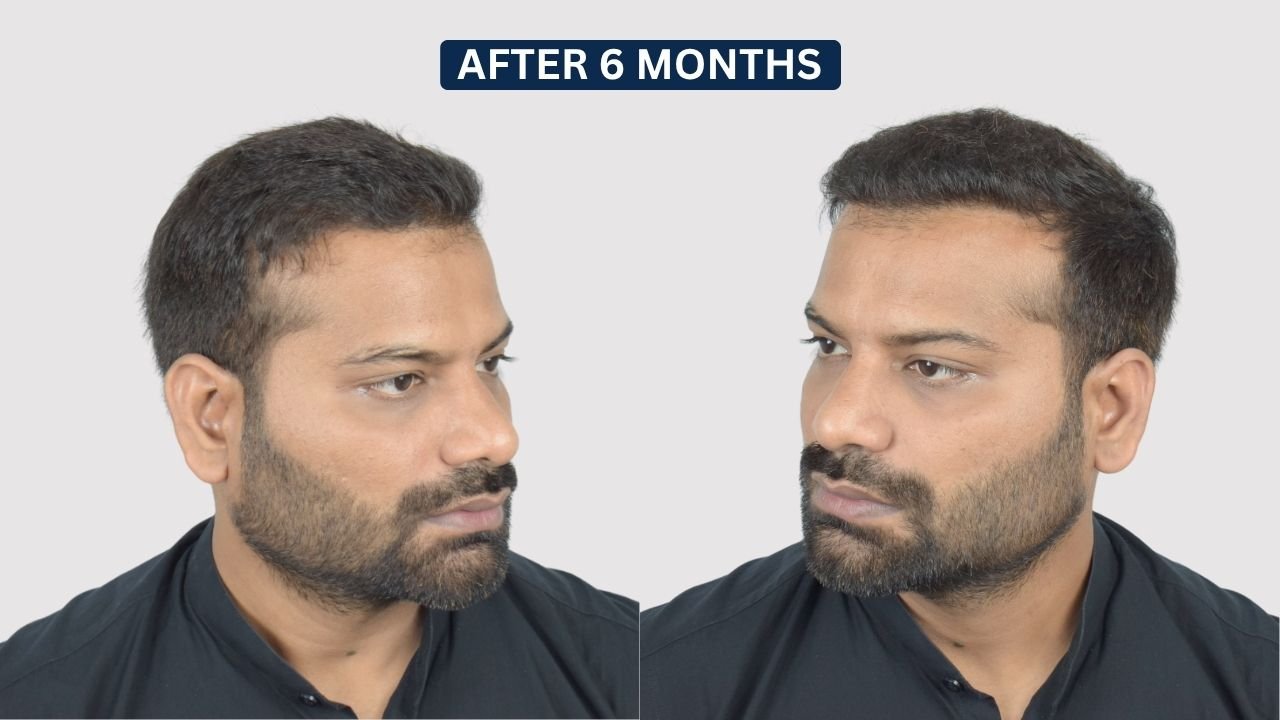
Month 4–6: Early Growth

From around the fourth month onward, new transplanted hairs gradually started becoming noticeable.

Initially, the emerging hairs could appear fine, short, and slightly uneven in thickness.

As growth continued, the patient gradually began noticing:

  • Better definition of the frontal hairline
  • Improved frontal scalp coverage
  • Early improvement in density
  • Reduced scalp visibility
  • Better blending with the existing hair

This stage represented the beginning of visible cosmetic improvement.

The transplanted hair still required several more months to gain thickness, length, and maturity.

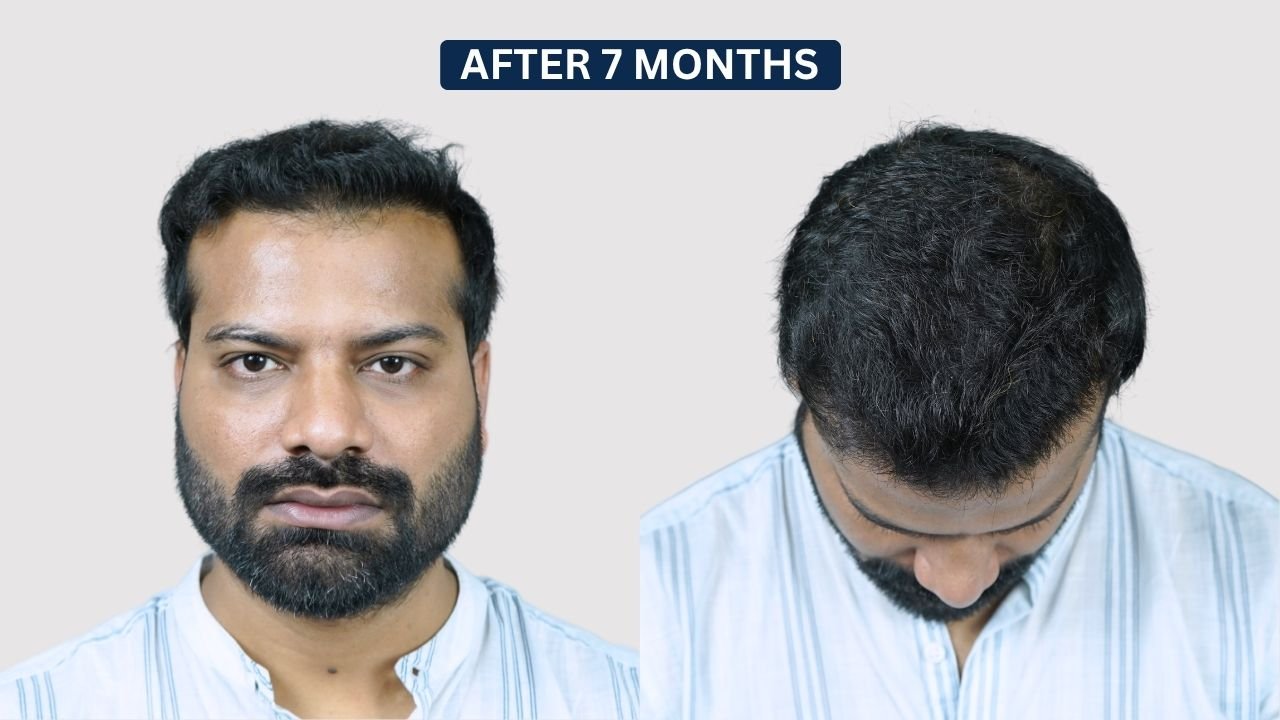
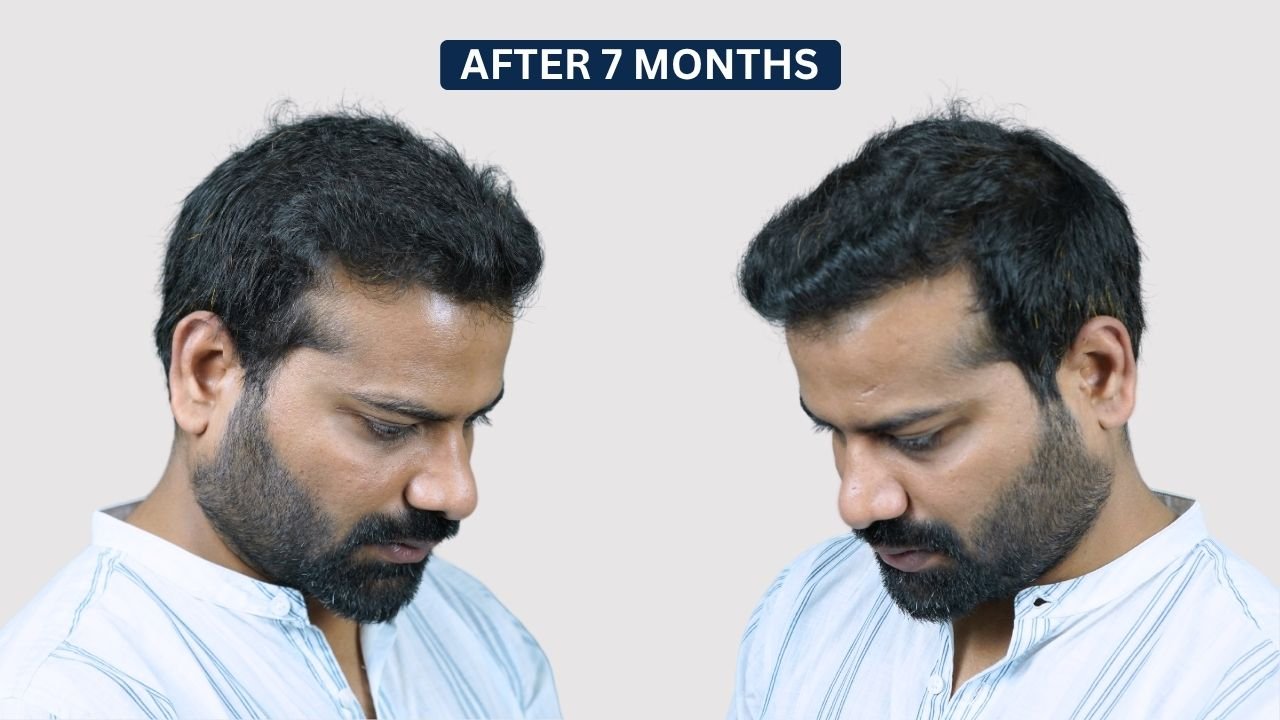
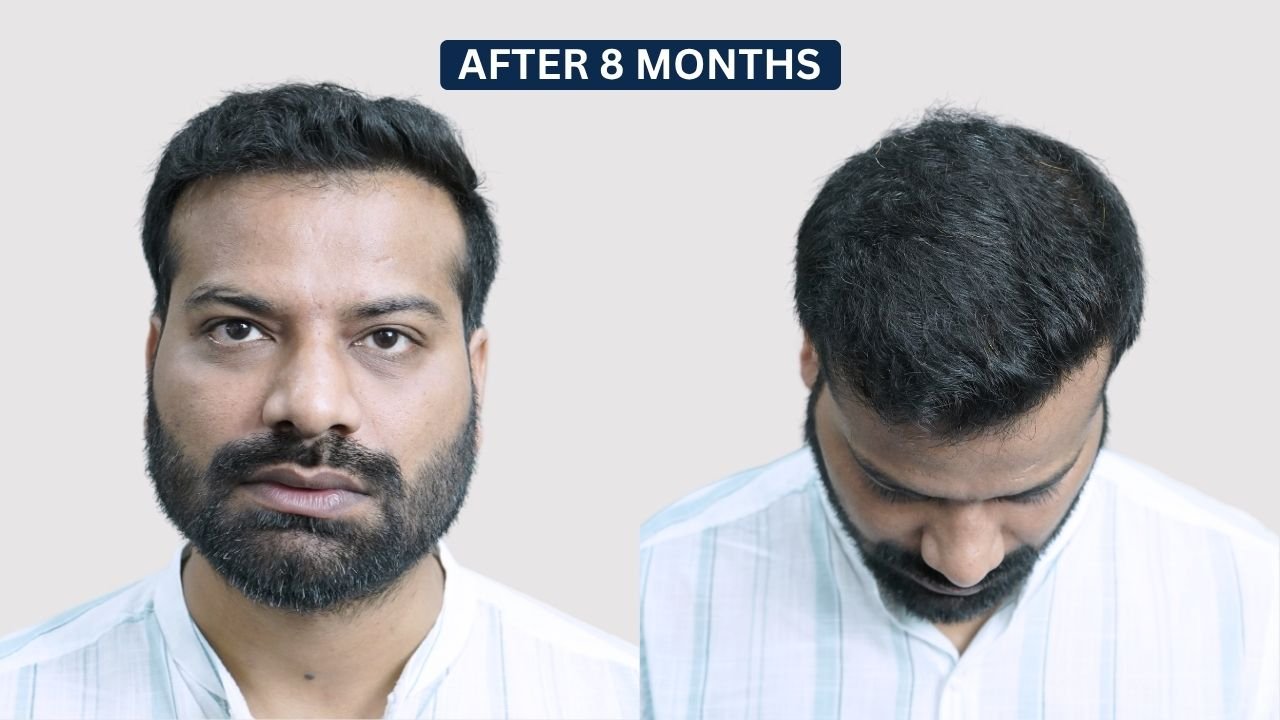
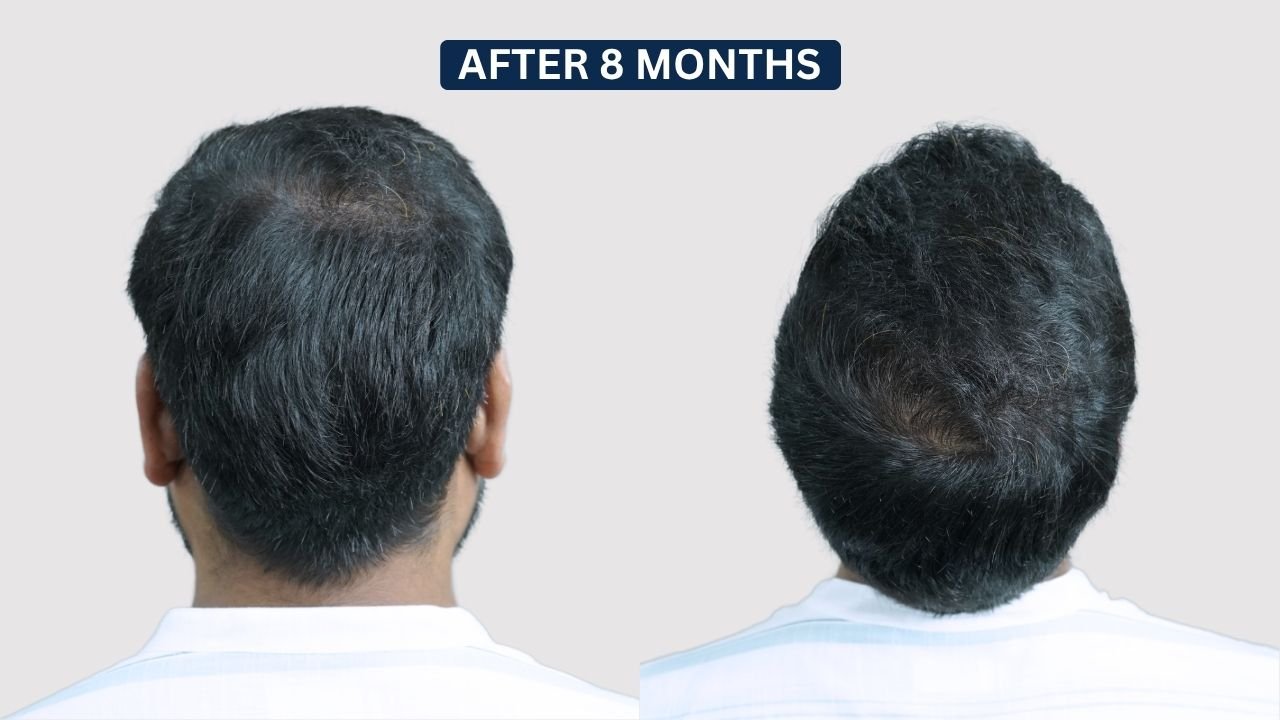
Month 7–8: Progressive Density Improvement

During the seventh and eighth months, the transplanted hair continued to grow longer and gradually appeared thicker.

More follicles had entered the active growth phase, making the improvement in the frontal area increasingly noticeable compared with the earlier months.

The patient began to see:

  • Increased frontal density
  • Better hairline definition
  • Improved coverage behind the hairline
  • More natural blending with existing hair
  • Reduced visibility of the scalp

Hair texture and thickness continued to mature during this stage.

Month 9–10: Significant Density Improvement

By the 9th and 10th month, the transplanted hair had progressed considerably compared with the early growth stage.

At the patient’s 10-month follow-up, the frontal hairline appeared more established and the transplanted hairs had developed greater length and maturity.

The progress during this period included:

  • More defined frontal hairline
  • Improved frontal scalp density
  • Better coverage towards the mid-scalp
  • Reduced scalp visibility
  • Thicker transplanted hair
  • Improved blending with existing hair
  • Fuller overall appearance

The 10-month follow-up provides a meaningful view of the patient’s progress after his BIG-FUE hair transplant.

Although many transplanted hairs had already matured considerably by this stage, some improvement in thickness and texture may continue over the following months.

The 10-month visit represents the latest documented follow-up in this patient’s hair transplant journey.

By the later follow-up period, the transplanted hair had become more noticeable, with continued improvement in thickness, length, and density.

At the patient’s 11-month follow-up, the overall change could be appreciated more clearly compared with his pre-transplant condition

The patient showed:

  • A more defined frontal hairline
  • Improved frontal scalp density
  • Better mid-scalp coverage
  • Reduced scalp visibility
  • Improved blending with existing hair
  • Thicker and more mature transplanted hair
  • A fuller overall appearance

The transplanted hairs had continued to mature throughout the 9–11 month period, creating better visual coverage across the treated areas.

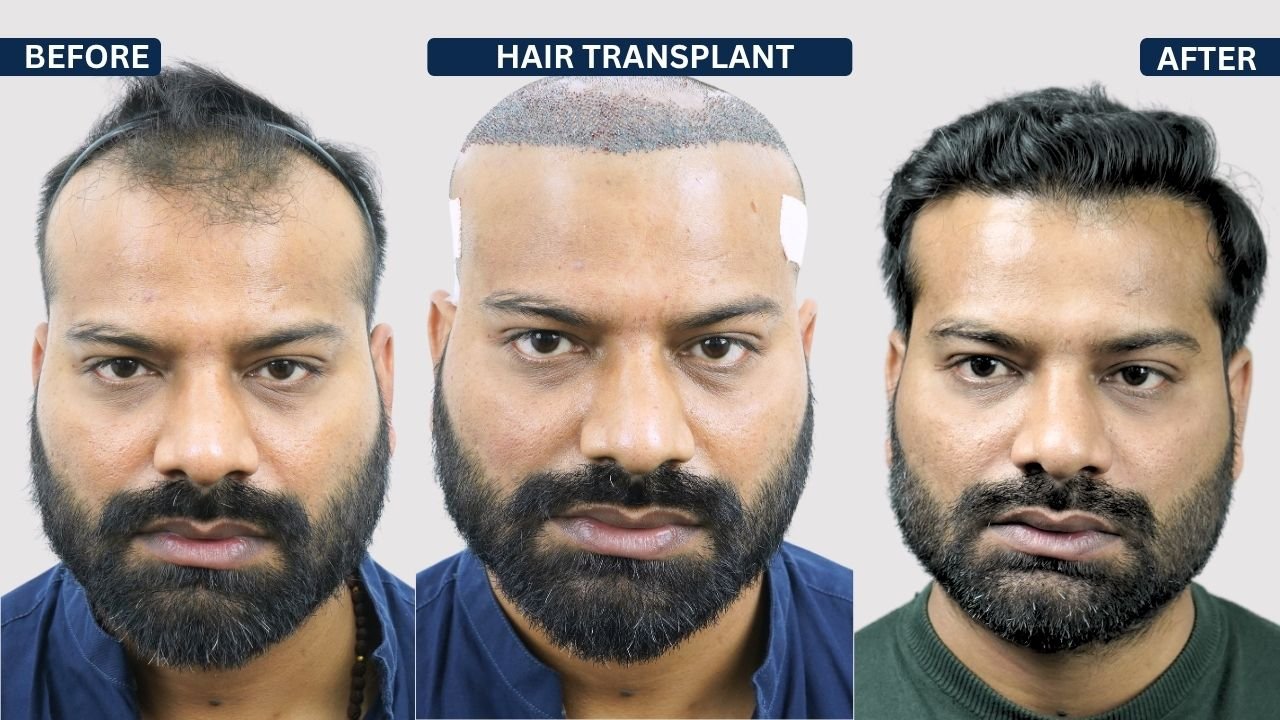
At 11 months, the patient’s progress showed a significant improvement compared with his initial Grade 4–5 baldness presentation.

Male Hair Transplant Before & After Results

The Change: A New Beginning

For this patient, the journey was about much more than regaining hair—it was about rebuilding confidence after years of disappointment.

After living with unsuccessful FUT and FUE procedures, the BIG-FUE corrective hair transplant provided a natural, fuller appearance that complemented his facial features and age.

Today, he feels more confident in both professional and personal settings, with results that reflect careful planning, surgical precision, and long-term hair management.

What Our Patients Says

Why Choose Dr. Kiran Chotaliya for Your Hair Restoration

  • Expert Surgical Leadership: Dr. Kiran Chotaliya is a premier hair transplant surgeon in Pune, specializing in complex NW3 to NW7 cases with a focus on surgical artistry.
  • Superior BIG-FUE Advantage: Our signature technique ensures maximum graft survival and high-density results without the downtime of traditional methods.
  • Natural Hairline Aesthetics: We utilize ultra-refined single-hair grafts to create soft, undetectable hairlines that match your natural growth pattern perfectly.
  • Strict Safety & Handling: Our clinic follows international protocols for graft storage and handling, ensuring every follicle has the best chance of flourishing.
  • Holistic Preservation Plan: We provide a lifetime hair management strategy, including PRP and medical support, to prevent future hair loss beyond the transplanted area.

FAQ'S

1. How many grafts were used in this Grade 4 hair transplant case?

Approximately 3,300 grafts were planned using the BIG-FUE technique to restore the frontal hairline and improve density across the thinning areas.

Early growth may begin around 3–4 months, while more noticeable density usually develops between 6–10 months. In this case, the latest documented follow-up was at 10 months.

BIG-FUE may be suitable for Grade 4 baldness when the donor area has adequate follicular units. Suitability depends on donor density, hair quality, scalp condition, age, and future hair-loss pattern.

Yes. Hair thickness, texture, and overall maturity may continue to improve beyond 10 months. Final maturation can vary from patient to patient.


An educational hair care book written by MD Dermatologist Dr. Kiran Chotaliya, offering expert medical guidance on preventing hair loss and maintaining scalp health.

Thinking about Hair Transplant?
Read this First.

Hair Transplant in Pune

Dr. Kiran Chotaliya is a leading hair transplant surgeon in Pune, specializing in advanced techniques like FUE and FUT for natural, lasting results. His expertise and patient-centered care ensure successful hair restoration with exceptional outcomes.

Follow Us

GET IN TOUCH

© 2026 Developed & Handle By Dr. Kiran Chotaliya Clinic Team

Location

© 2026 Developed & Handle By Dr. Kiran Chotaliya Clinic Team

Scroll to Top