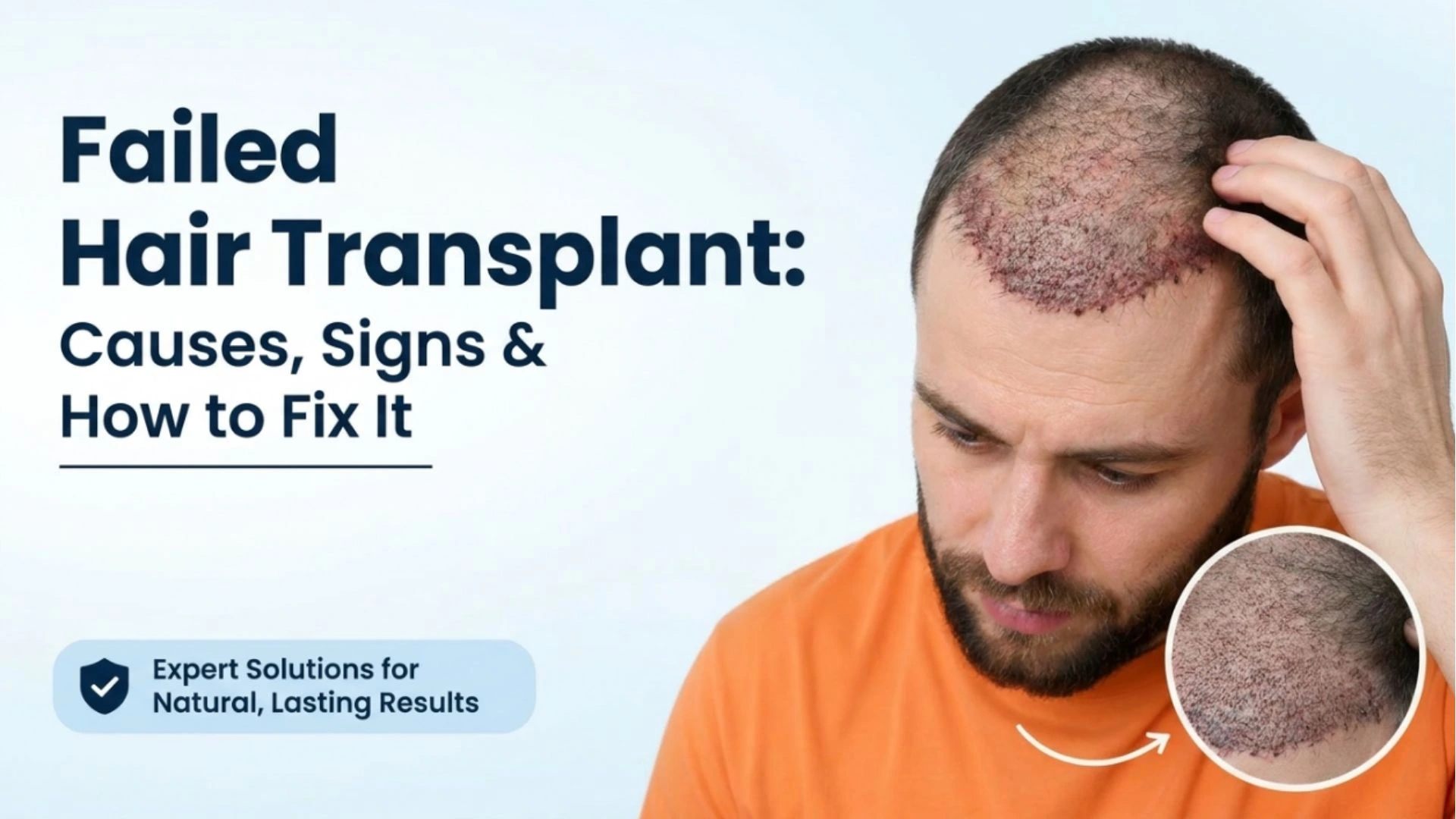
A hair transplant can be a life-changing procedure, restoring both hair and confidence. However, not every hair transplant delivers the expected results. Some patients experience poor hair growth, unnatural hairlines, visible scarring, or patchy density, leading them to believe their hair transplant has failed.
The good news is that many failed hair transplant in Pune can be corrected with modern hair restoration techniques. In this guide, we’ll discuss the common causes of hair transplant failure, warning signs to watch for, and available treatment options.
Experiencing Poor Hair Design or Growth?
If you are unhappy with a past procedure, don’t lose hope. Schedule a private evaluation with a certified hair restoration specialist in Pune today to explore your medical repair options.
A hair transplant fails primarily due to poor graft handling, faulty clinical techniques, or inadequate post-operative care. Common signs include a patchy look, an unnatural hairline, or low hair density after 12 months. Specialists can repair these outcomes using a secondary Follicular Unit Extraction (FUE) procedure, corrective hair camouflage, or regenerative options like PRP therapy.
A hair transplant is considered unsuccessful when the final outcome does not meet medical or aesthetic expectations. This may include poor graft survival, inadequate density, unnatural appearance, excessive scarring, or complications that affect the overall result.
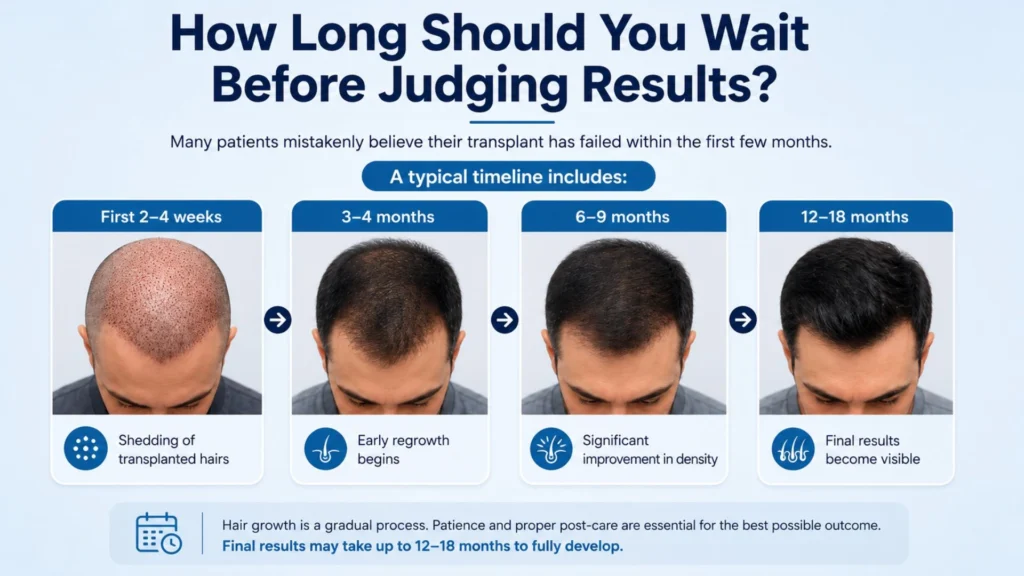
While some patients worry too early, it’s important to remember that final hair transplant results typically take 12 to 18 months to fully develop.
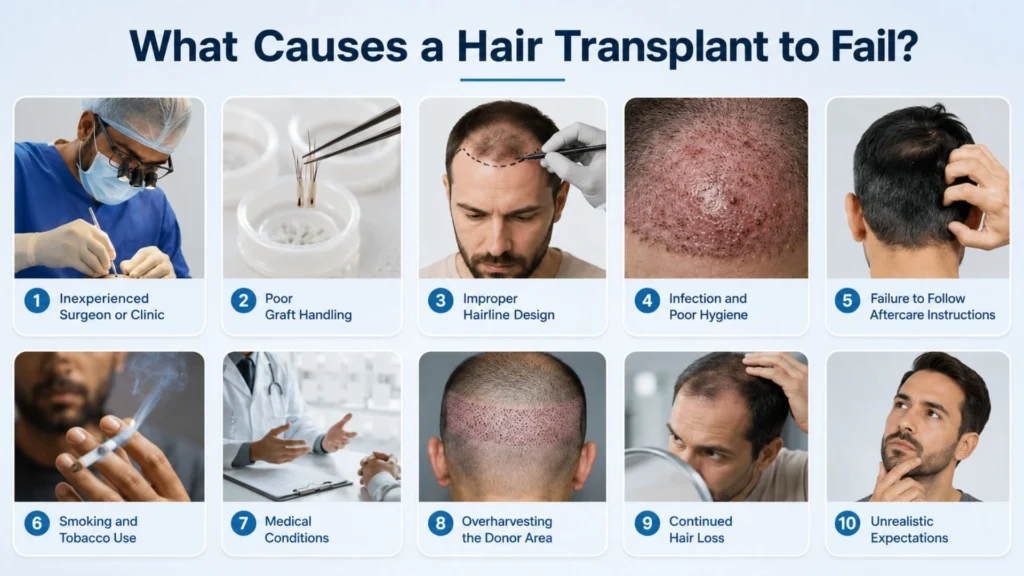
Understanding the Causes of Hair Transplant to Fail can help patients avoid poor outcomes and choose the right treatment. Factors such as inexperienced surgeons, improper graft handling, infection, and poor aftercare can affect the success of a hair transplant.
1) Inexperienced Surgeon or Clinic
The success of a hair transplant largely depends on the skill and experience of the surgeon. Poor planning, improper graft placement, and inadequate surgical techniques can result in unsatisfactory outcomes.
2) Poor Graft Handling
Hair follicles are extremely delicate. If grafts are damaged during extraction, storage, or implantation, they may not survive and grow properly.
3) Improper Hairline Design
A poorly designed hairline can make the transplant look unnatural. Hairline planning should consider facial proportions, age, and future hair loss patterns.
4) Infection and Poor Hygiene
Although uncommon, infections can interfere with healing and damage newly implanted grafts. Maintaining proper scalp hygiene after surgery is essential.
5) Failure to Follow Aftercare Instructions
Patients who scratch the scalp, expose it to excessive sunlight, smoke, drink alcohol, or engage in strenuous exercise too soon may compromise graft survival.
6) Smoking and Tobacco Use
Smoking restricts blood flow and oxygen delivery to the scalp, affecting healing and reducing the chances of successful graft growth.
7) Medical Conditions
Uncontrolled diabetes, thyroid disorders, autoimmune diseases, and nutritional deficiencies can impact wound healing and hair growth.
8) Overharvesting the Donor Area
Removing too many grafts from the donor area can leave visible thinning and make future procedures more challenging.
9) Continued Hair Loss
A hair transplant does not stop natural hair loss. If surrounding hair continues to thin, the transplanted area may appear uneven over time.
10) Unrealistic Expectations
Some patients expect immediate or extremely dense results. Understanding realistic outcomes is important before undergoing the procedure.
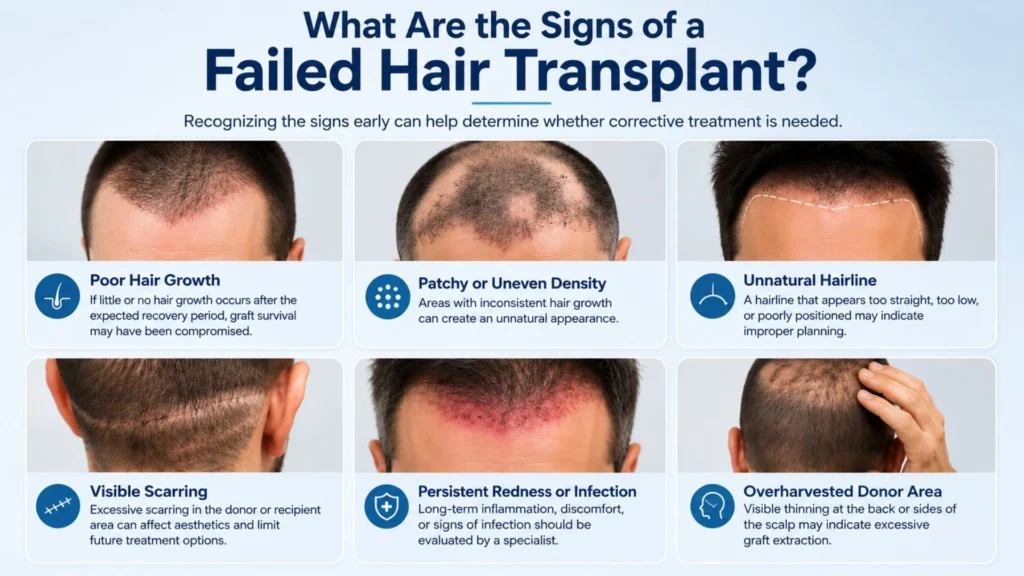
Many patients wonder how they can tell if their hair transplant has failed. Recognizing the Signs of Failed Hair Transplant early, such as poor hair growth, low density, an unnatural hairline, or visible scarring, can help you seek corrective treatment and improve your results.
Poor Hair Growth
If little or no hair growth occurs after the expected recovery period, graft survival may have been compromised.
Patchy or Uneven Density
Areas with inconsistent hair growth can create an unnatural appearance.
Unnatural or Pluggy Hairline Appearance
A successful hair transplant should create a soft, natural-looking hairline that complements your facial features. Warning signs include a hairline that is too straight, poorly positioned, or made up of large multi-hair grafts at the front. This can create the classic “pluggy” or “doll’s hair” appearance, making the transplant look artificial and noticeable.
Visible Scarring
Excessive scarring in the donor or recipient area can affect aesthetics and limit future treatment options.
Persistent Redness or Infection
Long-term inflammation, discomfort, or signs of infection should be evaluated by a specialist.
Overharvested Donor Area
Visible thinning at the back or sides of the scalp may indicate excessive graft extraction.
Many patients mistakenly believe their transplant has failed within the first few months.
A typical timeline includes:
Before concluding that your procedure has failed, it’s important to allow adequate time for hair growth.
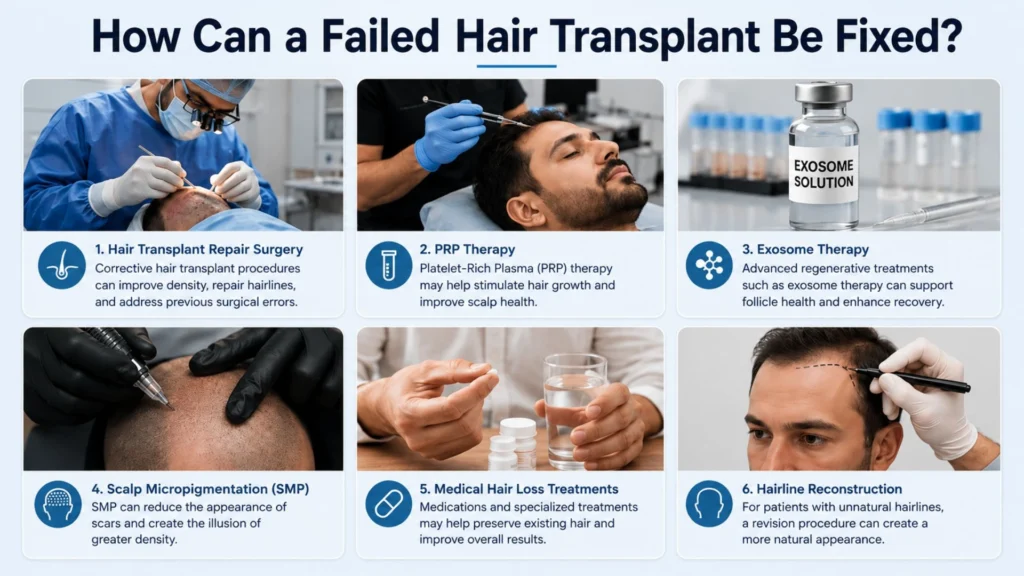
Hair Transplant Repair Surgery
Corrective hair transplant procedures can improve density, repair hairlines, and address previous surgical errors.
PRP Therapy
Platelet-Rich Plasma (PRP) therapy may help stimulate hair growth and improve scalp health.
Exosome Therapy
Advanced regenerative treatments such as exosome therapy can support follicle health and enhance recovery.
Scalp Micropigmentation (SMP)
SMP can reduce the appearance of scars and create the illusion of greater density.
Medical Hair Loss Treatments
Medications and specialized treatments may help preserve existing hair and improve overall results.
Hairline Reconstruction
For patients with unnatural hairlines, a revision procedure can create a more natural appearance.
Can Failed Hair Transplant Be Fixed? While no procedure is guaranteed, you can significantly reduce the risk of failure by choosing an experienced hair transplant surgeon, following proper aftercare instructions, maintaining good scalp health, and having realistic expectations about your results.
A failed hair transplant can be frustrating, but it is often correctable. Whether the issue is poor graft growth, low density, scarring, or an unnatural hairline, modern hair restoration techniques offer effective solutions.
If you are concerned about your results, consult an experienced hair transplant specialist for a detailed evaluation. Early intervention can help restore natural-looking hair and improve long-term outcomes.
If you’re looking for a trusted hair restoration specialist in Pune, choosing the right expert is essential for achieving successful corrective treatment. An experienced specialist can identify the factors that causes of hair transplant to fail, assess the signs of failed hair transplant, and recommend the most effective repair procedure. With a personalized treatment plan and advanced techniques, you can restore a natural-looking hairline, improve hair density, and regain your confidence.
Not always. Many failed hair transplants can be improved through repair surgery, PRP therapy, exosome treatment, or hairline correction.
Signs include poor growth, patchy density, unnatural hairline design, visible scarring, and unsatisfactory results after 12 months.
Yes. Many patients achieve successful results with a corrective or revision hair transplant performed by an experienced surgeon.
Poor surgical technique, improper graft handling, and inadequate aftercare are among the most common reasons.
The cost depends on the extent of correction required, the number of grafts needed, and the treatment method used.

A free experts curated guide that clears all your doubts
about Costs, Results, Pain, Recovery and much more.
Dr. Kiran Chotaliya is a leading hair transplant surgeon in Pune, specializing in advanced techniques like FUE and FUT for natural, lasting results. His expertise and patient-centered care ensure successful hair restoration with exceptional outcomes.
© 2026 Developed & Handle By Dr. Kiran Chotaliya Clinic Team
© 2026 Developed & Handle By Dr. Kiran Chotaliya Clinic Team