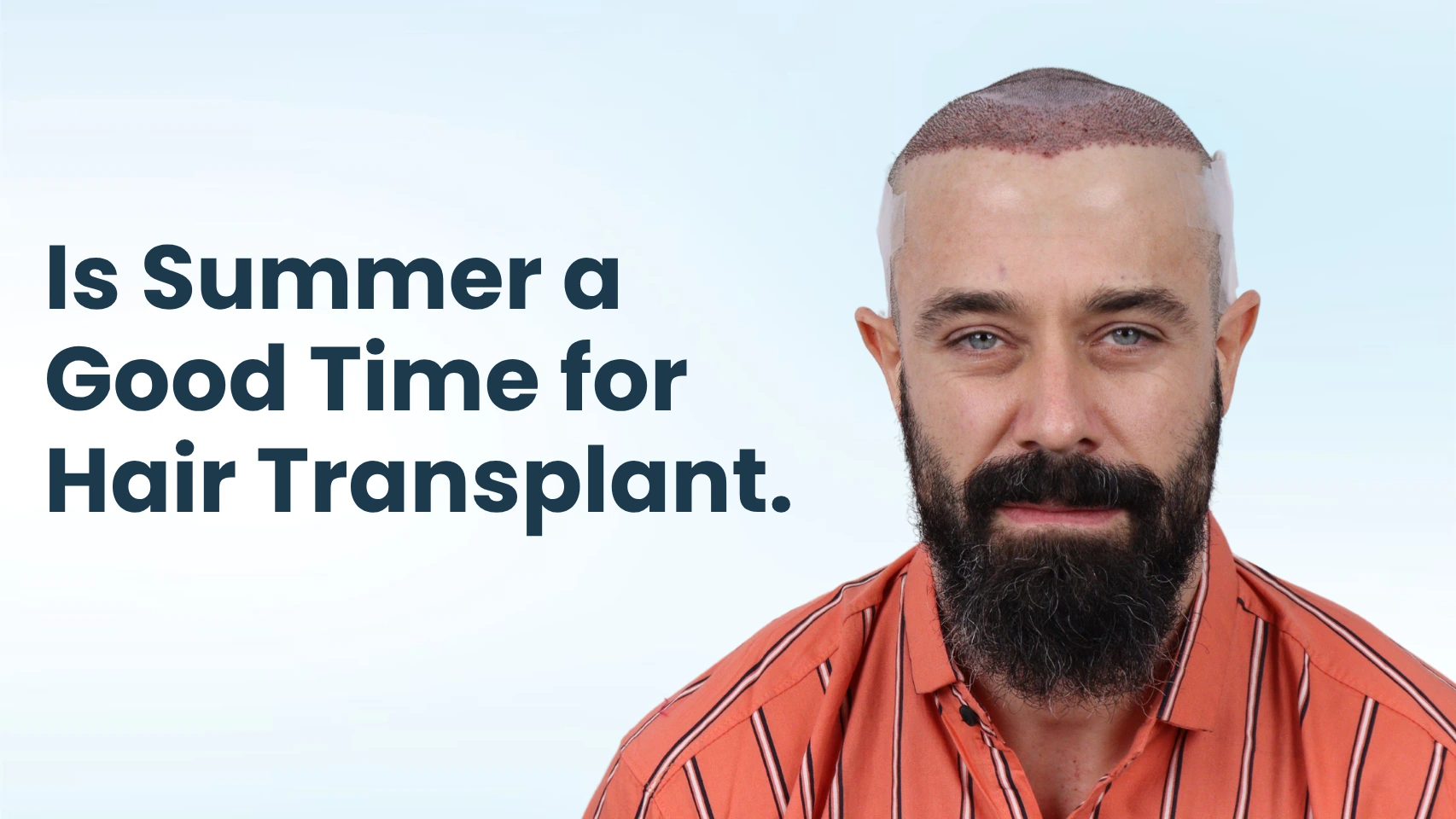
If you’re wondering about the best time for hair transplant in Pune, summer can be a safe and effective option when proper precautions are taken. Modern FUE hair transplant techniques can be performed successfully throughout the year, provided patients follow recommended aftercare, protect the scalp from excessive sun exposure, maintain good hygiene, and avoid excessive sweating during recovery. Ultimately, the best time for hair transplant in Pune depends more on proper post-operative care and expert guidance than on the season itself.
Hair loss can affect confidence and self-image, leading many people to consider a hair transplant as a long-term solution. One of the most common questions patients ask is:
“What is the best time for hair transplant in Pune?”
Many people are concerned that summer heat, sweating, and sun exposure might negatively affect the procedure or recovery process.
The good news is that modern hair transplant techniques, especially FUE (Follicular Unit Extraction), can be safely performed throughout the year. With proper aftercare and guidance from an experienced surgeon, patients can achieve excellent results regardless of the season.
This guide is written by Dr. Kiran Chotaliya, an M.D. Dermatologist, Hair Transplant Surgeon, and Trichologist with extensive experience in hair restoration treatments. Through this blog, he aims to help patients understand whether summer is a suitable time for a hair transplant and how proper aftercare can contribute to successful, natural-looking results.
Summer is often considered a convenient time for a hair transplant because many people have more flexibility in their schedules due to vacations or planned time off from work. The procedure itself is not affected by seasonal changes, and transplanted hair follicles can heal successfully when patients follow post-operative instructions carefully.
Rather than focusing only on the weather, it is more important to choose a time when you can dedicate a few days to rest and recovery.
Heat alone does not damage newly transplanted hair grafts. However, excessive sweating, direct sunlight, and poor scalp hygiene may cause discomfort during the initial healing period.
To support proper recovery, doctors generally recommend:
Following these Hair transplant precautions helps protect the scalp and promotes healthy healing.
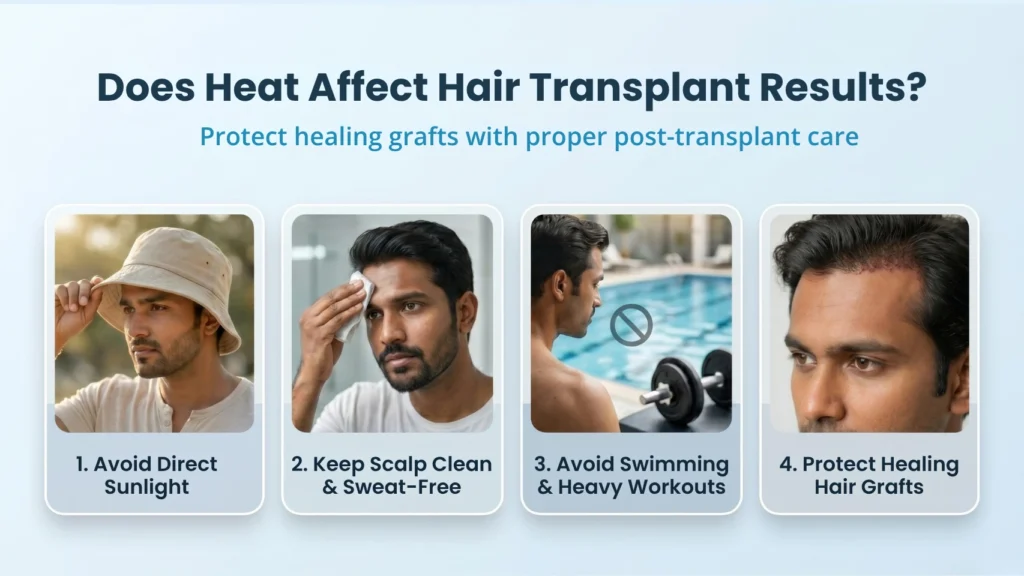
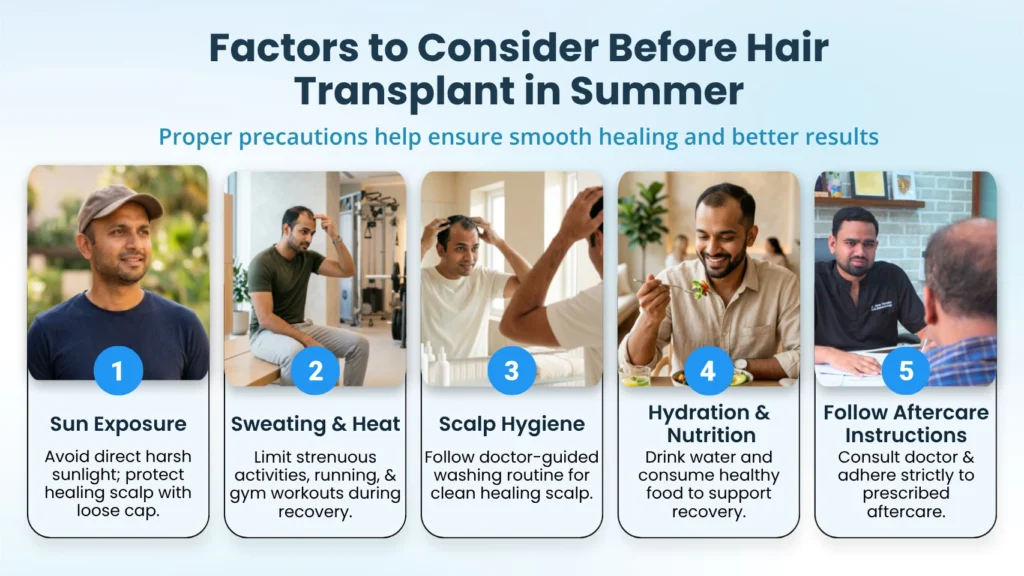
Understanding the right hair transplant precautions in summer can help protect newly transplanted grafts, support smooth healing, and improve overall recovery outcomes.
Sun Exposure
The scalp is more sensitive after a hair transplant. Prolonged exposure to direct sunlight may irritate the healing skin and increase discomfort. Patients should take precautions when spending time outdoors.
Sweating and Heat
Excessive sweating can make the scalp feel uncomfortable during the first few days after surgery. Avoiding strenuous physical activities helps reduce irritation and supports recovery.
Scalp Hygiene
Maintaining good scalp hygiene is essential after a hair transplant. Patients should follow the surgeon’s instructions regarding washing and scalp care to minimize the risk of infection.
Hydration and Nutrition
Proper hydration and a balanced diet can contribute to the healing process. Nutrients such as protein, vitamins, and minerals support healthy hair growth and recovery.
Following Aftercare Instructions
Every patient heals differently. Taking prescribed medications, attending follow-up appointments, and carefully following post-operative guidelines are important for achieving optimal results.
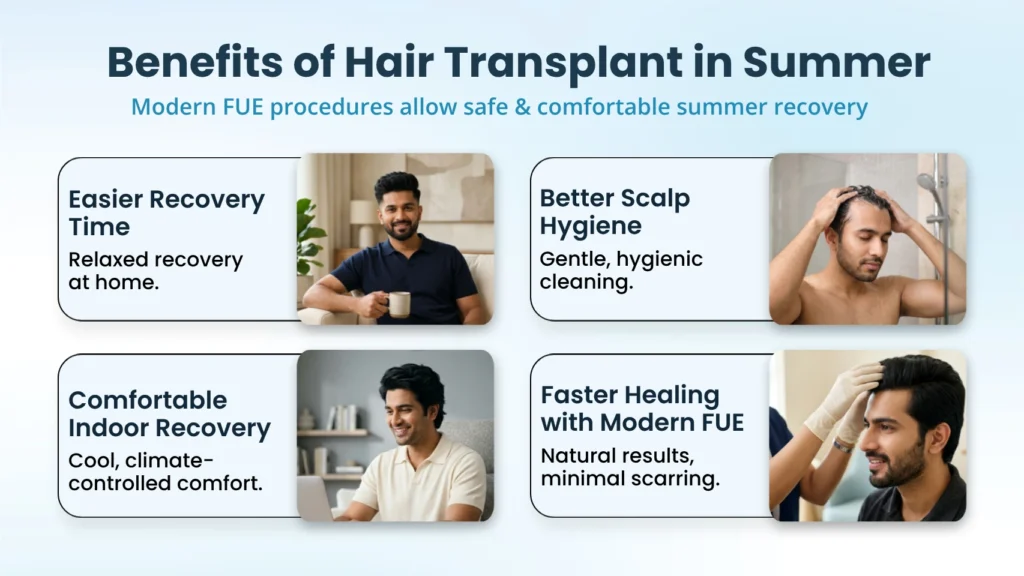
The Benefits of Hair Transplant in Summer are explained below, highlighting how modern techniques and proper aftercare can support a smooth recovery and successful results.
1. Convenient Recovery Period
Many people find it easier to schedule a hair transplant during summer holidays or vacation periods, allowing them to recover comfortably without disrupting their routine.
2. Better Time for Rest
Summer often provides opportunities to spend more time indoors, making it easier to protect the scalp during the initial healing phase.
3. Easy Scalp Care Routine
Regular bathing and maintaining cleanliness can be easier during warmer months, helping patients follow proper scalp hygiene practices.
4. Advanced FUE Technology
Modern FUE hair transplant techniques involve minimal scarring and relatively quick recovery, making them suitable regardless of the season.
Pune generally has a manageable climate compared to highly humid regions. While temperatures can rise during summer, patients can recover comfortably by staying indoors, avoiding excessive heat exposure, and following recommended aftercare instructions.
The success of a hair transplant depends far more on surgical expertise and post-treatment care than on seasonal weather conditions.
When considering the best time for hair transplant in Pune, selecting an experienced surgeon is just as important as choosing the right season. A qualified hair transplant surgeon in Pune can assess your hair loss pattern, recommend the most suitable technique, and provide detailed recovery guidance to help achieve natural-looking, long-lasting results.
If you are wondering about the best time for hair transplant in Pune, summer can be a suitable option when proper precautions are taken. Modern FUE techniques, good scalp hygiene, and careful post-operative care allow patients to undergo hair transplant surgery safely throughout the year.
Ultimately, the best time for a hair transplant is when you can commit to the recovery process and follow your surgeon’s recommendations. With expert guidance from Dr. Kiran Chotaliya, one of Pune’s leading hair transplant surgeons, and proper aftercare, successful hair transplant results can be achieved in any season.
Hair transplants can be performed throughout the year. The best time is when you can follow the recommended recovery and aftercare instructions properly.
Yes. Summer is a suitable time for a hair transplant when proper precautions are taken to protect the healing scalp.
Excessive sweating may irritate the scalp during the early healing phase, which is why strenuous physical activities should be avoided initially.
Initial recovery generally takes around 7–14 days, while visible hair growth develops gradually over several months.
Yes. FUE is widely preferred because it involves minimal scarring, faster healing, and a relatively comfortable recovery process.

A free experts curated guide that clears all your doubts
about Costs, Results, Pain, Recovery and much more.
Dr. Kiran Chotaliya is a leading hair transplant surgeon in Pune, specializing in advanced techniques like FUE and FUT for natural, lasting results. His expertise and patient-centered care ensure successful hair restoration with exceptional outcomes.
© 2026 Developed & Handle By Dr. Kiran Chotaliya Clinic Team
© 2026 Developed & Handle By Dr. Kiran Chotaliya Clinic Team