
Alopecia Areata Treatment Case Study – 23-Month Hair Regrowth Journey with Kenacort Injection

Alopecia Areata Treatment Case Study – 23-Month Hair Regrowth Journey with Kenacort Injection

Written by: Dr. Kiran Chotaliya Editorial Team  ·  Reviewed by: Dr. Kiran Chotaliya, M.D. Dermatologist & Chief Hair transplant Surgeon  ·  Hairfree & Hairgrow Clinics, India  ·  Updated Oct 2026

This case study documents the 5-month treatment journey of a 25-year-old female patient with localized alopecia areata. At baseline, the patient presented with clearly visible patchy areas of scalp hair loss with significant scalp exposure. Serial photographs document progressive changes at 1 month, 2 months, 3 months, and 5 months, with increasing hair regrowth and improved scalp coverage over time. Pasted markdown

The patient was treated with Kenacort Injection (triamcinolone corticosteroid injection) as advised by the treating dermatologist. For accuracy, Kenacort injections can also be used medically for conditions such as hypertrophic scars, but in this case the treatment is being documented for alopecia areata, not for a hypertrophic scar.

Patient Consent Notice

This case study has been published with the patient’s informed consent for educational and informational purposes. Appropriate measures have been taken to maintain patient privacy while documenting the scalp condition, treatment process, and follow-up progress.

Individual outcomes with alopecia areata treatment may vary. Hair regrowth can depend on the extent and activity of the condition, duration of hair loss, individual treatment response, recurrence, and other biological factors. The results shown in this patient should not be considered a guarantee of similar outcomes for every patient.

Patient Case Overview

Patient Details

Information

Age

41 years

Gender

Female

Condition

Alopecia Areata

Pattern

Multiple localized areas of patchy hair loss

Affected Area

Scalp

Treatment

Kenacort Injection

Treatment Type

Intralesional corticosteroid treatment

Documented Follow-Up

2, 3, 7, 10, 11, 19 and 23 months

Latest Documented Progress

23 months


KIRTI GURAV

Case Overview

Age, City

47 Years,
Pune, India

Hair Loss Duration

12–15 Years

Baldness Grade

Norwood
Grade 4–5

Areas Affected

Hairline,
Mid Scalp,
Crown Thinning

Techniques

Big FUE

Grafts

3220+

Patient's Main Concern

The patient presented with multiple visible areas of patchy scalp hair loss, resulting in noticeable scalp exposure and uneven hair coverage.

The hair-loss patches were particularly noticeable when the surrounding hair was separated or lifted. The contrast between the affected areas and the comparatively denser surrounding hair made the patches more prominent.

Her main concerns included:

  • Clearly visible patchy scalp hair loss
  • Increased scalp visibility
  • Uneven hair density
  • Hair loss around different areas of the scalp
  • Difficulty concealing some affected areas with existing hair
  • Cosmetic concern related to visible hair-loss patches
  • Desire to encourage hair regrowth and improve overall scalp coverage

Initial Alopecia Areata Condition

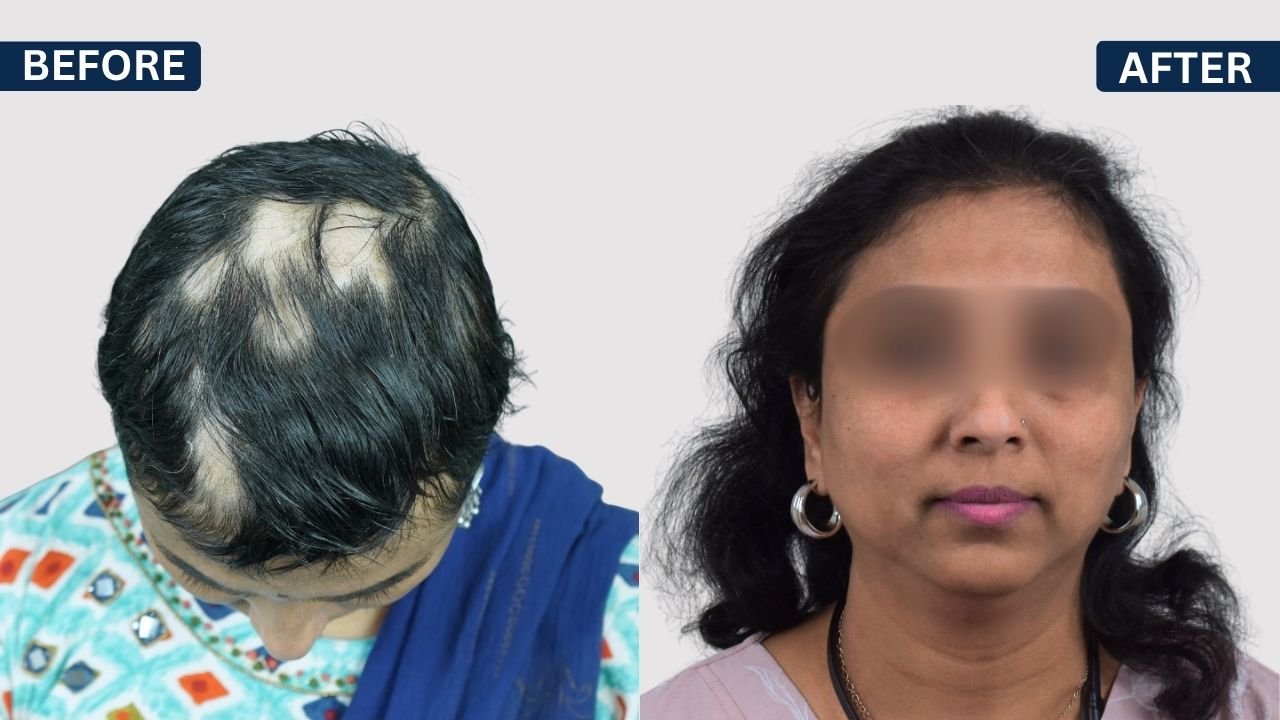
Before beginning treatment, clinical photographs showed multiple areas of localized hair loss with substantial scalp visibility.

The affected areas appeared to involve different regions of the scalp rather than one isolated patch. Some areas showed more extensive thinning and scalp exposure, while the surrounding hair remained comparatively dense.

The primary treatment objectives were to:

  • Manage the affected alopecia areata areas
  • Encourage hair regrowth within the patches
  • Reduce visible scalp exposure
  • Improve overall scalp coverage
  • Monitor for new or recurrent patches
  • Assess the patient’s response over long-term follow-up

Clinical Assessment

The patient’s alopecia areata was evaluated according to the appearance, location, and extent of the visible scalp patches.

Clinical assessment focused on:

  • Number and distribution of affected patches
  • Degree of scalp exposure
  • Existing hair surrounding affected areas
  • Presence of early regrowing hairs
  • Changes in patch size during follow-up
  • Overall scalp coverage
  • Development of new or recurrent areas
  • Response to the prescribed treatment

Serial photographs were used throughout the follow-up period to document visible changes

Detailed Graft Breakdown for NW3 Restoration

Single Hair Grafts
530
For Natural Hairline
Multi Hair Grafts
2480
Mid Scalp Coverage
Total Grafts Done
3010
Total Grafts Transplanted: (add case specific number)
Parameter
No. of Grafts
Details
Single hair grafts
530
For natural hairline
Multi hair grafts
2480
Mid scalp coverage
Total grafts done
3010

Kenacort Injection Treatment Procedure Overview

Kenacort Injection was administered to the alopecia-affected areas according to the dermatologist’s clinical assessment and treatment plan.

Intralesional treatment is directed into selected areas of affected skin, with the dose, spacing, and treatment schedule individualized according to the size, location, and activity of the alopecia patches.

Follow-up assessments focused on:

  • Development of new hair
  • Changes in visible patch size
  • Reduction in scalp exposure
  • Improvement in hair density
  • Appearance of new alopecia patches
  • Stability of previously improved areas
  • Need for further treatment

The photographic journey indicates that improvement occurred gradually over an extended period, rather than immediately.

Month-by-Month Alopecia Areata Treatment Progress

Before Treatment – Baseline Condition

At baseline, the patient showed clearly visible areas of patchy hair loss with significant scalp exposure.

The photographs demonstrated:

  • Multiple areas of reduced hair density
  • Clearly visible scalp
  • Uneven hair distribution
  • Prominent affected areas compared with surrounding hair
  • Hair loss involving different scalp regions

This served as the baseline for evaluating subsequent treatment progress.

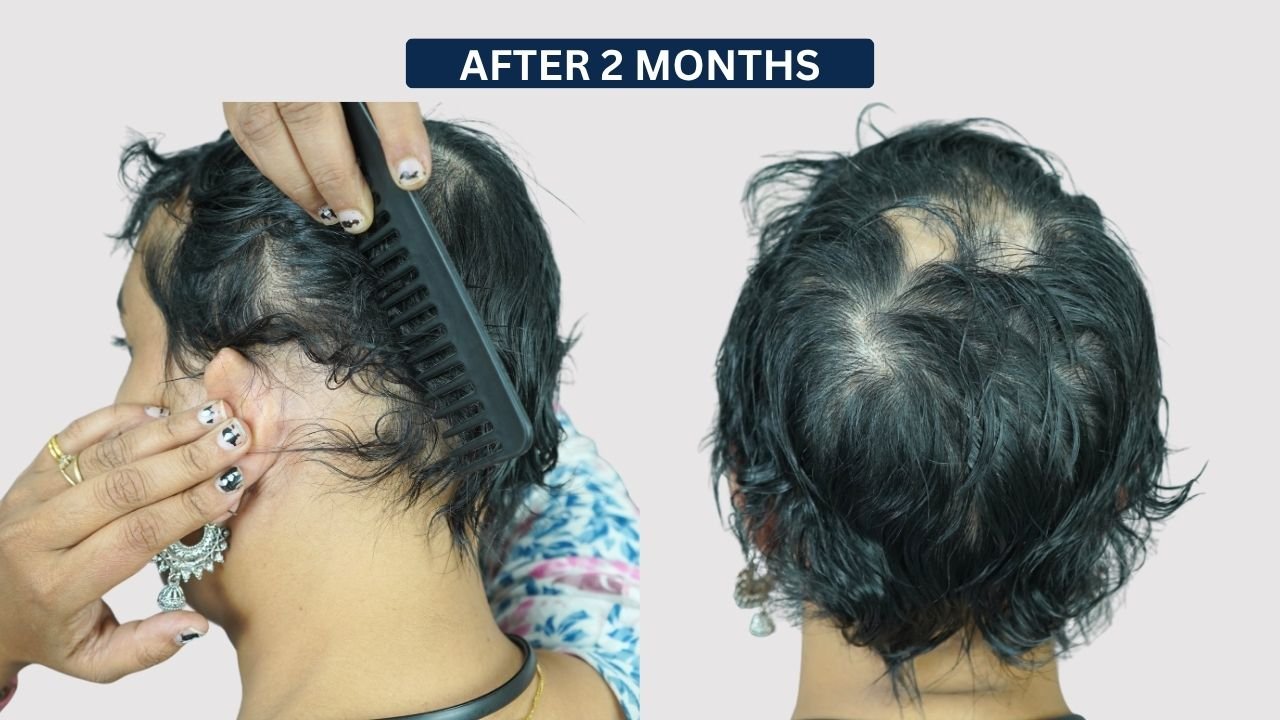
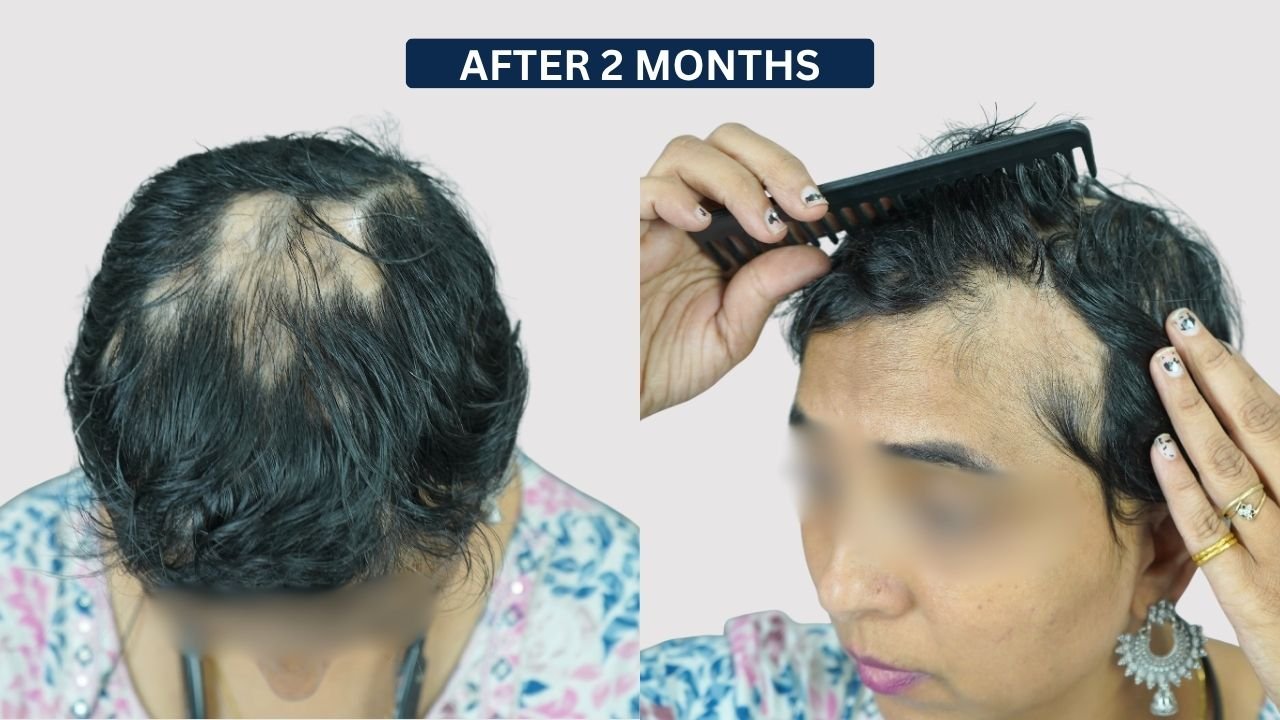
After 2 Months – Early Treatment Stage

At approximately 2 months, the alopecia-affected areas were still clearly visible.

The photographs showed:

  • Persistent areas of scalp exposure
  • Patchy hair distribution
  • Some fine or short hair visible within affected regions
  • Limited overall density at this early stage
  • Continued need for clinical monitoring

This represented an early treatment stage rather than the final outcome.

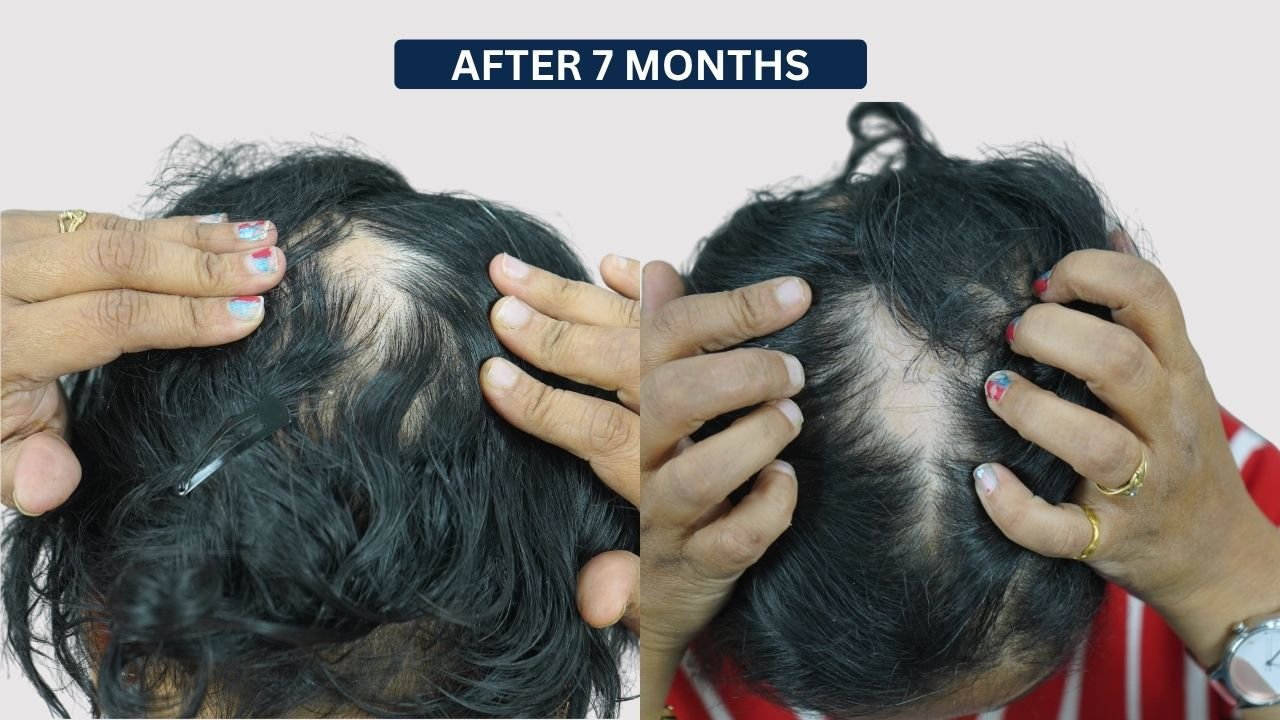
After 7 Months – Progressive Hair Coverage

By approximately 7 months, the photographic follow-up showed continued improvement in hair coverage.

Compared with earlier photographs:

  • More hair was visible within affected regions
  • Some patches appeared smaller or less prominent
  • Overall scalp exposure was reduced in several areas
  • Growing hair began blending better with surrounding hair
  • Density continued to remain uneven in some regions

This stage demonstrated ongoing improvement rather than complete resolution.

KIRTI GURAV8

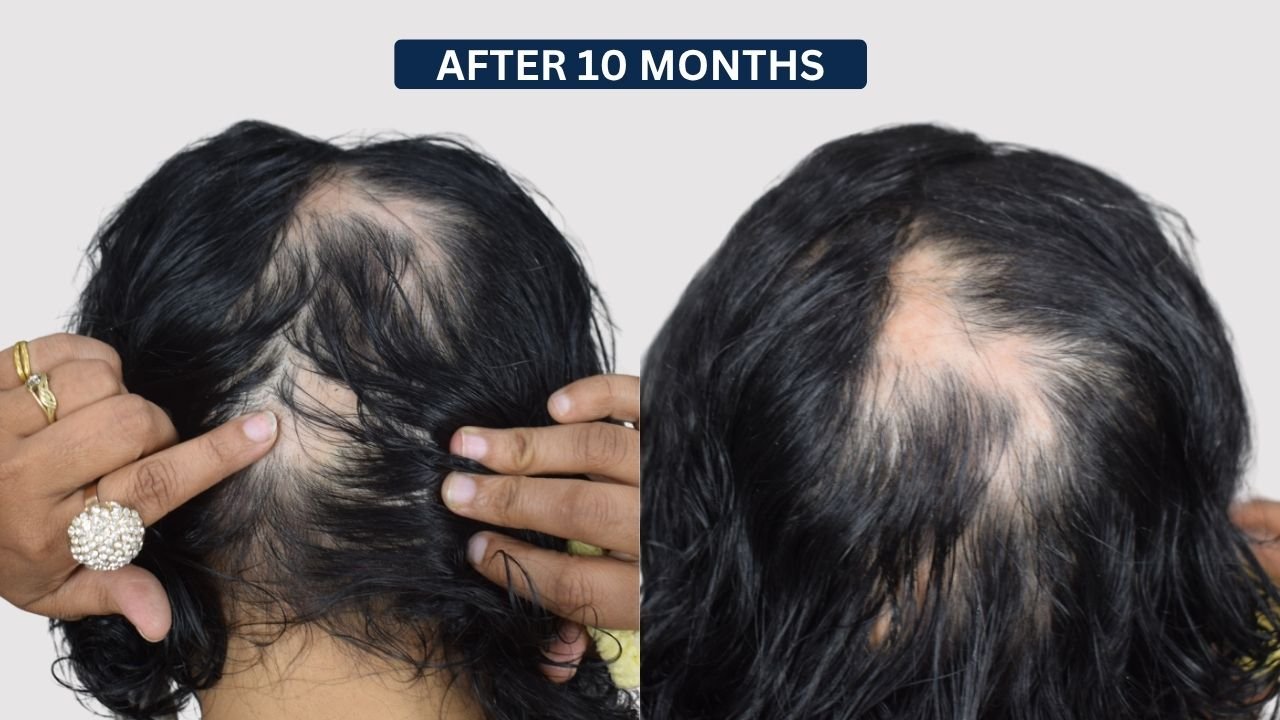
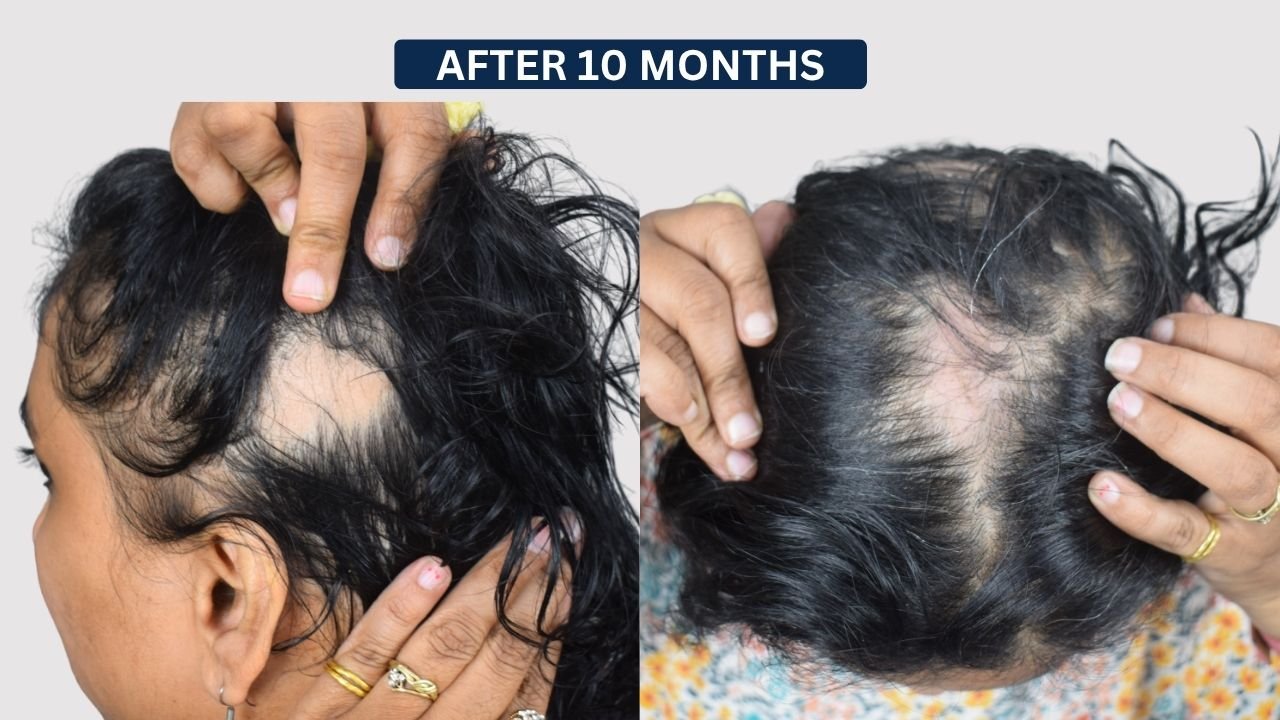
After 10 Months – Continued Regrowth

At the 10-month follow-up, several previously affected scalp areas showed increasing hair presence.

Visible observations included:

  • Further hair regrowth within previously sparse regions
  • Reduced contrast between alopecia patches and surrounding hair
  • Improved coverage in portions of the upper and side scalp
  • Persistent visible thinning in some areas
  • Continued maturation of newly growing hair

The photographs suggest that recovery remained gradual and differed between affected regions.

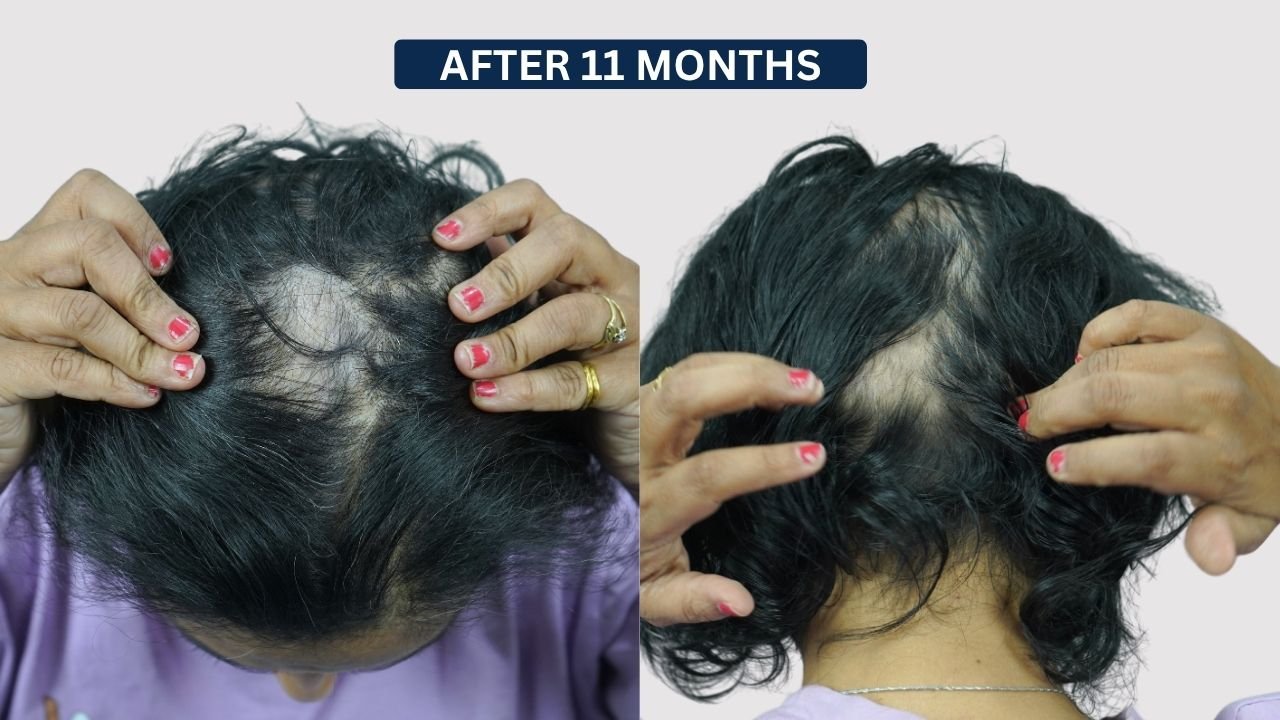
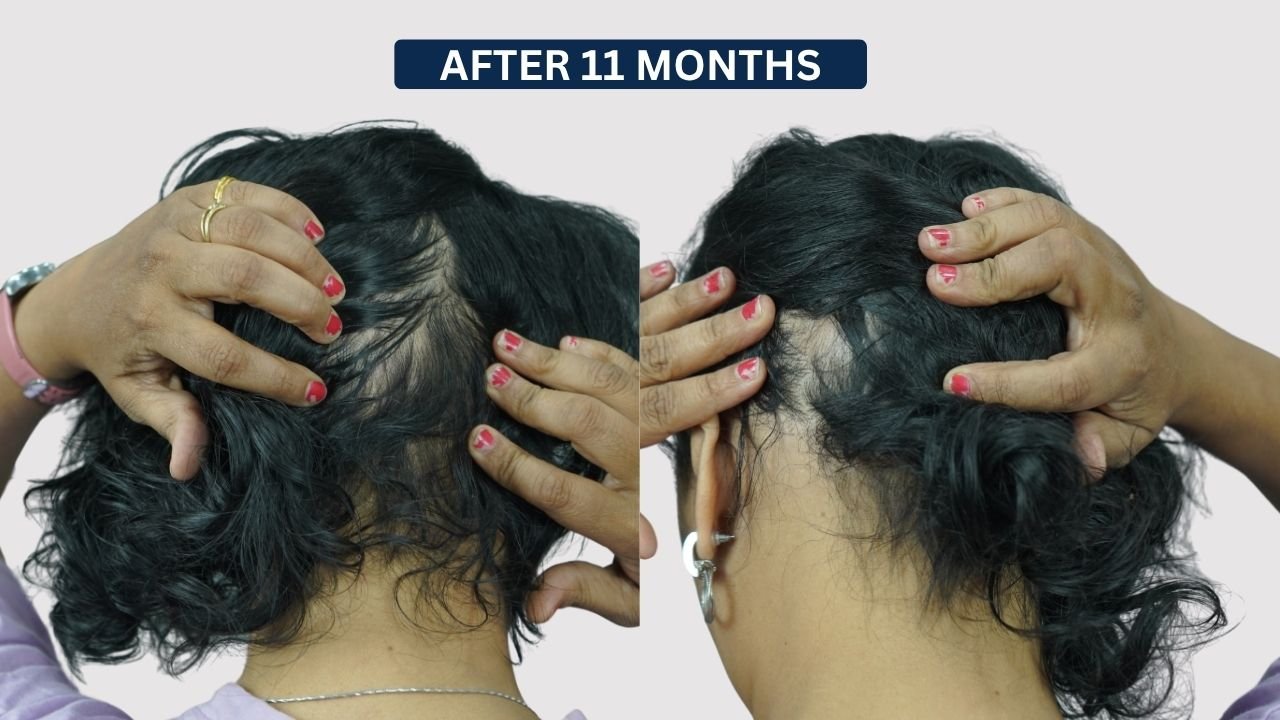
After 11 Months – Improving Density

At approximately 11 months, the photographs showed additional improvement in hair coverage.

Compared with the earlier stages:

  • More hair was visible over previously exposed scalp
  • Some patches appeared noticeably less prominent
  • Overall coverage had improved
  • Regrowing hair showed better integration with surrounding hair
  • Residual areas of reduced density remained visible when the hair was separated

This remained part of the ongoing treatment and observation period.

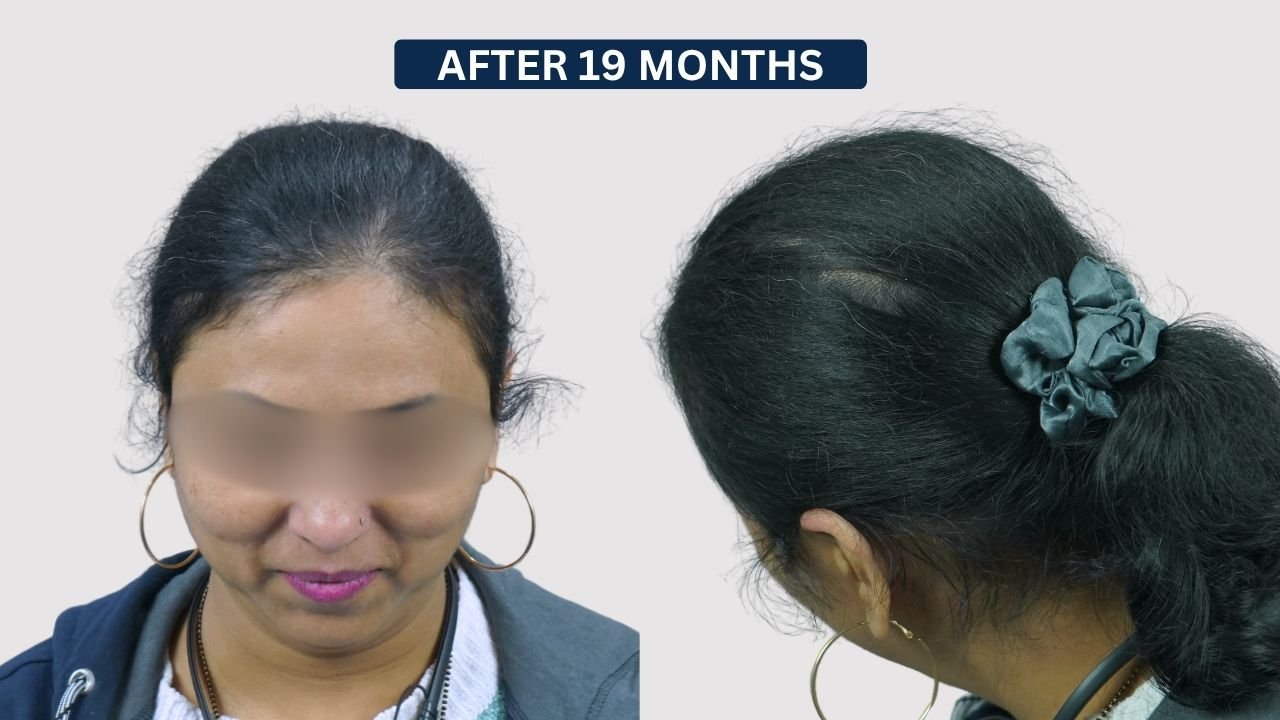
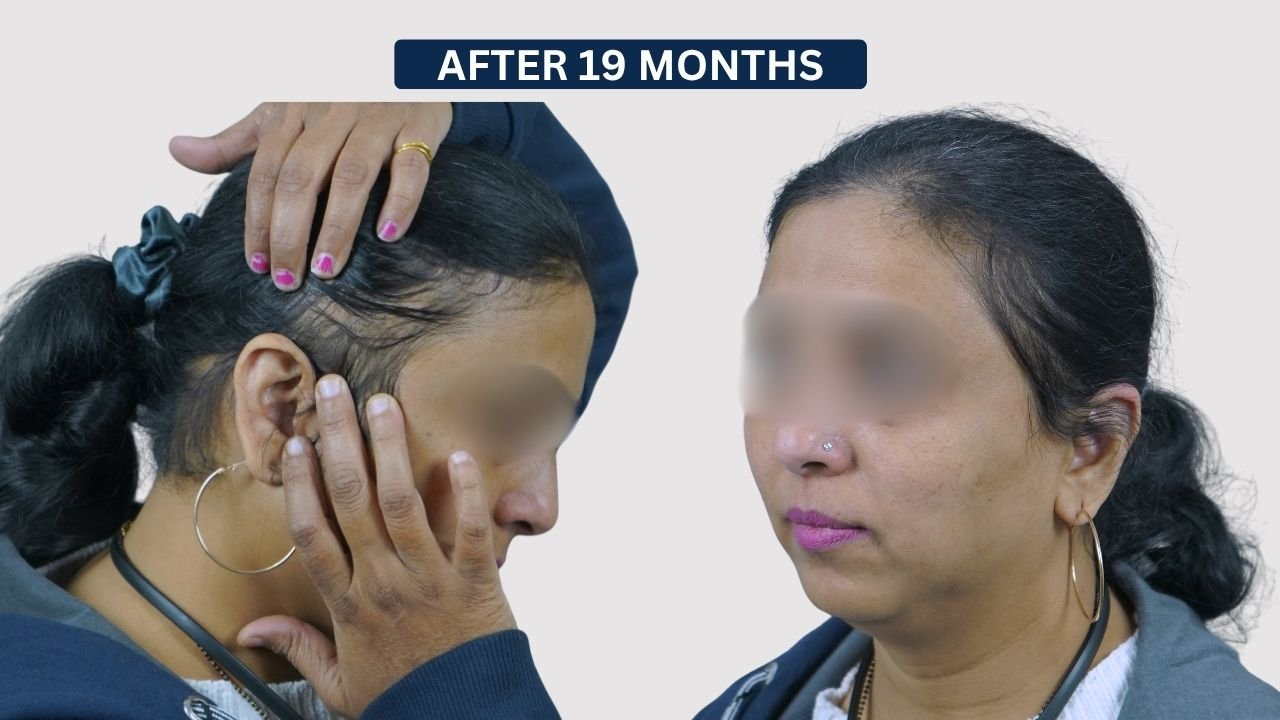
After 19 Months – Long-Term Visible Improvement

At the 19-month follow-up, the patient’s scalp photographs demonstrated substantial improvement compared with baseline.

Visible changes included:

  • Considerably better overall hair coverage
  • Reduced visibility of several original alopecia patches
  • Improved hair density around the temporal and upper scalp regions
  • Better blending between previously affected and unaffected hair
  • Less obvious scalp exposure during normal positioning of the hair

The photographs also demonstrate why long-term follow-up is useful in alopecia areata, as visible changes may continue over many months.

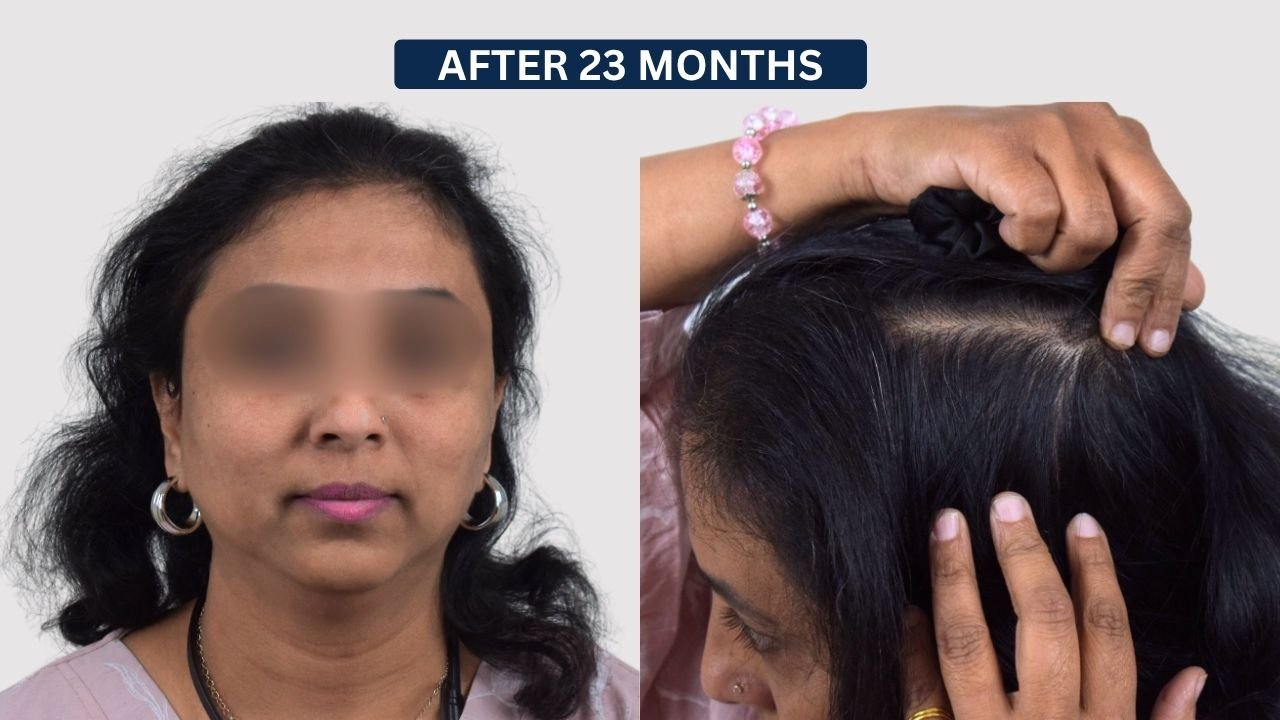
After 23 Months – Latest Documented Progress

At the 23-month follow-up, the patient showed substantial improvement in overall scalp coverage compared with the pretreatment condition.

The latest photographs demonstrate:

  • Increased hair coverage
  • Considerably reduced scalp visibility
  • Improved density within previously affected areas
  • Better blending with surrounding hair
  • Less prominence of the original alopecia patches
  • Improved overall appearance of scalp coverage

The 23-month photographs represent the latest documented stage in this patient’s treatment journey. They should not be interpreted as a guaranteed permanent outcome because alopecia areata may have an unpredictable course.

KIRTI GURAV15

Treatment Progress Summary

Treatment Stage

Observed Progress

Before Treatment

Multiple clearly visible alopecia patches with significant scalp exposure

2 Months

Early stage with persistent patches and limited developing hair

3 Months

Developing regrowth and improving coverage

7 Months

Progressive hair growth with reduction in visible scalp exposure

10 Months

Continued regrowth and improving coverage

11 Months

Further improvement in density and blending

19 Months

Substantial improvement with considerably better overall coverage

23 Months

Latest documented stage showing increased hair coverage and reduced prominence of affected areas

Aftercare & Long-Term Maintenance

Following Kenacort Injection treatment, ongoing scalp care and dermatologist follow-up may be recommended.

General measures may include:

  • Follow the treatment schedule prescribed by the dermatologist
  • Avoid scratching or irritating treated scalp areas
  • Avoid unnecessary harsh chemical treatments on affected areas
  • Maintain a balanced and nutritious diet
  • Monitor previously affected areas for renewed thinning
  • Check for development of new patches
  • Attend scheduled dermatologist follow-ups
  • Report sudden or increased hair shedding
  • Continue supportive treatment only if advised
  • Do not repeat, modify, or discontinue corticosteroid injections without medical supervision

The reference case similarly emphasizes continued monitoring because alopecia areata can have an unpredictable course. Pasted markdown


The Change: A New Beginning

For this patient, Kenacort Injection treatment for hypertrophic scar focused on reducing the raised appearance, thickness, and firmness of the scar while helping improve the overall texture and appearance of the affected skin.

The treatment involved carefully administering Kenacort (triamcinolone) injection directly into the hypertrophic scar according to the dermatologist’s clinical assessment. The injection was targeted to the raised scar tissue, with the treatment plan individualized according to the scar’s size, thickness, location, and response to previous sessions.

Throughout the treatment period, the patient followed the recommended aftercare and attended regular follow-ups to monitor changes in the scar. Over time, the hypertrophic scar gradually became flatter, softer, and less prominent, helping improve the overall appearance and texture of the treated area.


KIRTI GURAV16

What Our Patients Says

Why Choose Dr. Kiran Chotaliya for PRP Hair Treatment

  • Expert Hypertrophic Scar Care: Dr. Kiran Chotaliya provides personalized Kenacort Injection treatment plans based on the scar’s size, thickness, location, duration, symptoms, and overall skin condition.

  • Customized Scar Treatment Planning: The concentration, amount of medication, injection points, treatment interval, and number of sessions are decided according to the individual characteristics of the hypertrophic scar and the patient’s response.

  • Precise Intralesional Kenacort Injection: Kenacort is carefully injected directly into the raised scar tissue using a controlled intralesional technique to target the thickened area while minimizing unnecessary treatment of the surrounding skin.

  • Focus on Scar Flattening & Softening: Treatment is planned to help reduce the height, firmness, thickness, and prominence of the hypertrophic scar, while supporting a smoother and more even skin appearance.

  • Symptom-Oriented Scar Management: When hypertrophic scars are associated with discomfort, itching, tightness, or tenderness, the treatment plan may also focus on improving these symptoms based on the dermatologist’s clinical assessment.

  • Regular Follow-Up & Maintenance: Follow-up assessments help monitor changes in scar thickness, texture, softness, symptoms, and overall appearance. Further Kenacort sessions or additional scar-management options may be advised according to the patient’s progress and clinical response.

  •  
drkiranchotaliya

FAQ'S

1. What treatment was used in this alopecia areata case?

The patient was treated with Kenacort Injection, an intralesional corticosteroid treatment used according to the dermatologist’s clinical assessment.

Kenacort contains triamcinolone, a corticosteroid. Intralesional corticosteroid injections may be used by dermatologists in selected cases of localized alopecia areata. The dose, concentration, treatment interval, and number of sessions should be determined individually by a qualified dermatologist. Pasted markdown

The photographs document changes from the early follow-up stages, with progressively better hair coverage at later follow-ups. More substantial improvement became apparent during the longer-term treatment journey.

No. Different affected areas may respond differently, and the speed and amount of hair regrowth can vary even within the same patient.

Not necessarily. The 23-month stage is the latest documented follow-up, not a guarantee of permanent regrowth. Alopecia areata may recur, so ongoing monitoring remains important.

Hair Transplant in Pune

Dr. Kiran Chotaliya is a leading hair transplant surgeon in Pune, specializing in advanced techniques like FUE and FUT for natural, lasting results. His expertise and patient-centered care ensure successful hair restoration with exceptional outcomes.

Follow Us

GET IN TOUCH

© 2026 Developed & Handle By Dr. Kiran Chotaliya Clinic Team

Location

© 2026 Developed & Handle By Dr. Kiran Chotaliya Clinic Team

Scroll to Top

Book A Consultation