FUE vs BIG FUE vs DHI: Which Hair Transplant Technique Is Best In Pune?
Table of Contents
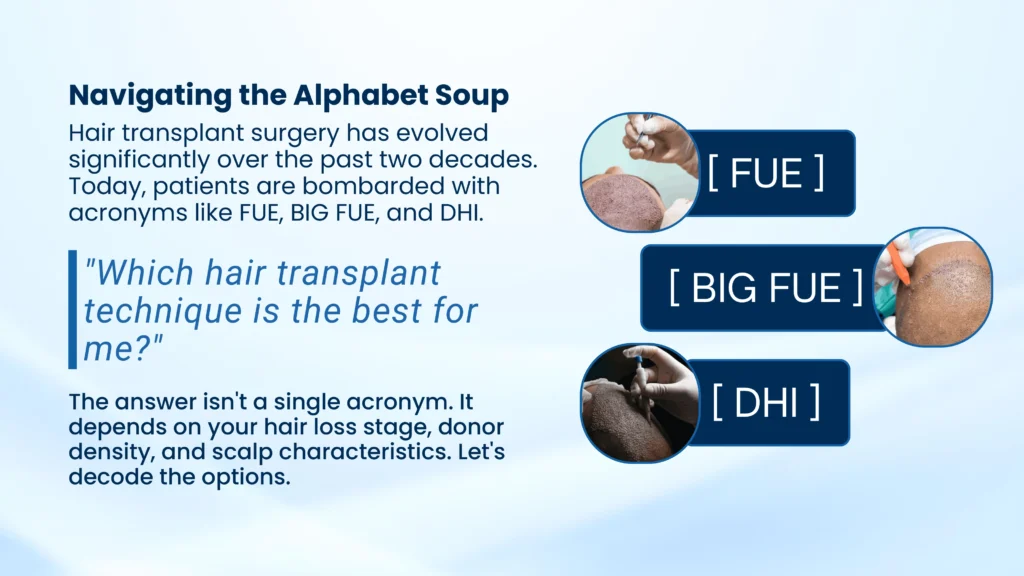
FUE vs DHI vs BIG FUE Hair Transplant in Pune Hair transplant surgery has evolved significantly over the past two decades. Today, patients have multiple techniques available at our clinic, including FUE, BIG FUE, and DHI hair transplant, each engineered to address specific stages of hair loss and patient density goals.
Naturally, many patients ask:
“Which hair transplant technique is the best for me?”
The answer depends on factors such as hair loss stage, donor hair density, scalp characteristics, and surgical planning.
In this guide, Dr. Kiran Chotaliya, hair transplant surgeon at Hairfree & Hairgrow Clinic in Pune, explains the key differences between these techniques and how to choose the most suitable option.
Is Hair Transplant Permanent, Hair transplant growth after surgery, Hair Transplant In Pune, dr. kiran chotaliya clinic, Is Hair Transplant Permanent, Hair transplant growth after surgery, Hair Transplant In Pune, dr. kiran chotaliya clinic,Is Hair Transplant Permanent, Hair transplant growth after surgery, Hair Transplant In Pune, dr. kiran chotaliya clinic
What Is Hair Transplant Surgery?
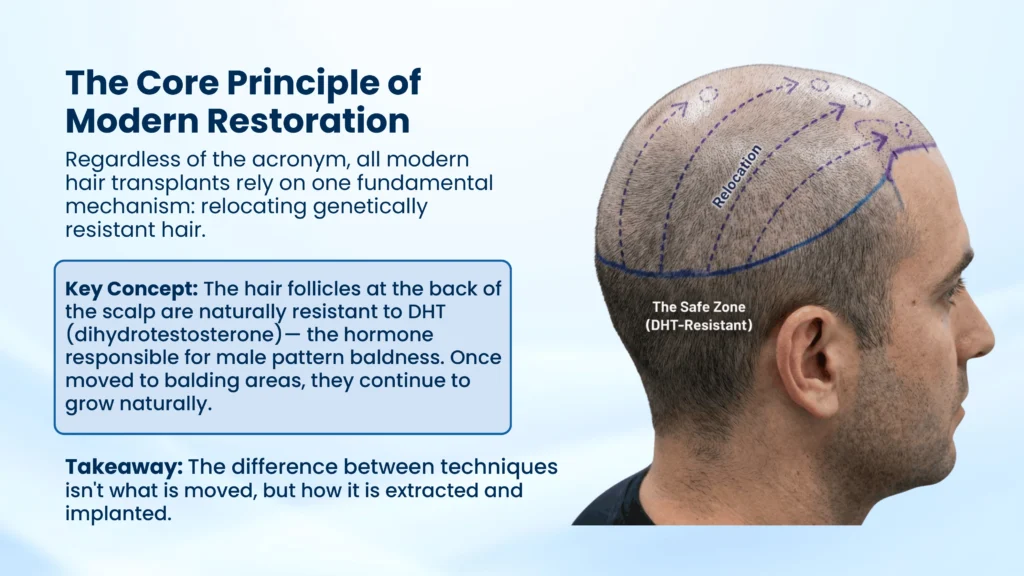
Hair transplant surgery involves relocating hair follicles from the donor area (usually the back of the scalp) to areas affected by hair loss.
These follicles are genetically resistant to DHT (dihydrotestosterone), the hormone responsible for male pattern baldness. Once transplanted, they continue to grow naturally.
Modern hair transplant techniques mainly differ in how follicles are extracted and implanted.
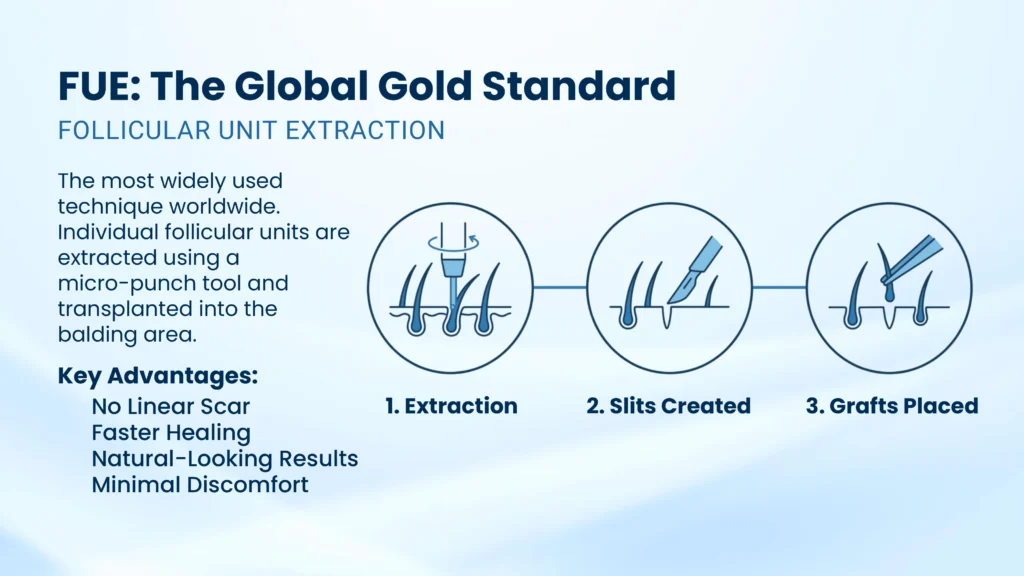
FUE (Follicular Unit Extraction) is currently the most widely used hair transplant technique worldwide.
In this method, individual follicular units are extracted from the donor area using a micro punch tool and transplanted into the balding area.
Advantages of FUE
- No linear scar
- Faster healing
- Natural-looking results
- Minimal discomfort
Because of these benefits, FUE hair transplant is considered the gold standard technique in many modern clinics.
BIG FUE Hair Transplant
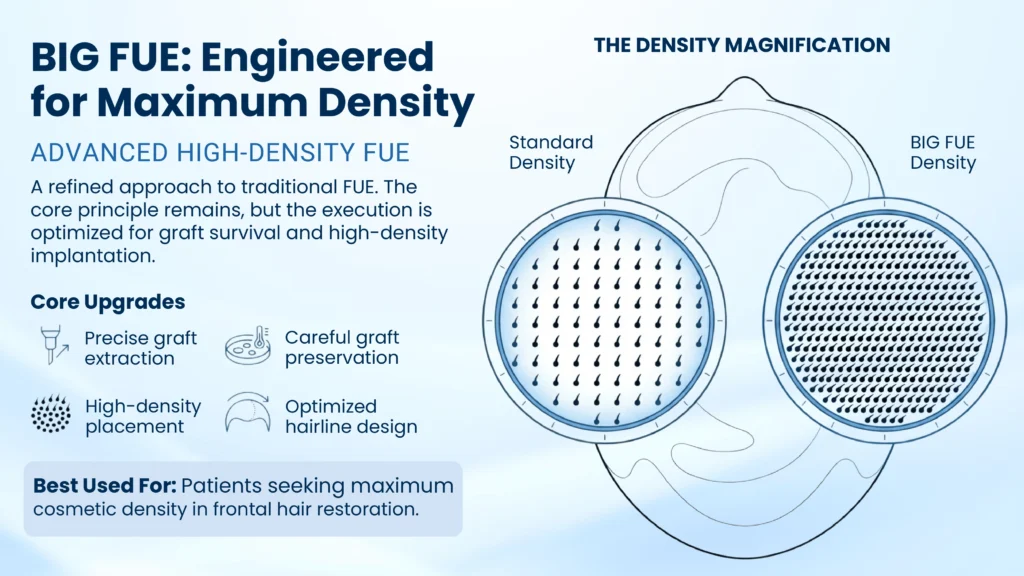
BIG FUE (often described as Advanced High-Density FUE) is a refined approach to the traditional FUE technique.
The core principle remains the same, but improvements focus on:
- precise graft extraction
- careful graft preservation
- high-density implantation
- optimized hairline design
In BIG FUE procedures, special attention is given to graft survival and natural hair growth patterns.
Advantages of BIG FUE
- Higher density results
- Natural hairline design
- improved graft survival
- advanced implantation planning
This technique is especially useful for patients seeking maximum cosmetic density in frontal hair restoration.
DHI Hair Transplant
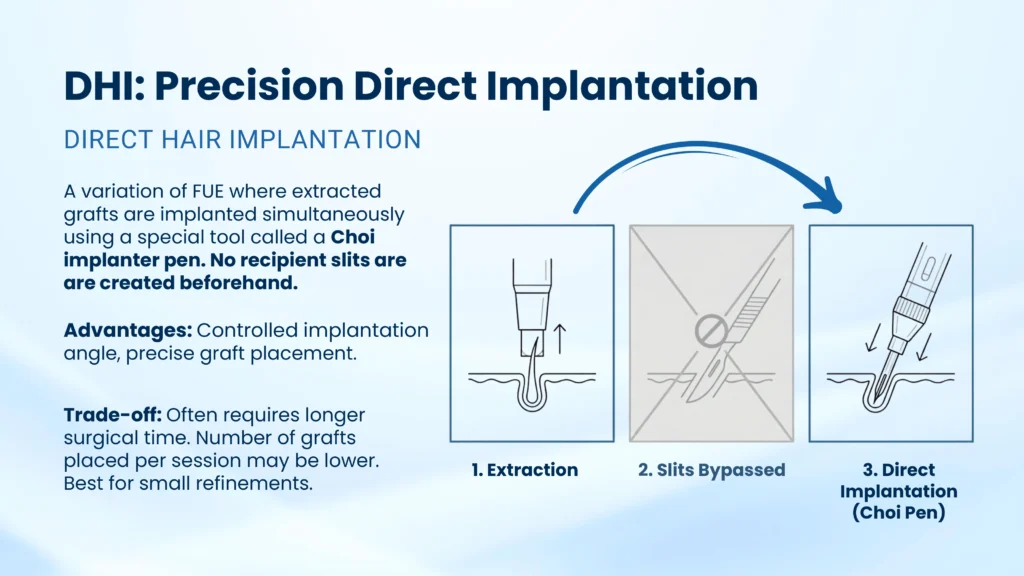
DHI (Direct Hair Implantation) is a variation of the FUE method.
In DHI, extracted grafts are implanted directly using a special implantation pen (often called a Choi implant pen).
Unlike traditional FUE where recipient sites are created first, DHI allows implantation simultaneously.
Advantages of DHI
- controlled implantation angle
- precise graft placement
- useful for smaller areas
However, DHI procedures often take longer surgical time, and graft numbers per session may be lower.
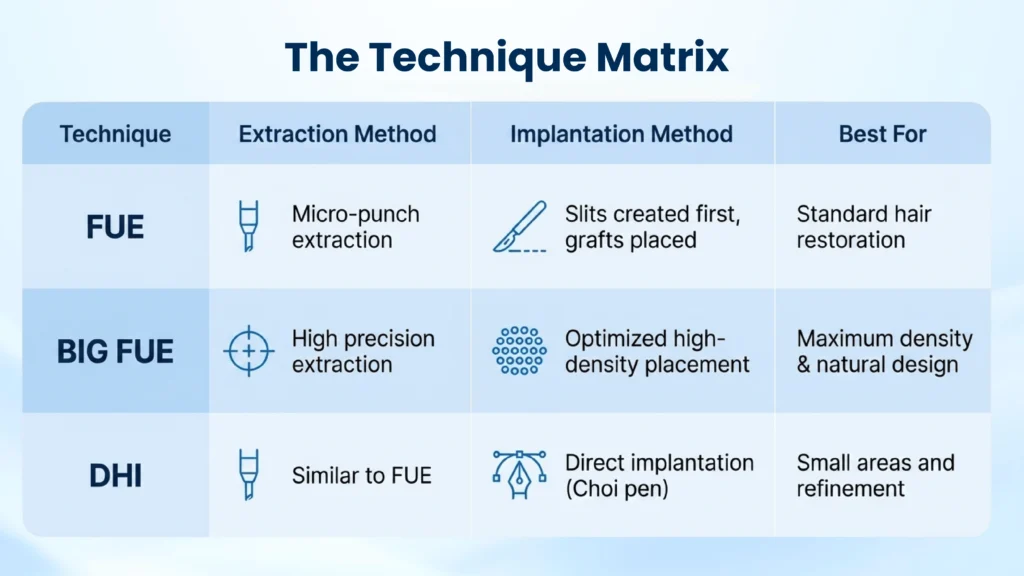
In reality, the final result depends more on surgical planning and technique execution than the brand name of the procedure.
Which Technique Gives the Best Hair Transplant Results?
Many patients believe that one technique is universally superior. However, experienced surgeons understand that the best technique depends on the individual patient.
Important factors include:
Hair Loss Stage
Patients with advanced baldness may require larger graft sessions, which may be easier with FUE-based approaches.
Donor Hair Density
The donor area must be carefully managed to avoid overharvesting.
Hair Characteristics
Hair thickness, curl, and color contrast influence cosmetic results.
Surgical Expertise
Perhaps the most important factor is the experience and planning of the surgeon performing the procedure.
Expert Insight from Dr Kiran Chotaliya
According to Dr. Kiran Chotaliya, hair transplant surgeon in Pune:
“Patients often focus on the technique name, but in reality the outcome depends on surgical planning, donor management, and artistic hairline design.”
Modern techniques like advanced FUE and BIG FUE allow surgeons to achieve high-density, natural results with minimal downtime.
Is DHI Always Better Than FUE?
Not necessarily.
While DHI is heavily marketed as a premium technique, in many cases advanced FUE techniques like BIG FUE, Stem cell FUE provide comparable or better results when performed correctly.
Technique selection should always be based on:
- patient hair characteristics
- graft requirement
- surgical planning
rather than marketing claims.

How to Choose the Right Hair Transplant Technique
The best way to determine the most suitable technique is through a personal consultation with an experienced hair transplant surgeon.
During consultation, the surgeon evaluates:
- Norwood scale stage
- donor hair density
- scalp flexibility
- long-term hair loss progression
Based on these factors, the most appropriate treatment plan can be designed.
Conclusion
Modern hair transplant surgery offers several techniques, including FUE, BIG FUE, and DHI.
Each method has advantages, but the success of a hair transplant depends far more on surgical expertise and proper planning than the technique name itself.
Choosing an experienced surgeon ensures natural hairline design, optimal graft survival, and long-lasting results.
FAQ's
1. What is the difference between FUE, BIG FUE, and DHI hair transplant?
FUE extracts and implants follicles individually, BIG FUE enables a larger number of grafts in one session, and DHI uses a specialized implanter pen for direct implantation.
2. Which hair transplant technique is best for male pattern baldness?
The best technique depends on the stage of hair loss, donor hair quality, and the desired density and coverage.
3. Is DHI better than FUE hair transplant?
DHI offers greater implantation precision, while FUE is versatile and suitable for a wider range of hair loss cases.
4. Is BIG FUE suitable for advanced baldness?
Yes, BIG FUE is often recommended for extensive hair loss because it allows a higher number of grafts to be transplanted in a single session.
5. Are the results of FUE, BIG FUE, and DHI hair transplant permanent?
Yes, transplanted hair follicles are generally permanent and continue to grow naturally for long-lasting results.
Dr. Kiran Chotaliya MD (Skin & VD)
Our Latest Video
Hair Transplant
Hair Loss Treatment

Our Services
Latest Hair Transplant Results


Thinking about Hair Transplant?
Read this First.
A free experts curated guide that clears all your doubts
about Costs, Results, Pain, Recovery and much more.